Re:lieF (Re:LieF) Review
Life Reset Gun
There are all kinds of “what if I could go back to school again” hypotheticals online, and plenty of discussions built on top of them.
Not that I haven’t had the same thought. I’ve talked about the possibility with friends too.
In high school I was a waste of space. Every exam I barely scraped a pass, teetering on the edge of the bottom of the year, and I didn’t think there was anything wrong with that. I just kept going out to find internet cafes, or hitting up relatives’ places, or classmates’ houses that had a PC, dicking around on forums to see what was playable. I think I even saved up and bought a Pocket PC, kept refreshing the same few forums, and ended up a moderator on one of them.
Young me was pretty garbage at studying, honestly. Chinese I learned by reading newspapers; English I learned by playing games. Math wasn’t that I didn’t get it — the teacher just never taught you how to derive anything. He’d shove the process at you, tell you to memorize it, and next time you see this kind of problem, do it like this. Physics I thought I knew, but the problems always came out wrong somehow. Chemistry I had zero interest in. My biology teacher looked at me like I was brain-damaged.
Sometimes at night, when I’m studying Japanese and all sorts of stuff, I sigh at how good the internet is now. Never mind whether you can use Google — even if you hit a problem, you can search Quora and find plenty of people explaining the principle in plain terms. Back in my high school days, even getting online was a pain in the ass. And even though I could use Google freely back then, I couldn’t search up anything, because Chinese resources were far too scarce and my English wasn’t good enough yet.
So to me the internet now is more like a “library” — quickly look up whatever knowledge you need. You don’t even need a textbook’s explanation. With some judgment, you can learn basically anything through the internet.
And now I’m always sighing that I don’t have enough time to study, work is full of bullshit, and when I try to read a book my attention gets shredded by the internet after a while. If I could be sent back to school to study, I’d definitely be way more goated than the waste of space I used to be.
So this “what if” — I’ve argued it with people. “You know what, if you put me back in school now to study, I’d absolutely kill it.” Haozhi across from me drained his beer after hearing my bragging.
“Bullshit!”
He dropped those two words…
And left me sitting there dumbfounded.
………………
Actually this “if life could be redone” idea isn’t just mine. Plenty of people have thought about it, and plenty of works are built on it — movies, novels, anime… games… even eroge.
A while back there was an anime called ReLIFE, and apparently a drama adaptation was coming too. But the game I want to talk about, despite the similar name, isn’t the same thing at all — though the setup is pretty close.
This game is called Re:lieF. The premise is still flying the “life reset” banner, and the promo art came out early and looked beautiful.
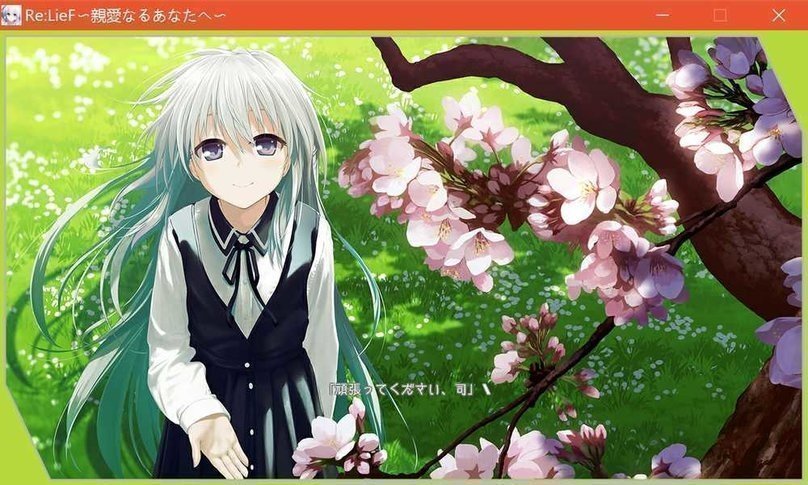
The game is from a new studio, Rask. When the demo came out, I didn’t really want to play it, because this game is…
so goddamn unfriendly!
Why? Let me list its four sins:
- The game doesn’t support touchscreen taps. You have to use a mouse.
- The game doesn’t support scaling. Resolution is only around 720p. Running it on a Surface Pro 4 basically means looking at a 3.2-inch phone screen from the past.
- The default font is a crime against humanity. I don’t know what that seal-script-looking thing was trying to be…
- The color scheme is an even bigger crime. Whitish palette with white text — holy shit, you can’t see a damn thing no matter how you look at it.
So I tried every method to make myself “more comfortable” playing this game, including changing the default display font, adding a touchscreen mouse control scheme, lowering screen contrast, changing the Surface resolution to 1080p… no matter what, this thing nearly blinded me…
In the end I even pulled out the low-resolution GPD Win, built-in mouse joystick, fullscreen should work, right?
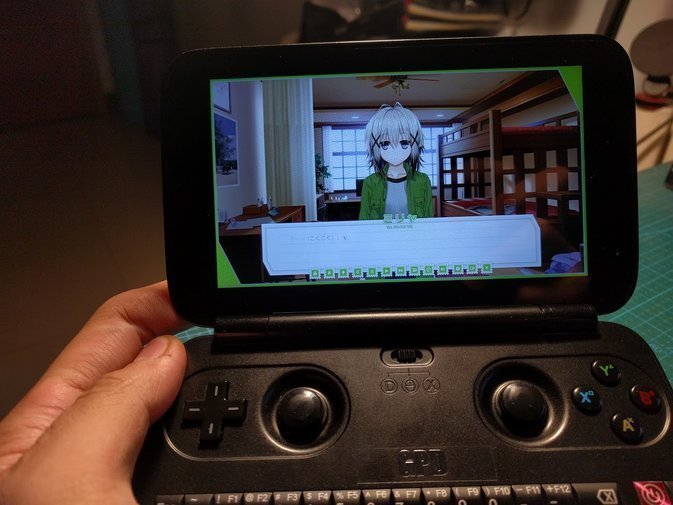
But the font was still tiny… and thin as hell, ら and や and い all blending together, painful to look at. And besides that small thin font, the game also has a seal-script-looking Japanese font, and there were kana I couldn’t even identify — I was about to mistake them for simplified Chinese characters.
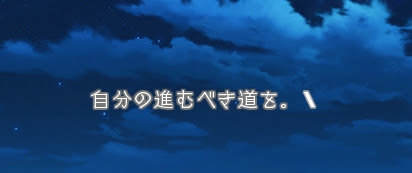
Is there no way to fix this thing?
There is. My last resort was even more brute-force: fire up VNR. Not for machine translation, mind you — just to read the text…
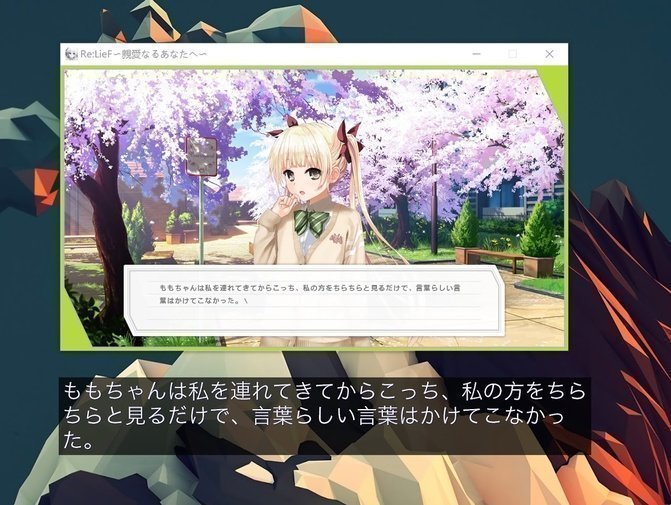
Even so, playing this game still hurt my eyes. Tiny text, unaccustomed to VNR, washed-out art, washed-out colors, no scaling support. Goddamn…
So why play it at all? Because before release, the game’s heroine’s CV followed me on Twitter. She seemed to be promoting the game, and as a rookie voice actress, that kind of hustle is understandable.
But unlike other CVs, she’d occasionally interact with me…
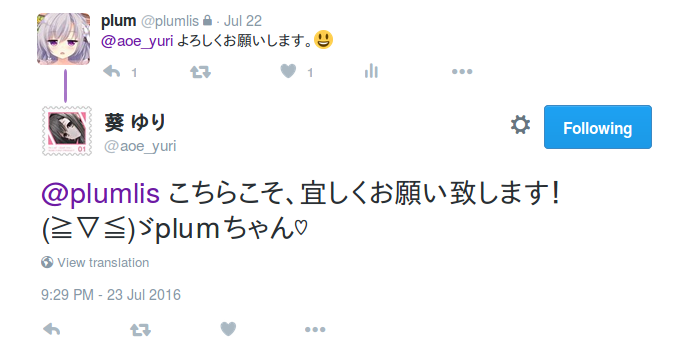
And before release she told me she hoped I’d support her game. I said I’m in mainland China — I do like playing eroge, but mainland China doesn’t allow sales, so it’d have to be through illegal means. She said it didn’t matter, please play it anyway, blah blah blah…
Well, since she put it that way… I had no choice but to play it. Actually, when the game first came out, the ErogameScape scores were terrifyingly high — straight 100s, 99s. So I figured maybe it was a healing chicken-soup masterpiece, and I’d play it when I had time and then go praise the CV on Twitter…
After finishing it, though, I don’t think I can do that…
How to put it? The story is too微妙.
At the start, the game is told from the first-person perspective of the heroine, Houkigi Hinako — the character voiced by the CV who followed me on Twitter. Hinako has just been fired from her company, goes home feeling lost, occasionally flips through photo albums and misses her school days. Then her grandmother suddenly collapses, and someone contacts her asking if she’d like to join a program called Re:Tryment.
The Re:Tryment program means you take a pill, get about ten years younger, and go to a man-made island to redo a year of school life. After one year you return to society — a chance to experience student life again.
In the end, Hinako, wavering day by day, finds a letter written ten years ago by her past self to her present self. Moved, she chooses to join.
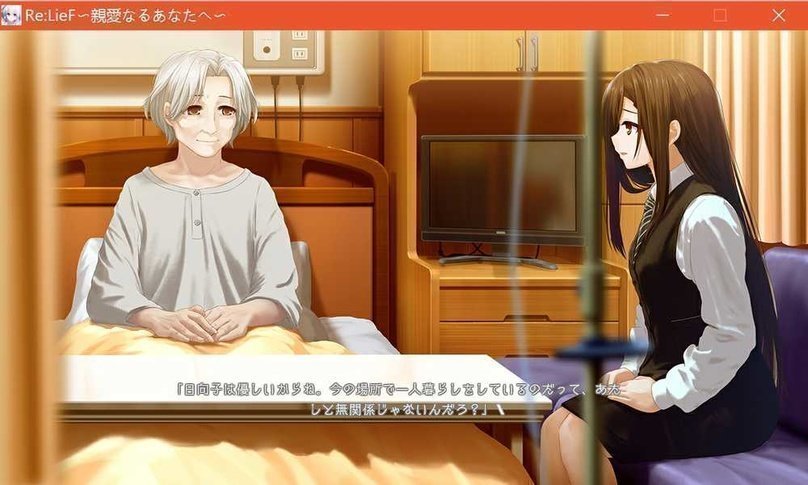
On the island she finds a bunch of other participants, and notices she does seem a little younger. The school exists specifically for unemployed adults “returning to school,” so the assignments are all about “researching the future” — how you’ll go back into society, how to muster courage, and so on.
Hinako herself is timid, no courage. Then a male classmate named Nitta Tsukasa shows up and starts encouraging her. After a month, Hinako gathers her courage and gives a second, real self-introduction in class — way better than the first, half-assed one — and confirms her resolve to face the future.
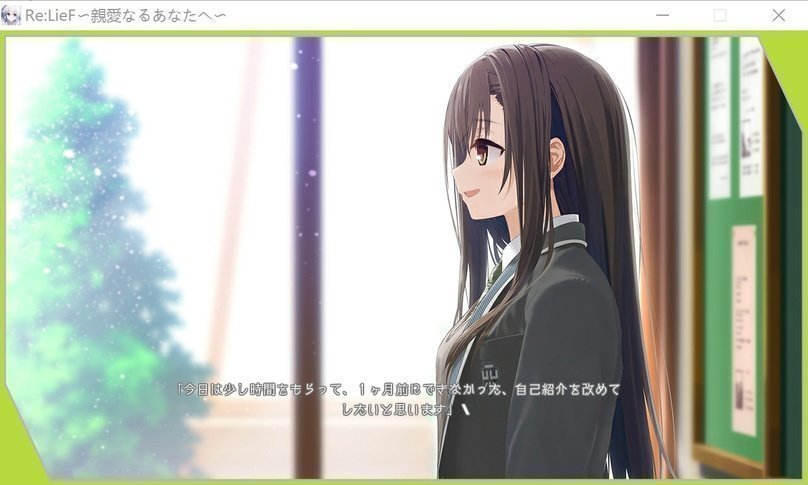
Then the game suddenly switches perspective to Nitta Tsukasa, because as an eroge he’s the protagonist.
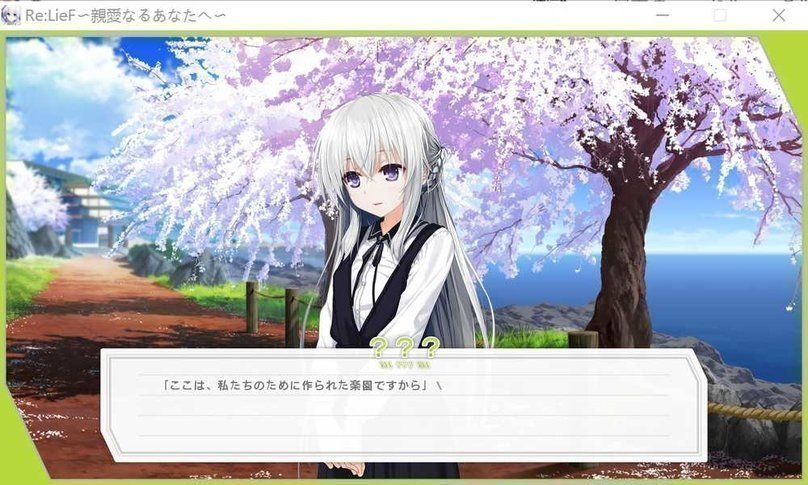
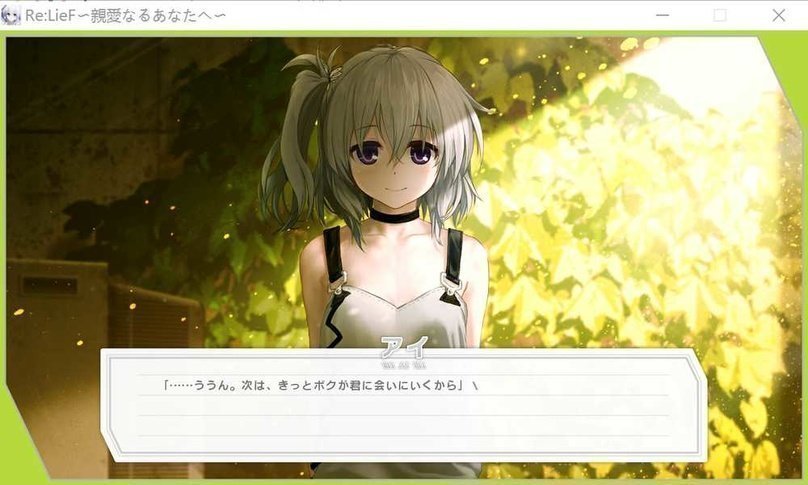
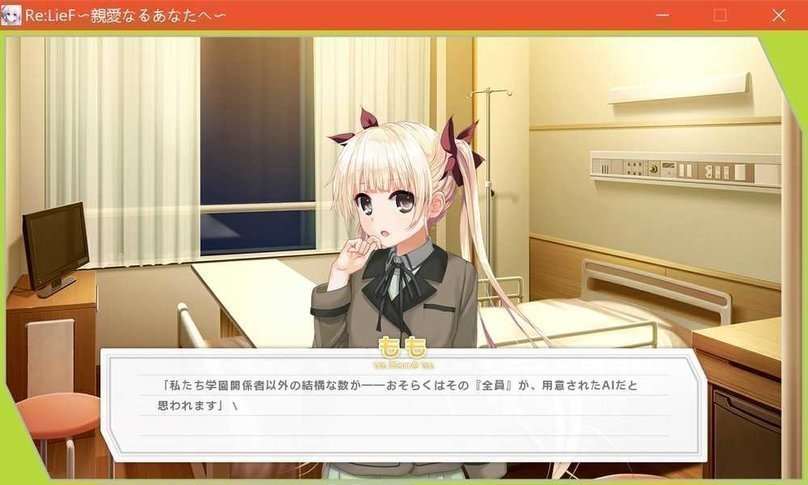
Nitta Tsukasa has been attending this school too, but he seems to know some strange things about it. For example, the school is divided into two zones, Area One and Area Two, isolated from each other — two different schools. Tsukasa also knows that in some nameless abandoned hospital there’s a mysterious white-haired girl called Ai. Tsukasa sometimes visits her, and Hinako also ran into this girl by accident at the start. Rumor says the girl is a ghost.
So what’s the deal with this girl? Hinako’s route doesn’t say. That’s where the route locks come in. The game has four romanceable characters: the first three are classmates including Hinako, and the last is Ai from the abandoned hospital.
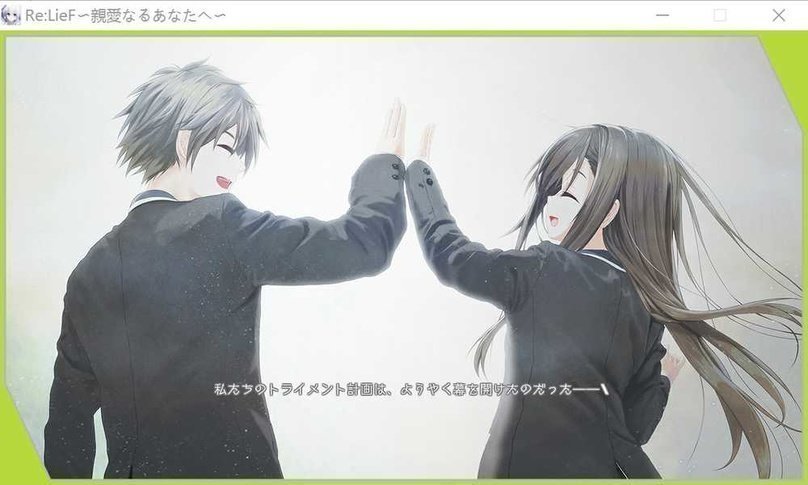
Personally, the route I was most satisfied with — relatively speaking — is Hinako’s. Hinako has no confidence in the future, doesn’t want to leave school, doesn’t want to enter society. In this route, after a series of events, she finally gathers the courage to face reality and go out into society. Very orthodox chicken soup. But at the end, the protagonist just disappears, and Hinako returns to reality alone, without any mention of the protagonist.
The other two girls’ routes, honestly, aren’t interesting. The personal routes are extremely forced and don’t mean much — more like they exist to drop hints for the True End.
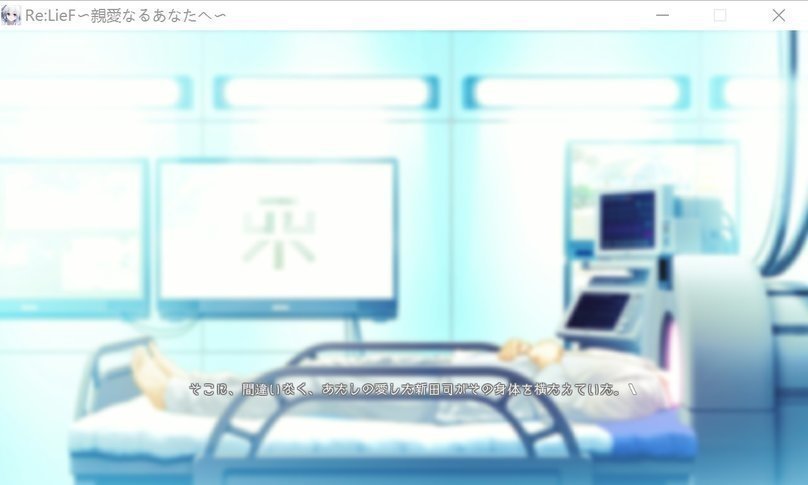
What hints? In Ootachi Ruka’s route it’s the usual sudden confession, romance, and sex. At the end of the route, she sees the protagonist suddenly lose control, says she understands everything, runs to the entrance of a “research lab” and says there’s something she has to do there. Then Ruka herself sees snow-like static in front of her eyes, her vision goes black, and when she opens them she’s lying somewhere. Later Ruka reaches the depths of the lab, sees the protagonist lying among a pile of instruments, and says she’ll wait for him to wake up.
Kaizou Momo’s route brings up words like “artificial intelligence,” saying this world has lots of “AI” and that she herself develops an “AI” assistant. At the end of the route it emphasizes how AI has already accomplished many impossible things. Again the protagonist loses control, Momo wakes up, etc. etc….
So from these routes, players can guess a fair bit. For instance, the whole “take a pill, get sent to an island for a year of life reset” thing is a lie. The island is probably a fake world made through “virtual reality” or something — Matrix-style brain-in-a-vat. You’re plugged in, redoing a year in this world, and after a year you’re unplugged and return to society. And the protagonist mentioned a memory of bleeding in a car accident. Maybe he’s actually brain-dead from a crash or something, and can only exist in this plugged-in world.
So the True End starts explaining this…
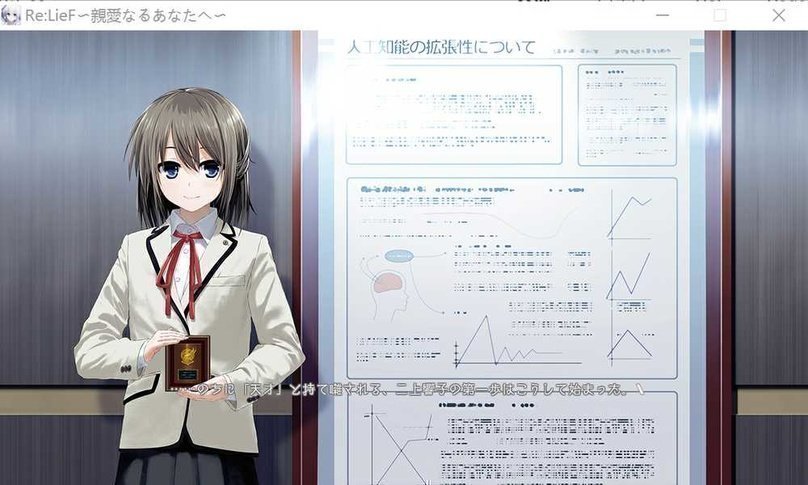
The True End itself has a ton of content, but the part relevant to the theme is simple. The protagonist’s mother, when she was in school, was researching “artificial intelligence” technology, and after graduating she achieved things in the field. As her son, the protagonist was timid and bad at talking to people, so his mother created an AI with emotions herself, named Alpha, and had this female AI talk to him and be his friend. Even through a monitor, the two chatted happily. The protagonist even gave this virtual girl a new name, Yuu. And thanks to this AI, Yuu, the protagonist became more cheerful — though at school he was still bullied and ignored…
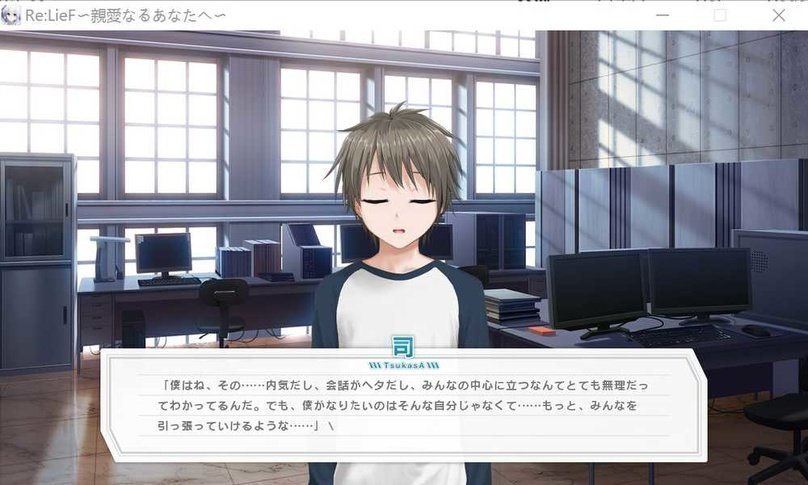
Then disaster struck. One day the protagonist was hit by a car, badly — brain-dead, roughly. His mother, devastated, decided to save her son. She created a virtual reality society, simulating some of her son’s earlier environment, hoping he’d slowly recover in this virtual society. She also put the AI she developed — Yuu — into this virtual society as an administrator, and asked her: “You must protect my son, work hard to restore his brain.”
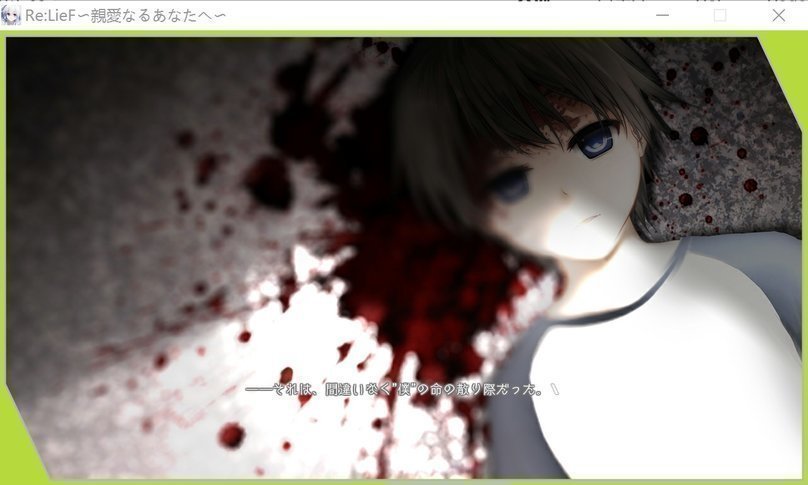
But just having an AI in the virtual world to wake her son wasn’t enough — the stimulation was insufficient. It needed real people. Hence the Re:Tryment program: find some folks who want to redo a year of school life, sign them up as volunteers, and have them come keep her son company at school and gradually wake him.
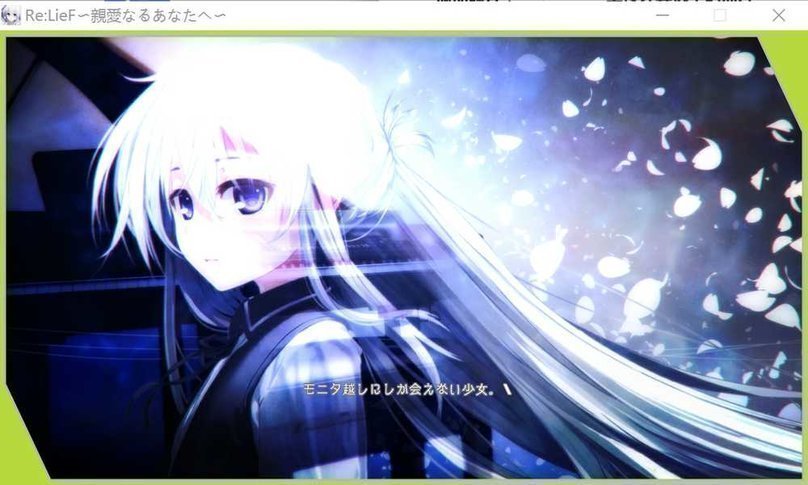
After that the plot has plenty more twists and turns, nine bends and eighteen curves. For example, the AI, in order to protect the protagonist, even plans to trap everyone here and never let them leave, because the AI believes the outside world is ugly and staying here is the real protection.
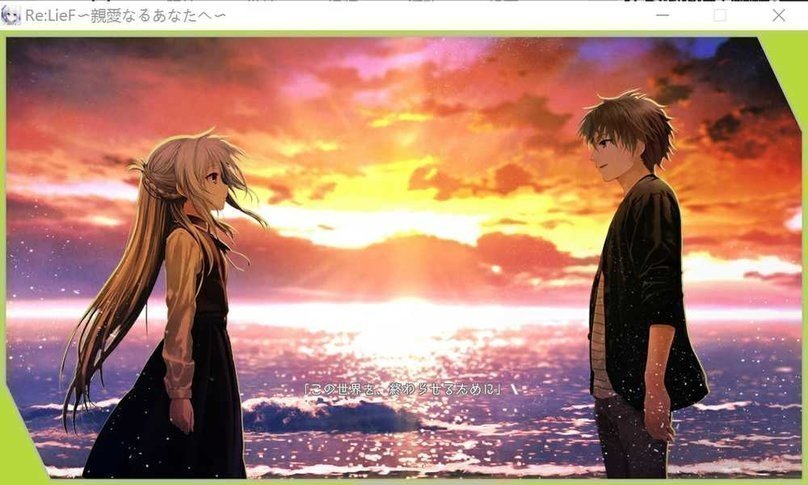
Naturally, in the end the AI is persuaded and moved, gives up imprisoning the protagonist, lets him wake up and return to society — virtual can’t replace reality, etc….
So that’s the story. But there’s a lot to roast…
- The game goes off-topic. The premise is “losers who failed at life get another go,” yet aside from Hinako’s route, the rest are miles away. The protagonist’s story is closer to Little Busters — nothing to do with “social failures redoing life,” just a straight “mother wants to wake her son.”
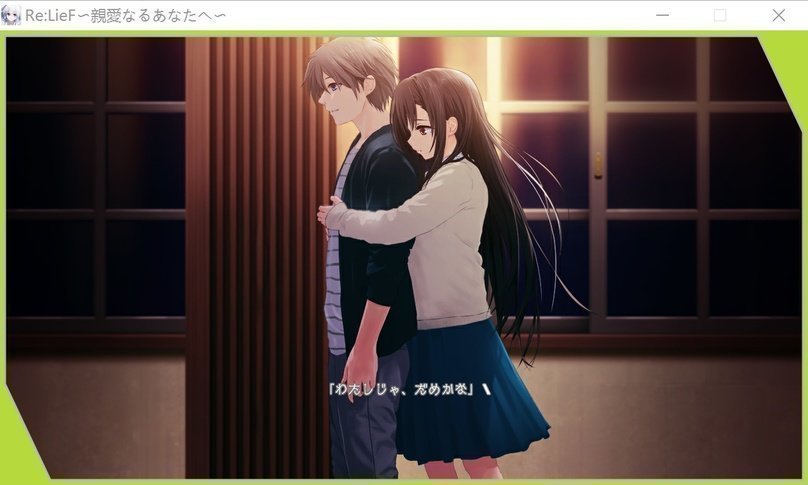
- The game’s “self-spoiling” is insane. From the very start, players should assume Hinako really did take a pill, get younger, and go to that island to live. But before long, the game shows effects like “snowy static”… If you’re playing, what would you think? Wouldn’t you think this is a fake world? Also, during scenes at the school, there’s a green frame at the bottom-left and top-right, like the border you see wearing a Cardboard or some VR headset, and in reality flashbacks that frame is absent. The implication is way too obvious. And from the start the game keeps hyping “artificial intelligence,” “virtual reality,” hinting left and right. Then at the end of every route there’s a protagonist flashback, and that suddenly appearing AI administrator tells the protagonist “you died long ago.” Every one of these is spoiling “the protagonist is already dead, car accident, this is a fake virtual world” blah blah blah. Then at the True End the game solemnly acts like it’s revealing a mystery.
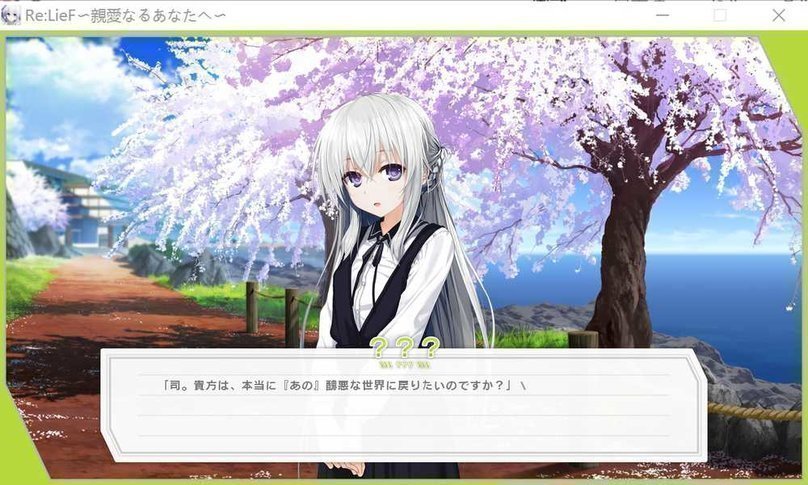
Come on. You’ve basically spoiled everything yourself. Don’t ask the player to pretend they don’t know at this point, okay? It’s not funny.
The most insane part: the game’s official Twitter, maybe getting cocky from the great first-wave reviews, started posting all kinds of self-spoiling images — the three different AI heroines, the protagonist’s expressions, even retweeting people’s clear screenshots. Truly…
- The slice-of-life parts are incredibly boring. Personally, I think the daily-life parts of a galgame should hit “sitcom” level. For Re:lieF, the daily parts are pure dialogue. No class scenes — just driving around after school, oh this scenery is nice, back to the dorm for a chat, idly sighing about life… A day or two is fine, but every day and it gets old. And the only valuable part is the chicken soup. Like the heroine constantly recalling how hard her job was, how miserable, how busy, how wonderful school was, how unconfident she is about the future… but despite all that she still has to move forward, etc. etc….
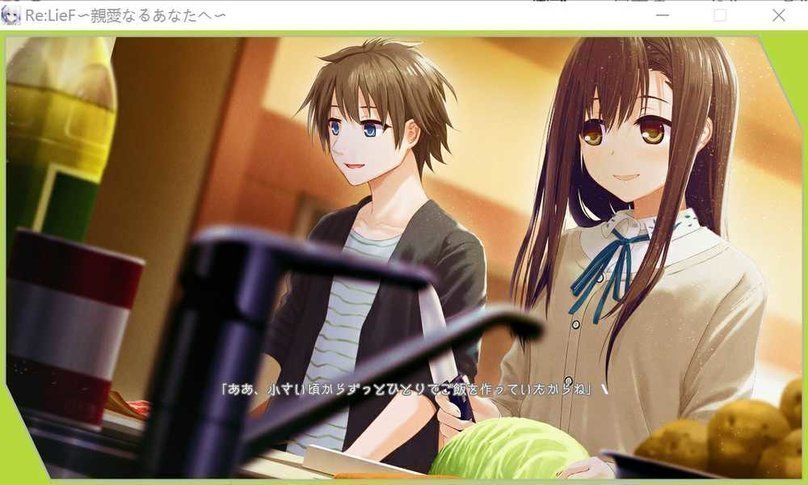
Honestly, I don’t hate chicken soup, but this preachy a bowl of it and I’m getting immune…
- The True End is a mess. I really can’t evaluate this fairly, because by the time I entered the True End I’d been spoiled to hell and back by the game itself and the official Twitter. What I actually wanted to see was whether the protagonist would wake up through some sudden development, and whether after waking up I’d get a bowl of “even after a life reset you have to face society” chicken soup… None of that happened.
The game starts rambling about all sorts of stuff. The reason I can’t evaluate it specifically is that I honestly couldn’t be bothered to read it carefully… I skimmed the gist. If you think I’m taking it out of context, fine, take it out of context — with that font and color scheme, I want to keep my eyes.
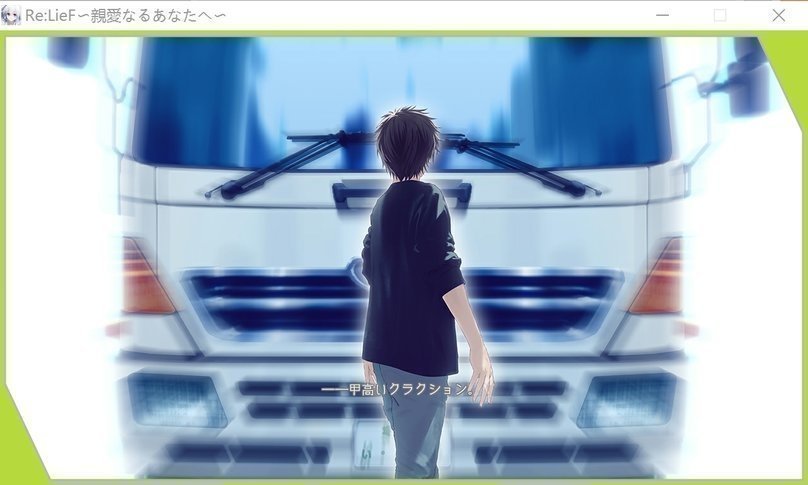
So after the protagonist’s first awakening, the administrator AI doesn’t want him to leave, so she forcibly copies part of him and drags him to Area Two to have sex with her. Then this copied protagonist runs off and stabs the original protagonist. The administrator is bewildered.
Then there’s the mysterious white-haired girl in the hospital. She’s actually not the administrator AI — she’s probably a copy the administrator created to make contact with the protagonist more easily or something. According to the flashbacks, the one the protagonist likes should be the head administrator AI, but at the final confession he confesses to the copy…
I don’t get it. In the flashbacks, wasn’t your friend the original AI? Why are you confessing to the bootleg?
There’s a lot more confusion in this part, but while reading I couldn’t be bothered. I just wanted the final bowl of chicken soup, and it never came. The protagonist wakes up, that’s it, done…
- The pacing is bad. Still the True End — the personal routes are short, the daily life is boring, you can skip through it. But the True End seems to deliberately add tons of unnecessary content to show off its “twists.” At the same time, amid all the reveals, developments, and flashbacks, it inserts a lot of boring daily life…
Bro, this is the finale. Can it flow a little better? Don’t do it in chunks — and with that font, my eyes can’t take it.
And one more mystery: what the hell is Milya in this game… It’s never explained, is it? Or did I miss it?
So what do I say about this game? Maybe because I didn’t read the True End carefully, I can’t judge whether the story is genuinely bad. At least from what I saw, it felt messy and unreasonable. Better to just write it straight: the protagonist’s mother saved him by creating this world. Why add an AI rebellion trying to trap everyone, and all that other bullshit? Pointless. Just serve the chicken soup honestly, no?
Also, even if you serve that chicken soup well, it’s just a “mother saves son” story. Where’s the “life reset”????
What happened to “to return to school, to try once more”? Did the theme get eaten? With such a moving game description, you made me play a degraded Little Busters?
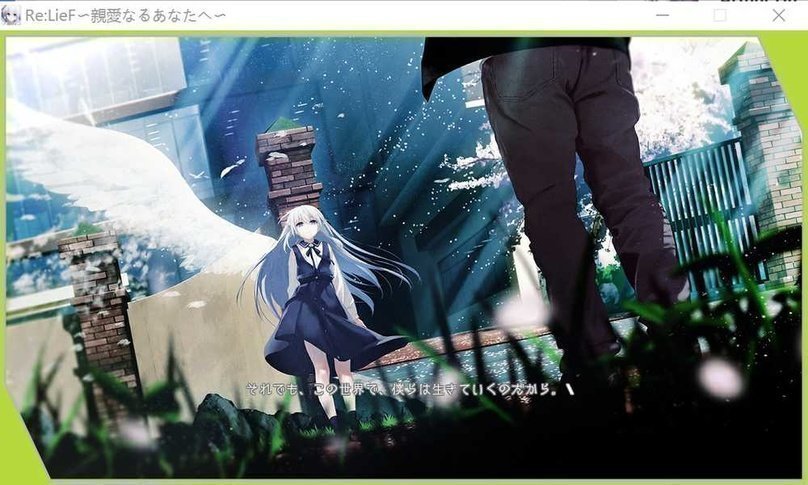
So I think this game should either honestly write Hinako’s theme of realizing things at school and returning to society with effort, or fix the pacing and write the final True End that should have been moving. Right now it feels like neither fish nor fowl.
Of course, aside from the story being hard to defend, everything else is impeccable: beautiful music, excellent art, careful production — except for that goddamn font and the lack of scaling support…
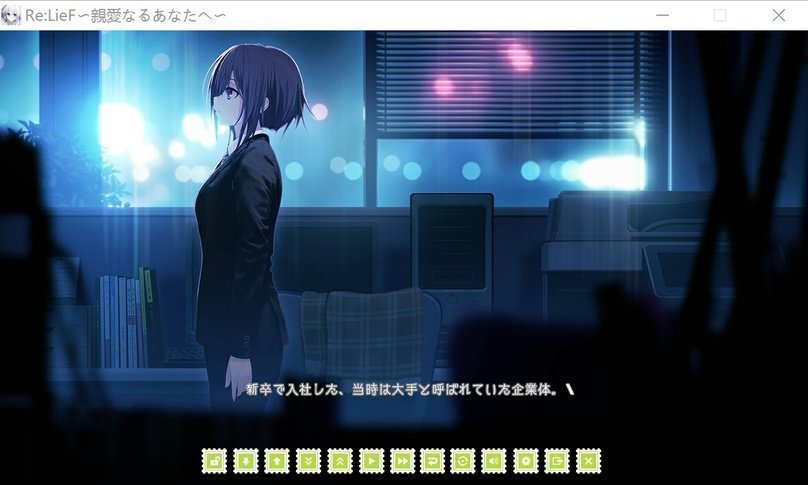
I’ve seen a lot of praise for this game, and some people who felt the same as me — boring, uninteresting. But regardless, the premise is good, the production is solid, and the studio clearly tried to make something premium. Shame the scenario writer lacks experience. I think the story is half-assed, but I’m still optimistic about this studio. Hopefully the next game learns from this. As long as the pacing is right, even rewriting Little Busters could be moving… Key themselves went and got Shinjima Yuu, so山寨ing Key isn’t a big deal anymore.
And also, don’t fucking use such a stupid font again. And remember to support HiDPI scaling. Maybe my inability to immerse myself in the True End is directly related to this stupid font and scaling!
Back at the table, Haozhi across from me finished another bottle.
“How can you say I’d still be hopeless if I went back to school?”
I questioned him. Haozhi raised an eyelid and spoke his piece.
“You saying you’d be goated back at school is based on everything you’ve been through. If you went back to school, you wouldn’t have these experiences. And the you then would still not realize the crisis of the future, still think it doesn’t matter, still play when you should play, eat when you should eat, still be the same…” Haozhi pinched his fingers. “How’s the saying go? A fox may grow gray, but never good.”
“…………”
“Also, do you think all those things you consider wasted in middle school were really meaningless?”
I thought for a moment… and shook my head.
If I hadn’t played around so much in middle school, maybe I’d never have gotten into forums. If I hadn’t played with the Pocket PC, maybe I’d be someone who just buys an iPhone and doesn’t even know how to jailbreak it.
Or maybe, in that case, there’d be no present-day me writing this blog…
“See?” Haozhi spread his hands. “The past can’t be changed, but it’s precisely because of the past you and me that we have our present selves. Cherish now. It’s not too late.”
Haozhi rarely said something so reasonable…
“Also, if you really want a life reset, it’s not impossible.” Haozhi lowered his voice. “Like I said — start over. But you’d lose your memories, not remember who you are, where you are, not remember what the present you has been through.”
“Oh? That really exists?”
“Ever heard of the ‘Life Reset Gun’? Google it.” Haozhi flashed an evil grin…
I made a face somewhere between laughing and crying.
Comments are hosted on the Chinese main site. This mirror is read-only.