Amenity's Life Review
Nobody Likes Serious
For a lot of people whose entire knowledge of Japan stops at the Second Sino-Japanese War and at the level of Aoi Sora and Matsushima Kaede, the impression they have of the country is basically this: “perverted,” “off-the-wall,” “all kinds of fetishes,” “twisted,” and so on and so forth.
It’s not hard to see why. At least in mainland China, the Japanese social news you come across is nothing but some foot fetishist sipping a Coke while licking a stranger’s feet for 30 minutes, some ear-cleaning massage parlor, all sorts of weird services, those utterly pointless but deeply disgusting otaku fleshlight things, people who eat a girl’s shit, people who drink her holy water, and on and on…
By any reasonable standard Japan should be a country with very strict moral restraints, but that’s exactly why people cut loose harder when they do…
Then again, is anywhere else any less twisted? I flipped through mainland social news and there’s no shortage of twisted stories. I know a girl I went to middle school with — she posted on social media that she ran into a purebred “foot fetishist” on the streets of Zhengzhou, who politely asked to photograph her feet specifically… and to kiss them… and she said yes.
Hard to say whether that’s real “twisted” or “perverted,” but my point is that these people who clash so hard with social norms exist everywhere in the world. Japan just likes to drag them out under the spotlight.
“Otaku” and “ACG” culture have seemed stuck in the swamp of “pornography” from the very start. Most of the content is about sex, even though most of the people consuming it have never had any… so the impression they give others isn’t great either. Which is why when a classmate introduced me to someone, they’d add helpfully, “Don’t worry about him, he’s a 2D person, he’s not interested in you.” and I’d sit there dying inside.
Thanks to the bigger imagination that ACG culture spawned, Japan has a fun hobby: “moe-fication” and “girl-ification.” Can’t find a girl? Just turn the stuff around you into girls. Trains become girls — when you ride the train, it’s like you’ve entered the girl’s body. Pens become girls — when you grip the pen, it’s like you’re stroking the girl’s slender fingers… Cola becomes a girl — when you squeeze the bottle, it’s like you’re caressing black tights. Pocari Sweat becomes a girl — when you… okay, never mind.
So whether it’s Anime, Comic, or Game (though the term ACG probably wasn’t coined by the Japanese — they say マンガ, not Comic), there’s always a game where some object gets turned into a girl and becomes the protagonist. Especially in visual novels. I’ve seen an alpaca turned into a girl, a whale turned into a girl, a robot turned into a girl, a camcorder turned into a girl, a train turned into a girl, a cursed sword turned into a girl, not to mention all the non-human ghosts and gods… and animals and whatever else. So at this point, if you told me there’s a game where a girl is a smartphone turned human, I wouldn’t even be surprised.
Honestly, it feels less like surprise and more like “well, obviously.” I stroke my phone for half an hour every day. Was I subconsciously treating it as a girl all along?
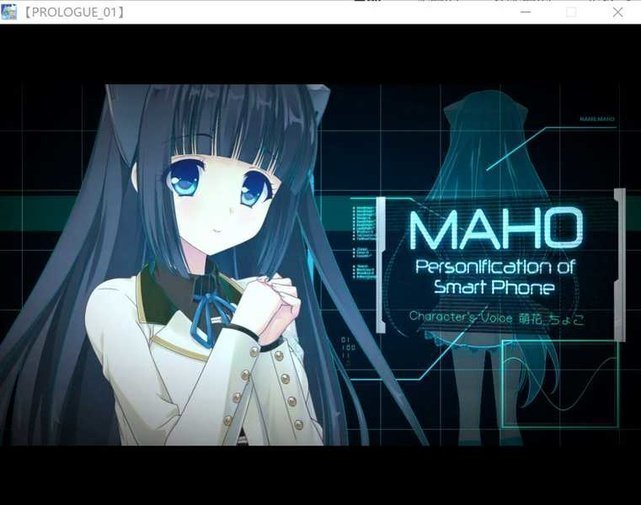
But the company behind this smartphone-girl premise is HOOK, which makes it interesting… HOOK has several brands putting out different games, including SMEE and Asa Project, and their 2016 releases all crashed and burned, as far as I’m concerned. Staircase Girlfriend and that love triangle one both felt like regressions. So HOOK’s own release this time also stopped playing by the rules, which leaves me with complicated feelings.
My impression of HOOK is, how to put it… very girly? Very traditional? Most of their games chase “cute girls,” “pure love story,” “school romance,” putting effort into the artist side and then just phoning in the scenario. The kind of thing for fragile-hearted otaku to hug their game girls and call them wife.
But then HOOK’s last 2016 release was a game called Amenity’s Life, and it immediately made me fertili— oh, I mean startled.
Two reasons for the fertil— oh, I mean startlement. First, the art. Motherfucker, you’re telling me this is HOOK? This isn’t drawn by the SMEE crew? It looks completely different from previous HOOK games. Did all their artists jump ship? Or get poached by Alcot? It looks a bit better than SMEE’s 2016 release, but it’s still way off from HOOK’s old style…
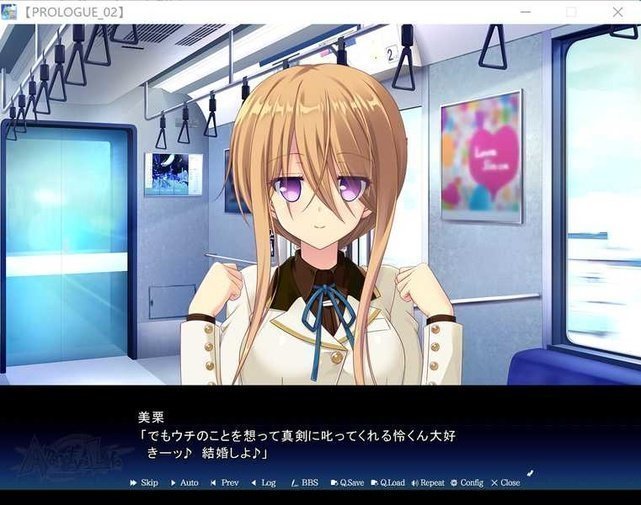
Second reason for the fertil— oh, I mean startlement (god damn this stupid meme-face IME of mine) is the story: it just straight-up sets up that all the household appliances in the protagonist’s home have turned into girls, and the whole cheerful life unfolds on that premise. This kind of batshit premise is usually the domain of doujin circles. How does an established company like HOOK end up doing this? Again, not playing by the rules!
Because of all this, I went into the game thinking “HOOK and its other brands are done for,” and then after finishing it, I got slapped in the face…
The game exceeded expectations. Actually, it blew past them. Sure, it looks completely out of place next to previous HOOK style — it should honestly have the SMEE label on it.
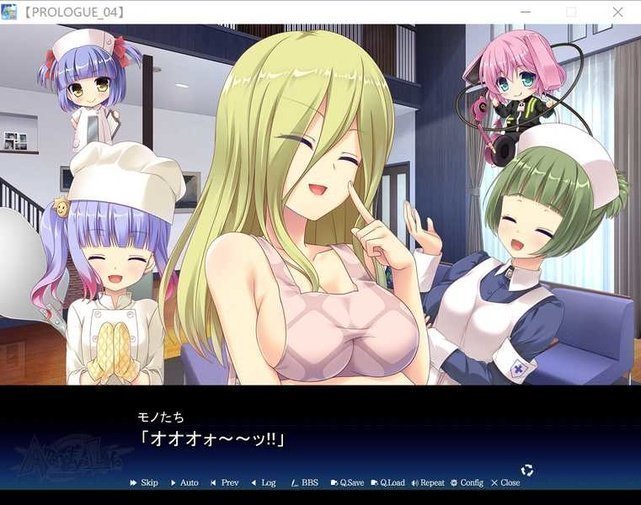
The story is exactly what the blurb says. The protagonist wakes up one day to find his smartphone has turned into a girl, and then discovers his chair, his oven, his first-aid kit, his thermometer, his robot vacuum… all turned into girls.
And not just those. On the way to school, the blackboard eraser at school has turned into a girl too…
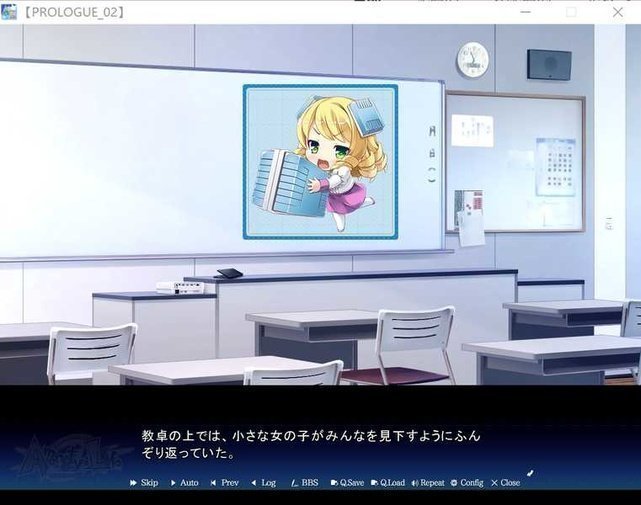
The protagonist, completely bewildered, just quietly accepts the premise, and then the cheerful life begins.
Yes, cheerful life. The theme of this game is “cheerful.” The word Amenity suggests being served comfortably — as if the point is “the protagonist gets pampered by a harem of girl-ified robot vacuums and phones and ovens” — but that’s not actually what the game is about.
The structure is classic SMEE: chapters plus gag scenes, and the gags are high quality. There are dirty jokes, but not as low as SMEE’s. When a chapter ends, you pick a chapter for a heroine or side character, each pick adds a heart, and once you fill the hearts you can enter a route.
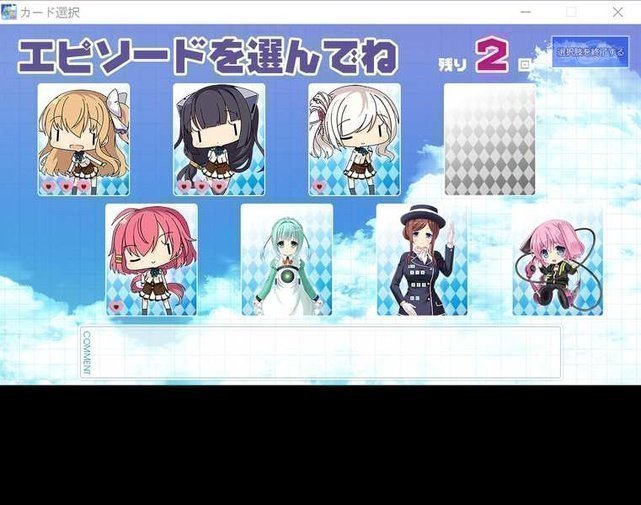
The game is published by HOOK, and even though the content is pure SMEE formula, HOOK didn’t forget to add its own thing. First up is the built-in BBS system — something that appeared in earlier HOOK games too. It’s the school’s internal message board, basically an A-board/2ch/K-board type of place, and the chatter in there is genuinely funny.
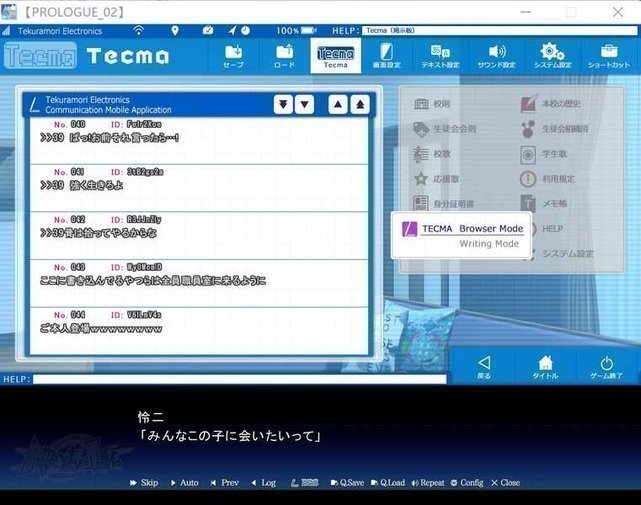
Most of the content relates to the story’s progress. For example, when the protagonist and his buddy are deadpanning dirty jokes in class, someone on the BBS is discussing how gross the two of them are. When the teacher is ranting in class, someone on the BBS is discussing how much of an idiot the teacher is. You can also catch the nicknames people gave the protagonist and his smartphone Maho (read as マホ, matching スマホ / Smartphone). The interactivity is strong. Honestly, earlier HOOK games had this system too, but since their dialogue was so watery, the sarcasm of the BBS narration never landed hard.
The gags are good, but the delivery still depends on the voice acting.
And for Amenity’s Life, the voice acting is genuinely excellent.
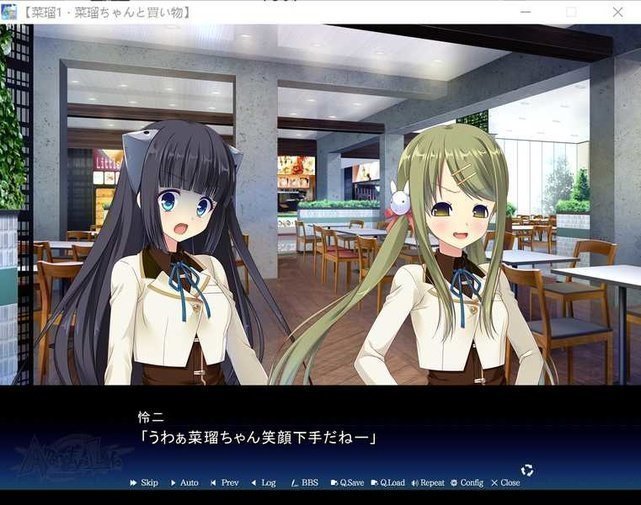
The smartphone Maho is voiced by Moeka Choco, using the rare calm voice she used for the heroine of Subarashiki Hibi — wait, no, of Sakura no Uta. It instantly cranks up the phone’s moe level, though most of the time I have trouble seeing her as a phone… except when she says she likes eating power bank electricity because it’s sweet (…).
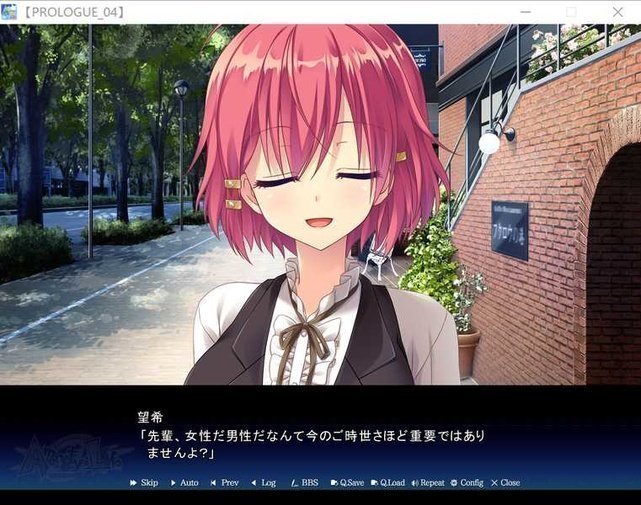
The game’s female prince, Nozomi Toudou, is voiced by Kusuhara Yui (Ishihara Mai), and it’s worth noting that Kusuhara Yui didn’t use her worn-out voice this time — she used a more neutral one. God damn, this is the first time I’ve heard it… I was starting to think Ishihara Mai only had that one voice…
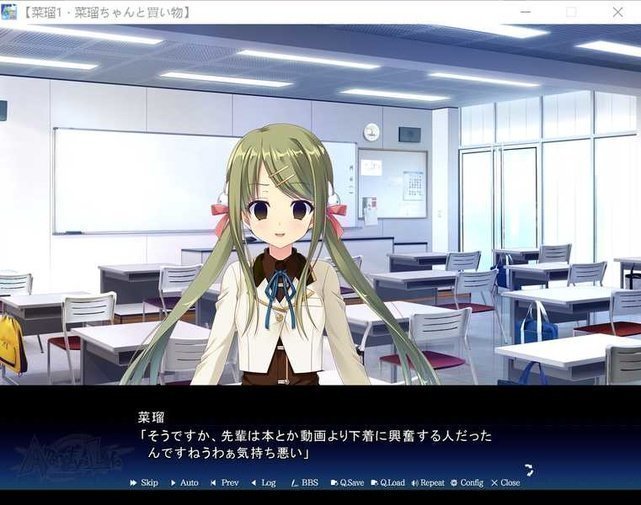
The most important character is the protagonist’s buddy’s little sister, Kayama Naru, voiced by Uehara Aoi (Fukada Mei). As the most expressive character in the game, she carries half the comedy on her back, and as the game’s tsundere, she anchors the story’s engine. Wherever the little sister shows up, something interesting happens — from the common route to the final relationship, it’s all carried in a relaxed atmosphere.
Honestly there’s not much to say about the main story… it’s light, entertaining, funny, and nothing more.
Right, nothing more. And that’s exactly what makes the game good.
If you’ve played other “anthropomorphization” games, you’ll notice they all fall into the same weird trap: they try to rationally explain the anthropomorphization premise. Whether it’s explaining why it happened, explaining how they fall in love afterward, or even — what the hell — explaining how they have kids afterward, which drags the second half into an awkward spot: comedy opening, tragic tearjerker ending… Maybe some people like that formula, but it’s too serious. Sometimes we do need a coherent, rigorous story, but if you’re already doing comedy, why force it toward rigor? You end up with the worst of both worlds.
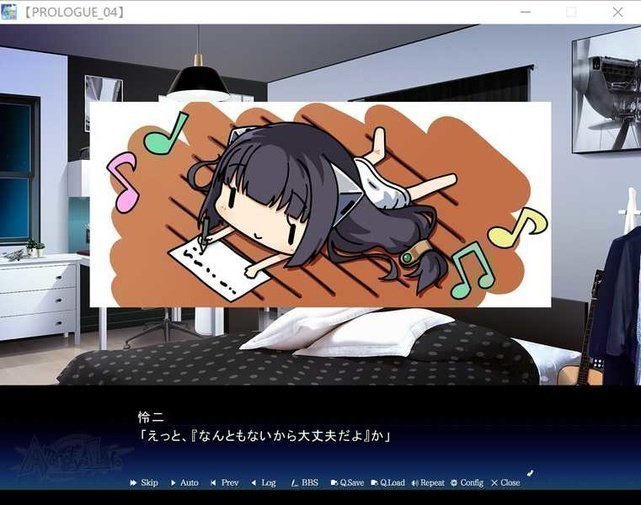
For Amenity’s Life, it’s one sentence: who gives a fuck about explaining, just do the comedy.
Amenity’s Life tells you upfront that the household appliances are anthropomorphized, then launches straight into a fun comedy on that premise. Everyone around accepts it cheerfully, nobody dwells on it, and the story puts its focus on dialogue and gags. The gag quality is high, the voice acting crushes SMEE’s release this year, and it’s about the level of a good four-panel comedy manga, with the BBS as backup. Hard to imagine anyone finishing this game and feeling unhappy.
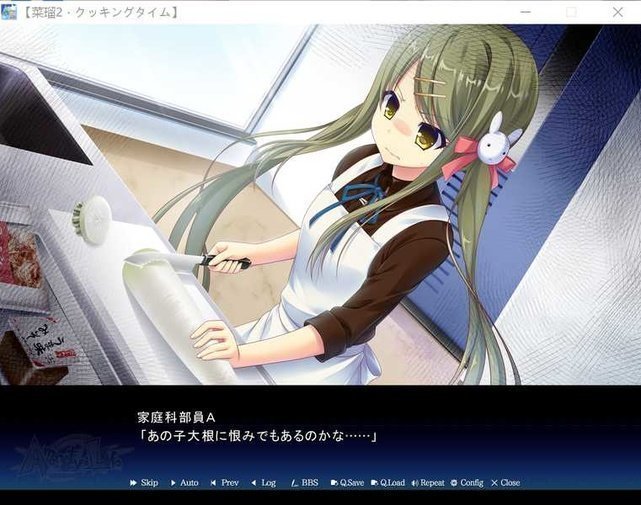
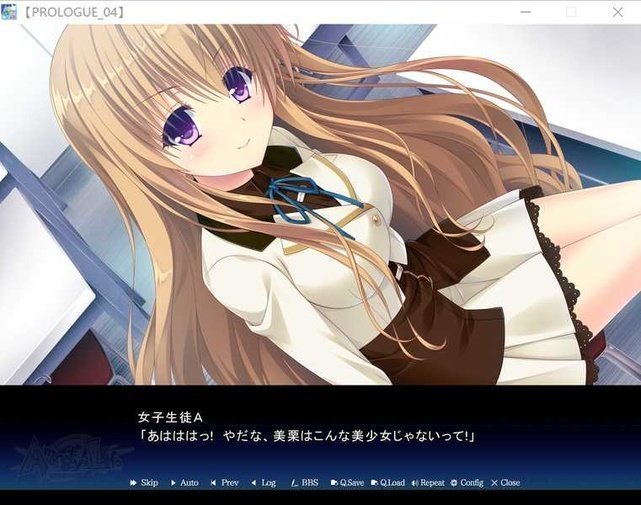
Thanks to the voice acting, most characters are sharply defined: the childhood friend has no shame, the phone Maho is cute and innocent, the buddy’s little sister is a deep tsundere — they deliver exactly what the game needs, and then some. After the confession, the game still sticks to light romantic comedy, one style carried through to the end. In today’s environment where Japanese visual novels all desperately try to be serious, this game is genuinely rare.
So now things look awkward. Last year Asa Project tried to mix a love triangle and more romantic feeling into its comedy route, and it turned out boring. SMEE tried to add pure-love first-love progression into its comedy route, and the second half still turned out awkward.
Instead, HOOKSoft cut away all the other bullshit, kept only comedy and lighthearted fun, and focused on making one game. It makes you go “ah yes, this is the flavor.”
Of course, it’s not HOOK’s flavor — it’s more SMEE and Asa Project flavor — but who cares. Same parent company.
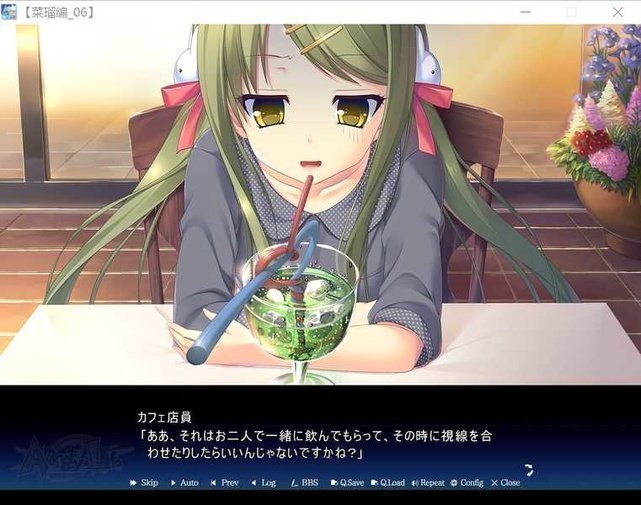
Looking back now, it feels like HOOK, the big brother, watched his two little brothers put out half-baked games, felt embarrassed, and stepped in personally to teach them how it’s done.
Which also makes one thing clear: if an eroge wants to go the lighthearted route, then go all the way. If it’s a comedy, why force a bunch of big life lessons at the end? Are you sick?
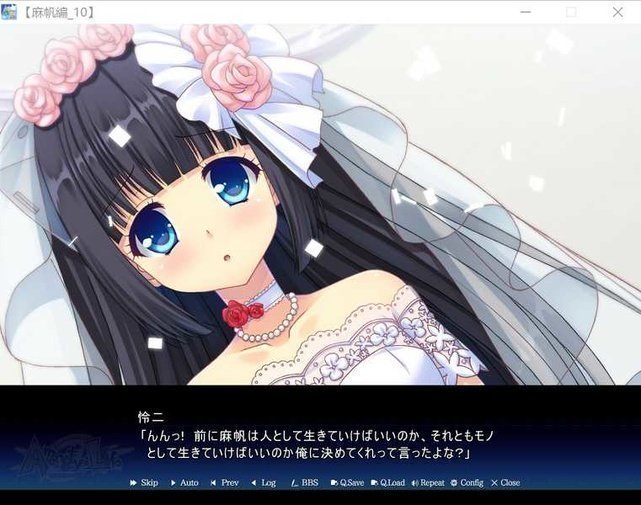
Life is already this hard. Living is already this painful. Deep at night, looking up at the stars, peeling off layer after layer, exposing your true self, after touching the root of life and releasing the gloomy essence of life, in that brief sage time, we finally think seriously…
Other than that — why so serious? Why so serious? A little fun is probably better.
Comments are hosted on the Chinese main site. This mirror is read-only.