Majo Koi Nikki Dragon×Caravan (魔女こいにっき Dragon×Caravan) Review
Is the So-Called 'Love Diary' Just the Eroge That Fickle Otaku Buy?
Majo Koi Nikki (魔女こいにっき) left a hell of an impression on me last year, for two reasons: the story itself, and the way it’s told.
The structure is pretty intricate. First, there’s a timeline spanning hundreds of years inside the game. Then there’s a story-within-a-story setup—and the kicker is that the whole centuries-long timeline is itself a story inside a story. In reality, all those tales are just phantoms.
The ending made me want to curse someone out. The protagonist goes through hell to achieve a genuinely moving HAPPY END, and then the TRUE END drops a few lines telling you it was all fake, all just a story, and the real protagonist is trapped forever in the witch’s curse with no escape. A lot of people promptly turned on the scenario writer Shinima Yuu, calling him a bastard who’s out to screw players over again, blah blah blah…
Then, not long after the game’s release, a PSV port was announced: Majo Koi Nikki Dragon×Caravan. Along with the port came news of two new scenarios—one upgrading a heroine to a romanceable route, and a new chapter called “The Passionate Prince and the Little Dragon” (灼熱の王子と小さな竜).
I didn’t pay much attention at first, because for most PSV ports the extra content is irrelevant cash-grab filler. Upgrading a heroine? Seen it a million times—they just cobble together some story to force a route. So I ignored it. Until I saw a Japanese player’s review on ErogameScape that changed my mind. This person said the new PSV chapter wasn’t just random fluff—it was a completion of the original story. The Passionate Prince and the Black Dragon chapter apparently depicts what happens after the original ending, reaching the true conclusion.
That was both expected and surprising. Expected, because Majo Koi Nikki’s story clearly wasn’t finished—the protagonist was still trapped in the diary, so of course there had to be more. Surprising, because they actually finished the story in the PSV version.
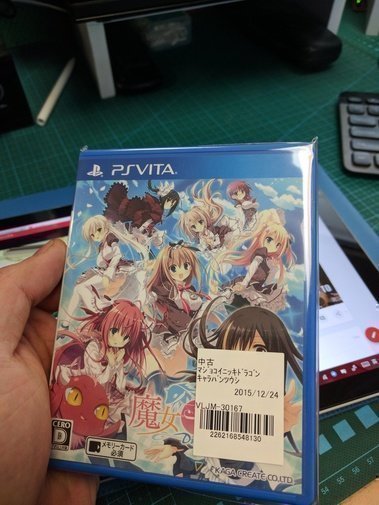
So I started figuring out how to get my hands on it. First I waited for a crack, but unlike the PSV version of Shepherd’s Library, nobody dumped it. So I had to camp out on Surugaya for a used copy. Eventually I snagged one in good condition for a relatively cheap price. Not bad.
Back home, I dug out my long-neglected PSV, inserted the game card, hit the power button, and the game started again.
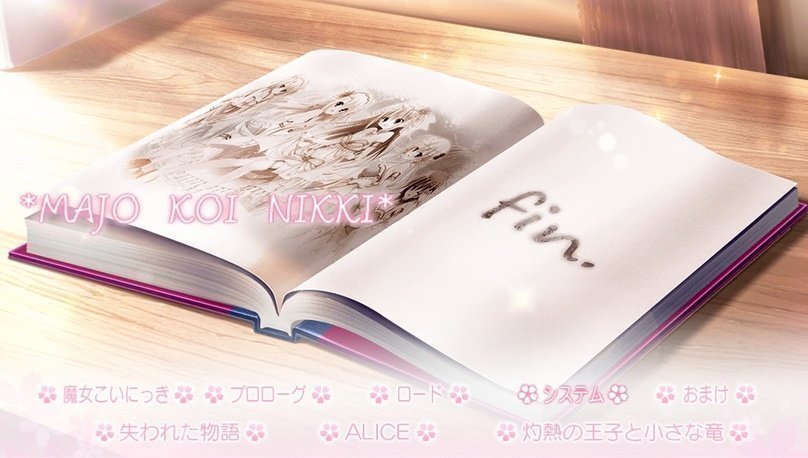
I had no idea until I played the PSV version—Majo Koi Nikki is stupidly long. I fast-forwarded for a full two hours. Absolutely insane.
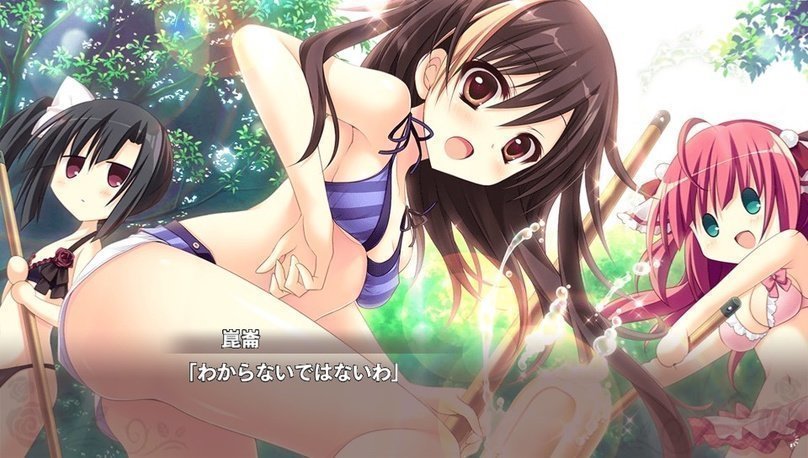
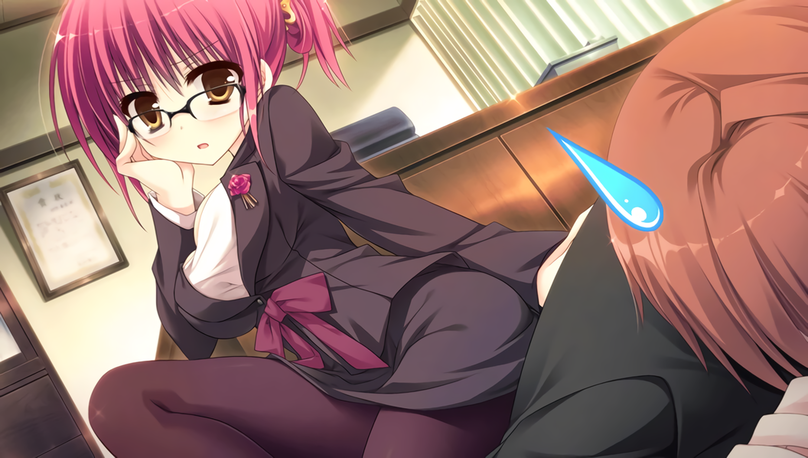
First thing you notice: they removed a ton of HCGs from the individual routes. Expected, since the PSV version is all-ages. Not necessarily a bad thing, because they added some new CGs as compensation. Some of the new ones are pretty good—like Kashiwara Mii (Wang Xiaojie)’s glasses, uniform, and black tights. After clearing all routes except the one where Alice goes dark, you can enter the added upgraded heroine chapter.
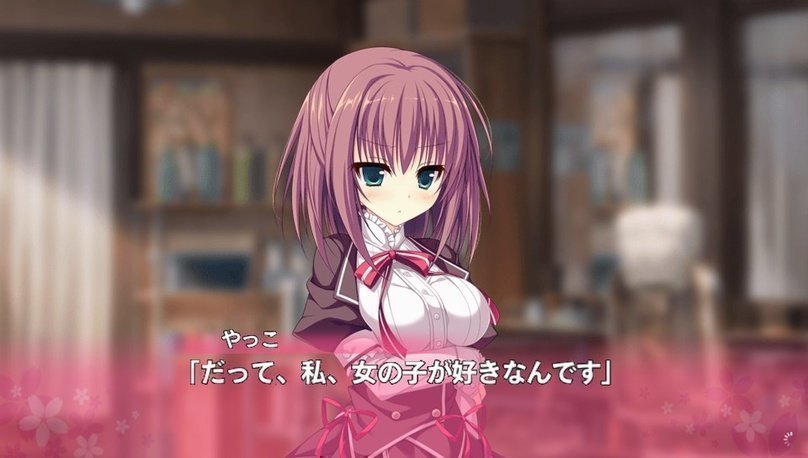
Actually, this chapter is pure trolling… The story has heroine Himuro Yayoi coming to work part-time at the protagonist’s barber shop and starting to fall for him. Of course, falling for him is as far as it goes—nothing happens between them. She leaves after her shift ends, because she says from the start she’s a lesbian, not interested in men. In the end she leaves the protagonist and goes back to her good friend Keiko-chan…
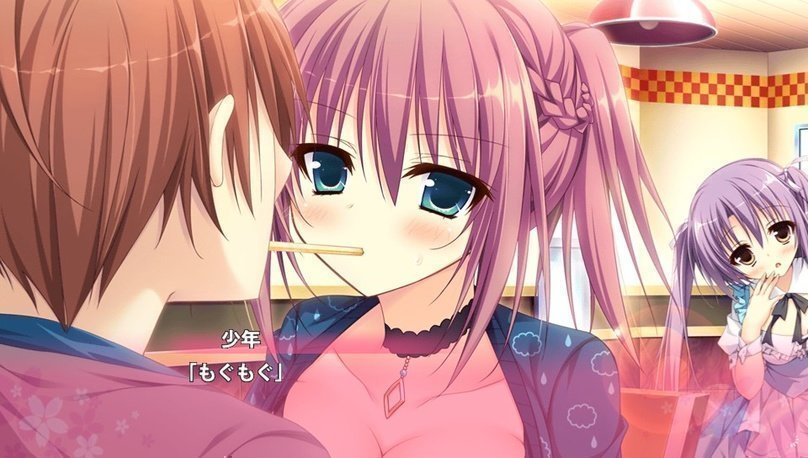
Kinda speechless, right? Not really. You can treat it as a lighthearted comedy slice-of-life chapter and it’s fine. And it’s not completely unimportant—it explains quite a bit. While working at the barber shop, Himuro Yayoi flips through a diary on the protagonist’s desk. The diary clarifies how the protagonist met and fell in love with Alice, how he insisted on marrying her despite opposition from the whole country, and so on. It also fills in some backstory about the parents in the timeline of the elderly Arisu, and the concept that the saintess’s existence is roughly the same as that. So it’s a partial explanation and conceptual glue for the main plot.
After you clear the final route where Alice goes dark—the original TRUE END—the final chapter “The Passionate Prince and the Little Dragon” unlocks. This should be the game’s centerpiece. It’s not short, at least 1.5 times the length of the common route.
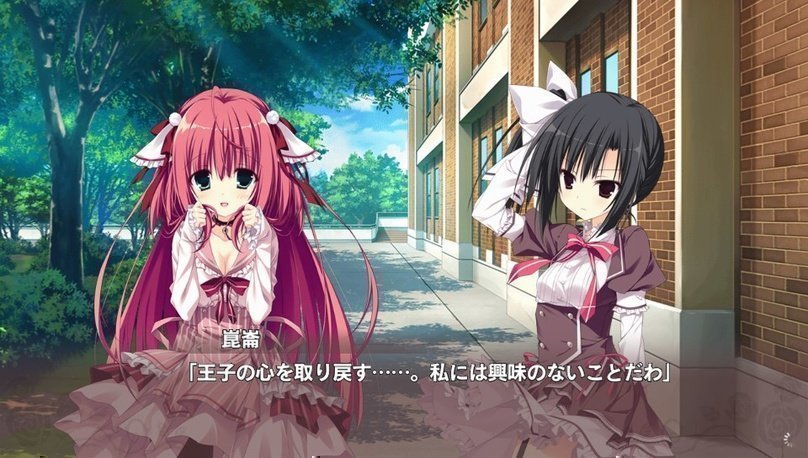
At the start, the heroine switches to Sanada Kanra, a girl who just moved to town with her parents. Her father is a businessman, her mother runs the barber shop—Kanra is the barber shop owner’s daughter. The setup mirrors Alice’s route at the start of the common route exactly: Kanra arrives at school, meets various people—teachers, classmates, the principal—hears about a bell tower at the church with a secret on its top floor, dreams of a woman in black at the top (that’s Alice, obviously), decides to explore, finds nothing, and picks up a book—a book called Majo Koi Nikki, but this one is purple-black…
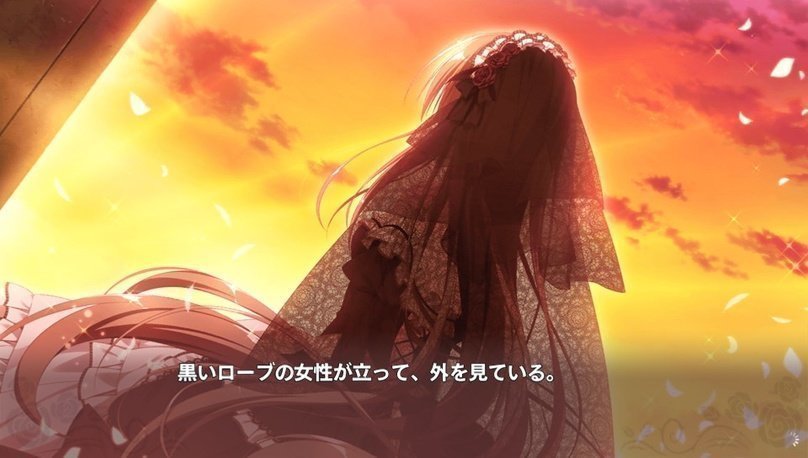
What follows is still similar to Alice’s route. Kanra reads the diary every night and sees the protagonist flirting with everyone—the teacher, the principal, the underclassman, Miss Wang. But the outcome differs from Alice’s route: the novel Alice reads has the protagonist banging everything in the diary, while the novel Kanra reads has him getting killed by whoever he flirts with—stabbed, beaten, shot, etc., etc. Kanra gets curious, asks the people involved, and naturally they deny it. It’s just a novel.
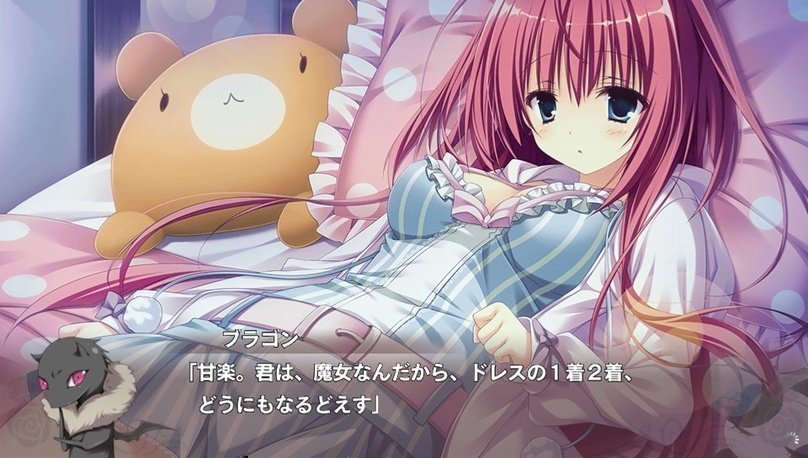
Meanwhile, the biggest beauty salon in Kanra’s town, Cinderella, holds a ball and invites Kanra. At the ball, Kanra meets the town’s handsomest prince (the protagonist), but is told he’s now called the “Passionate Prince” because anyone he touches catches fire. And the prince looks like he’s lost his mind—a bit off, and very despondent.
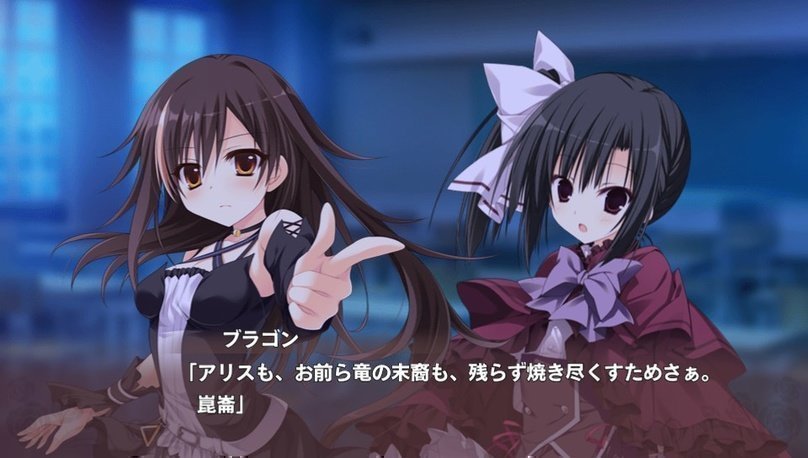
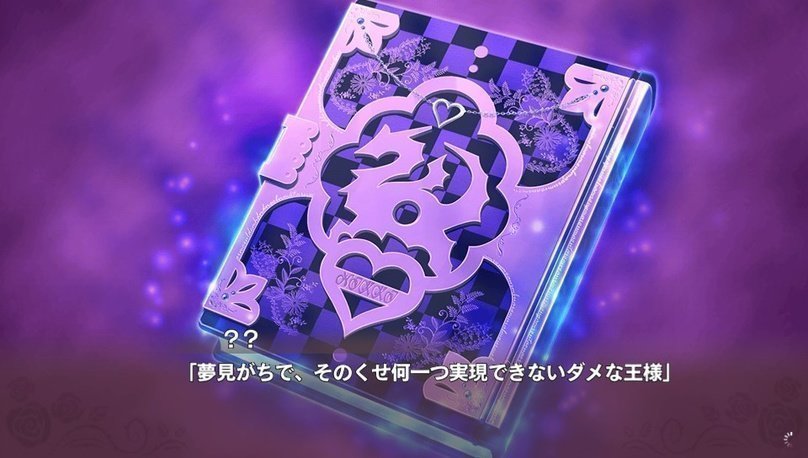
Just as Alice’s route ends with a little red dragon named Baragon popping out to lead her collecting diary fragments, Kanra’s route has a little black dragon named Bragon suddenly appear to lead Kanra in collecting the protagonist’s lost heart from the diary.
The black dragon says the protagonist became like this because he lost his heart, and the diary Kanra is reading is cursed. The original diary didn’t look like that—this is an altered version.
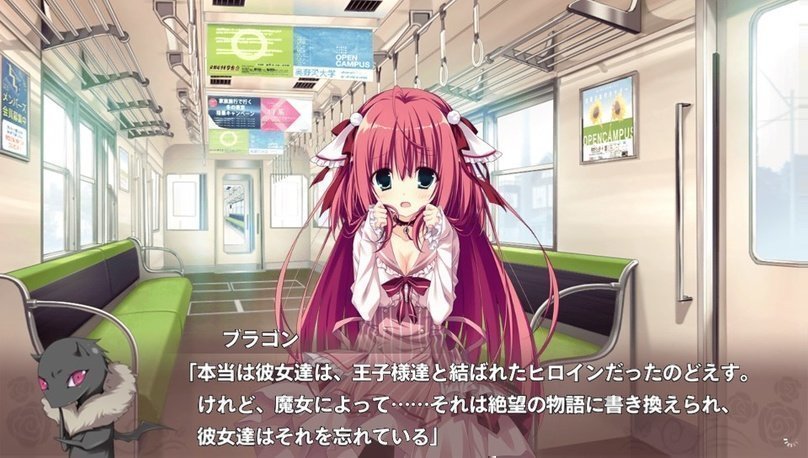
Kanra asks, how do we get the heart back? The black dragon says: get intimate with the heroines who appear in the diary.
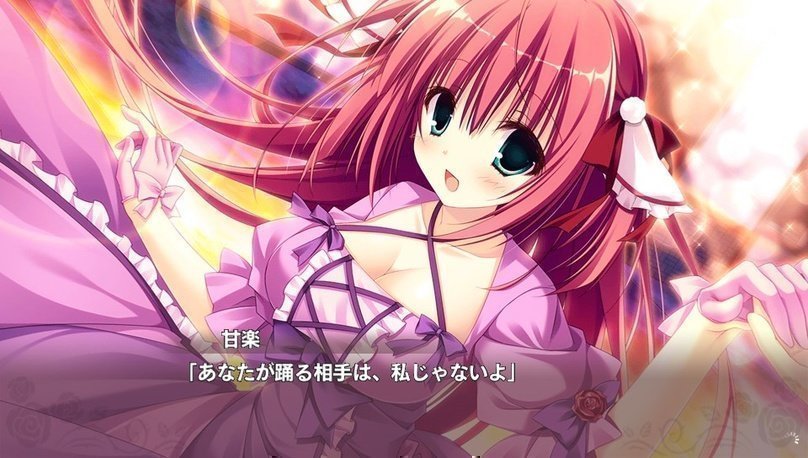
“What counts as intimate?” “A kiss, I guess.” “Girl-on-girl kiss? No way!” “Then… dancing works too.” “That’s more like it.”
So Kanra goes around dancing with each heroine from the diary. Of course, it’s not that simple—most heroines have conditions or refuse at first. Eventually they all agree. After dancing, Kanra recovers the altered fragments—the protagonist’s original womanizing content. Reading the restored diary, Kanra feels strangely jealous and angry, but figures there’s nothing to be done.
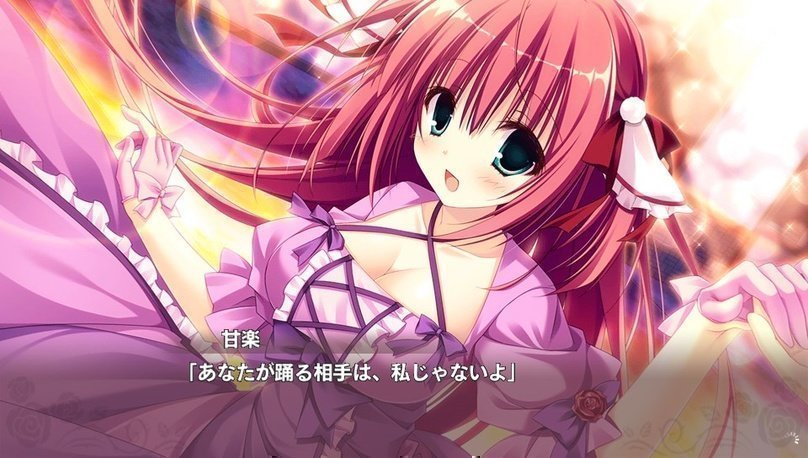
Finally, by collecting the lost fragments from various heroines, Kanra restores Majo Koi Nikki to its original pink state, no longer purple-black. Along the way, Kuron blocks her—Kuron seems to know the protagonist lost his heart and knows some inside info, but she thinks things are fine as they are. Eventually Kuron gives up and Kanra collects everything. The last step is returning the diary to the Passionate Prince to restore his heart.
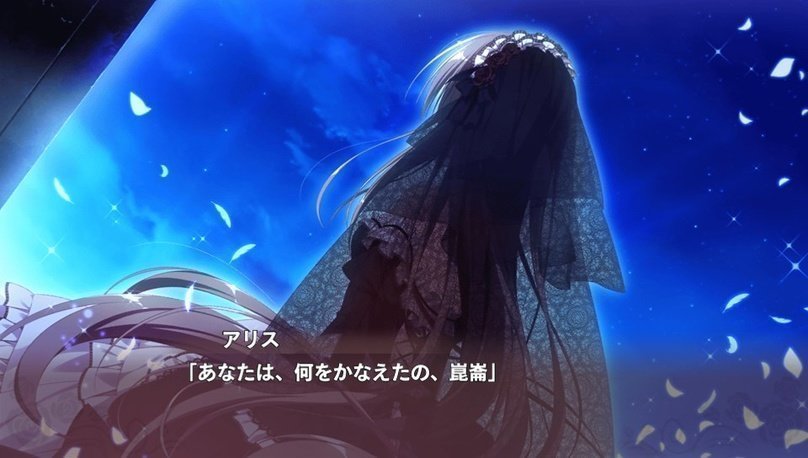
At the final ball, Kanra returns the lost memories of the heart to the Passionate Prince, but he still seems to be missing something, as if searching for someone. Kanra thought the prince would fall for her—she thinks he’s super handsome—but he still feels nothing for her. Kanra is confused, then pained, then it hits her. She suddenly remembers something: there’s one heroine missing from this diary. Her lost heart is still there. Kanra rushes through the crowd at the salon, finds an old lady, leads the Passionate Prince to her, and says: “She’s the one you’ve been looking for. She is Arisu.” This ties into the main game’s story where Arisu has grown old and the protagonist fabricates lies for her.
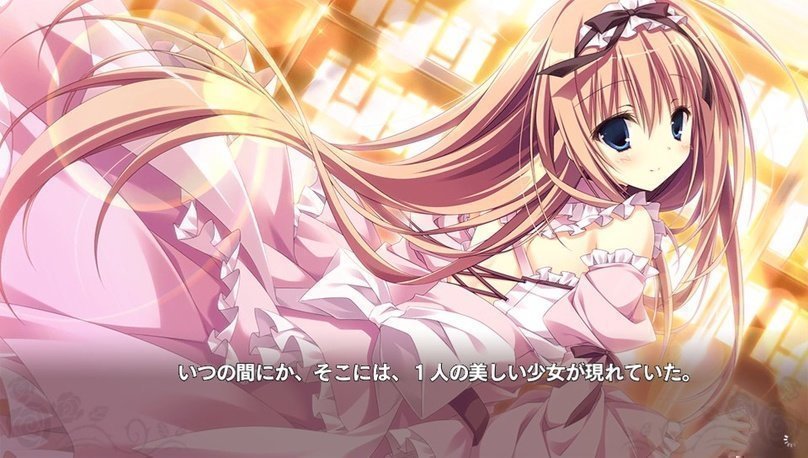
After bringing the prince and Arisu together, Kanra finally reaches the top of the bell tower. She remembers everything—who she is, why she did this, and who the black dragon is.
Kanra is the darkened Alice, her memories sealed by the black dragon and drawn into this story. The real darkened Alice, before turning, possessed the black dragon’s power—their family must contract with the black dragon for power. When Alice made her contract, she told the black dragon: if one day I can’t control my power and turn dark, please come and burn the mad me to ashes.
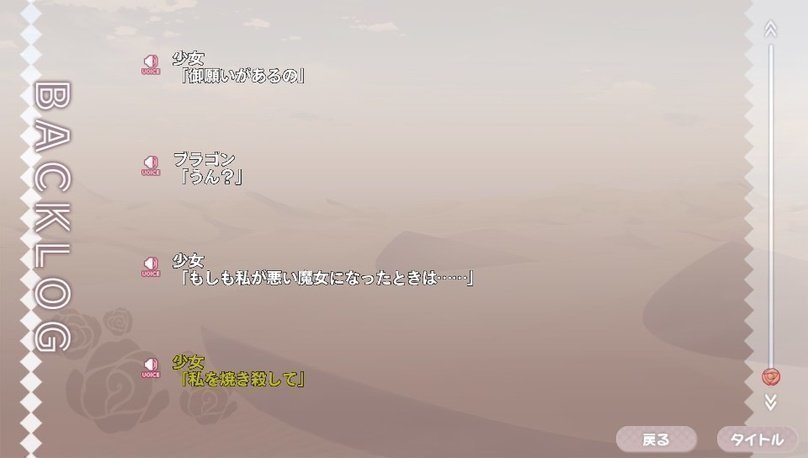
So at the end of Majo Koi Nikki, Alice goes dark, and the black dragon fulfills its promise, appearing again to subdue the darkened Alice. The black dragon uses a very special method: since the darkened Alice is jealous of the story the protagonist created, jealous of the girls in it, and went so far as to curse the dragon’s book to make the protagonist die for womanizing—then let the darkened Alice enter the story herself and experience what it’s like to be a character.
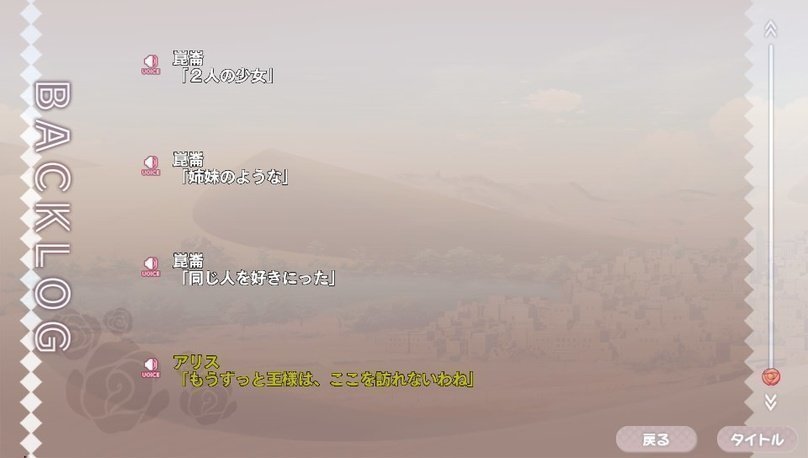
Thus Kanra is born. Kanra also falls for the protagonist—the prince—but the prince doesn’t love her; he loves Arisu in the story.
The prince loves the Arisu he tells stories about, not the Alice who shares the same name.
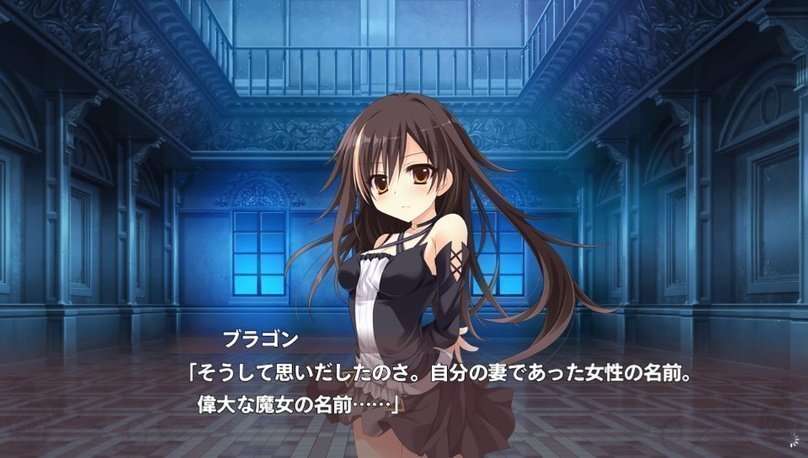
That’s when you realize Arisu and Alice are different. Same pronunciation, but one is the protagonist’s beloved, the other is the witch he won’t love even after she turns dark.
“The one I love doesn’t love me”—that’s still the theme of Majo Koi Nikki.
Even so, Kanra, unaware, still places the protagonist’s hand in the hand of the Arisu he loves and blesses them.
At that moment, the darkened Alice is moved, realizes her mistake, and stops being mad—but it’s too late. Alice has already become a giant dragon, and there’s no turning back.
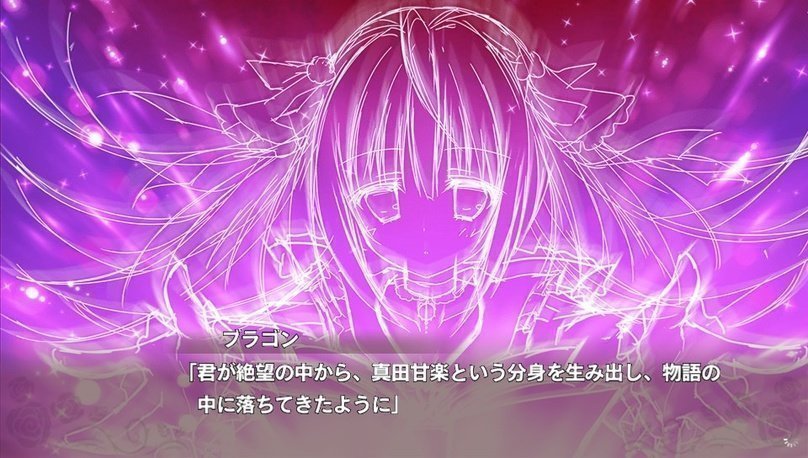
The black dragon appears to burn the mad Alice, but Alice is no longer mad. As Alice prepares to die, the black dragon chooses to burn itself instead, sparing Alice’s life.
The darkened Alice puts an end to the long diary at the end of Majo Koi Nikki, while the real Alice loses her power and awakens with the prince in the desert. A long dream is over.
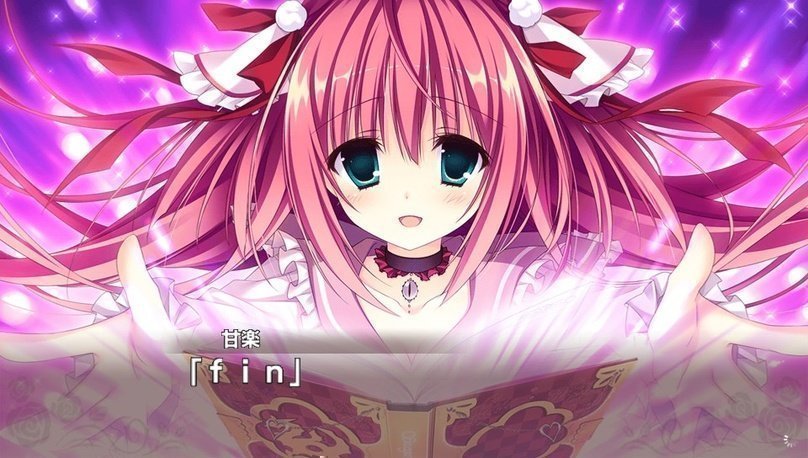
The prince chooses to take Alice back to his kingdom and reclaim the throne, but the guy who becomes king again decides to keep traveling—to various countries, various places, experiencing various stories and telling various stories. The king seems to be searching for someone. Alice understands: he’s probably looking for the Arisu he truly loved.
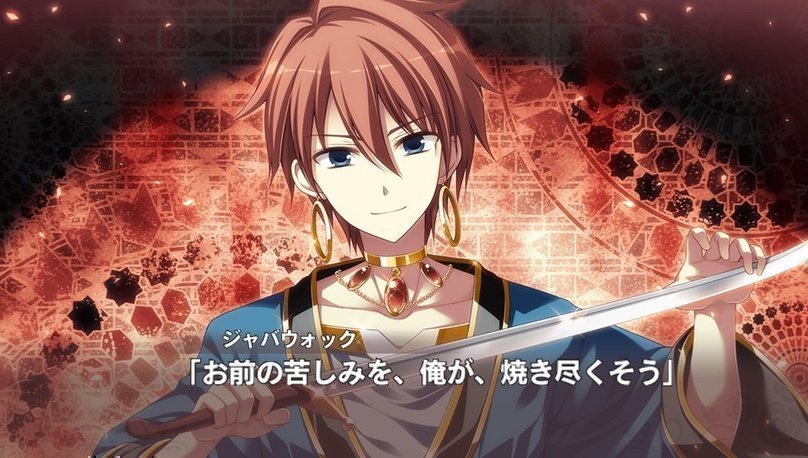
Overall, the PSV version of Majo Koi Nikki is meaningful. Many were unhappy with the original ending, so the new PSV ending gives the story a proper conclusion. The protagonist is no longer trapped in the story forever, and the darkened Alice is saved. Sure, in the end the protagonist doesn’t choose the darkened Alice but sets off on a journey again—but that’s not bad, is it? Actually it feels more like a story’s ending.
Still, some say the PSV ending is a compromise.
While looking up the PSV version, I came across a Japanese blog with some interesting points. The author argues that Majo Koi Nikki is Shinima Yuu’s satire on eroge-playing otaku. This view exists in China too, and quite a few people hold it, but they’re too vague. You know how most Chinese eroge players can’t express themselves for shit and are prone to self-indulgence—finding a clear-headed person is hard. Even if it’s Japanese, at least it’s reasoned. The Japanese blogger lists many things, but the examples this author gives make me lean more and more toward believing this interpretation.
The biggest evidence is probably the three lines in the game’s OP:
あなたを好きになりました (I fell in love with you) 日記を買いました (I bought a diary) 物語がはじまりました (The story has begun)
Honestly, I still don’t get what these three lines mean. They’re completely unrelated. The game mentions “love at first sight” (一目惚れして) more than once—the protagonist falling for various girls, the heroines falling for the protagonist. So the first line makes sense. The second line, “I bought a diary,” is incomprehensible—there’s no purchased diary in the game, only the created Dragon’s Book (竜の本). And the last line, “the story has begun”—what’s that supposed to mean?
So the Japanese blogger points out: “diary” = “eroge.”
In other words, the three lines can be interpreted like this:
あなたを好きになりました (I fell in love with you)
Otaku sees the intro for a newly released eroge and develops a crush on the heroine.
日記を買いました (I bought a diary)
On release day, the otaku runs out and buys the game.
物語がはじまりました (The story has begun)
Otaku brings the game home and starts playing, so the story begins.
So what happens after the story begins? If “diary” = “eroge” is true, this game looks terrifying.
Remember what the protagonist does in the game? His various romances with the girls all exist inside the “diary.” Meaning: you can only fall in love with girls in a galgame. You read multiple diaries, you play multiple eroge. You plow through heroines like a bulldozer, one after another, shouting “my waifu” for each. In the diary you’re handsome, rich, sweet-tongued; in the diary you have all kinds of love—but outside the diary, everything is an illusion.
If “diary” = “eroge,” then this “protagonist” really does seem to mirror eroge players—people who play eroge.
You swear eternal love to the girl in this game, tell her you love her, and by the next game you’ve fucking forgotten her. The lyrics and various parts of the game all hint at one thing: “There is no eternal love. All vows and promises, all sweetness is temporary. People change. As years pass, love fades, and he/she will no longer love you.” Even though the game’s main story has the protagonist running around for the sake of the elderly Arisu, it’s still a story within a story—still fake.
And then a voice clip released a month after the game’s launch… the tendency becomes even more obvious.

何?私?私はアリスよ。今更こんなところに、何の用なの? 知ってる。ここ一ヶ月、あなたが何をしていたか。さんざん私たちをもてあそんで……翌月には別のゲームのヒロインにうつつを抜かしていたのよね。知っているわ。 でもいいわ……。恋ってそういうものだよね。心はいつだって、ヒラヒラと、移り気で……取り残された物語だけが、漂い続けるのね。私はここで、あなたとの物語を何度も繰り返すことにするわ。だから、あなたは帰っていいの。あなたは違う。あなたはいらない。 だから……ばいばい。
Basically, Alice—one of the heroines—says resentfully: “It’s been a month since the game came out, what are you doing here? I know. After a month you’ve already gone off to play other eroge, off to have fun with other heroines. Whatever. Love is fickle like that, everything is fleeting, only the leftover memories remain. I’ll stay here and repeat my story over and over. So you can go home. You’re different. I don’t need you. So… bye-bye.”
Yuzusoft games have similar voice clips, but those tend to be cheerful and even wish the listener luck in graduating from eroge. This one is much more resentful. Combined with some explanations from the game content and the game’s “diary” = “eroge” tendency…
I’m becoming more and more convinced that this game is more or less satirizing the otaku who play it.
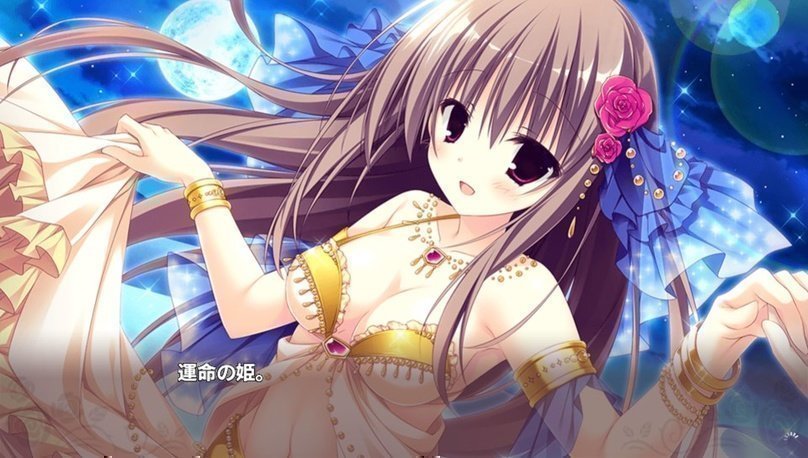
Thinking about it, it’s true. The diary records countless love stories between the protagonist and different girls. After the romance, the story becomes a phantom, and the protagonist moves on to the next heroine. Majo Koi Nikki has no branches—it’s a single linear plot. Seen that way, the game doesn’t use “possibilities” from different worldlines to explain things. The protagonist really does toy with multiple girls’ feelings, and it’s absolutely real.
The protagonist swears eternal love to one girl, says he loves her, then abandons her and moves to the next. That’s why the heroines all share the same line:
“私の好きな人が私のことを好きじゃない” The one I love doesn’t love me.
Even in the PSV-added route, the heroine (the darkened Alice) doesn’t win the protagonist’s love—she just chooses to forgive him. Correspondingly, the protagonist wakes from the dream and doesn’t find the one he loves either; he just keeps searching. If you think about it realistically, it’s more like an otaku who’s seen through eroge and decides to face life anew.
Not bad? I guess.
Shinima Yuu himself denies satirizing players, but I don’t think satire is a big deal. A lot of otaku really are heartless. I once wanted to write a piece called “2D Prostitute” or something to satirize the same people—cute anime girls are like prostitutes, otaku say they love them but keep looking for doujinshi to see them get fucked by others, jerking off with a fleshlight. And most otaku read more than one doujinshi a day. That’s not fickleness—that’s whoring, no, crazier than whoring.
So satirizing this isn’t bad at all. There was a song called RAINBOW GIRL, and a lot of kids on Bilibili cried listening to it, saying they wanted to break through the fourth wall and go to the 2D world to find their waifu. But I bet those otaku kids who cried have long forgotten who their waifu was—at least they probably don’t remember who it was when they heard the song. Can something that casual really be called a “waifu”?
I’m an eroge player too, but I welcome this kind of satire. I’ve said more than once: I’m here for the story. I don’t insert myself into the protagonist’s shoes. I watch the story between the protagonist and the heroine. If the story has a perfect ending, I should congratulate them, not claim the heroine as my waifu. Actually, I hate the habit of casually shouting “waifu”—it’s frivolous and thuggish.
Overall, Majo Koi Nikki aims high thematically. It tells you love is fickle, love is eternal, but some shallow people who fall in love at first sight have no right to talk about love.
Majo Koi Nikki has as many as ten romanceable heroines, but none of them get true love—at best they’re used. Played with over and over by a guy with protagonist光环 named Javaoc. It’s not that there’s no complete love story in the game—there is one, but the protagonist in that story is named Sakurai Takumi. That detail suggests the name Javaoc was deliberately chosen to mirror certain people—probably the eroge players you mentioned.
So I recommend Majo Koi Nikki, and I lean toward recommending the PSV version. The PSV version’s story is more complete, the diary gets its period, and there’s a good ending. As for whether the content really satirizes players, I’m not sure—though I lean toward believing it.
But all of this is based on the premise that “diary” = “eroge.” And that premise fits well: otaku buy an eroge and fall in love with the girls in it, just like buying a girl’s “love diary” and getting fantasy romance pleasure from reading it.
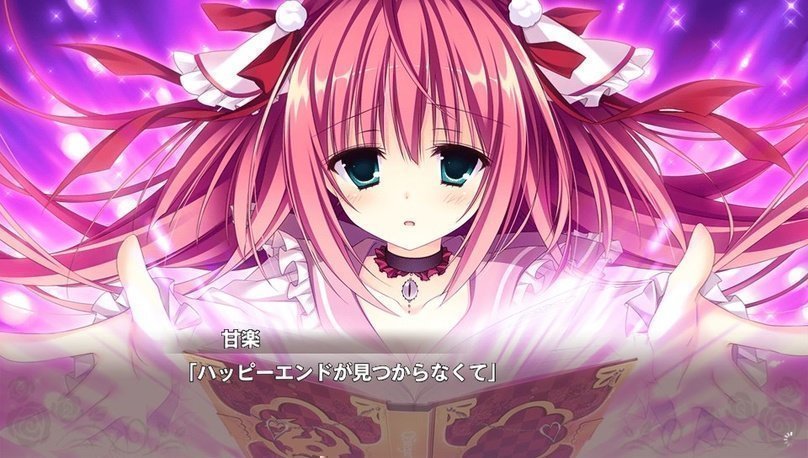
True or false? Who knows. Is the so-called “love diary” just the porn games that fickle otaku buy? Who knows. After all, the culprit himself hasn’t admitted it, right?
But that’s probably the charm of story-driven works: different people can extract different meanings, and if those meanings bring some new perspective on life and things, even better.
Appendix:
- Eternal Witch - Original Game Impressions (Chinese)
- Majo Koi Nikki / Majo Koi Nikki Dragon×Caravan Impressions (Japanese)
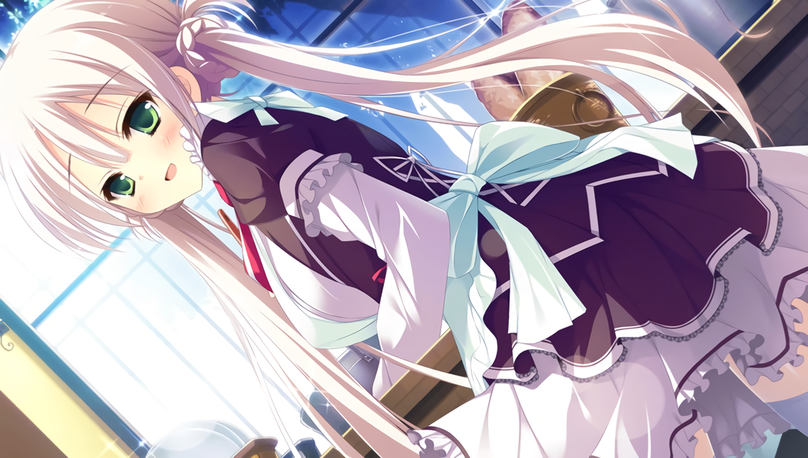
A few nice new CGs from the game, upscaled with waifu2x


Comments are hosted on the Chinese main site. This mirror is read-only.