Ouka Satsuki (桜花裁き) Review
Words Are Blades—Cut and Judge.
Almost nothing worth playing came out in the second month of 2017 in the adult game space—except for one title called Ouka Saki (桜花裁き).
Strictly speaking, Ouka Saki isn’t a pure “eroge.” It’s a “bugyō mystery” game.
Plenty of games wave the mystery flag. The famous early one is Ace Attorney, and later there’s Danganronpa. Lump of Sugar also put out a mystery-ish game, though its story was more of a comedy.
But come on—was Danganronpa’s story not a comedy either? Word is Danganronpa 3’s plot has gone so dumb it can’t even help itself, the final twist like tossing a grenade into a squat toilet and spraying shit everywhere, leaving players in a fury like burning-sea mad maggots. So I wisely didn’t play it. I couldn’t even be bothered to buy it. Even for Danganronpa 2, my verdict back then was: stop caring about that dumbass main plot and just enjoy the minigames.
So for Ouka Saki, at first I figured it’d be some Danganronpa-imitating goofball game—claims to be mystery but is really just bullshitting, and in the end it’s a forced verdict.
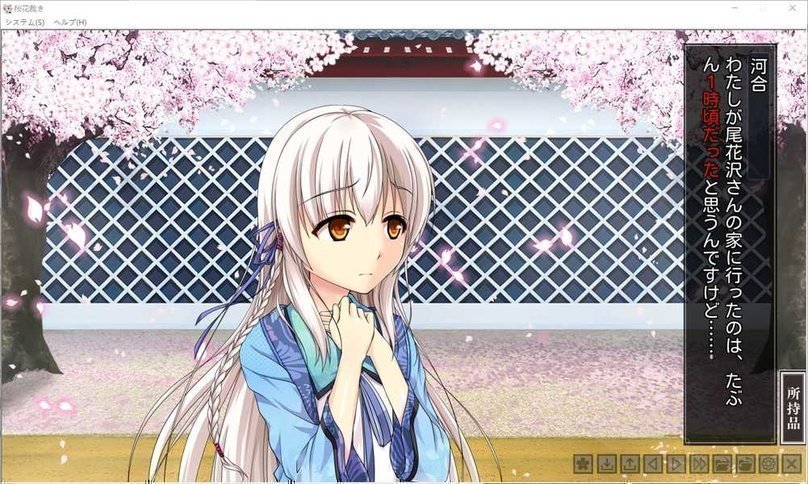
But after playing the trial version, it was actually surprisingly good. At least its case descriptions have something like a real mystery core. I can’t vouch for anything else, but compared to Danganronpa’s goofball motives, Ouka Saki is way better.
Before talking about Ouka Saki itself, I think I should explain the game’s setting. It’s set during the Japanese shogunate era. The protagonist inherits his father’s position as a “bugyō” (奉行)—basically something like a county magistrate in old China, I guess. One of a bugyō’s duties is judging cases, i.e. sabaite. What does the shogunate era mean? It means before the Meiji Restoration, the emperor was a mascot; the shogun decided everything. The bugyō was an office under the shogun.
There was another organization in the shogunate period called the Shinsengumi (新選組). Anyone who’s seen the Gintama-style references probably knows it exists. There’s way too much to say about the Shinsengumi, but simply put, it was a group of samurai who also ate the shogun’s rice and kept the city safe—think of them as a public safety brigade. The Shinsengumi’s leader was called the “commander” (局長), and the most famous was Commander Kondō Isami. The commander in this game is also named “Kondō”… except his name is Kondō Takeru.
I’ve been trying to find a position in ancient China that corresponds to this peculiar feudal system of the Japanese shogunate, but I couldn’t find one. Thinking it over, Japan before the Meiji Restoration was a classic feudal society, while China by then was no longer purely feudal—it was centralized. When was China purely feudal? You’d have to go back to the Spring and Autumn and Warring States periods. Don’t forget the warlord divisions back then, and the retainers under them, which can map onto the Japanese shogunate’s classes. Someone on Quora wondered why ancient China never had a samurai class like Japan’s. Actually it did—but after Qin Shi Huang unified things, that stuff was gone… because there was no need for it anymore. Japan, being special, stayed in internal strife, the emperor’s word never counted, and only after the Meiji Restoration did the emperor gain power. But Japan also used that tailwind to broadly learn Britain’s advanced technology, while China at the time was still arrogantly thinking itself the Celestial Empire. The gap between China and Japan got pulled open from that moment…
It’s pretty ironic, really. China’s social development was ahead of Japan by who knows how many years, but precisely because it developed too fast, it brought a pile of historical problems, so when it came time to transform, it wasn’t as clean as Japan and got flat-out overtaken.
Ah, I’ve gone off track… I just wanted to say the protagonist is something like a “county magistrate,” the Shinsengumi is like a public safety brigade, both eat the shogun’s rice, both keep the peace, the emperor is a toy whose word doesn’t count. That’s about it.
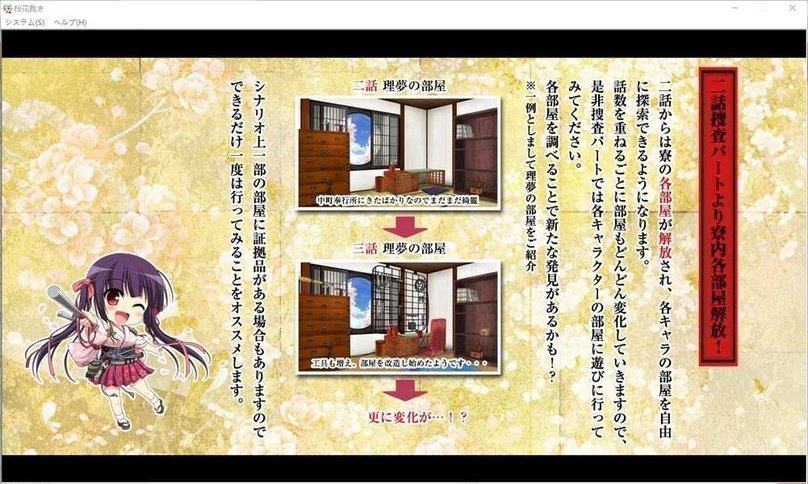
The game opens with the protagonist receiving a case. As the newly appointed bugyō, this is his first case, and the Shinsengumi and its commander Kondō Takeru support his work. Two samurai, Okita Shino and Hijikata Kikaze, are his right and left arms… (god, these character names are all historical names with a tweak).
Case 1: The Kawai Koume Murder
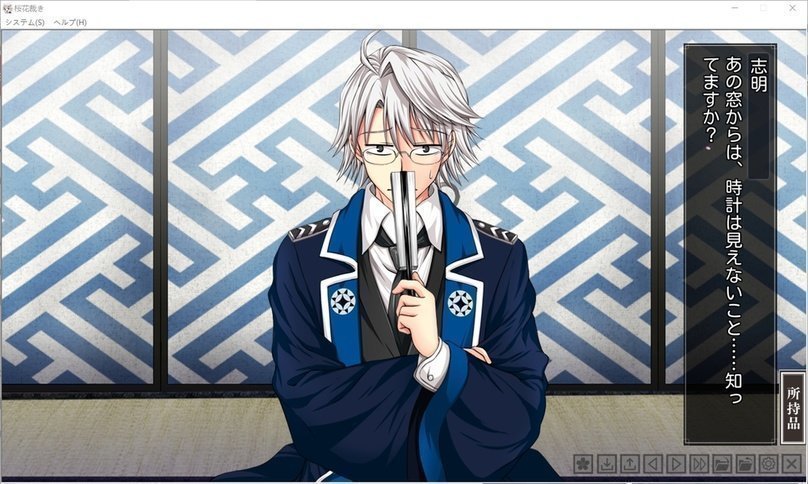
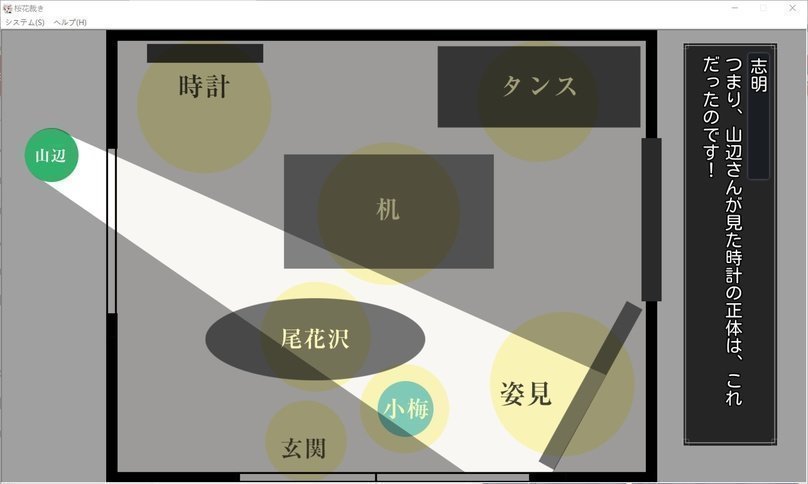
The case that appears in the trial version, the protagonist’s first chance to show his stuff. It’s a very typical case: Kawai Koume passes a house, finds a corpse inside, and is mistaken for the killer. The key to the whole case is the mirror at the scene—the three suspects’ reported times of discovery don’t line up; one says 11 o’clock, another says 1 a.m. One of them saw the clock via the mirror’s reflection, so it was actually 1 a.m., which means one suspect is lying, and from there you deduce the killer and clear Kawai Koume. After this, Kawai Koume joins the protagonist as his clerk/assistant.
After judging this case, the protagonist goes home to find his father murdered by an unknown killer. His father left behind the fan he used for judgments; the protagonist opens it and it says “Heaven’s Way” (天道). He decides to carry on his father’s wish and keep being a good bugyō.
Case 2: The Nagaya Fire Murder
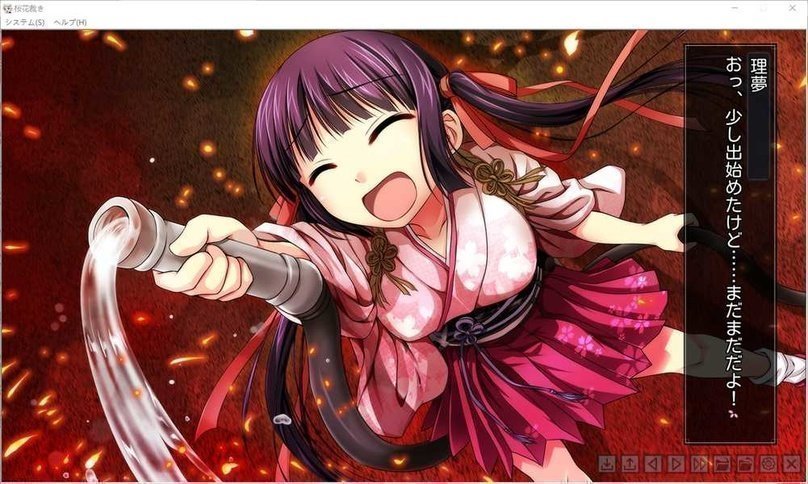
The case where the teacher of the protagonist’s childhood friend Hiraga Rimu commits murder. The whole case starts by giving the player a “if your closest friend is the criminal, can you still judge her guilty?” atmosphere. There isn’t much that’s hard to deduce here; the game’s own setup is just dumb. From the start, investigating the fire scene and finding the victim had severe head trauma, you can deduce it was homicide, but the game insists the protagonist first thinks the victim burned to death, then suddenly has a flash of insight—“No! There’s still a doubt! The victim must have been murdered!"—and only then lets you present evidence… too dumb.
Case 3: The Murder of Juhyō Zāō
This one has lots of mystery points, and it’s the game’s most complex case. The wealthy local big shot Juhyō Zāō is found dead in his home’s underground storehouse, and at the same time a righteous thief, “Nezumi Kozō,” who was sentenced to death 16 years ago, is found imprisoned there. The thief readily says he killed Juhyō Zāō, says nothing else, and just tells the protagonist to hurry up and judge—the thief admits he’s the killer.
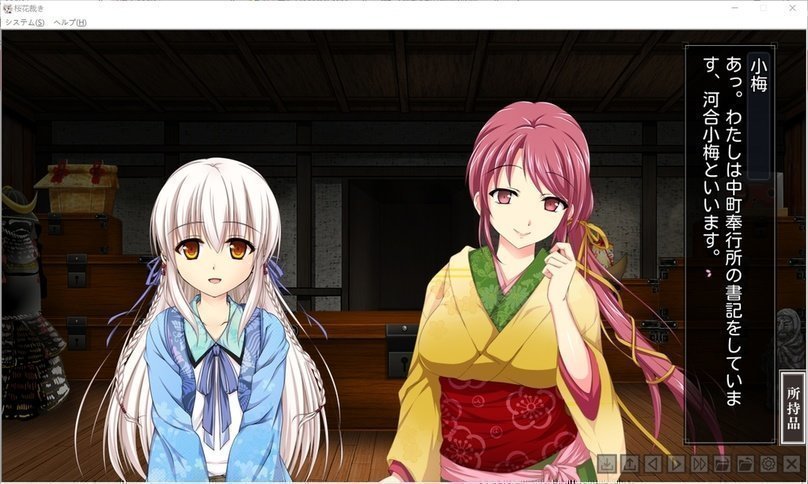
But of course it’s not that simple. Through investigation, it turns out the thief did nothing; he’s voluntarily taking the blame. Why take the blame? Because the one who killed Juhyō Zāō was his own servant.
Why would a servant kill his master? Because the servant heard that the person closest to him—the household secretary—was going to be killed by Juhyō Zāō, embalmed in formaldehyde, made into a living exhibit, shipped abroad for savages to gawk at, and sold for a good price. So the servant didn’t want to see his good friend killed and took action himself. The reasoning: his master Juhyō Zāō was buying large amounts of formaldehyde from overseas, and the secretary also said she was going abroad.
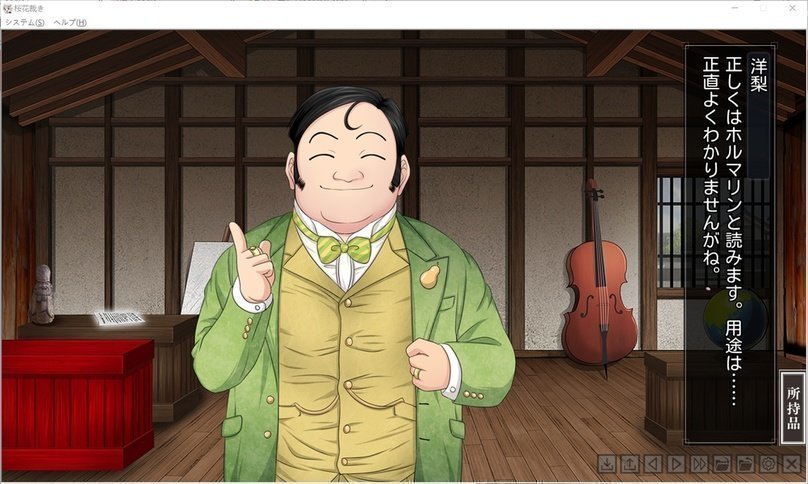
In reality, Juhyō Zāō was buying formaldehyde to raise silkworms, and the secretary was going abroad to study advanced foreign technology—nothing like what the servant imagined. Why did the servant imagine that? Because a merchant doing business with Juhyō Zāō fanned the flames, telling the servant that Juhyō Zāō was going to do this. That’s indirectly inciting the servant to kill his master, so the money the merchant borrowed from Juhyō Zāō would just evaporate—killing with a borrowed knife.
This case is also a case within a case. “Nezumi Kozō” isn’t a murderer at all, yet he volunteers to take the blame, and even demands to see the “Minamimachi Bugyō.” Through investigation, the protagonist finds that Juhyō Zāō imprisoned “Nezumi Kozō” 16 years ago because Nezumi Kozō came to rob his house—and upon questioning, says he wanted to steal a “blood letter” and deliver it to the “Minamimachi Bugyō.” While investigating Nezumi Kozō, the protagonist runs into obstruction from certain local forces, judges them guilty too, and resolves the case.
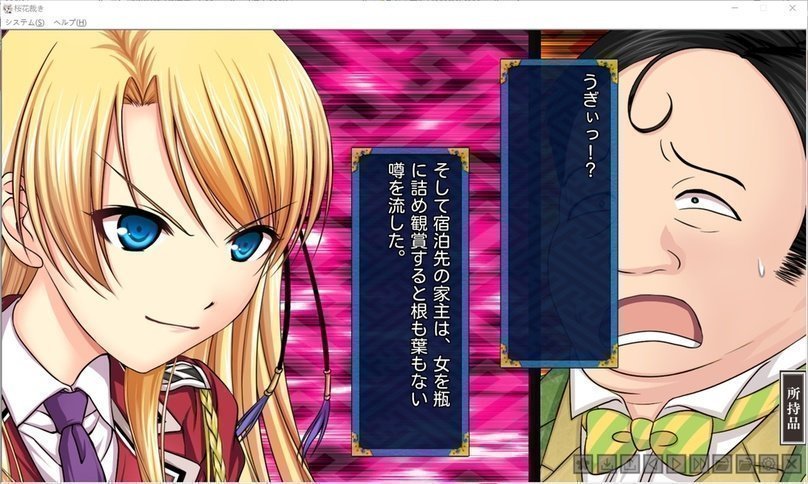
Case 3 is the first goddamn long-as-death case in the game. Early on the protagonist delivers his first judgment, then gets slashed by an unknown assailant, and the second heroine, Tōyama Sakura, takes over the investigation. Unfortunately she’s too much of a show-off and gets the judgment wrong at first, then pulls herself together and solves the case… it’s probably meant as a growth moment for her.
Case 3 then reveals a truth: Kawai Koume’s real identity is the shogun’s only daughter. The shogun has been assassinated, and Kawai Koume may be the sole heir to the shogunate. Her uncle currently handles government affairs as a “kagemusha”—basically a body double. Kawai Koume came to live among commoners partly to hide her identity and partly to experience commoner life.
Case 4: The Ouka Incident
After Case 3, the town holds a fireworks display. While the protagonist and company watch the fireworks, bad news arrives: the Shinsengumi commander has been slashed by an unknown assailant. Worse still, the shogun’s kagemusha—Kawai Koume’s uncle—is also stabbed, though thankfully not fatally. At both stabbing sites a mark of judgment is left, declaring it “heaven’s punishment.”
The protagonist investigates and finds a suspicious unemployed rōnin, Tōjō Ainosuke, who’s always hanging around the streets. At the first judgment, Tōjō Ainosuke lies repeatedly, and just as the protagonist is about to name him the killer, Tōjō Ainosuke reveals his true identity: he’s the Minamimachi Bugyō, Tōyama Kagetora, deliberately disguised to scout the area—apparently something’s up, someone’s planning rebellion. Tōyama Kagetora is furious at the protagonist’s bullshit judging and throws him straight into prison.
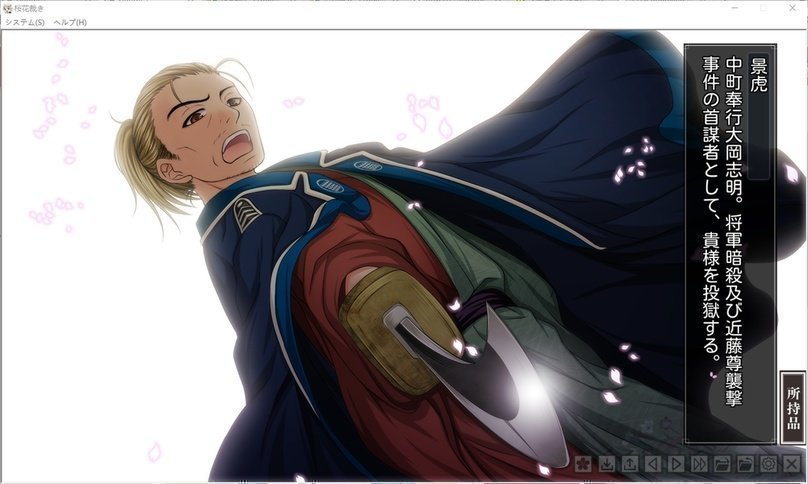
While in prison, a man the protagonist knows—Yamaminami Ayaka of the Shinsengumi—kidnaps him from his cell at night and tells him a lot of things, including that the protagonist is actually the shogun’s illegitimate son. The protagonist’s mother was a woman who had an affair with the shogun but for various reasons couldn’t be taken as a concubine, and ended up pregnant. In Japan, an unmarried woman getting pregnant also needs a judgment, so the protagonist’s old man, to protect his clerk—this woman—chose to marry her and claim the child as his own. I’m honestly on my knees in awe of the protagonist’s dad for bravely taking on that responsibility, okay?
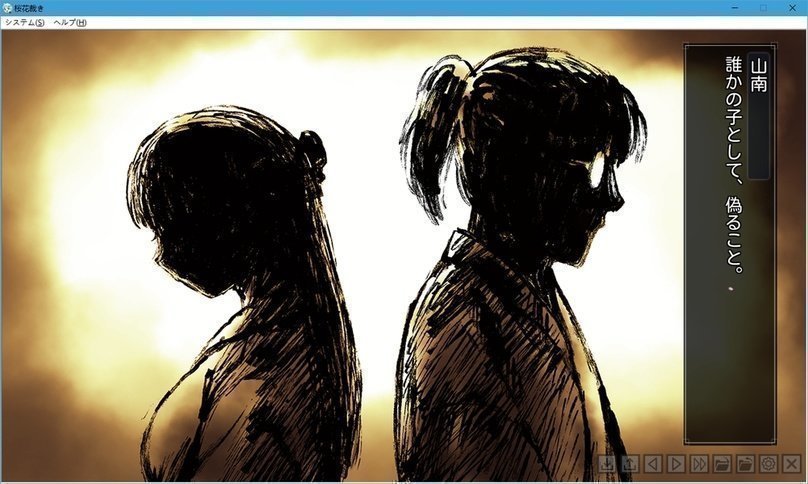
So the protagonist has shogunate blood, and with the shogun dead, only Kawai Koume—a woman—remains, barely able to inherit. If the protagonist’s identity came out, becoming shogun wouldn’t even be a problem.
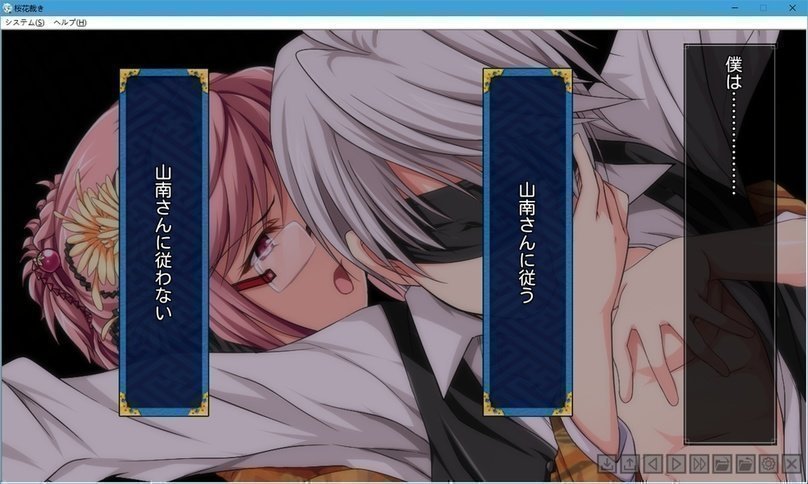
Yamaminami Ayaka urges the protagonist to give up, stop obsessing over the case, and lay low for a while—she’s even willing to offer her body. But the protagonist refuses (you can also choose to agree, but it’s an instant game over). Yamaminami Ayaka leaves angrily and sets the protagonist’s place on fire.
Naturally the protagonist doesn’t die, but the next day Yamaminami Ayaka is found dead in the street.
So the protagonist begins a second round of investigation: why was the Shinsengumi commander slashed, why was the shogun’s proxy assassinated, why did the Minamimachi Bugyō Tōyama Kagetora come here under a false name…
After a round of investigation, the truth comes out. (The process is genuinely super complicated—feel it in the game. I was about to die.)
The final mastermind is: Shinsengumi Commander Kondō Takeru.
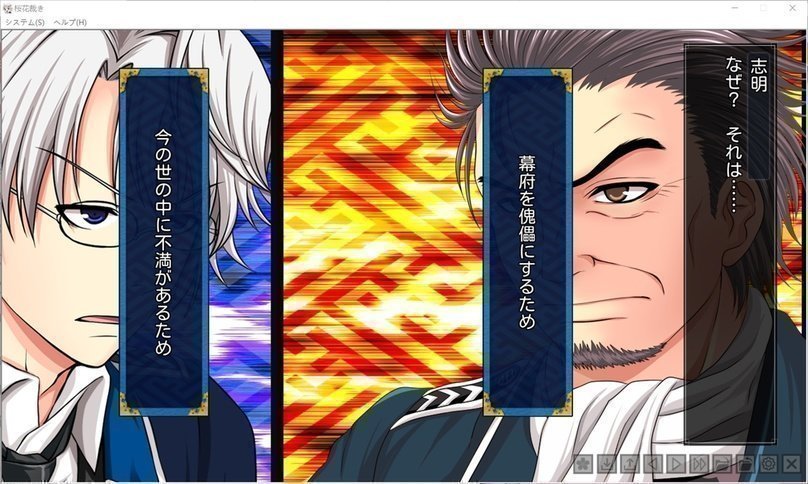
Yes, the victim was the planner. Through a series of deductions, the protagonist discovers that Shinsengumi Commander Kondō Takeru was using him to play a big game.
He killed the protagonist’s father to make the protagonist smoothly become the local bugyō. The first case was to frame Kawai Koume and also see whether the protagonist had the goods—it failed, proving the protagonist did have the goods. The second case was to see whether the protagonist would bend for personal feelings, since the killer was his childhood friend’s teacher and his friend—the protagonist didn’t, and was very fair. The third case was to eliminate a rival, kill off the local bigwig, and raise the protagonist’s fame and reputation.
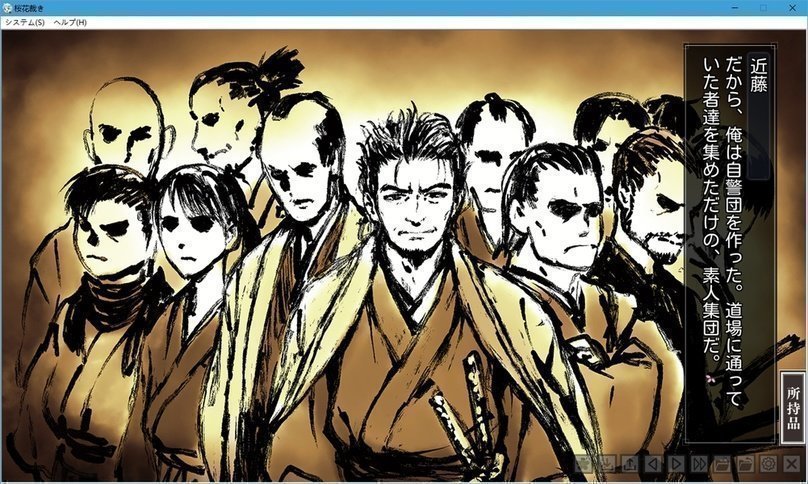
To what end? Because the Shinsengumi commander knows the protagonist is the shogun’s illegitimate son. If he first props up the protagonist and reveals it at the right time, the protagonist can smoothly become shogun, and he’ll rise with him to become the man in power.
After all, Koume is just a woman, and the shogun’s descendants are mainly male.
The Shinsengumi commander’s plan was set from the start: kill the protagonist’s old man, and in the final case kill the shogun’s kagemusha to clear the last obstacle for the protagonist. But the protagonist kept digging to the bottom. With exposure imminent, he sold the protagonist out, got him thrown into prison by the Minamimachi Bugyō, and sent Yamaminami Ayaka to persuade him—which failed again. To protect himself, the Shinsengumi commander could only kill Yamaminami Ayaka to silence her. Since he was also a victim, he figured he wouldn’t be discovered—but in the end the protagonist ferreted him out.
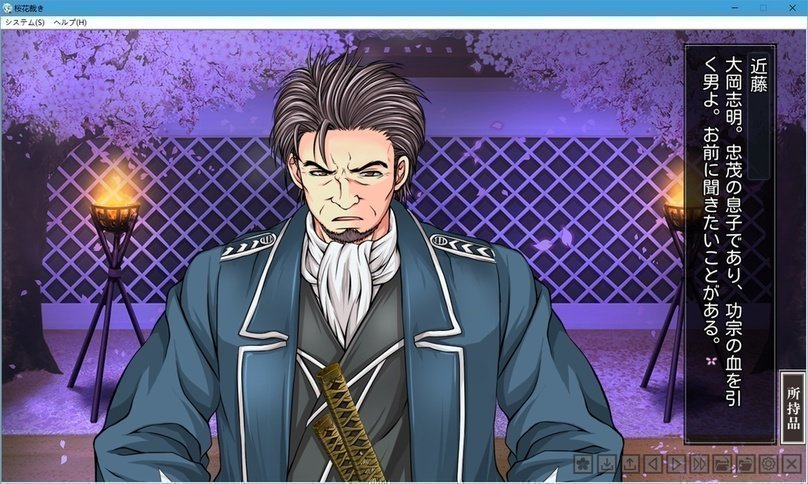
Why does Kondō Takeru believe in power? Because he hates the current shogunate system and thinks the world needs a new order. Kondō Takeru’s wife and child were killed by bandits. He wanted revenge and to kill the bandits, but the protagonist’s father lectured him that you can’t stop violence with violence… Kondō Takeru wasn’t convinced. Despairing of this chaotic world, he founded the Shinsengumi, discovered the protagonist’s bloodline, and wanted to leap to the top in one step—but failed.
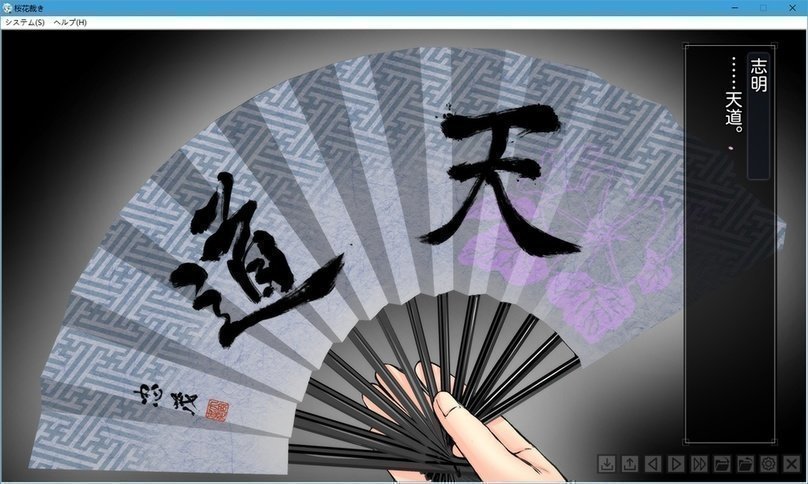
The protagonist’s father’s judging was “people first.” The fan originally said “Human Way” (人道), the way of humanity. Then the Shinsengumi commander, when giving it to the protagonist, added two strokes to make it “Heaven’s Way” (天道)—upholding heaven’s justice, kill when killing is due. It shows the difference in their worldviews.
So what is this game saying? It’s basically a story like Lü Buwei using Ying Yiren—except it failed. And the game is already alternate history: historically the Shinsengumi fought for the shogunate to the very end—how could they rebel? And judging by the historical names the game references, the Meiji Restoration isn’t far off. The protagonist’s wish that the shogun keep governing well probably has no chance.
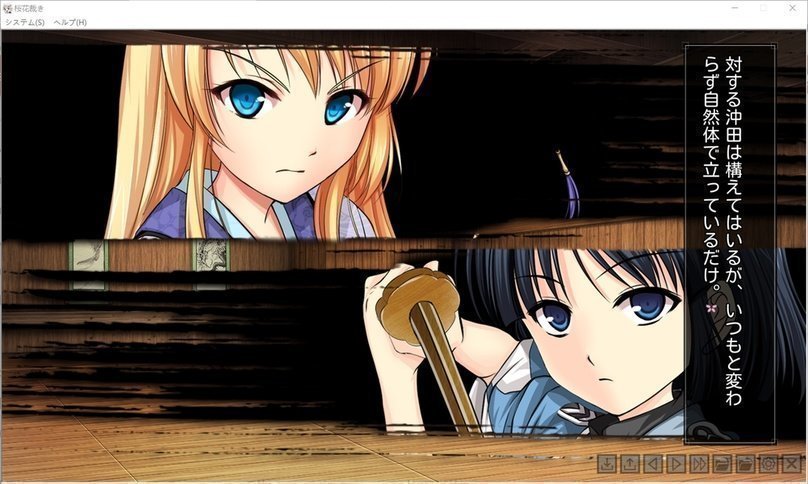
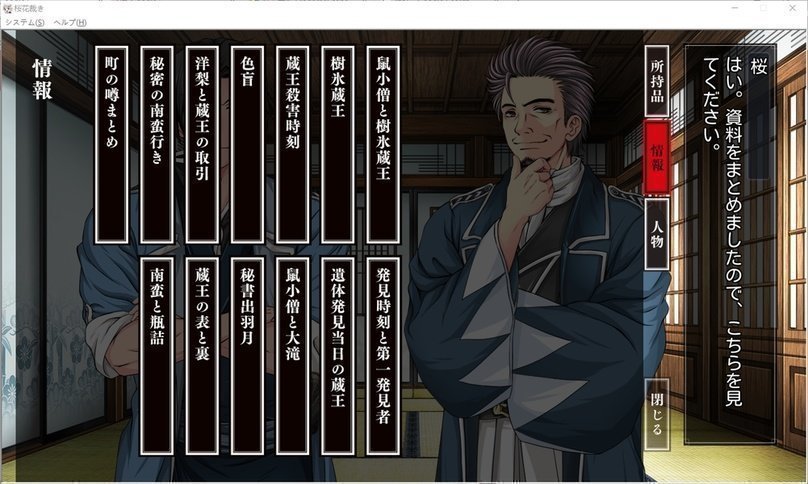
Ouka Saki is a game that put in serious effort. Unlike other Gals that rely only on art and script, Ouka Saki is a genuinely playable game, no less complex than Danganronpa—personally I’d say it’s a bit harder, since you only get six word-bullets while evidence and testimony together number way more than sixteen. The game’s system design and deduction presentation are top-notch; the ink-wash style runs through the whole game, the music got real attention, and the fact that the official side released an OST back in the promo phase shows confidence.
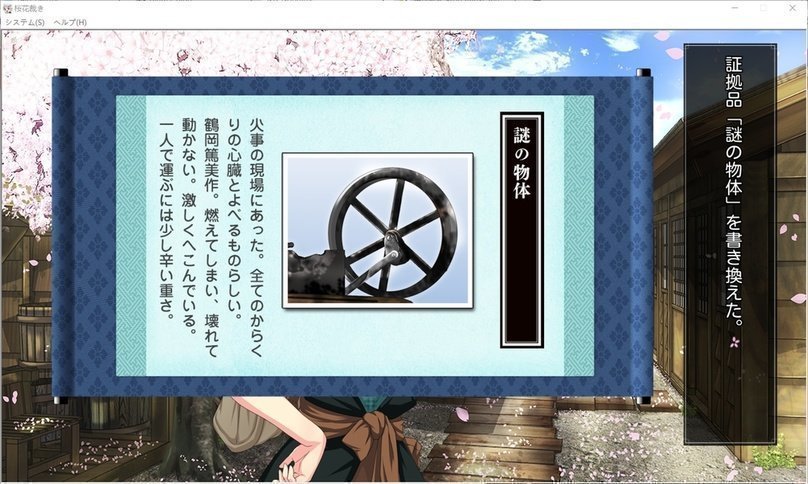
The mystery parts match most mystery games: investigate, collect, debate, judge. The process isn’t special, but the case design is much better than other games. Plenty of traps make trouble for you, and when the true culprit appears you get that “holy shit it was him” feeling. The cases don’t feel too far-fetched either—some deductions are actually pretty fun.
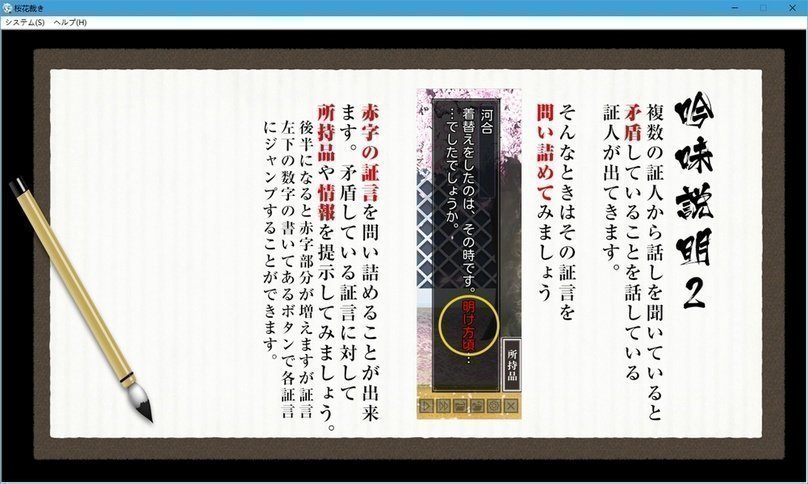
If there’s a flaw, it’s that the mystery difficulty is too high, especially the testimony parts. Most require repeated reading to get right the first time. In the statement phase you can debate against red text, somewhat like Danganronpa’s “fire word-bullets,” but here you don’t aim—which makes it even more disgusting. Without a guide it’s basically hard to get it right first try. Some options remind me of the old days of English reading comprehension questions—too much ambiguity, requiring trial and error. Thankfully, most of the time you can retry freely; there’s always an option that works, and you don’t need to worry about a game over.
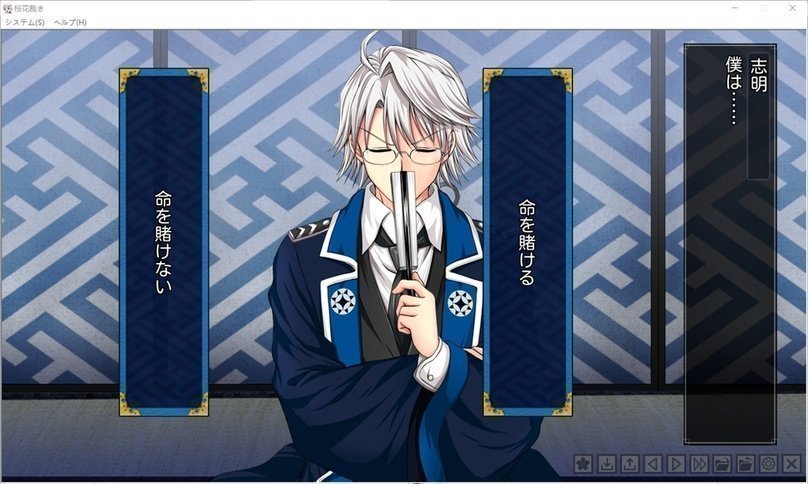
Yes, I said “most of the time,” because in the final judgment confrontation, the protagonist chooses to “bet his life” to convict the Shinsengumi commander, and if you pick wrong after that, it’s an instant game over. So save carefully…
Another flaw I mentioned earlier: it’s way too far from Japanese history, which feels weird. Also, the art style is a bit odd—straight-on it’s fine, but most heroines look like a different person from the side, and many CGs don’t look like the standing art. Not sure if it’s the artist’s skill or what, but the overall coloring is still fine—probably thanks to sorahane. Yeah, the company that made that shit-explosion game—this game was made by that company under a pseudonym, right?
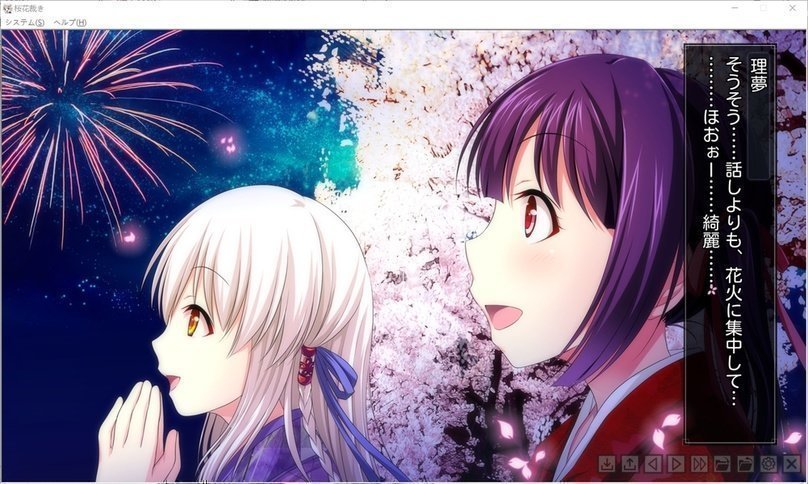
One more flaw: “lack of romance.” Through the common route to the ending, you basically have no time for romance. The protagonist is always chasing cases. As for heroine characterization… there is some; you can feel each person’s temper, but they don’t interact or talk much with the protagonist, like those early mystery games on PSP. To make up for it, the game includes after-stories and routes for multiple characters after clearing, trying to patch in romance—but it doesn’t feel great, kind of weird…
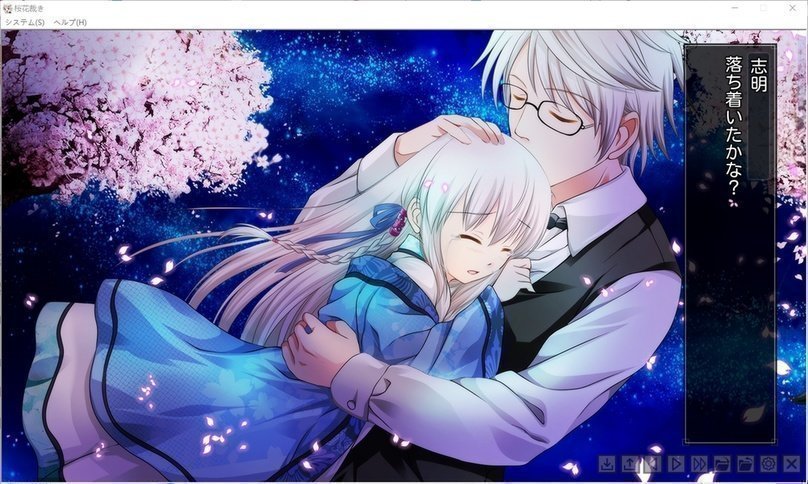
So I keep thinking: this game can’t really be called a Gal, so why make it 18X? Put it on an all-ages console platform, get some big-name voice actors—that’d be fine too. Look at Nippon Ichi’s Labyrinth of Refrain: Coven of Dusk (ルフランの地下迷宮と魔女ノ旅団) on PSV a while back—it got a good reception, and the VAs all did eroge too. Ouka Saki could totally take that route. Not sure if it’s lack of confidence or lack of budget, but this weird game ended up mixed into the eroge queue, always looking out of place. People who want cute girls might not play it; people who want mystery might disdain looking for it in the eroge category. Still, it seems to have sold okay—though this game’s production wasn’t cheap; wonder if it’ll break even.
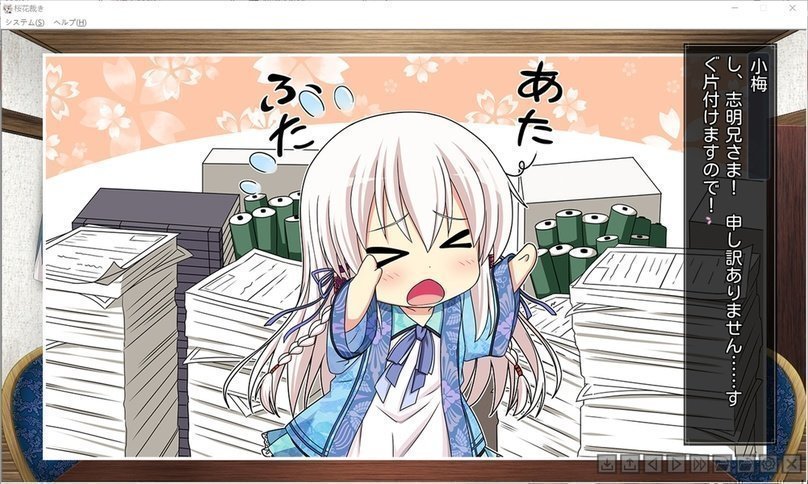
The game’s tagline is: Words are blades—cut and judge. The game also uses anime-style presentation, but there are only four cases, so the anime presentation only happens four times—not much point. The game also uses lots of invented four-character kanji compounds, like Chinese idioms—many Japanese-made idioms that, as a Chinese person, look really dumb… まあ、まあ、君が喜んでくれるなら、それでいい。
Comments are hosted on the Chinese main site. This mirror is read-only.