Baldr Heart Review
If you’ve seen what games I play, you’ve probably noticed I’m into “swords and sorcery,” and not so much “mecha and high tech.”
So Baldr Heart, along with its earlier predecessors, never really interested me.
But there’s this pervert who’s about to end up in a police cell who constantly hypes the game up, tongue hanging out, pushing it on everyone he meets. And he’s screwed me over twice before, so I had no intention of taking his recommendation.
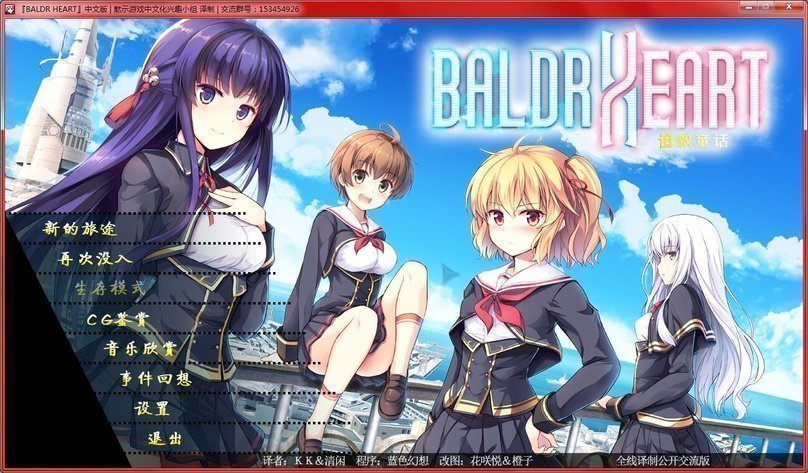
Except I’ve got a big mouth, and I said, “If Baldr Heart ever gets fan-translated by Moxing, I’ll play it.”
And so, as they say, if you don’t do stupid things you won’t die. I soon saw this… and it was shoved right in my face.
You all know I’m a man of my word, so I had no choice but to play it.
The result: the game ate up over 40 hours of my time.
As expected, Baldr Heart is set in a future world built on high tech and mecha, and it uses that favorite Japanese pastime of making up a bullshit fictional world setting. Which means you get a whole bunch of setting crammed down your throat. But from my experience, as long as you go with the “don’t sweat the details” approach, it won’t get in the way of your ability to grasp “what the game is saying.”
And indeed that’s the case—the setting exists to serve the story.
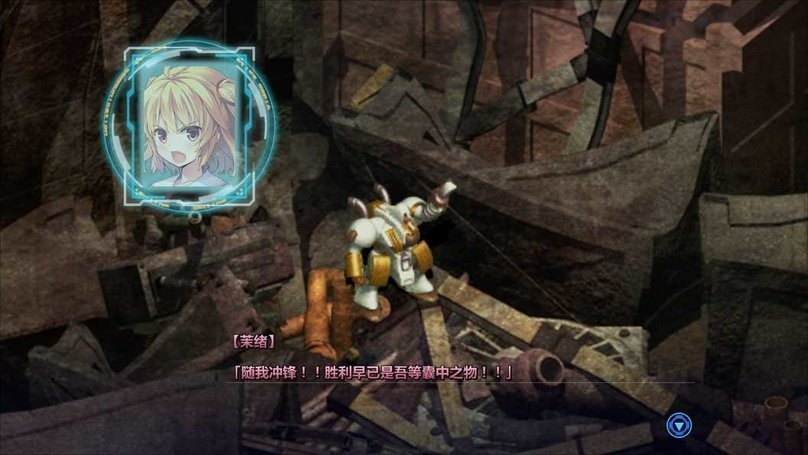
Baldr Heart’s setting has two main directions. One is the combat setup, kind of like The Matrix: humans can freely move between the network and reality, even Shift. Some can even have their minds persist in the network after their flesh dies. Humans in the network can fight using the mecha armor mounted on their bodies—sort of like magical girl transformations.
Actually, when you think about it, isn’t that just The Matrix? Though I’d say it’s less cool than The Matrix. When Neo and co. were mowing down enemies in the Matrix world, they didn’t transform and suit up in mecha, right? Maybe Japanese people just love giant robots.
The other direction of Baldr Heart’s setting is some political maneuvering conflict in the world. Ah, you know, Japanese people love this stuff. An independent autonomous state, a huge empire; the autonomous state has traitors when facing the empire, and the empire, despite its hegemony and oppression, also has its heroes. What does that remind you of? I’m not talking about Zero no Kiseki or Ao no Kiseki—I’m talking about Baldr Heart. The maritime city where the protagonist lives is essentially like an autonomous state, possessing huge resources, coveted by the neighboring empire, with a war having occurred in the past. Now new terrorists have appeared on this autonomous state, causing destruction, so the protagonist is tasked with infiltrating and investigating the cause.
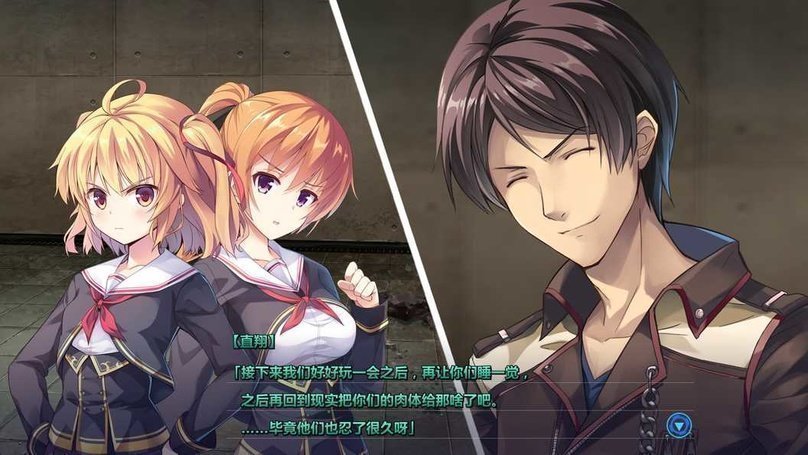
So, so, so—as I said above, of Baldr Heart’s two major settings, the former (the Matrix thing) seems to exist solely to inherit some worldbuilding from previous games and give you a reason to fight. The latter is where the story is actually told.
To put it plainly, they made up a setting to give you a reason to pilot a robot and fight, and the story itself doesn’t have much to do with the combat system. But even so, Baldr Heart is fairly complex, so I need to break down each part separately.
About Combat: This Is Not an ACT Game
Many fans of the Baldr series call this game a “super satisfying fighting game,” and most say “the combat feels great.” That made me think, as the latest entry in the series, Baldr Heart must be a really satisfying action game…
And at first I did play it like an action game, but the game’s setup and attack methods made me uncomfortable.
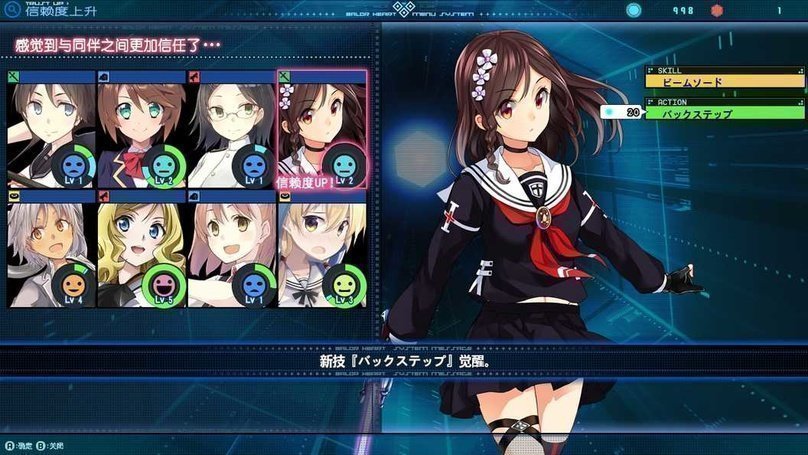
Attacks are mainly controlled by three buttons, plus an additional E+F button. Each of the first three buttons can correspond to 4 skills; most skills are melee, and you can also choose ranged weapons.
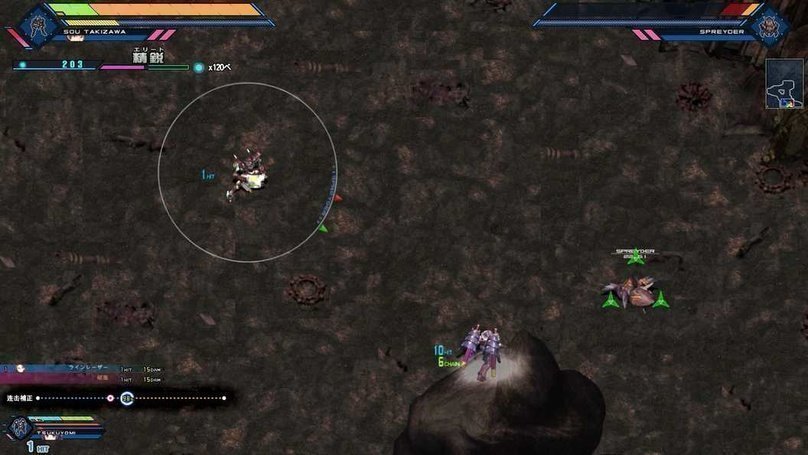
So how does one button correspond to four skills? It’s determined by your character’s state: what skill you get when you press it in melee, what skill you get after a Dash, what skill you get at long range, and what skill you get after a long-range Dash.
So this game can’t work like a normal action game where A is punch, B is kick, C is jump, D is block, and you pull off advanced combos and skills through inputs like “up-punch-down-kick.” Because all skills are used directly.
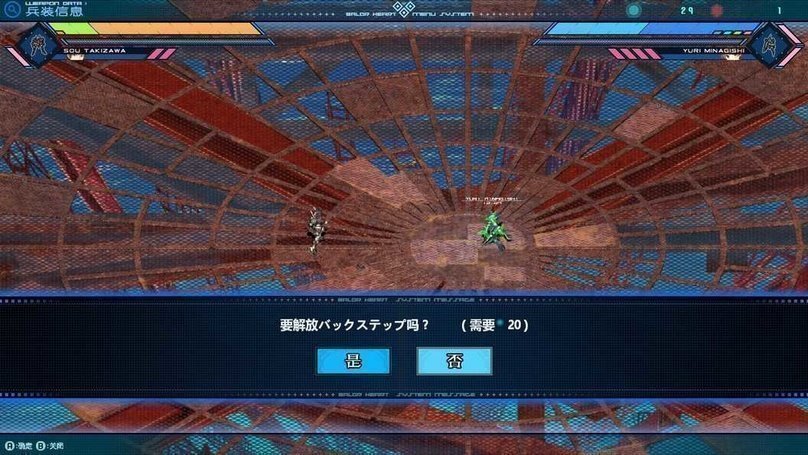
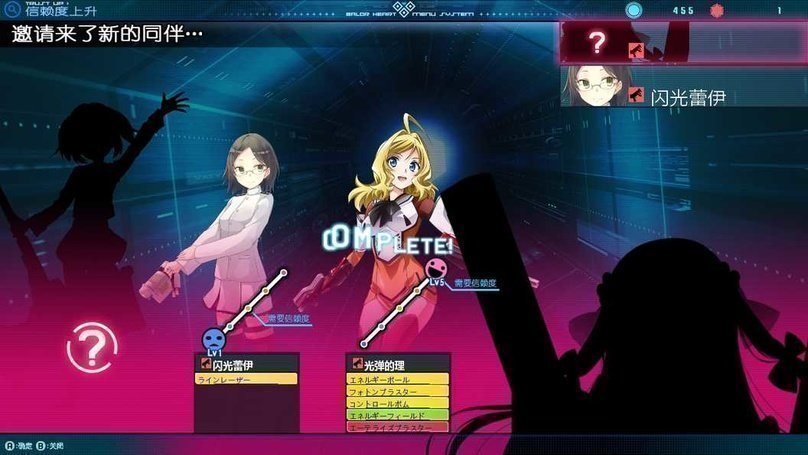
The game introduces a “Weapon Maiden” system: every skill you can learn has a girl as its portrait. It’s basically useless—just copying KanColle by personifying skills. The more you use each skill, the higher-level skills you can learn, and eventually you can unlock that skill’s special move.
So at first I understood the game as a mecha fighting game where you “combine a few good skills to pull off combos.”
But I soon realized that wasn’t it at all.
For example, the game has a Shoryuken-style uppercut, melee punches, and a slash with a laser sword—these all exist as skills. In typical action games, we often need consecutive attacks and slashes to gain an advantage, then chain other skills to keep fighting. I think most fighting-oriented ACT games are like that.
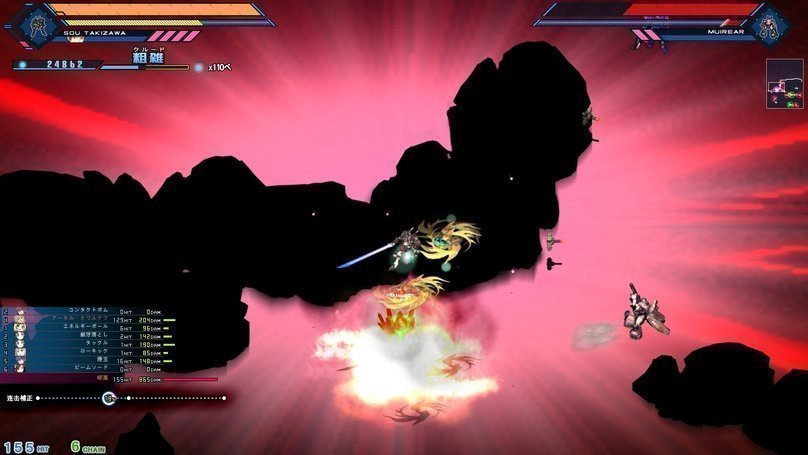
But in Baldr Heart, the recovery time on melee skills is way too damn long!
For example, if I want to slash someone, I have to stand there like an idiot right in the enemy’s face, then press the laser sword button, and our hero takes ages to finally swing once. Then you mash the attack button—sorry, he won’t do it again; the hero just moves on to the next skill… and who knows when the next slash will come.
At the start of the game, battles are full of small enemies everywhere. I quickly discovered that the only weapons friendly to me were the ranged laser cannon and railgun…
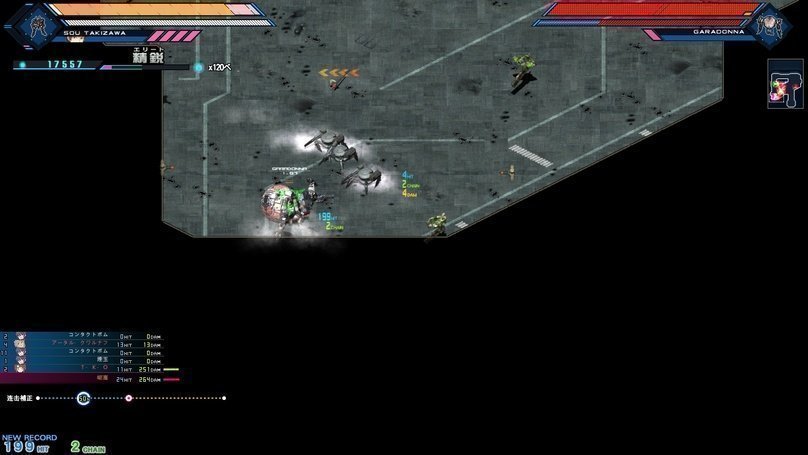
Yes, the laser cannon and railgun have short recovery, can be fired while moving, don’t require standing there like an idiot waiting for an attack, and deal AoE damage—they’re simply the best for clearing mobs.
In contrast, melee is almost unusable. You wait forever for one punch—what the hell is the point?
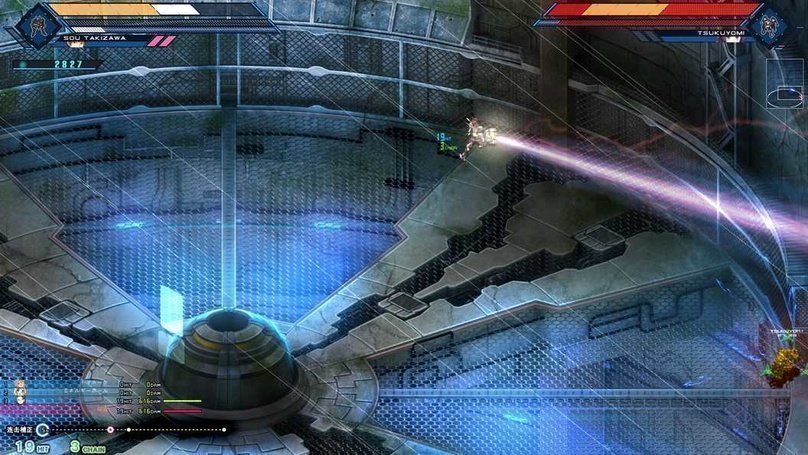
Actually, from what I observed, except for one boss that rushes you with dual blades, every other battle can be solved with “laser cannon” + “missiles” + “mines” + “bombs.” There’s no need for melee at all, and many boss fights are actually easier with ranged weapons. Especially the later fight where the protagonist faces his father—they give you a pillar, and you can cheese every boss because the laser cannon can shoot through walls. You can kill the boss through the wall.
Eventually I got so bored I started slowly trying to finish enemies off with punches, otherwise my melee proficiency wouldn’t increase and I’d never learn new skills. You know my railgun and mine proficiency were already Master.
And gradually I realized I’d misunderstood the game.
It’s not an ACT action game; it should be considered an ARPG. It has action elements, but at its core it’s still an RPG.
I don’t know how many of you have played a Chinese game called Blade & Sword (刀剑封魔录), a Diablo-like RPG that lets you use combos. The combo system there was about creating your own “combo macros”: arrange your skills in order, put them in a macro, and when you see an enemy, use the skills in sequence to unleash combo after combo.
Also, have you played a Rogue in World of Warcraft? Ambush + Backstab + Kidney Shot + Backstab + Eviscerate—that sort of combination can also count as a combo.
Both games share a common point: “all skills have cooldowns, and you can only combo by arranging their order of use.”
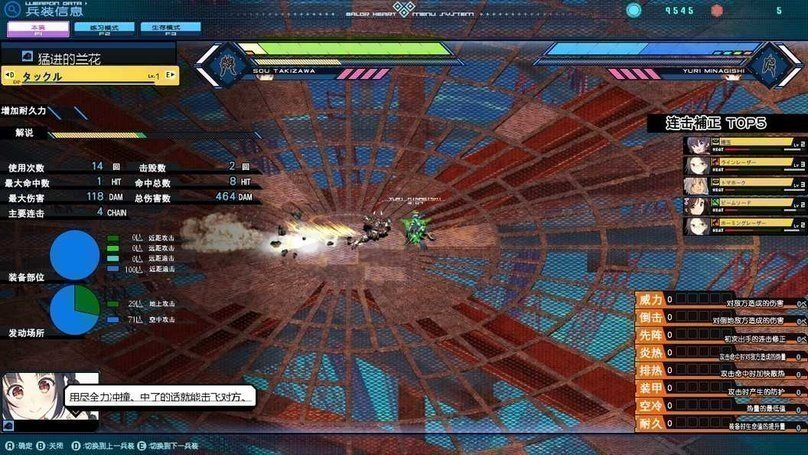
So it’s the same with Baldr Heart: all the Weapon Maiden skills have internal cooldowns, and the protagonist’s mecha also has an “overheat” limit. In other words, the correct way to use melee isn’t for you to decide combos on the fly based on the situation—it’s to set up a routine beforehand, then when you meet an enemy, use the skills according to that routine, making sure you get as many combos as possible within the overheat limit.
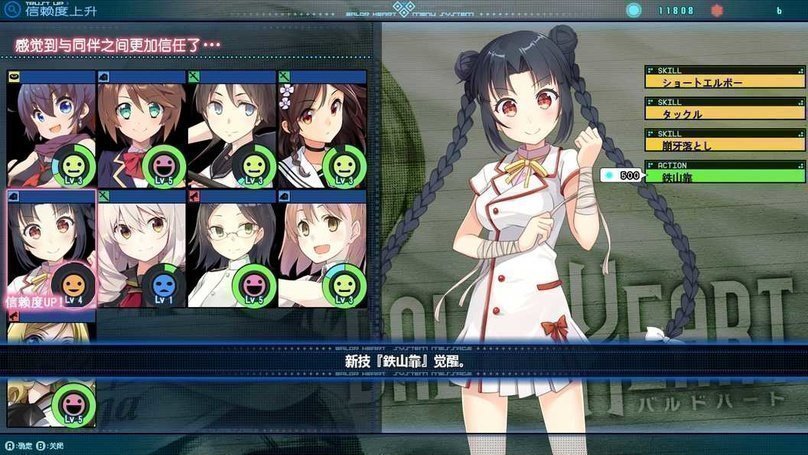
Then, as your melee proficiency grows, you’ll get more and more weapon skills, and skills will have linked attack power boosts and reduce your overheat chance, giving you more room to perform.
So at heart this game is an RPG: use skills to grind talent and unlock new skills, then chain skills together like combo macros, and when you see an enemy just press them in order… There’s no “Iai” parry, no “punch-punch-forward-up-kick” input combos. The game theoretically doesn’t even have blocking. The interface style is that of an ARPG, it just doesn’t control like Diablo…
Once I got used to it, I understood how to play. Honestly, it was a bit nostalgic—it reminded me of the days playing Blade & Sword. It’s just that some fans hype this game as “on par with Devil May Cry”…
All I can say is that’s bullshit. Devil May Cry is an ACT; Baldr Heart is not.
About the Story: The First Half Is Written Like Shit, the Second Half Is Written Like Fucking Shit
Baldr Heart’s story is locked. First you’re forced to go through the routes of the other heroines, and only then is the True End unlocked.
Let me be clear: the True End is very long, longer than the previous three routes combined—at least it feels that way.
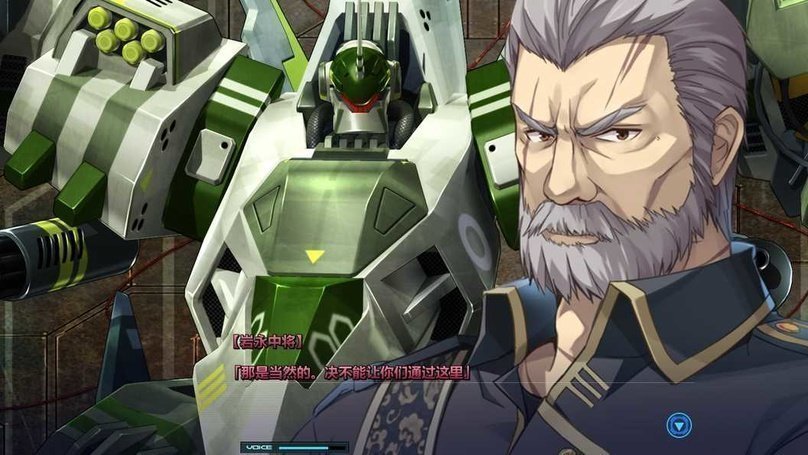
Baldr Heart’s True End is where the story is actually told. The first three routes, no matter how you look at them… seem like the writer was just going through the motions. And thanks to that half-assedness, the first three routes feel like riding a train. What do I mean by riding a train? You arrive somewhere, exchange a few lines, then a fight starts; after the fight, a few more lines, then the next chapter; then the next chapter starts with a sex scene, then the chapter after that… and finally suddenly a boss appears, the boss gets beaten, and the route ends…
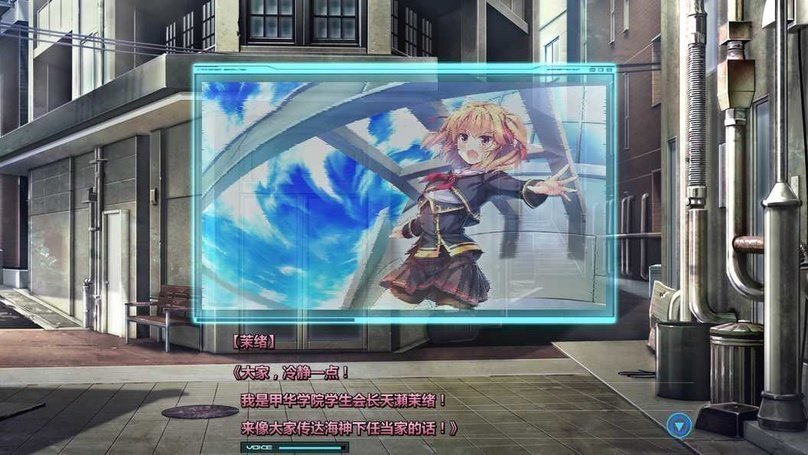
Thinking about it, aside from lots of battles and randomly throwing screenfuls of mobs at you to kill, the individual routes don’t seem to say much of substance… Although in the True End there are foreshadowing bits everywhere, but… what use is that foreshadowing… The True End is already like that…
Yeah, the True End is like that… What exactly is the True End like? Hard to say. The story is a wild ride; I don’t even want to retell it.
At first, the protagonist is an agent infiltrating the island to investigate the terrorists.
He soon discovers that the terrorists exist in the island’s network world, like ghosts.
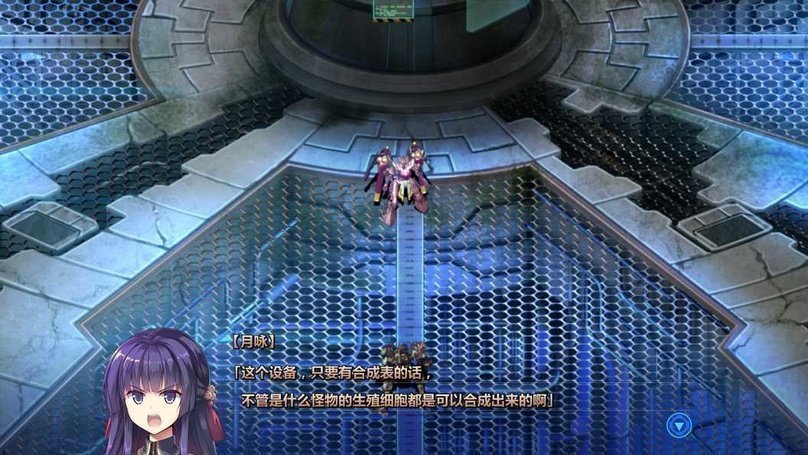
So where do the ghosts come from? The protagonist learns that 30 years ago, a scientist wanted to perform a grand experiment: store the souls of dead people in the network world, then create an artificial human in the real world, inject that person’s spirit into the artificial human, and achieve physical rebirth.
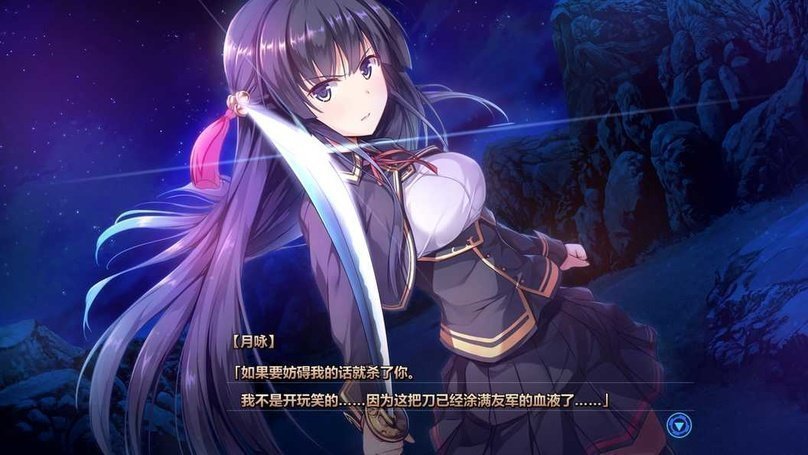
The island has always had artificial humans—actually, they shouldn’t be called artificial humans; the fan translation calls them “Created Children” (被造子), probably something like genetically modified humans. The souls of the dead exist in the network, but no one knows where, so they need to be salvaged. During salvage, other related souls get pulled out too—souls wandering the network with no home, becoming “ghosts.” When enough ghosts gather, they cause trouble in the network world, and some ghosts don’t even realize they’re dead; some harbor grudges and kill indiscriminately, making them look like terrorists.
Then it’s revealed that long, long ago, two people escaped from the island after suffering inhumane treatment. Both grew old; the woman died first, so the man planned to resurrect her. He created two custom artificial humans, intending to inject his and his wife’s souls into them after death to achieve rebirth. But the artificial humans he created weren’t happy about it—they didn’t want to be soul vessels. Due to some historical incident, the first rebirth attempt failed.
So he started producing new artificial humans as vessels…
The protagonist is one of them, and the heroine—the Nagi route in the True End—is the other.
Naturally, the ending has the protagonist and heroine refusing the inhumane request to be someone’s “vessel” again, and they also repel the berserk boss.
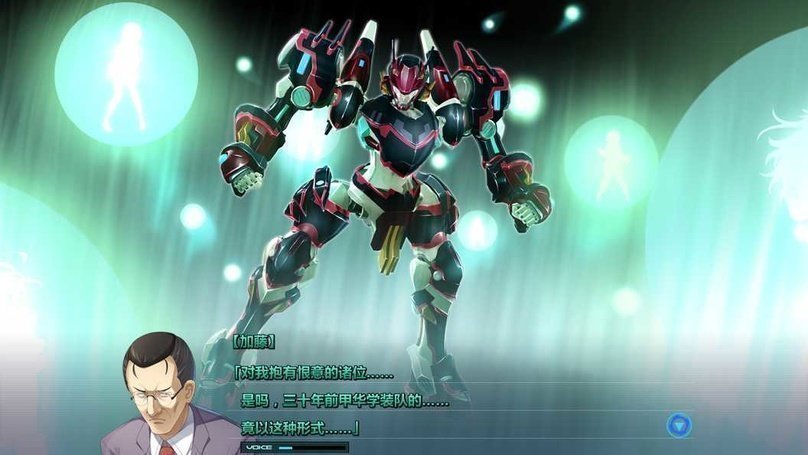
Who is the berserk boss? She’s the daughter who died in the womb of the previous generation’s vessel. The soul of the woman they truly wanted to resurrect has become the protagonist’s fairy…
Ugh, it’s too convoluted to explain clearly. Roughly: a man and a woman are dying and want new bodies to extend their lives, so they create the protagonist and heroine to house their souls. But the protagonist and heroine struggle and change the course of history, refusing the demand, and the two would-be immortals give up and disappear.
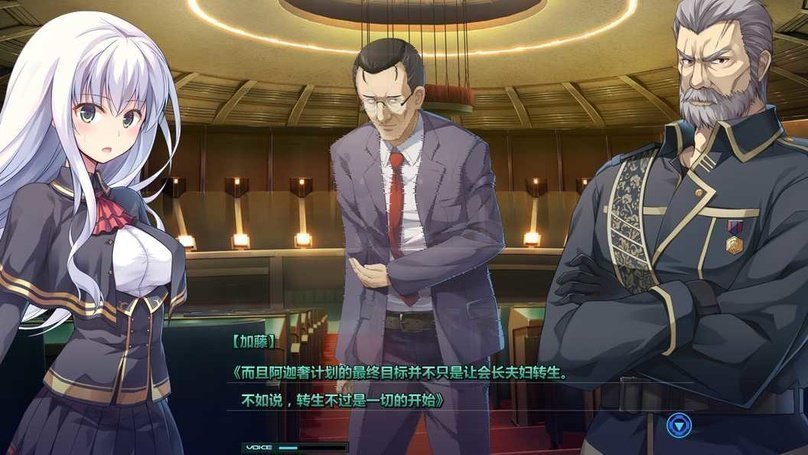
It’s actually a pretty simple story to explain, but the pacing of the True End route is just so fucking stupid.
How stupid? It deliberately stretches the plot to show off its so-called “foreshadowing.”
In the end, the protagonist refuses to become a “vessel,” decides to fight for himself, and defeats the boss. But the final route gives you the feeling of going through many reversals.
The story goes on… the protagonist realizes something’s wrong.
“Holy shit, so the heroine isn’t the heroine?”
(Then a fierce battle ensues)
After the battle, the story goes on, and the protagonist realizes something’s wrong again.
“Holy shit, so I’m not me?”
(Then a fierce battle ensues)
After the battle, the story goes on, and the protagonist realizes something’s wrong again.
“Holy shit, so my sister isn’t my sister?”
(Then a fierce battle ensues)
After the battle, the story goes on, and the protagonist realizes something’s wrong again.
“Holy shit, so the boss isn’t the boss?”
(Then a fierce battle ensues)
After the battle, the story goes on, and the protagonist realizes something’s wrong again.
“Holy shit, so the fairy isn’t even a fairy?”
…………
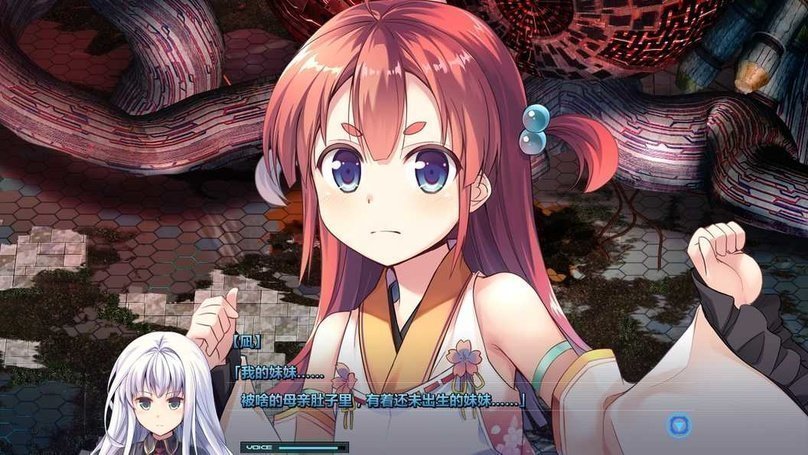
That’s roughly the pattern of the final True End route… full of fake-outs. The protagonist’s identity is denied, the heroine’s identity is replaced, the boss isn’t who they initially were, the fairy isn’t the fairy they initially were, your sister is no longer your sister, your old man isn’t your old man, your boss’s stance isn’t what it was, the past you knew isn’t the real past…
Everything is fake, there are ulterior motives everywhere, but…
What the hell does any of that matter?
You’re still you, the woman you’re going to bang is still that woman, the boss you’re going to fight is still that guy. No matter how many times identities swap, the people you bang and the people you fight haven’t changed…
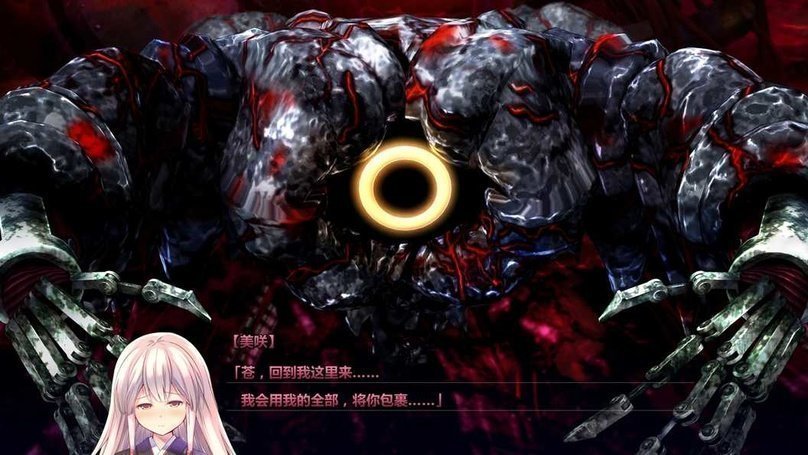
So what’s the point of all these identity swaps? There’s no case of fighting the wrong person or banging someone you shouldn’t. It’s purely the writer indulging in self-congratulation over their own foreshadowing, isn’t it?
Also, the battles in the True End route are really annoying—mobs everywhere, endless musou-ing, it gets boring. The only challenging boss is the last one.
When you think about it, why does the story twist and turn so much? Was it written just so the player would realize they’d been strung along?
About the Flaws: Graphics, Music, UI, Difficulty Settings
I won’t go into Baldr Heart’s strengths—the internet hypes them enough. Let me talk about the flaws. First, the graphics…
The graphics in this game—I don’t know if you’ve played Sora no Kiseki… it’s about that level. What does that mean? It means Baldr Heart, a game released in 2016, still uses graphics on the level of a PSP game from about ten years earlier. This 2D style—you can’t call it crude, since some later beach battles show nice detail effects like water ripples and smoke. But no matter how refined, it’s still the refinement of around 2005. There was an RTS called Sudden Strike back then with better detail than Baldr Heart; Commandos 3 looked about the same. What I can’t stand most about Baldr Heart is the 2D combat effects of the mecha—they really look bad, like the wild monsters in Sora no Kiseki…
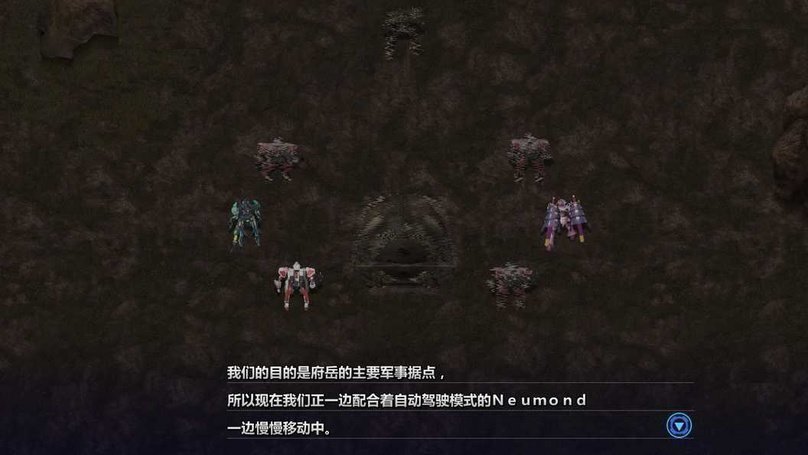
The UI is also a letdown. The default combat UI is just chaotic: the protagonist’s mech has a circle around it, health bars everywhere, screenfuls of mobs, the protagonist’s mech zoomed far out, combined with various explosion effects and the messy combat voice acting of the protagonist and the Weapon Maidens—all mixed into one blob, sometimes making the BGM inaudible. I had to disable a lot of the UI before the combat screen looked watchable. But then I also discovered what the circle around the protagonist’s mech is for—the game calls it a “tactical ring,” but I think it’s more like a marker telling you where your protagonist is. Otherwise, with mobs everywhere, you’d easily lose track of yourself…
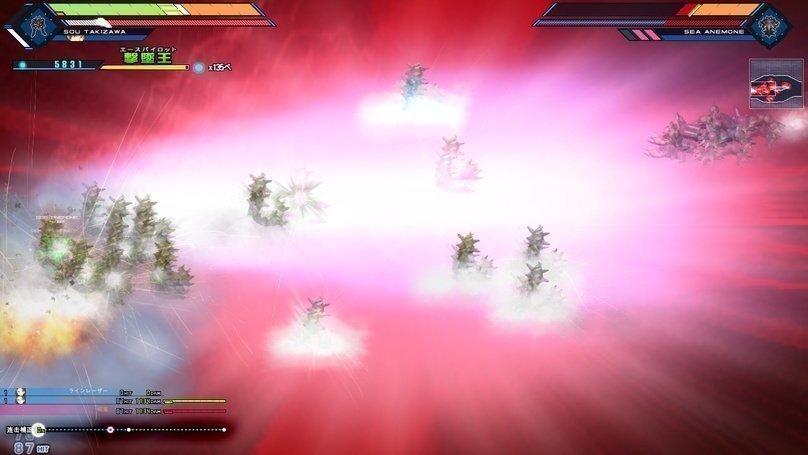
Baldr Heart’s difficulty setting is simple and crude. Most of the time, the only difference between Very Easy and Very Hard is HP. For something like the final boss, having 6 bars of HP versus 2 bars makes a huge difference, because with 2 bars you can rush them down, but with 6 it’s tough. So the difficulty in this game comes down to “extending the boss’s HP to force you to organize combo skills and take the boss out in one burst,” because if you can’t burst them down, the boss will be left with a sliver of HP and burst you down instead…
About the Fan Translation: I’d Give It 65 Points
Moxing’s translation gets a lot of hate. Because of my big mouth, I actually played the Moxing version too. For Baldr Heart, Moxing’s translation… is actually okay.
By “okay” I mean most of the content is translated, and for people who don’t understand Japanese, it’s enough to understand what the game is saying.
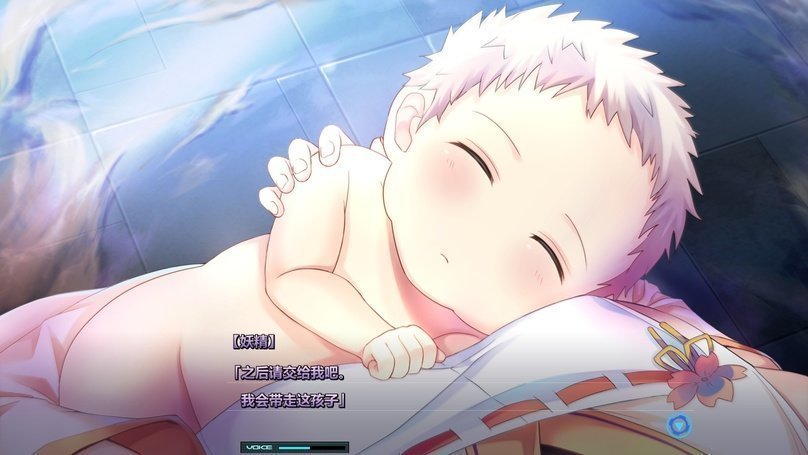
But there are still errors. Moxing’s translation seems very keen on “flowery language,” deliberately using phrases with a Republican-era scholarly air to make people think their translation is “literary.” But it backfires—in a setting like Baldr Heart’s, saying those lines just makes you look like an idiot. Also, the translation seems to have phases. Early on, in the common route, there’s a lot of “flowery” content. Later, the story translation starts “dropping sentences”—many lines are only half-translated. It doesn’t really affect reading, though; maybe when translating, they deleted parts they found hard to understand or didn’t know how to translate, or rephrased them in a way that doesn’t affect meaning.
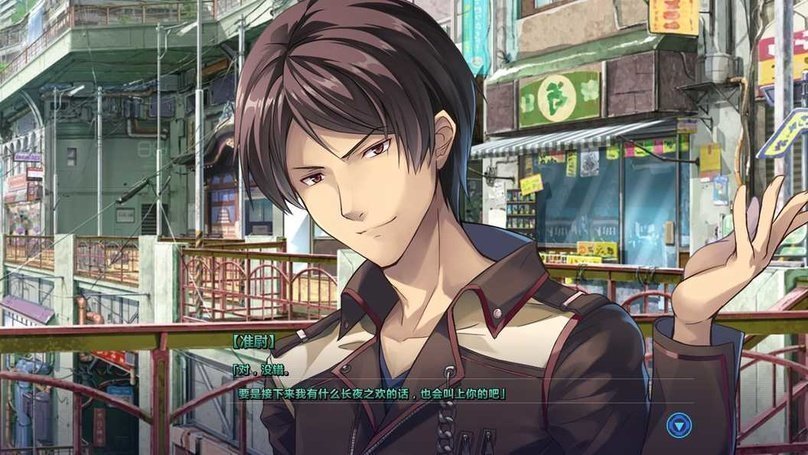
That’s not a big deal. Compared to machine translation, this is an improvement, and frankly, many other fan translation groups make similar mistakes—some even worse than Moxing, even Chengkong’s group…
But the main problem with Moxing’s Baldr Heart translation isn’t the dialogue; it’s the overall localization.
You know Baldr Heart is a game with complex systems: combat, Weapon Maidens, lots of skills. But… Moxing didn’t translate any of that… And many system prompts are garbled, probably untranslated too.
What does that lead to? A player who doesn’t understand Japanese can read the story but can’t understand what the combat and skills are. How are they supposed to know what デッドエンドストライカー is? Just try each one? Is that realistic?
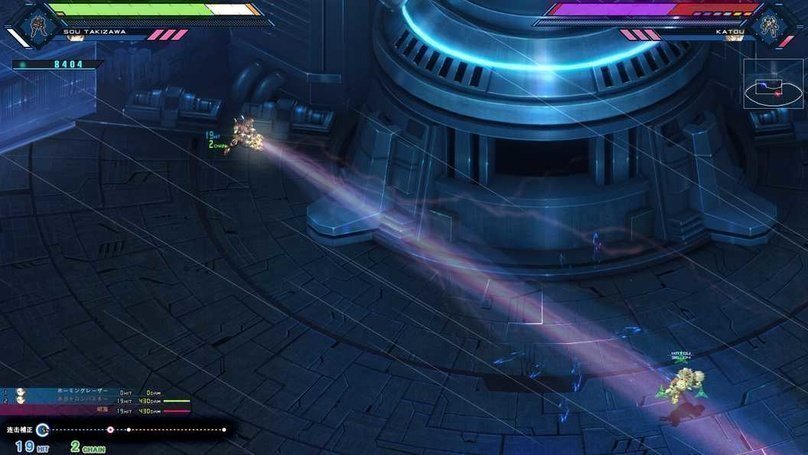
So Moxing’s Baldr Heart translation is maybe only 70% done. Add some story errors, and I’d give the translation quality 65 points. If they’d properly translated the system and UI, it could be higher… I just don’t know what those people were doing—did they think translating the story meant they could clock out?
Also, personally, I think Moxing’s biggest problem is they need to stop being so low-class, and stop being so cocky.
There’s a lot more I want to say about Baldr Heart, but my mental state hasn’t been great lately, so I’ll stop here. This article was hard to write too—I feel like my hands won’t obey me, and my heart is restless and hard to calm… I can only write whatever comes to mind.
As an ARPG, Baldr Heart’s combat system is passable, but it can’t compare to the big-name ARPGs of earlier days, because it has no map exploration and no detailed shop system—only a skill combo system you use in daily conversations and pull out during battles…
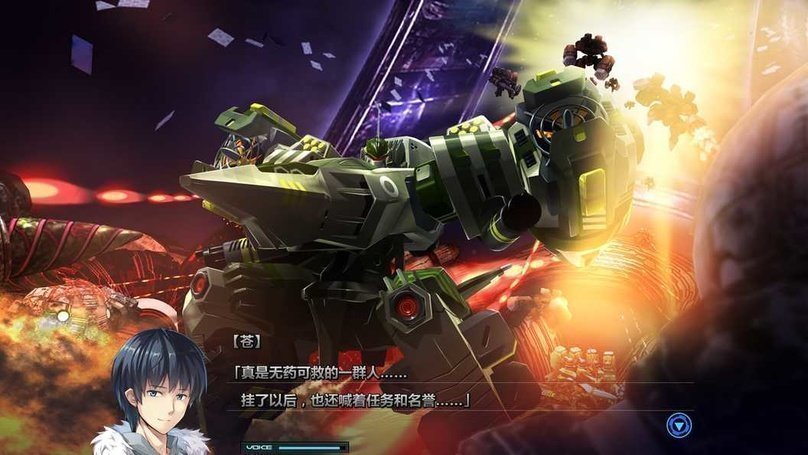
It’s a lot like Twinkle Crusaders, but I think Twinkle Crusaders is more fun—at least its combat has more strategy.
If a sequel to Baldr Heart could improve the graphics and add some map exploration, it might be better. They say Giga’s main business is programming, so it shouldn’t be hard to do.
Comments are hosted on the Chinese main site. This mirror is read-only.