Kekkon Shugi Kokka (结婚主义国家) Review
Marriage Supremacy Nation
Marriage is happening later and later in Japan, and more and more people can’t find a partner at all. So the country keeps cranking out “get married already” content — dramas, music, anime, manga… games — all trying to sell you on the romance-and-matrimony package and get you dreaming about wedded bliss.
Kekkon Shugi Kokka (結婚主義国家) is one of those games. Originally it looks like it was a small doujin title; by the time I played it, it had been polished up and turned into… a mobile game.
It’s also been split into several volumes. Volumes one and two are free, the rest cost money — about 250 yen a pop. I only tracked it down out of curiosity, and I couldn’t even finish volume one. Once I heard the later volumes are just parallel-world stories, I shelved it. So this is a view through a keyhole — volume one only.

I remember Chinese anime news sites covering this one too. The setup: a fictional country where anyone who reaches eighteen without being married gets the death penalty.
Our protagonist is having a rough time of it. The game opens at a wedding, with the hero standing across from his fiancée, and then he hears something earth-shattering.
“Sorry, I’m marrying someone else.”
Then he gets hauled off, because his wedding day is also his eighteenth birthday. He figured getting hitched that day would let him dodge the executioner. Nope. His wife ran off with someone else.
And yet he isn’t executed on the spot. He’s thrown into something like a prison, along with a dozen or so other people, men and women, in equal numbers. A guard lays it out:
“You’re eighteen and unmarried, so you were supposed to die. But we’re giving you one last chance. If any of you are willing to marry, report to me within seven days and I’ll let you out. Otherwise, whatever’s left of you dies after the week is up.”
Well, shit. The hero is floored. And so begins his last seven days of life in this place.
The others eye each other nervously. Some start hashing out marriage deals just to survive — tie the knot now, figure out the rest later. Then a girl with long black hair steps up and announces, loud and proud:
“I’m not getting married. I’m just that badass. Go fuck yourselves!”
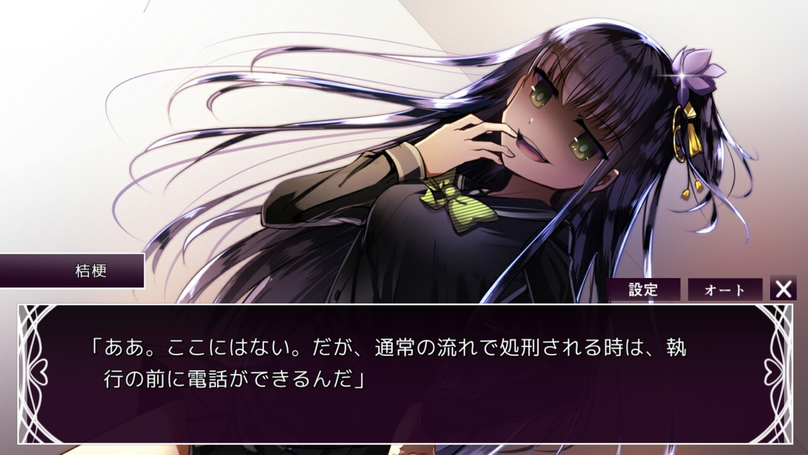
The hero thinks she’s out of her mind, but he’s also a little intrigued. After that, the story settles into daily life. Every day some man and woman step up and declare they’re getting married — though it’s less marriage than a survival pact. The hero can’t find anyone, and his only remaining option is this psycho girl, so he goes to ask if maybe they could tie the knot to get out of here.
“No. I won’t marry someone I don’t like.”
She’s more stubborn than expected. The hero points out it’s a temporary measure — otherwise they both die.
“Then we die!”, she says.
The hero is furious. He even thinks about pulling a knife and threatening to marry her, or forcing himself on her and making it a done deal. She stays calm as ever.
“You can kill me, you can threaten me, I still won’t marry you. I won’t give in.”
He tries to escape once. She reports him.
Eventually he gives up. Figures he’s going to die in here, stuck with a lunatic while everyone else pairs off, declares a marriage, and walks out. In his despair, he has nothing to do but chat with her — there’s no one else left.
And he discovers that this girl has, bizarrely, a rock-solid moral compass:
- Marriage has to be built on feelings. You marry the person you love, no settling.
- Marrying someone you don’t like just to avoid death? You might as well die.
- A law that says you die at eighteen if you’re unmarried is bullshit, and you have to resist it. Resist it all the way to the end.
(So chuuni, so stupid, give me fifteen minutes to laugh.)
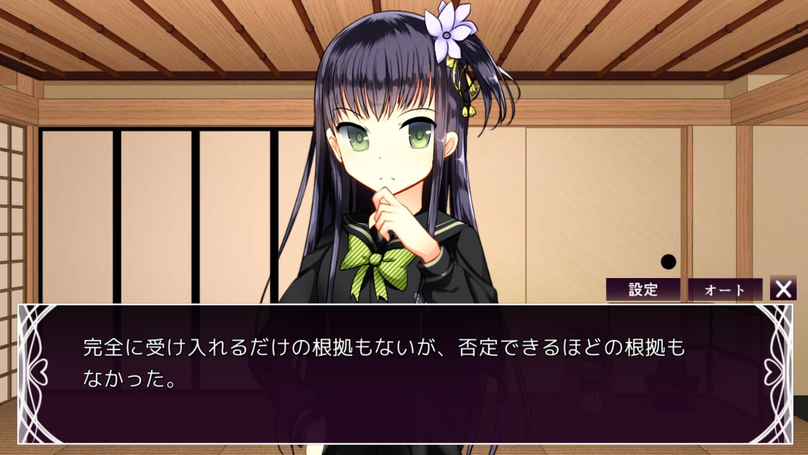
So the hero, figuring he’s dead anyway, starts talking to her about the past — about life, about how he has a family, how he was supposed to get married, how his fiancée cheated on him, how he liked the way things used to be, how the law is unreasonable, but what can you do? Nothing…
You can guess where this goes. The heroine starts thinking the hero is “not so bad after all,” and the hero starts thinking the heroine is “actually pretty great.” Sadly, neither of them ever says it out loud.
The last day arrives. The hero asks her to marry him one final time. She still refuses. Just as they’re about to die, she drops a bombshell: the people who declared marriages and left in the past few days? They’re all already dead.
The hero is stunned. Didn’t they leave to get married? Didn’t they ring the blessing bells?
“Those were death knells. If the couple isn’t in true love when the bell rings, it’s the death penalty. We’re eighteen already. Once we got in here we were dead. The whole thing was just them playing with us.”
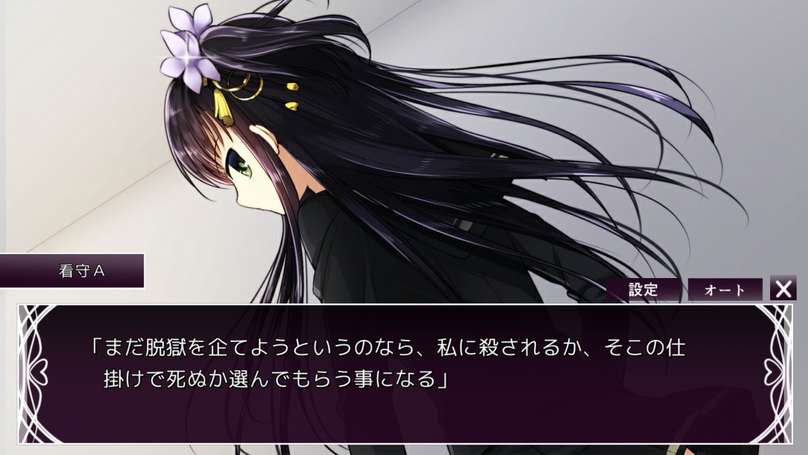
The heroine says she knows more about this prison’s background. Her family seems to be connected to it somehow. But there’s no time; she can’t explain. She only says one thing:
“We have to fight this unreasonable law. Not compromise by getting married. That’s my conviction, and that’s my choice.”
After a stretch of scheming and verbal sparring, the heroine gets a shot at escape. She grabs the hero and runs. She knows the way, she says, and she guides him past trap after trap — until the last one. The hero gets shot dead.

The heroine despairs and kills herself. By then she probably did have some feelings for him.
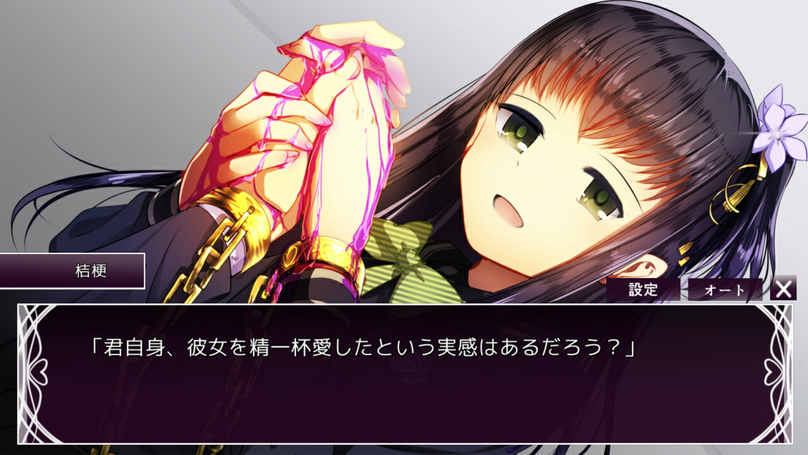
And that’s the game. Or rather, that’s volume one. The other volumes are just stories from different timelines.
So what to make of this? It’s… pretty mid?
The art is decent for a low-budget title, but there’s no voice acting, and the setting is full of holes. If you die at eighteen for being unmarried, what about sham marriages? What if it was true love and then they fell out of love?
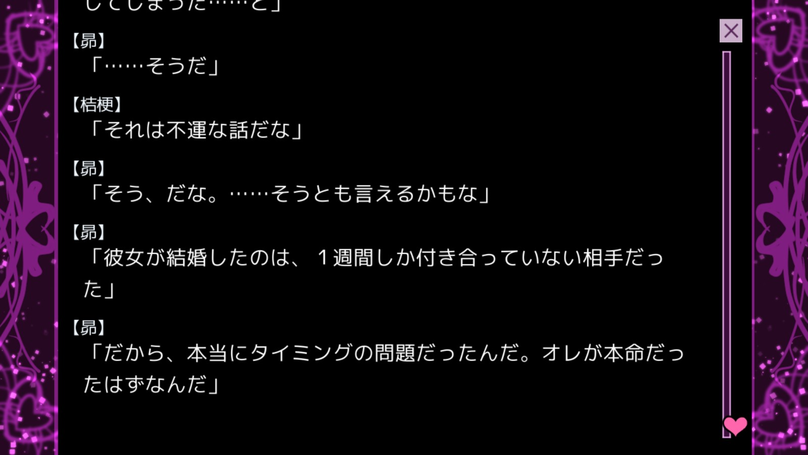
Another problem: in the second half the game falls into the dumb “I’ll challenge the rule-maker” routine. I’ve always thought the truly smart move is to beat someone inside their own rules, in their own world, using your own wits. Most Japanese death-game stories start out that way, and then without exception turn the protagonist into a rule breaker. I’m not saying that’s bad writing — it’s just brainless, isn’t it? The Boss says he’ll play chess with you, beat him and you win. You play three games, notice he’s cheating, so you flip the board, punch him in the face, and declare victory unilaterally. That doesn’t make you look clever, does it? You should’ve just punched him from the start.
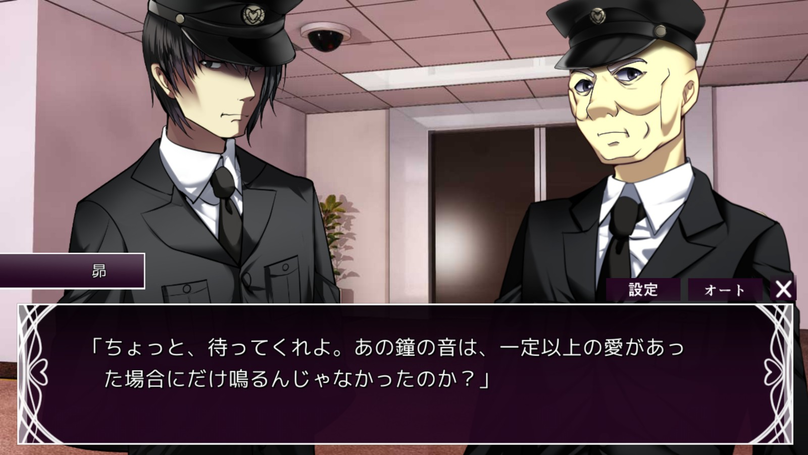
All in all, not a lot of highlights. The later volumes sound just as formulaic. And the game’s real message seems to be “don’t settle for marriage — it has to be true love, otherwise you might as well die.”
Which isn’t wrong, exactly. But marriage really isn’t that simple.
I think back to the older single women in my social feed, most of them devotees of Mi Meng’s brand of advice. Every one of them has shared three kinds of articles:
“Why shouldn’t I be picky at thirty?” “Girls shouldn’t have to earn money anyway.” “A man who’s willing to spend money on you isn’t really in love with you.”
Sure, marriage means true love and feelings. But it’s also family responsibility, and feelings alone can’t carry that. If a person just wants the perks and won’t take on the responsibility…
Then honestly, I think we should just shoot them at eighteen.
Comments are hosted on the Chinese main site. This mirror is read-only.