Hatsujou Sprinkle (初情スプリンクル) Review
You Love the Characters, Not the Story
Looking back on some of my old Gal impressions, I always want to laugh bitterly.
The old me thought a game had to have a good story to be good. And what counts as a good story? It has to have a big twist, but not too absurd a twist — explode the plot while staying coherent, plant a pile of foreshadowing and pick every bit of it back up. Best if it also works in a little life wisdom and the truth of the world. That’s a good game.
Now I see that what I was after was just the “good” games within the story-driven category. But like how a cinema shows more than Hollywood blockbusters, Galgames aren’t only the story-driven kind.
I’ve also thought that if a game can make its characters cute enough, that’s fine too — I just always felt that kind of game was a tier below the story-driven ones. Because those are the big titles, and this is just selling moe character writing, tea-party-slice-of-life level. Like holding up Death Note against Yuru Yuri, or a AAA title against Minecraft — most people figure the two aren’t even on the same level.
But I think that weird superiority complex toward story-driven “big titles” isn’t a good thing. They’re all games, all Gal — all building “a story you find interesting.” One just chose plot, the other chose characters.
And writing an interesting character isn’t simple. I used to lean toward building a character who becomes whole by making choices through the story, but in practice not everyone gets that kind of twist-heavy plot, and the choices made end up like castles in the air, detached from reality. By comparison, the character writing in those despised tea-party games feels more real — like this person is right next to you.
Whirlpool, besides selling washing machines and refrigerators, is also a company that makes porn games. A lot of people call it “Uzumaki-sha.” Honestly the company’s image was pretty middling before, because most of its output was games about romancing “non-humans” — screwing a whale, screwing a dragon, screwing a robot, screwing a ninja cat, that kind of thing. The naming is formulaic too: one kanji plus a katakana loanword (seems like a lot of games do this — do they think it’s cooool?). And beyond the non-human heroine gimmick, Whirlpool’s stories had no real highlights. If anything, they were boring.
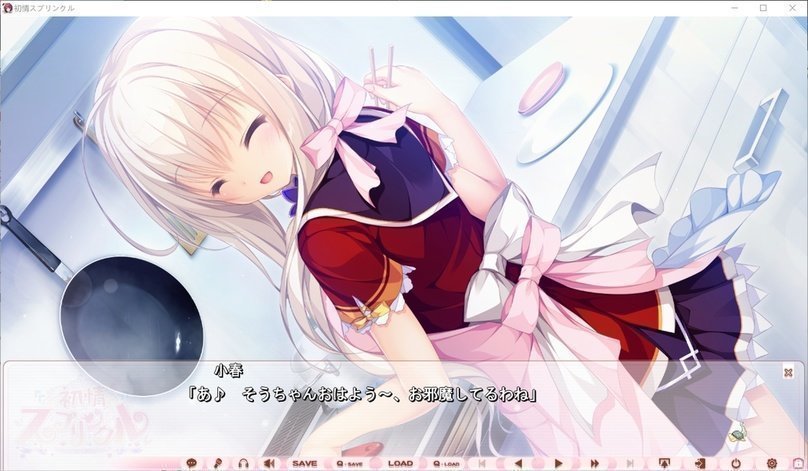
What do I mean by “boring”? The everyday kind where everyone’s nice, everyone talks politely, and it all ends in love and peace — politically correct in every respect.
But that’s exactly why it’s boring!
When Whirlpool announced its new game I had zero interest. It’s called Hatsujou Sprinkle, the theme is witches, and there’s a protagonist who easily makes witches horny — low as hell, honestly, basically a nukige, kind of like Yuzusoft’s early Sanoba Witch. I figured Whirlpool was finally done for after that ninja cat game.
But after playing it, I found it pretty interesting. (Feels like I’ve said that a few times already?)
The setup at the start is about what the description says. The protagonist is a sex-driven pervert. One day he’s grabbed on the street and cornered by a mysterious woman — the heroine, Meidou Hazuki — who claims to be of demon blood. She says she saw his power awaken and thinks he might be a demon too, or that he was influenced by a “magic stone” and awakened demonic power. Right then his power erupts, and under his magic the heroine is forcibly aroused — his ability seems to be something like Lust from the seven deadly sins.
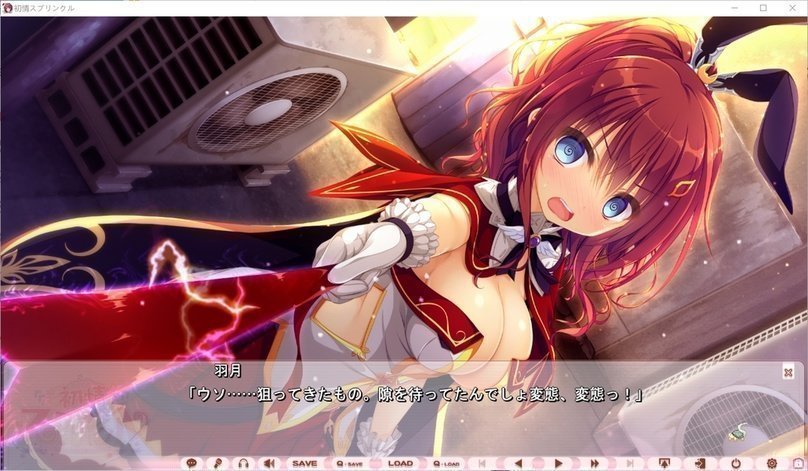
Just as he’s about to rape her, she shoves him off and runs.
Not long after, a transfer student shows up in his class — obviously Meidou Hazuki. She finds the protagonist and says she’s the next head of a demon family. Attending school here is just a front; she’s actually on a mission. Like she said, her family’s “magic stone” was stolen, and there’s a lot of abnormal activity around here, so she came to catch the thief.
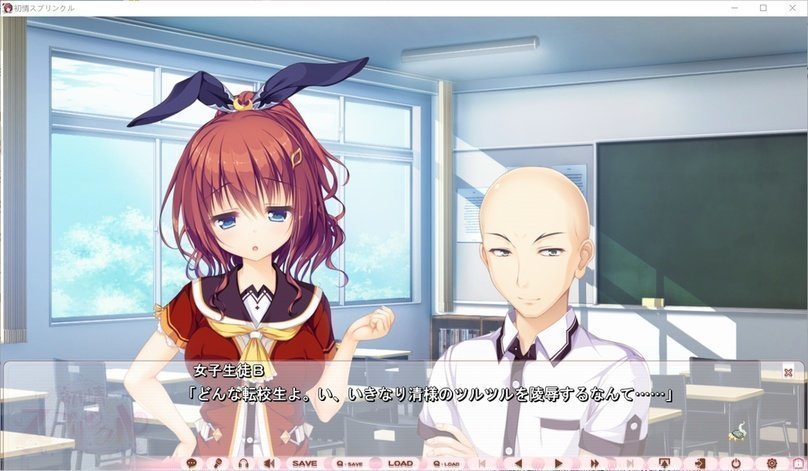
Meidou Hazuki is extremely self-centered, or maybe just a country girl with no worldly experience. First she starts mooching meals at the protagonist’s house every day, then she hijacks the “ramen research club” he runs with his underclassmen, and constantly pesters him to investigate and catch the thief. She’s always overreacting with excess energy, and to outsiders she looks like a terminal chunibyou case.
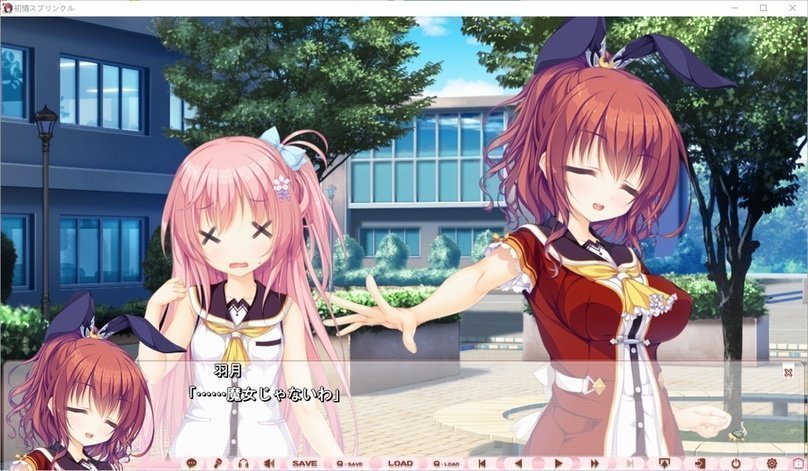
But where did that “magic stone” actually go? The key is with the protagonist’s childhood friend’s older sister. The protagonist has a childhood friend named Hanabusa Koharu, who calls herself his big sister and likes him too. Koharu also has an older sister, and that sister has a turtle — the long-tailed kind. That turtle is actually the “magic stone” — it was in stone form before, but it awakened, turned into a turtle, and ran off, and Koharu’s sister happened to pick it up (at least, that’s her explanation).
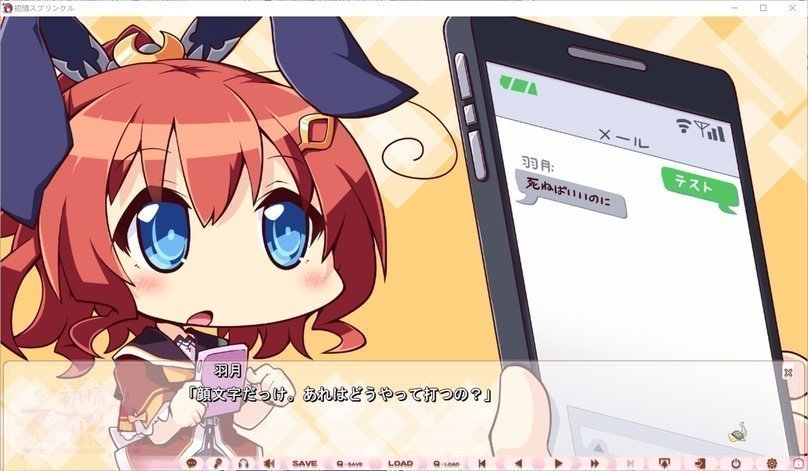
Then one day the turtle escapes and wanders around the school. That’s very bad — it runs into several girls (all heroines), and the turtle fires off its power. Those girls more or less awaken abilities: the protagonist’s two underclassmen, and some other people.
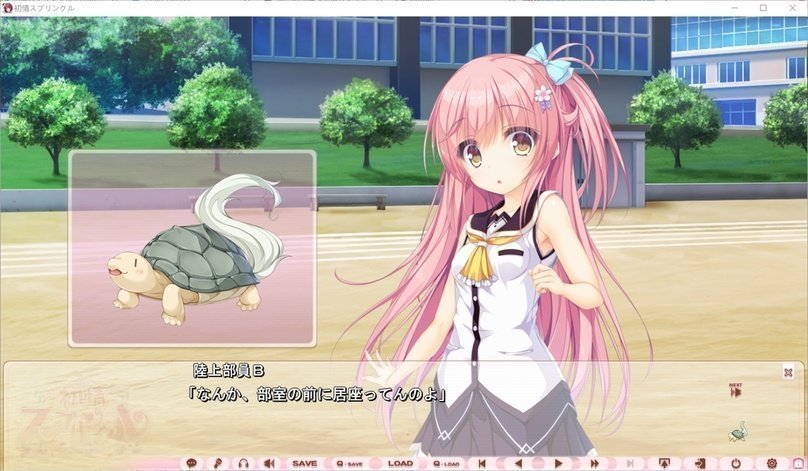
Then one day Meidou Hazuki finally discovers the turtle and the secret behind it, and forces Koharu’s sister to hand it over. Naturally Koharu’s sister won’t give in so easily. The two have a token fight, and in the end she gives up the magic stone — the turtle.
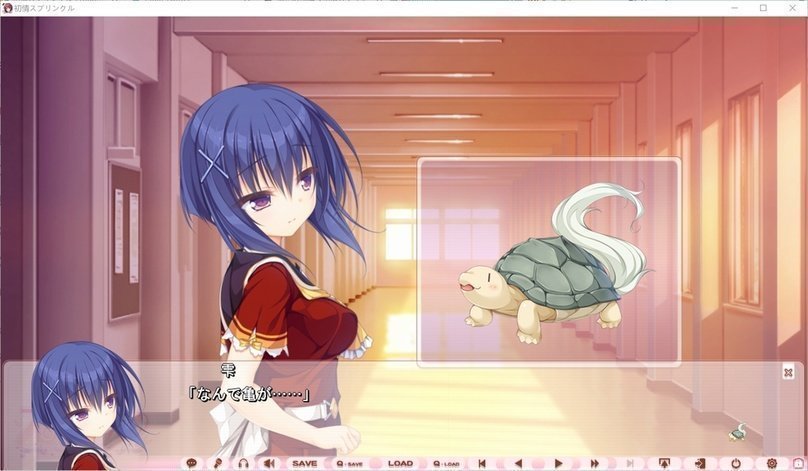
But then a new problem appears. Hazuki’s mother calls, asking how her daughter’s work is going — did she kill the thief who stole the magic stone? Hazuki, figuring Koharu’s sister meant no harm, hides some of the situation. And that concealment triggers her mother’s distrust. On top of that, Hazuki has been calling the protagonist affectionately whenever she goes home, which makes her mother even more suspicious. Later, after Hazuki returns, her mother secretly plants a spy to watch — and finds her daughter barely investigating the magic stone and instead dating the protagonist every day. Her mother is furious, and to put it in the words parents of internet-addicted kids love to use:
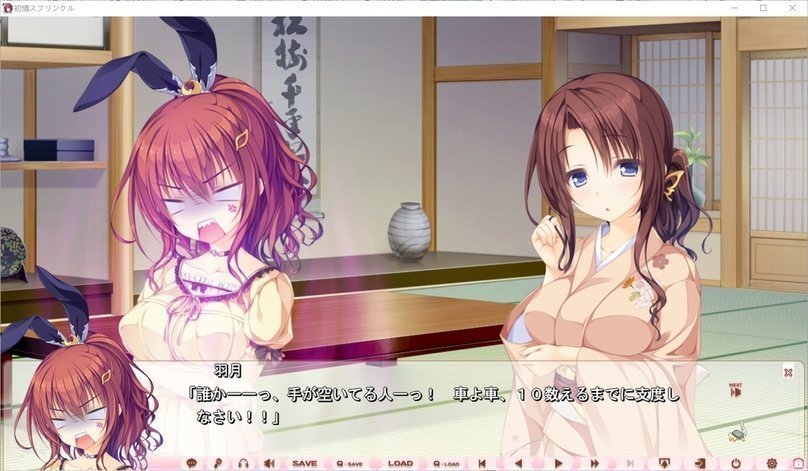
“My child is the best child. She was fine before, and ever since she started dating you she’s gone bad! It’s all your fault!”
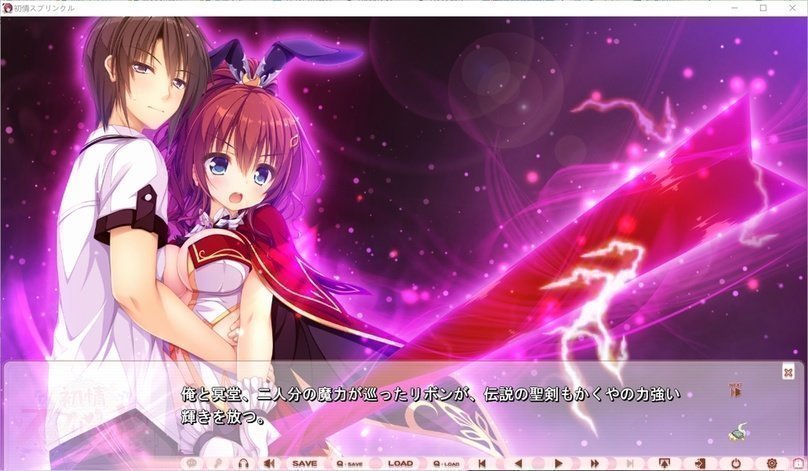
So Hazuki’s mother comes out to discipline her daughter, the daughter talks back, and the rest is a typical mother-daughter conflict arc. After a whole mess, Hazuki wins her mother’s acknowledgment — her daughter has grown up, and since she can handle the magic stone business, it’s no longer a concern. As the next head of the family, she’s capable enough. After that, Hazuki and the protagonist become a pair of idiot lovebirds (?) and stay together.
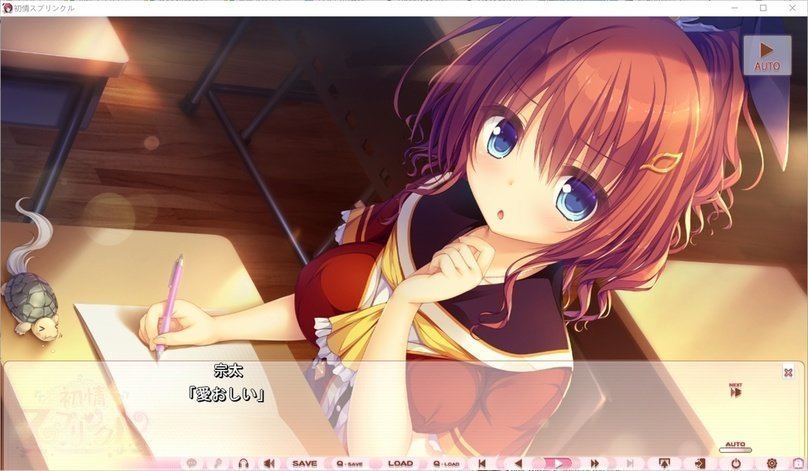
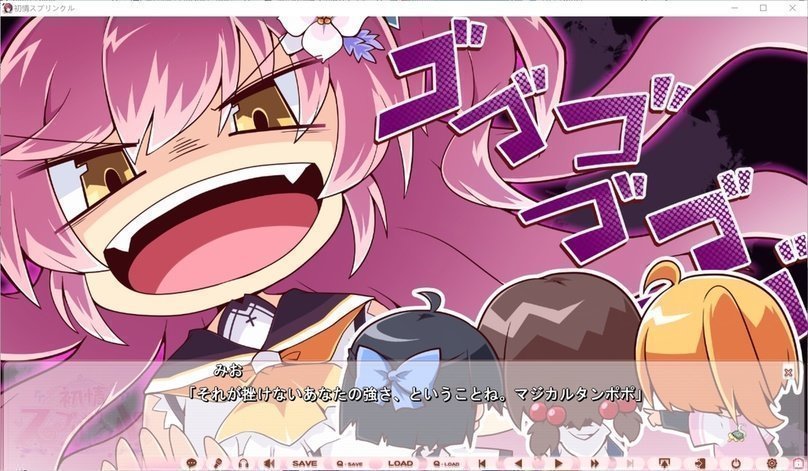
Broadly speaking, Hatsujou Sprinkle’s plot is extremely clichéd with basically no highlights. A transfer student, an ojou-sama, clumsy, a mother-daughter conflict at the end, and finally “the daughter’s grown up, you can’t keep her” reconciliation. Even the “witch” setting is useless — Mio, the second heroine, puts it right: it looks like a “magical girl” show, and the protagonist is the lewd mascot animal.
But the game still exceeds expectations. The point isn’t the plot — it’s the character writing.
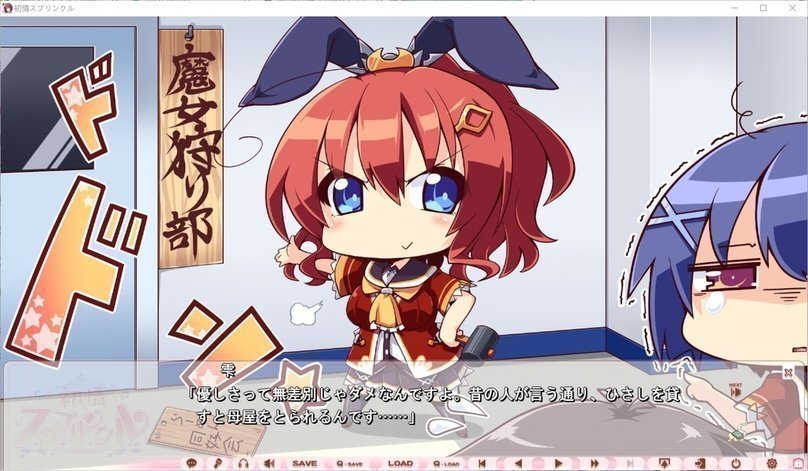
The first heroine, Meidou Hazuki, is very fully drawn. From the first meeting to shamelessly mooching meals at the protagonist’s house every day, and through all the threats and difficulties, her behavior consistently highlights her traits: clear about what she loves and hates, a bit scheming, petty, jealous, a country girl who’s seen nothing but cares about face, a little narcissistic — always going on about being a noble demon beauty. Konbu’s (奏雨) voice work is so-so, but the dialogue lands, so the whole character radiates “cute” everywhere.
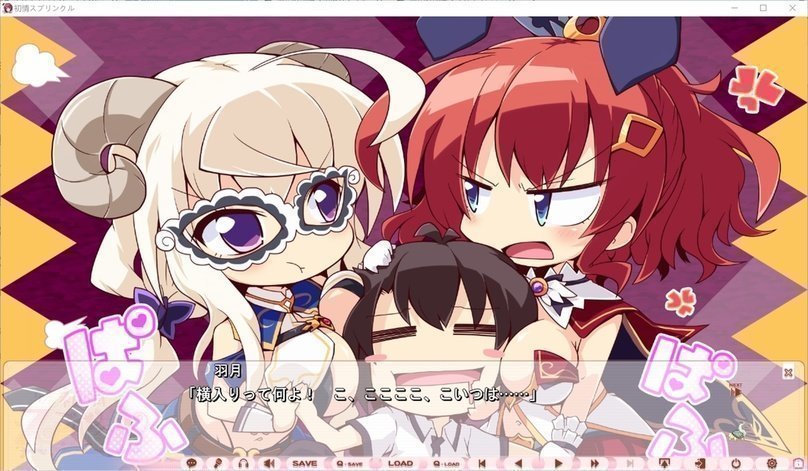
If an eroge can make you feel the heroine is “cute,” it’s basically succeeded. And that’s exactly what Whirlpool’s earlier games lacked most.
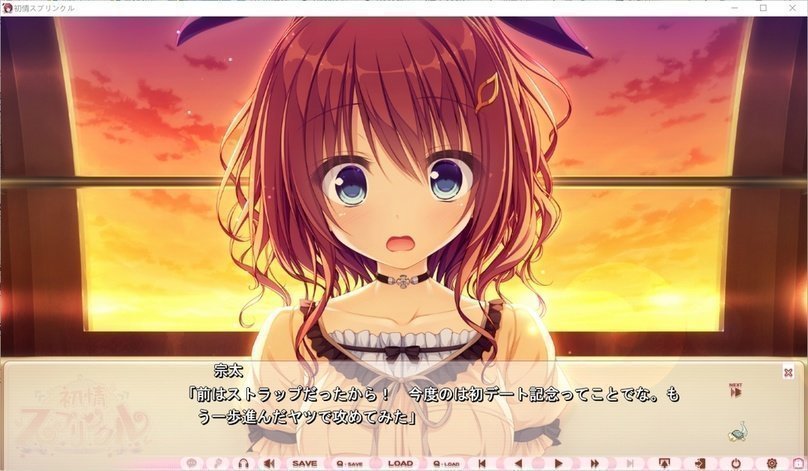
Whether it was the dragon princess or the robot, the setup was by the book. Even the tsundere was textbook tsundere — rarely the kind of casually drawn tsundere this game has. And the old protagonists were all “proper and upright,” painfully straight-laced wooden guys. They’d occasionally snark at a crazy heroine but had no reaction to anything — they looked asexual. This game is different: the protagonist is horny as hell, constantly exploding with lust, ready to fuck at any moment. And he happens to meet a slightly chunibyou demon heroine. Others snark at the protagonist, the protagonist snarks at the heroine — that chain reaction is genuinely fun and makes the daily life scenes enjoyable. By comparison, the main plot doesn’t matter.
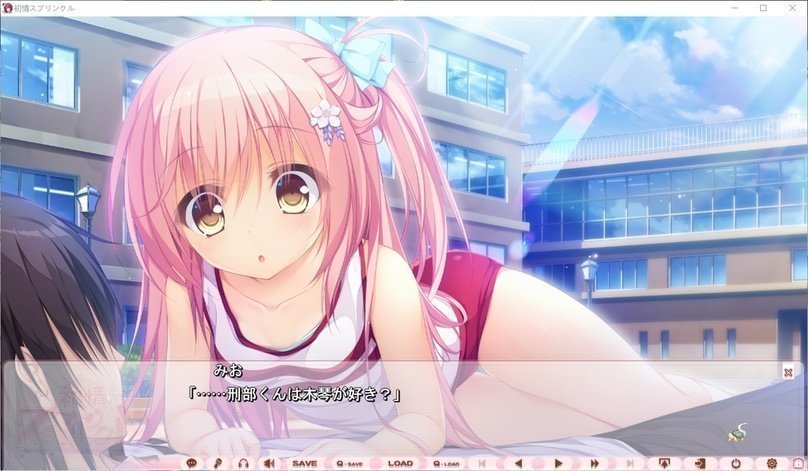
Yeah, the main plot doesn’t matter. I’ve already almost forgotten the details. I just remember the stories between the protagonist, the heroine, the monk, and the cute boy.
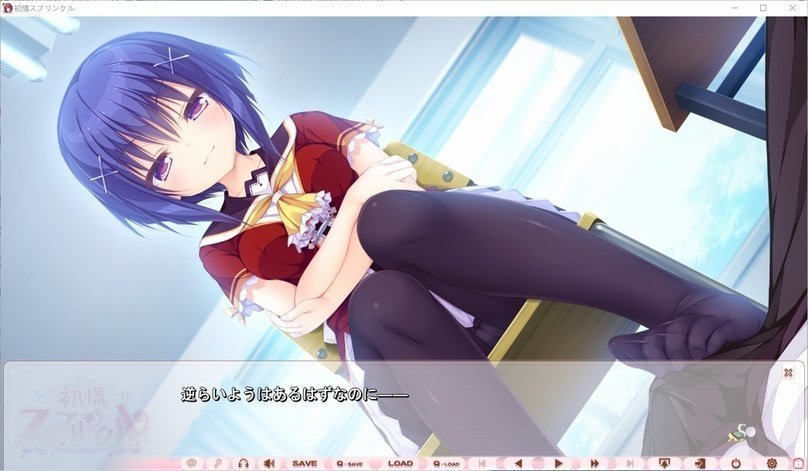
Oh right, there’s a “cute boy” in the game — the protagonist’s relative, Osakabe Kanade. The game introduces him as a boy. He looks cute, and at first I figured the game was just following the trend, throwing in a special character to draw players in. Actually, this game has a route for that “cute boy.”
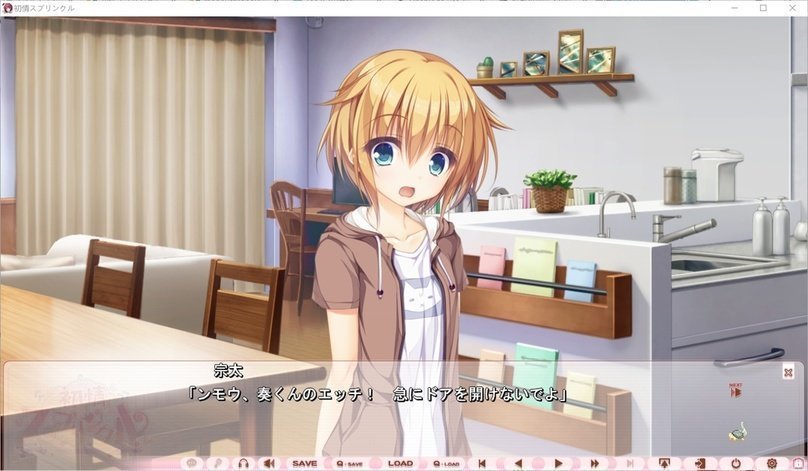
Yes, there’s a route for a boy — provided you clear one route first to unlock it.
And once unlocked, Kanade’s route is deeply stupid.
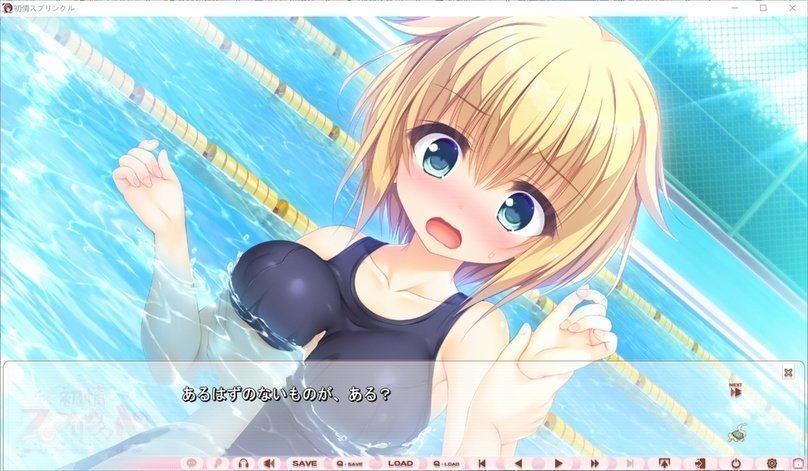
First the protagonist starts teasing the little boy in a totally gay way. Sure, there’s some of that in the common route, but here it’s much gayer. That part is still okay. Then the protagonist does increasingly outrageous things to the boy, sometimes using his arousal power to make the boy horny. In theory the protagonist’s power only works on women — so why does it work on this “cute boy”?
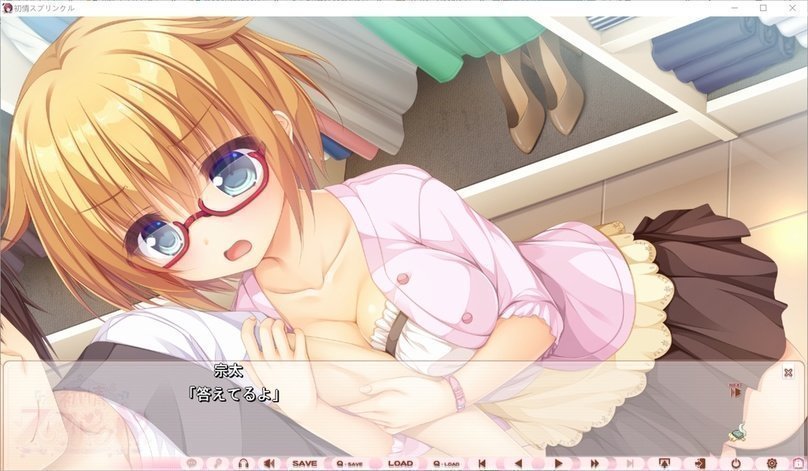
Because he’s actually a girl.
Then the game suddenly tells you this “cute boy” is actually a girl — a hidden girl, for some reason. Once the gender barrier is broken, it’s business as usual…
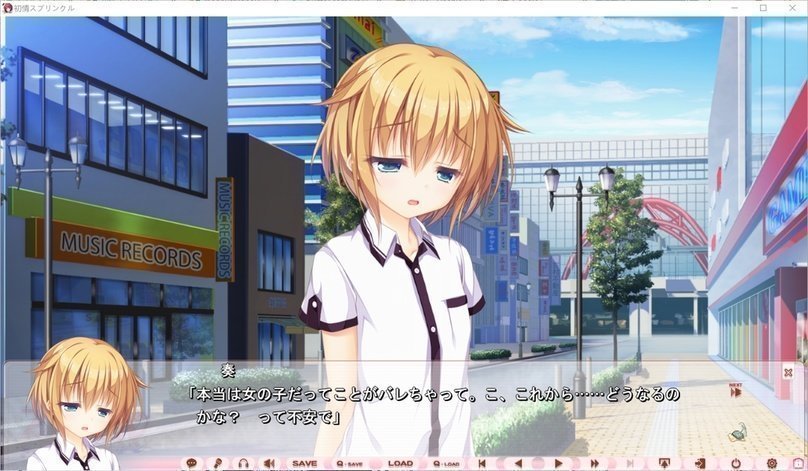
So this route, after all that… isn’t a cute boy, just a girl pretending to be a boy…
Tasteless… no, I instantly felt cheated.
Of course this route is just a bonus side route and doesn’t affect the main story. As a bonus it’s fine.
Overall, Hatsujou Sprinkle is higher in quality and fun than Whirlpool’s previous games. In sheer cute-heroine writing it even surpasses Yuzusoft’s games. The main plot may still be too clichéd, but this is a big improvement. Keep this level of daily-life writing, improve the main plot and setting a bit, add some novelty, and making a classic would be a matter of minutes.
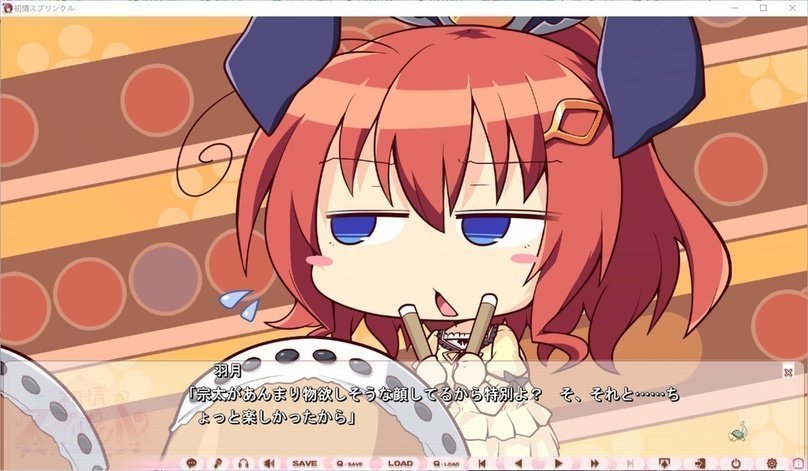
But sometimes I think Whirlpool doesn’t necessarily have to work on storytelling. Just writing good characters is fine too — they could even carve out their own style. Combined with all those “non-human” settings from before, they might just create something distinctive.
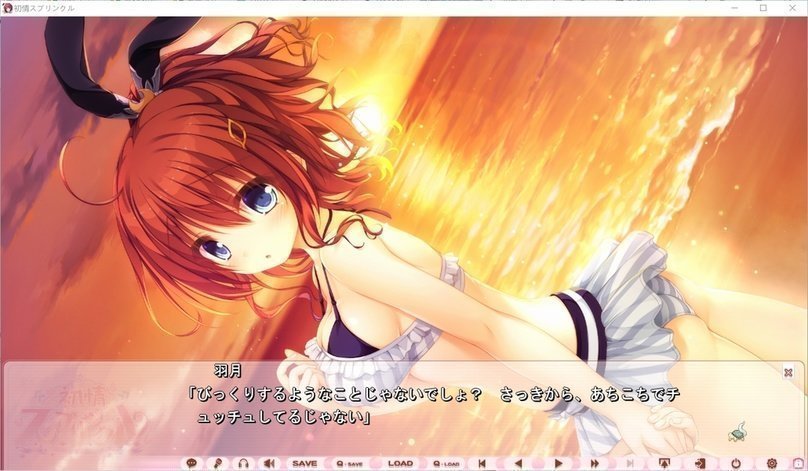
After all, as essentially a “romance simulation adventure game,” you don’t love the story — you love the people.
Comments are hosted on the Chinese main site. This mirror is read-only.