Golden Hour (ゴールデンアワー) Review
Golden Tiny Times
More isn’t really a studio that specializes in galge, honestly. It looks more like…
“A bunch of music people who make galge on the side so they have an excuse to put out albums.”
The company name is MME — MORE MUSIC ENTERTAINMENT. Which is my whole point: their center of gravity is clearly music. Making galge, a cheap kind of game dev, probably isn’t the day job for them. More like a hobby?
Hobby or not, they’ve put out a decent number of games, and they don’t look like they’re doing a “one and done” bit. If anything they keep branching out, spawning more and more sub-brands…
Sometimes I wonder if registering a new brand in Japan is just free. Why else does every eroge company change its skin every other year…
This time the new More brand is called Niko, and their game is Golden Hour (ゴールデンアワー).
I mean, More already had two brands running fine — More for pure-love stuff, Pure More for nukige — and now there’s a pile of sub-labels: Chelseasoft, which looks like it’s going for moege, DOLCE, which put out the little flower of Casablanca, and now Niko. God knows what style this one is supposed to be.
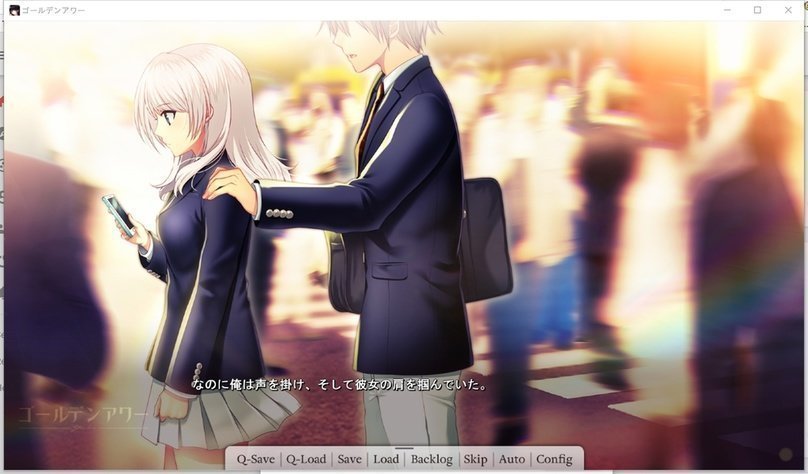
Is it a nukige? The most important question, and you can’t tell at all.
What’s more confusing is that the game’s own description is incredibly vague. The protagonist meets a mysterious girl on the street for no reason. That’s it.
They released the OP right at the start, and the OP tells you nothing. Then came the trial version, and that still tells you nothing.
All we know: one day the protagonist finds a photo on his phone of himself with the class idol, even though he doesn’t remember ever interacting with her. Then he runs into a white-haired girl on the street who looks a lot like the class idol. That’s it.
Can you infer what kind of game this is from that? I sure couldn’t. In the end curiosity beat my nukige abstinence, and I decided to play it.
After playing… there were pleasant surprises and disappointments.
Like I said, the early setup and the official description are both murky. It just says the protagonist finds a photo on his phone with the class idol, Hirose Natsumi, and neither he nor Natsumi remembers taking it. Weird. Then one day he’s wandering the street, sees a white-haired girl who looks like Natsumi, and she calls herself Yuki. She snatches his phone, sees the photo of him and Natsumi, smirks, and says:
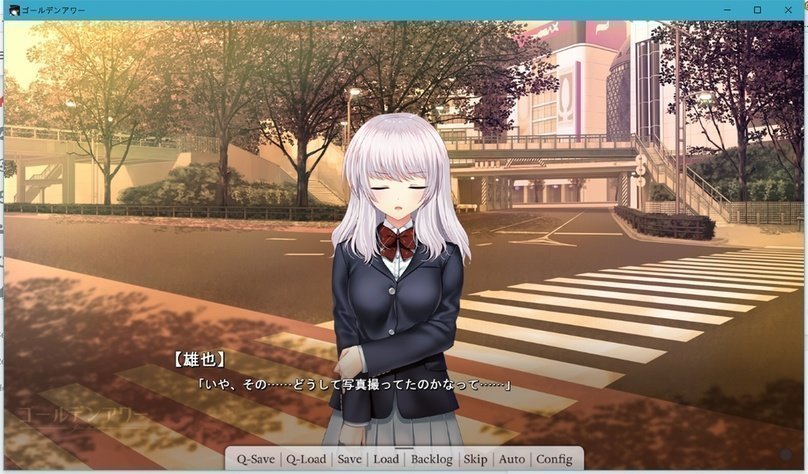
“You like her, don’t you? Don’t worry, I’ll help you win her over.”
After that the protagonist gets dragged around by Yuki, learning how to confess to Natsumi, how to pick date spots, how to open conversations, how to raise affection. He doesn’t actually know if he likes Natsumi, but Natsumi starts liking him more and more. And conversely, every time he tries to confess to Natsumi, what pops into his head is Yuki.
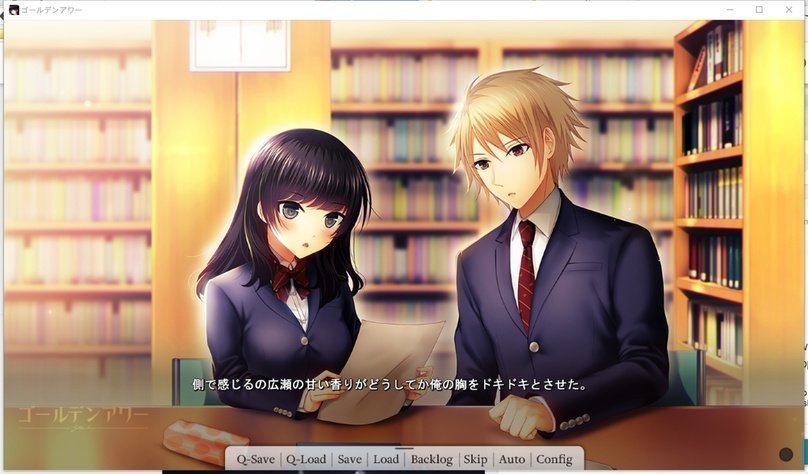
So at the first confession Yuki plans for Natsumi, the protagonist chickens out, because he’s thinking about Yuki. He’s sure something happened between him and Yuki, he just can’t remember what.
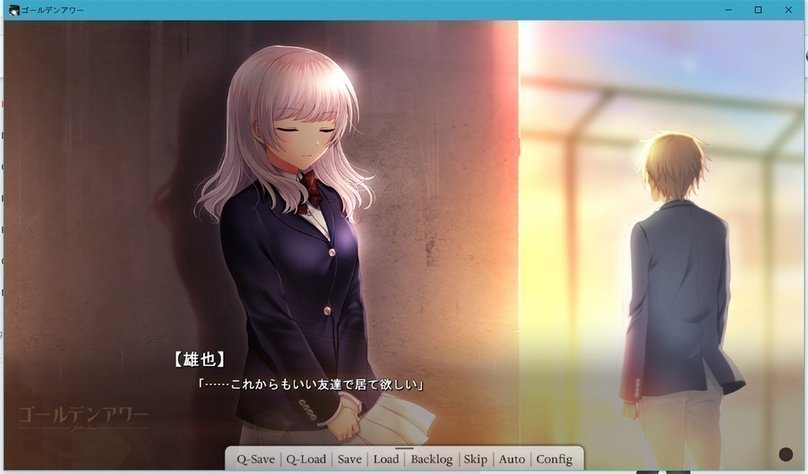
Yuki is furious that the first confession failed, but she bounces back fast and tells him to prepare for a Christmas confession:
“There’s still a chance. You can’t fail next time.”
So up to Christmas the protagonist is with Yuki the whole time preparing. And during that prep he realizes Yuki is actually pretty great, and that he’s somehow fallen for her — or rather, he never really loved Natsumi to begin with.
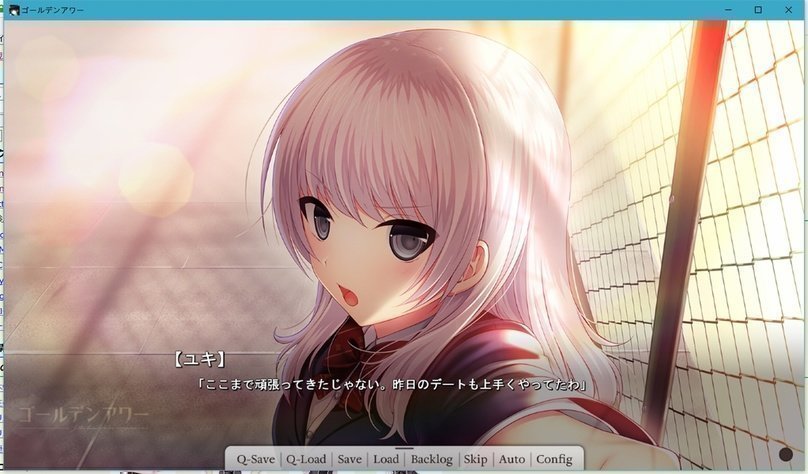
At Christmas he gives up on Natsumi and chases Yuki instead.
Yuki rejects him at first, then somehow… accepts, and they spend a week lovey-dovey, doing it every which way.
Then after this short romance, one day Yuki tells him she won’t be around anymore, to be good to Natsumi, and she also tells Natsumi about herself.
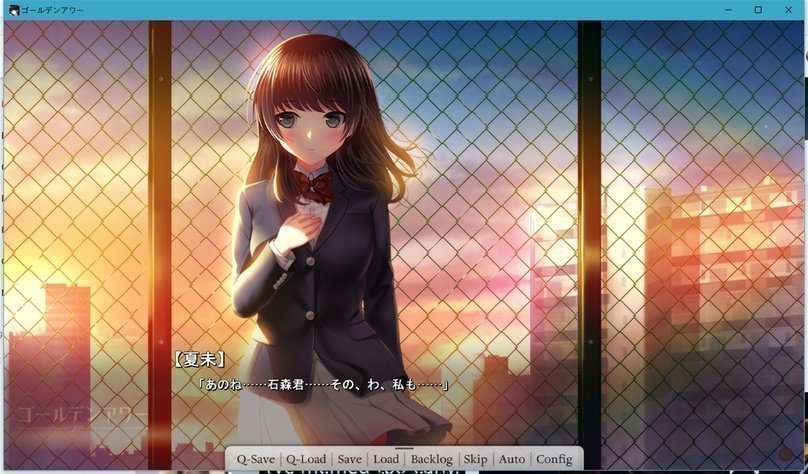
So at some point Natsumi finds the protagonist, and he realizes Yuki has suddenly vanished. Natsumi then tells him the truth about Yuki.
Yuki is actually Natsumi’s older sister, named Natsuki. Originally Natsumi liked the protagonist — he’s on the soccer team — and Natsuki, as the big sister, wanted to help, so she told her:
“You like him, don’t you? Don’t worry, I’ll help you win him over.”
So Natsuki shows up in front of the protagonist and makes a bet with him, saying he has to grant her one request. He gives her a hard time: “Beat me at the arcade first.”
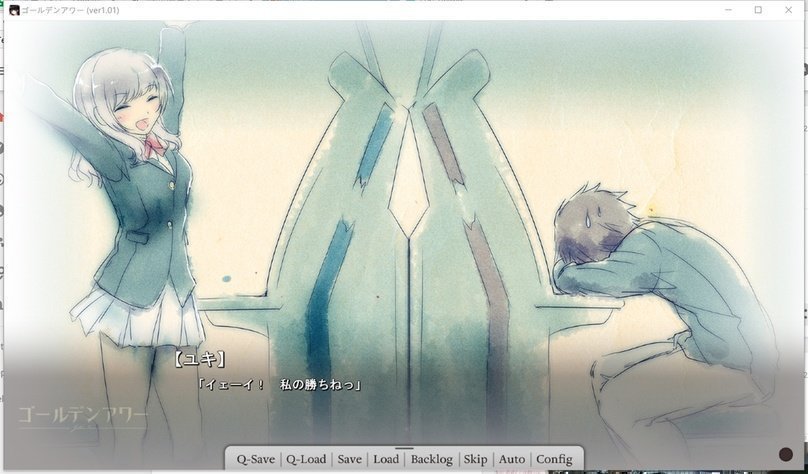
Natsuki trains hard at the arcade against him, finally beats him, and tells him to go on a date the next day.
The protagonist assumes Natsuki likes him. Through all that arcade time he’d started to like her too, so he’s happy, thinking the date is with her. He shows up, and waiting there is the little sister, Natsumi.
He half-asses his way through it, Natsumi is heartbroken, and her confession gets ignored.
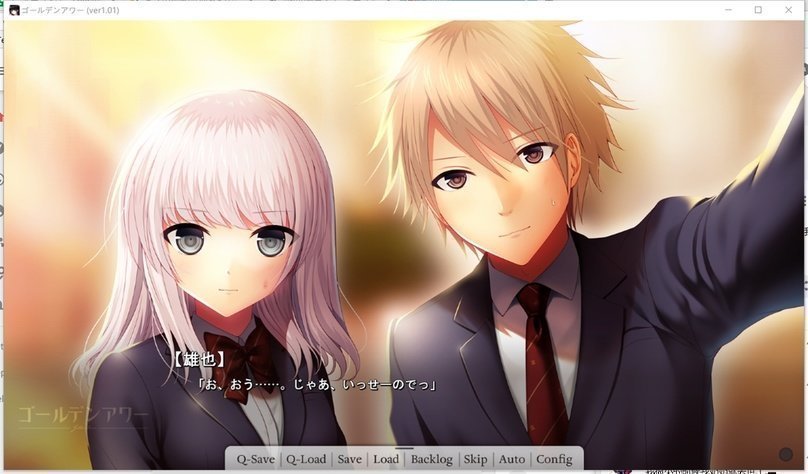
Natsuki finds out her sister got mistreated, gets pissed, and confronts the protagonist. He says he actually likes Natsuki, and she freezes…
She was supposed to be helping her sister, and instead she stole her sister’s crush. And she realizes she can’t quite refuse him either.
The sister is sad but says she doesn’t blame her big sister — if Natsuki wants to date him, go ahead. Natsuki can’t help it; you can’t hand over feelings. So she agrees. The sister supports Natsuki’s relationship, the three of them go out together, and they take a photo — all three of them, on a phone.
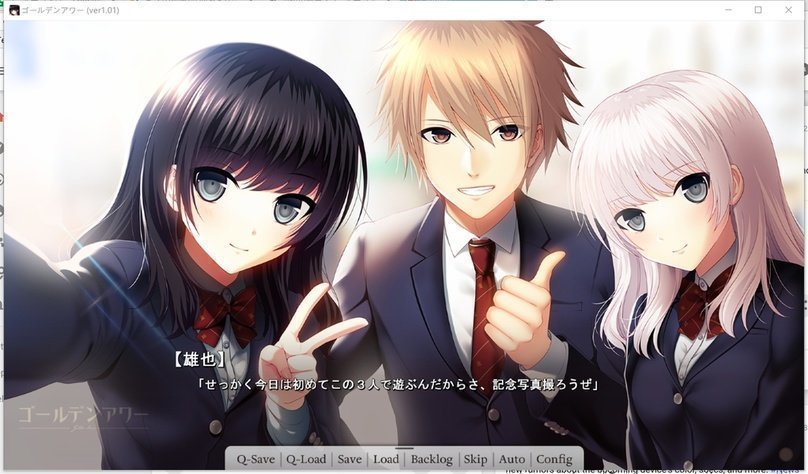
Then one day the soccer team is taking a bus to a match. Natsuki gives the protagonist a letter and tells him to read it secretly after they leave. It’s a love letter (probably?). He leaves, and then it happens.
The bus crashes. One side is smashed badly, and the protagonist was standing right at the front side of the bus. He’s basically done for.
Why was he there? Because he moved to the front of the bus to avoid his teammates and read the letter.
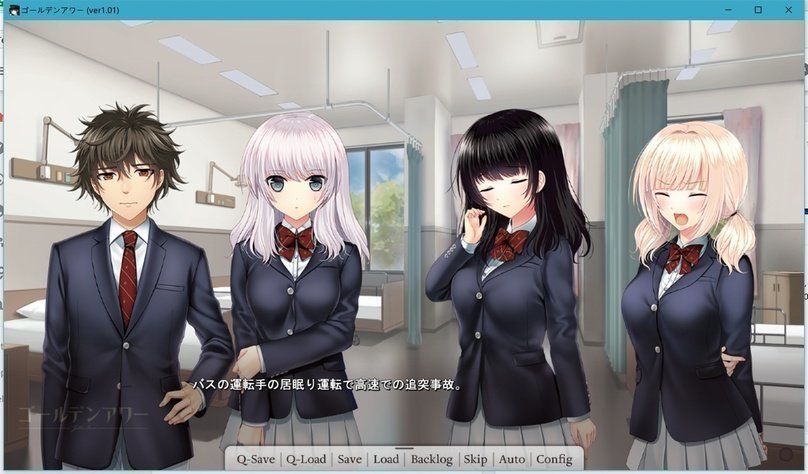
Natsuki is devastated. Because of her, he died indirectly. She stole her sister’s man and killed her own lover. She thinks about suicide, and as she’s about to do it, she hears a demon whispering:
“Dying like this is worthless. Why not trade something?”
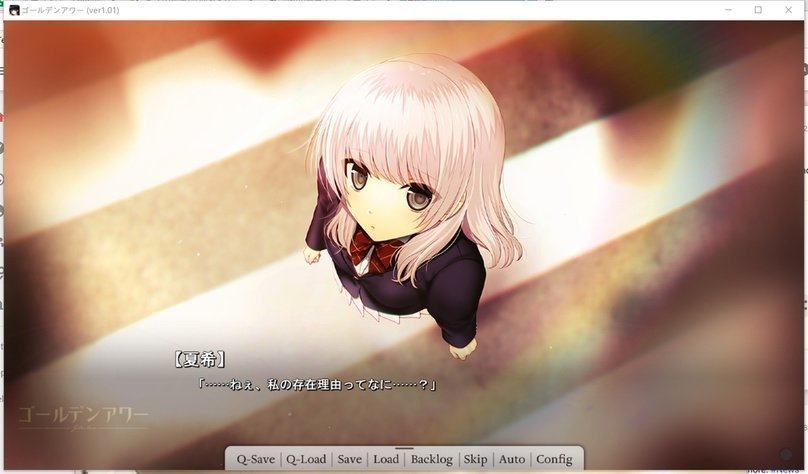
After that Natsuki finds she did die, but woke up again — standing in the middle of the road.
“Why am I still alive? What is the point of my existence?”
She realizes she’s been erased from this world, like she never existed. And because of that, the protagonist only got lightly injured in the crash — no letter, after all.
Natsuki renames herself Yuki and wanders the streets every day. She meets the protagonist again and sees the photo on his phone — the three-person photo, except she’s not in it. Only the protagonist and her sister.
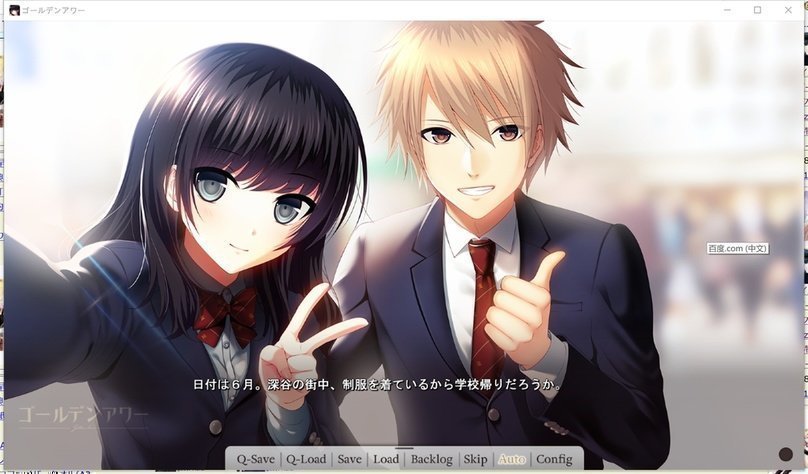
Natsuki smiles at him and decides to correct her past mistake, to return the protagonist to her sister. Maybe that’s the meaning of her still being alive. She tells him:
“You like her, don’t you? Don’t worry, I’ll help you win her over.”
So that’s the setup. Yuki’s real identity is Natsumi’s older sister, who indirectly caused the protagonist’s death and made a deal with a demon at her own suicide, trading her own existence for his life. Her brief remaining time was only to fulfill her wish of giving him back to her sister.
Now the sister has vanished, and the protagonist later finds the demon and makes another trade — sacrificing himself to bring Natsumi’s sister Natsuki back.
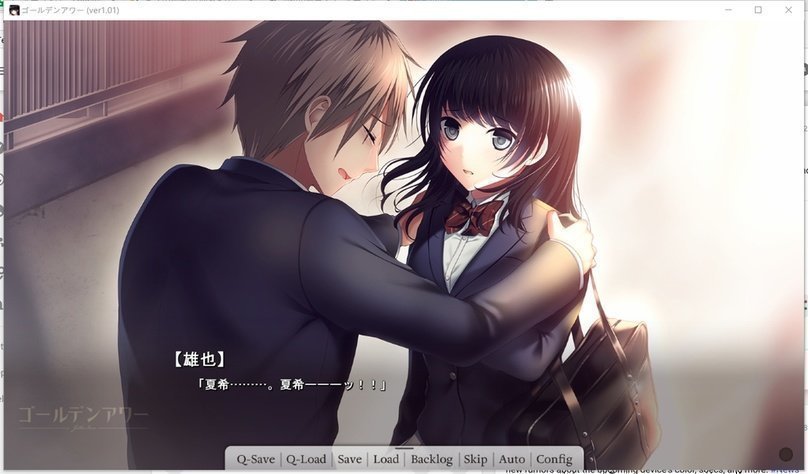
At the end of the game, Natsuki is at a busy downtown intersection and sees the protagonist again. Maybe, like her once, he has a reason to exist and has reappeared.
The game is called Golden Hour because in-game, golden hour refers to the flow of people at Japan’s busiest crossings, that coming-and-going feeling. Natsuki says she loves watching the crowds, her first resurrection happens amid the crowds, several of her meetings with the protagonist happen there, and she likes taking phone photos of the crowds.
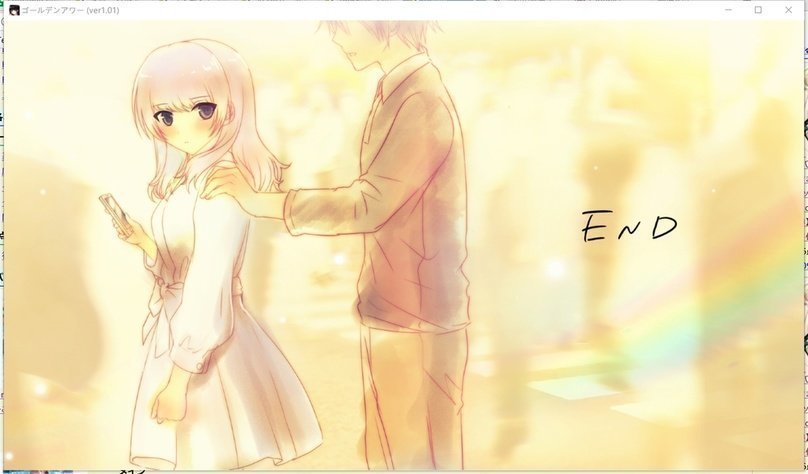
That’s the title drop, I guess.
The game is basically one main route for Natsuki, though there are other heroines. The others are mostly personal problems that drift off the main line — each has her own flavor, but they’re common in plenty of other games, so I’ll skip them. Hell, Natsuki’s route is common too. “A mysterious girl shows up, turns out she’s a time traveler” has been done before. So why does Golden Hour feel so fresh?
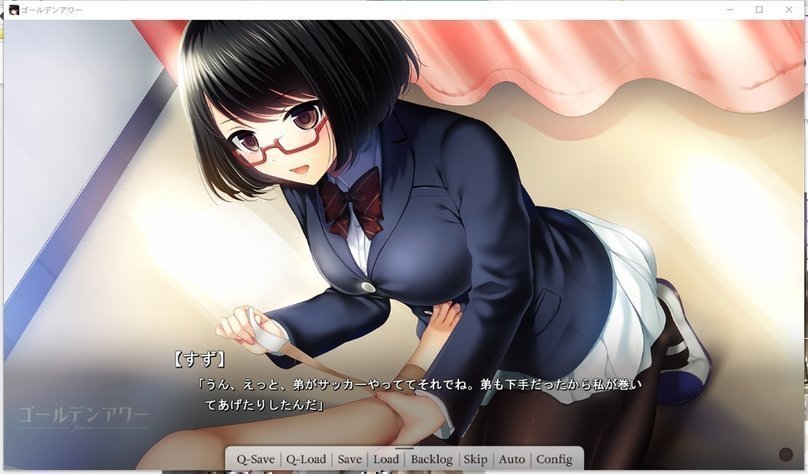
The main reason is the art style and the dialogue. This game looks way too “mature” for its genre, fundamentally different from the overly kiddie, moe-bait ACG time-travel stuff.
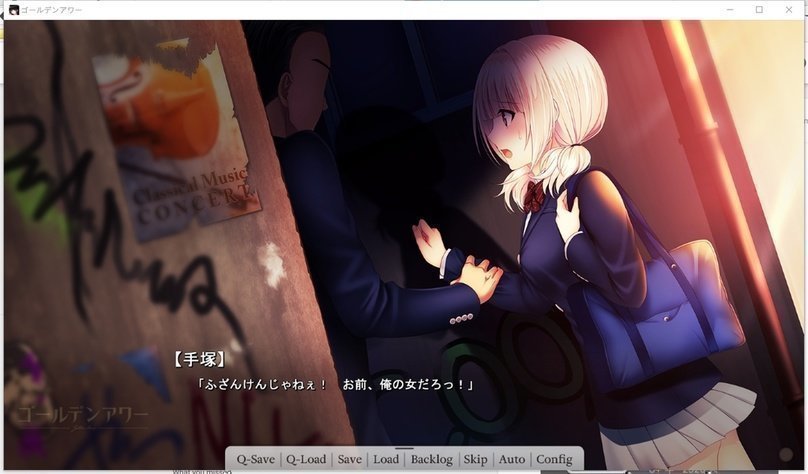
The artist, Yoriko Minamihama, has plenty of experience drawing full-figured young women. The characters she draws, apart from the eyes, mostly escape the “moe” category. The dialogue feels more youthful, closer to the kind of youth-campus web fiction we have in China — the kind with relatively little internet slang. Plus the game keeps a mysterious vibe at the start, and that combination creates a really interesting chemical reaction, giving people who’ve seen every Japanese galge trope a sense of novelty.
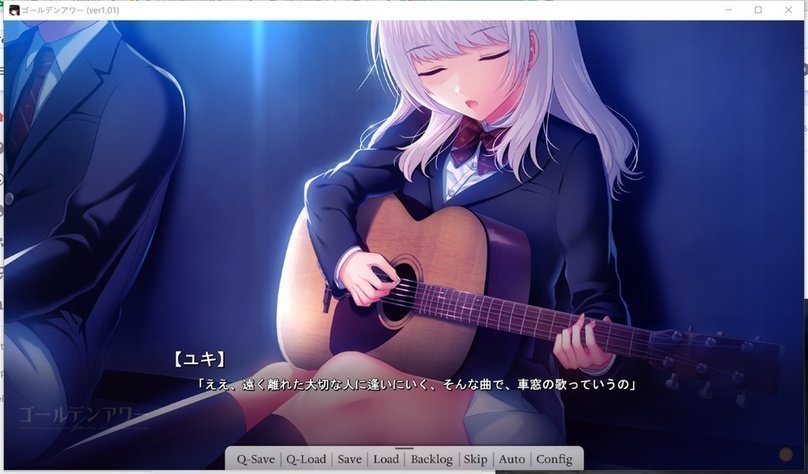
The game has plenty of flaws. The one-on-one between the protagonist and his former teammate, and a lot of other protagonist scenes, have no CG. The music is still that electronic slow-jam stuff, some of it still sounds cheap. The OP animation gets reused several times. But overall nothing fatal.
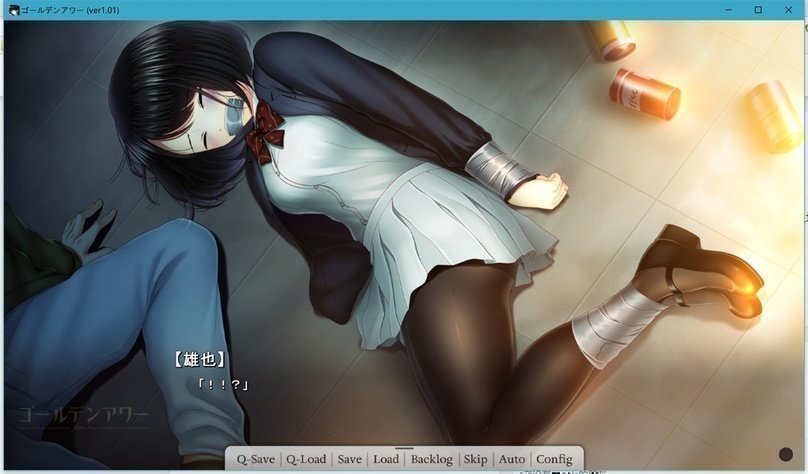
Even with the formulaic setup, the polished packaging makes it feel like a surprise, and the game genuinely tells a complete story with proper setup and payoff. Small foreshadowing like the photo of the protagonist and the sister gets explained — the photo was originally of three people — and after learning the truth you want to slap the table. Getting common material to this level is no small feat.
Though while playing, I kept feeling the everyday atmosphere was similar to some Chinese campus novels I’ve read…
I thought about it and yeah, there’s a bit of Duo in the Dream (梦里花落知多少) in there. Including the protagonist watching other girls pair up with guys they don’t really love just because they “want a boyfriend.” That kind of craziness done in the name of “youth” rarely shows up in galge with their severe virginity-complex macho bullshit, and that’s exactly what makes this game a little different.
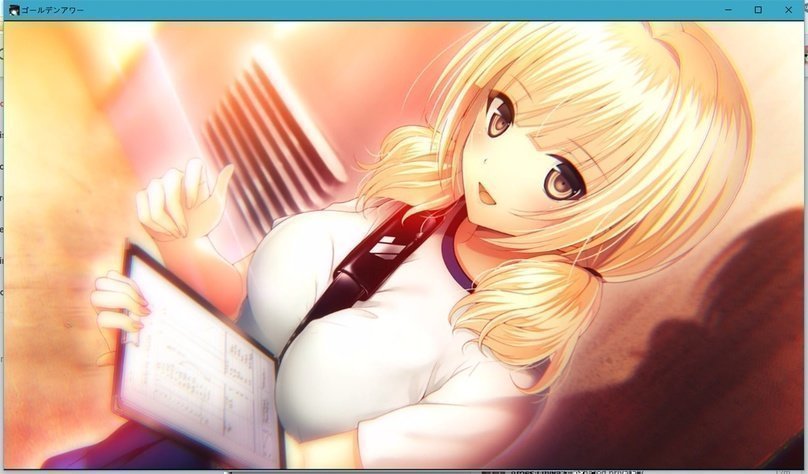
Oh right, I know Duo in the Dream was written by Guo Jingming, and supposedly plagiarized. But honestly, I’ve read Tiny Times too, and Golden Hour’s depiction of the messy two-guys-three-girls web in some chapters has a real Tiny Times feel — just without the luxury goods as set dressing.
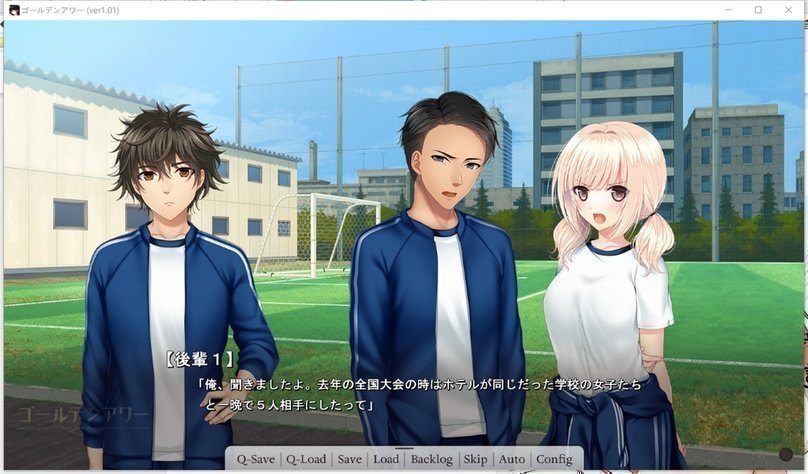
Jokingly, Golden Hour could be translated as Golden Tiny Times, huh? (lol)
Oh right, speaking of games from the More crew — the protagonists always get it rough. Dead, cuckolded, or… turned into a ghost.
Comments are hosted on the Chinese main site. This mirror is read-only.