Making Lovers (Making*Lovers) Review
From Web Dev to Kept Man
A while back I was mulling something over:
Which visual novel actually delivers a romance experience closest to the real thing?
Advertisement
If I’m forced to answer, the first thing that pops into my head is a game from a company called SMEE.
Yeah, SMEE and HOOKSOFT are basically the same outfit. They bill themselves as focusing on “romance by stages” — the whole hero-meets-heroine, gets to know her, falls for her, and then, uh, conspires with her… wait, no, marries her kind of flow. That’s what they say on the tin, but the games themselves don’t always look that way.
How to put it — a lot of SMEE games feel like gag routines strung together through everyday life. Early on, Fureraba Friend to Lover wasn’t that blatant about it. But later stuff like Pure×Connect and Step Kanojo started leaning harder into comedy, using exaggerated presentation to sell the heroines’ quirks and the protagonist’s snark. Sometimes the protagonist himself turns into a total creep just so you have something to roast.
SMEE’s comedy path keeps veering further off course, though. Last game, that “country love” one, was basically a joke collection — the heroines had no personality, the art was unsettling, and I had a genuinely painful time playing it. Listening to Honda-san’s country ojou-sama rattle off scatological jokes one after another, plus bits about a bunch of people observing sperm… I didn’t know whether to laugh or cry. The confession at the end was cookie-cutter and half-hearted, and it wrapped up out of nowhere.
Personally, I prefer the style of early SMEE like Fureraba. There the conversations center on “getting to know the girl,” most choices are about communicating with her, and many of the women feel close to real romance — especially Mochizuki Rina and the vegetable-selling senpai Sawatari Misaki. That’s why I say SMEE’s games are closer to real love.
And now SMEE is back with a new title: Making*Lovers. Still about the player searching for a partner, still that witty, chatty style. They even put out a super simple preview version first — a few minutes of dialogue per heroine, nothing you could really judge. A trial version came later, but I couldn’t be bothered since the game was about to launch.
After finishing the retail version, I have to say this is probably SMEE’s second-best game in recent years, after Fureraba.
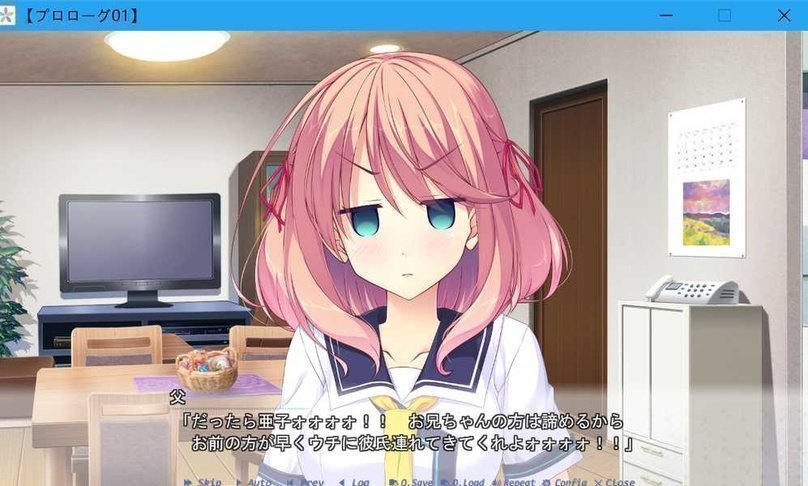
The setting of Making*Lovers is different from the usual “school romance.” The protagonist is already working — actually, he quit after a year-plus on the job, aiming to become a Web Designer… a front-end dev, aka a “page monkey.”

You can infer he’s somewhere between 25 and 30, has a non-blood-related little sister from a remarriage, rents alone in a slightly larger Japanese city, and is studying front-end stuff to find work again while his parents breathe down his neck about marriage.
Doesn’t that protagonist setup feel familiar? Honestly, most visual novel audiences are roughly this guy, yet most VNs still give us the same goddamn high schoolers — even college-age protagonists are rare. So SMEE’s lead here feels strikingly real.
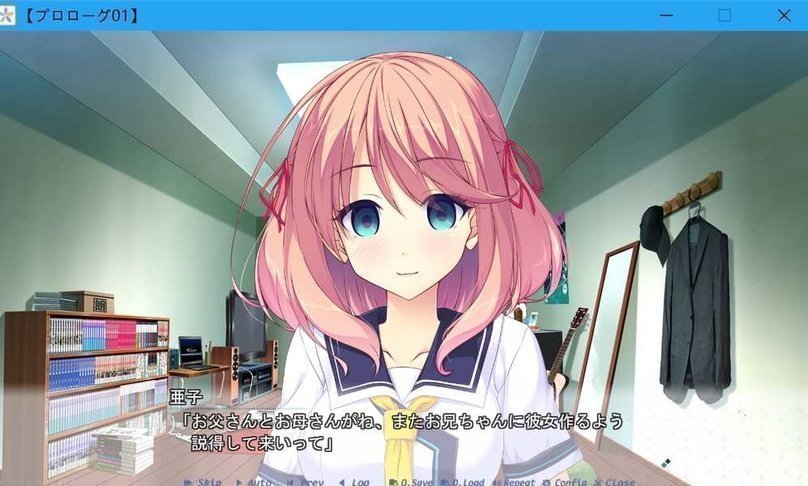
Most of the game unfolds exactly like the title: “making a lover.” How do you make one?
You know — “encounters” and “matchmaking”… and boosting domestic demand.
The protagonist starts off loudly declaring he’ll embrace 2D and can’t be bothered with marriage. But his parents keep sending the little sister over to lobby him, and eventually he admits he doesn’t actually want to die alone — he does want a girlfriend. So by some mix of coincidence and nagging, he agrees to a mixer his buddy set up and begins the matchmaking grind.
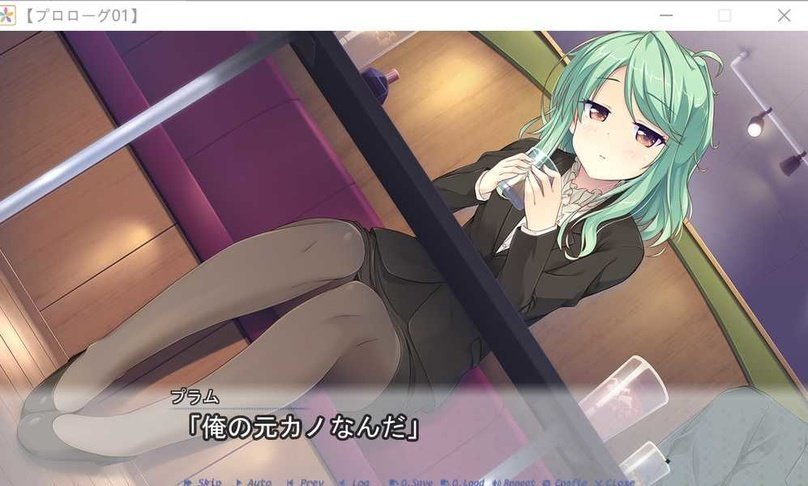
At these mixers you can run into a college classmate and spark something from that connection. You also get the chance to meet a TV weather announcer onee-san under the guise of matchmaking. Or bump into a waitress while you’re in the bathroom. Or meet a student model. And if none of them appeal, you can always eat close to home and go after your own sister.
One thing needs saying: the biggest difference between Making*Lovers and other VNs is that there’s no common route.
The route branching is brutally simple. If you show even a slight preference for a girl you’ve met, then after the OP you lose the chance to meet anyone else.
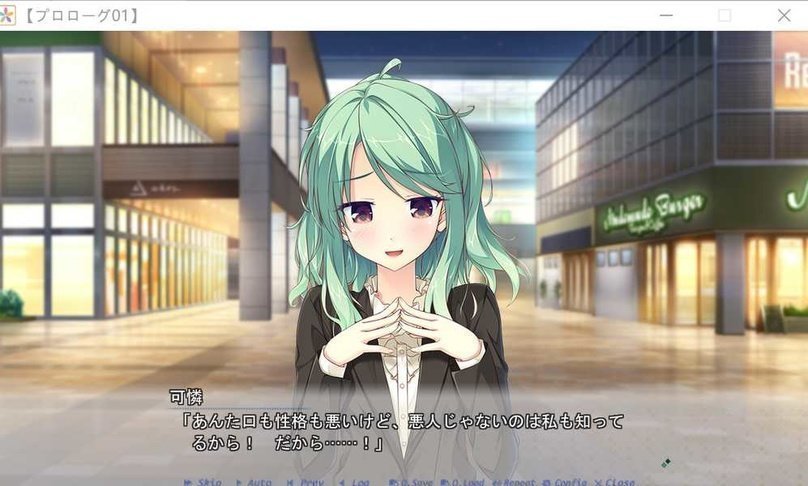
For example, I went to the protagonist’s first mixer but didn’t lean toward the college classmate. The next day I chose a second mixer and met the TV weather girl: Naruse Saki.
And that’s it — say goodbye to the other heroines. The game doesn’t let you “meet the other girls first, decide later” like earlier SMEE titles. One choice locks your route, then you go through the progression arc -> romance arc -> ending.
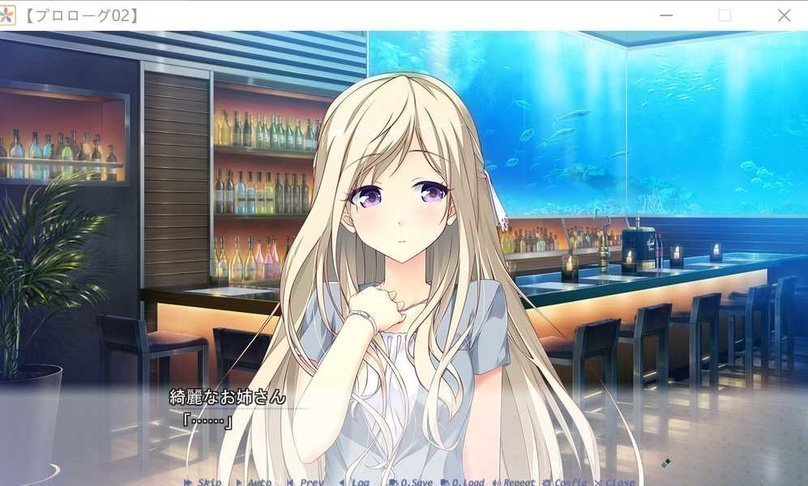
You can see this SMEE entry completely abandons the traditional “introduce all the girls, pad it with a bunch of pointless common route, then one choice picks your route” formula. It leans 1v1. That’s a double-edged sword: the bad is that I parted ways with plenty of heroines before getting to know them; the good is that the romance writing can be more focused and real.
And yeah, the romance depiction here is at least 80% true to life. The things the heroines say are things real girls say. The awkward matchmaking scenes ring true too — like the first time the protagonist agrees to meet the “onee-san” his buddy set him up with, he finds Naruse Saki drinking alone at the bar. It’s a blind date, so both are nervous. He doesn’t know what to say, Saki doesn’t either, and it’s pure forced small talk. He thinks she’s gorgeous and panics about dead air, so he just keeps talking. Exhausting.
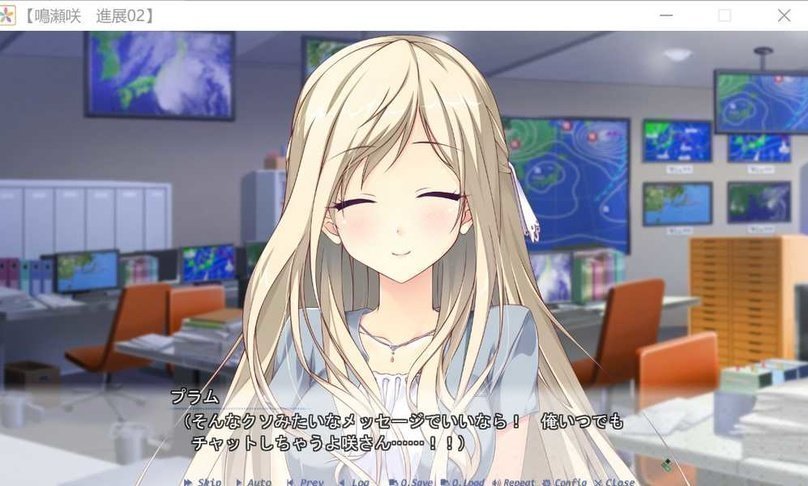
Then his buddy calls and says the original “onee-san” isn’t coming. The protagonist realizes Saki isn’t the woman he was supposed to meet at all, and Saki says the same thing happened on her end — they both mistook each other for someone else.
After that they both exhale, the conversation loosens up, and there’s no more awkwardness. Topics keep flowing, and they start to like each other.
So the absurd-yet-romantic part is that feelings always crop up in the most random places.
Things proceed smoothly from there. The protagonist gets more chances to see Saki and learns she works at the TV station doing weather. As they spend more time together, Saki half-jokingly says he might as well be her boyfriend — she’s been single so long she can’t get married anyway. He doesn’t refuse, and the relationship gets confirmed in that half-joking way.
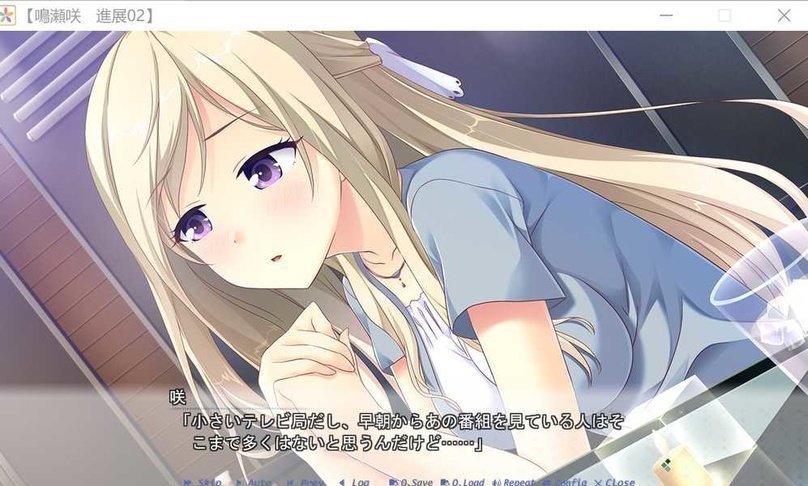
As they get closer, he finds that although Saki is an older onee-san, she’s more naive than he imagined — there’s a lot she doesn’t understand. And she doesn’t really like her job:
“I never knew what I should do. My parents decided everything. They said the TV station was good, I thought reading the weather didn’t sound bad, so I went.”
“I studied meteorology in college thinking I’d research how weather works, but now I’m basically a mouthpiece reading forecasts. I’m about to quit.”
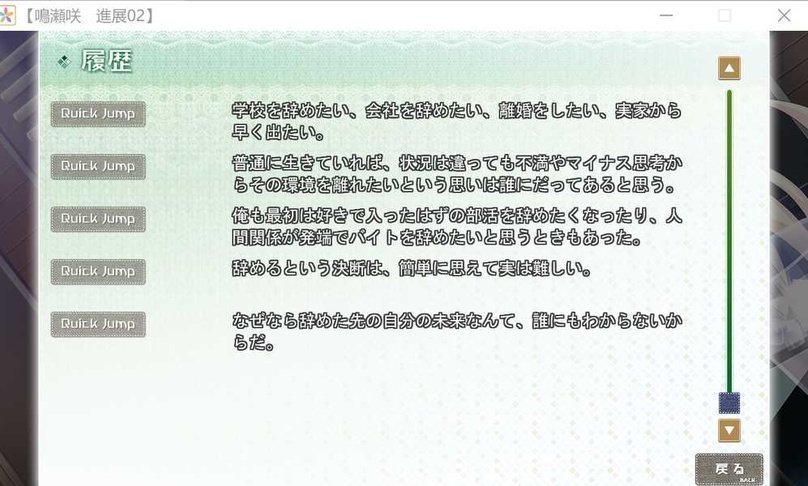
By coincidence the protagonist gets hired as a temp at Saki’s TV station. He sees the station pushing program reforms, getting more entertainment-focused — miles away from the professionalism Saki wanted. She feels fewer and fewer people actually want to understand weather; they just find it amusing. She starts thinking her work has no value and wants to leave.
“Everyone hits rough patches in life. Times when they want to give up, want to quit, want to divorce, want to die… But I don’t think you should be that pessimistic, or decide so quickly. Wait a bit, and maybe you’ll feel differently.”
The protagonist talks her down, and Saki decides he’s someone reliable. Their relationship deepens.
Deeper still means becoming a real couple — and then he makes an unexpected discovery. Saki’s family is apparently loaded.
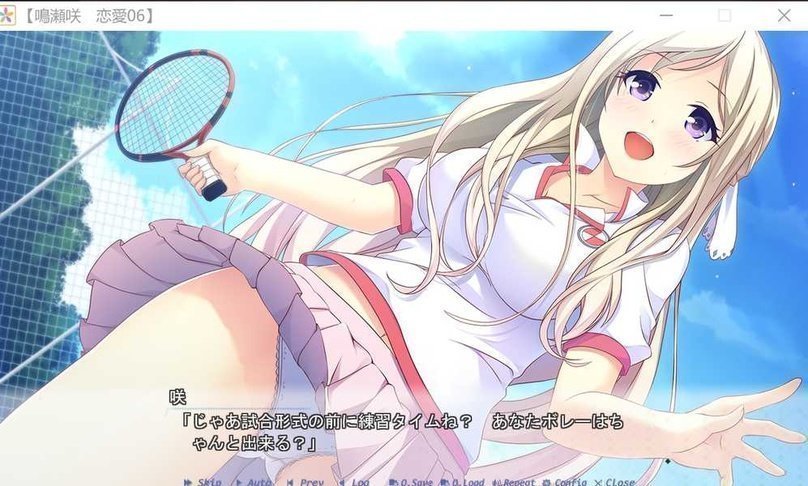
Saki lives in a fancy villa in the city, and the TV station supervisor is a relative of hers. The protagonist learns her parents are upper-class, and that’s exactly why they’ve planned her whole life since childhood: school, major, TV station job. As she got older she grew resentful, especially when marriage came up — her parents kept arranging matchmaking and said if she found a partner she couldn’t keep living alone in another city; she’d have to move back. So Saki resisted matchmaking at first. Luckily she met the protagonist through that “mistaken identity” and being with him genuinely gives her a sense of freedom.
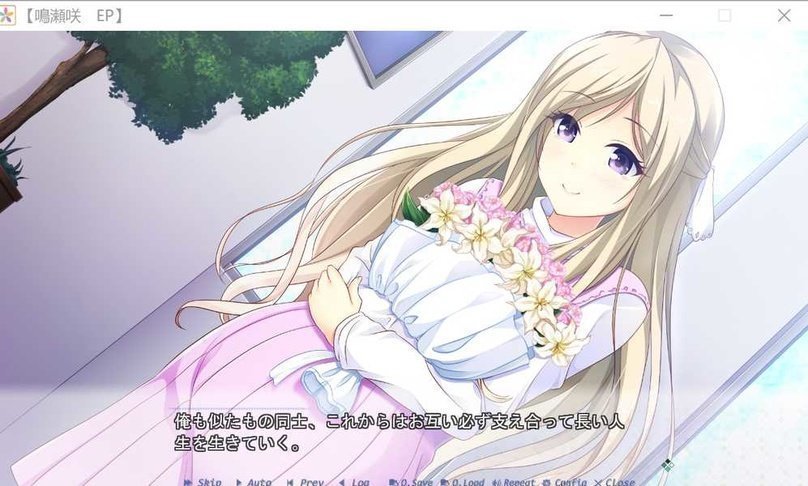
Naturally the ending has the protagonist building a career while Saki chooses to become a full-time housewife.
The plot of Making*Lovers isn’t much to write home about, because it trims away most of the unnecessary stuff and leaves just the romance mainline. Most of the romance is dates, conversation, and various interactions with your girlfriend.
That interaction — I don’t have much to say except it’s realistic. Plenty of moments I even saw my own girlfriend in.
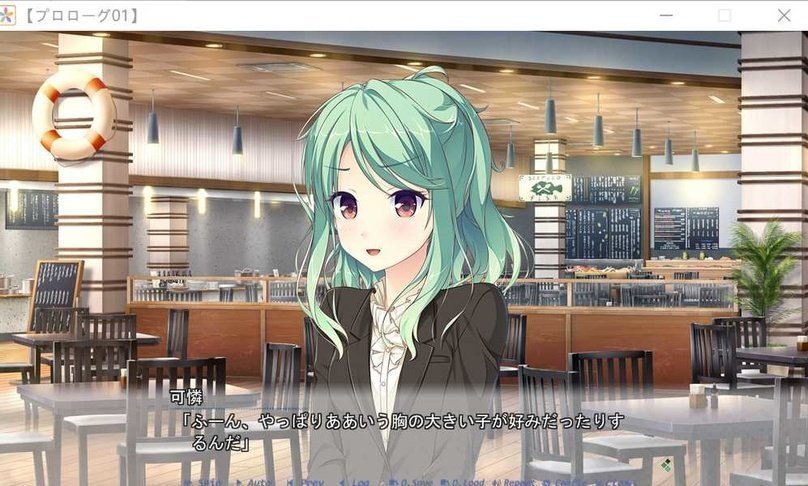
Looking back now, SMEE might actually be the most conscientious company out there, consistently building games about “even shut-ins can find love” and showing you plenty of ways and chances for otaku to win a girl’s favor.
For instance, the game states right up front that the protagonist is a creep — but even so, he has a strong sense of responsibility, and most importantly he knows exactly what to say at the crucial moments. Those “crucial moments” include when his girlfriend is lost, when she needs help, and when she’s putting herself down.

So romance mostly requires men to raise their “kindness” and make women feel they can rely on them. That’s probably enough. And many women gradually shift into the passive role after dating — they start compromising toward the man, some to a degree you’d find laughable.
Take Saki: “My boyfriend is so great, it’s only natural other girls would notice. Even if he cheats, as long as he comes back to me in the end, it’s fine.”
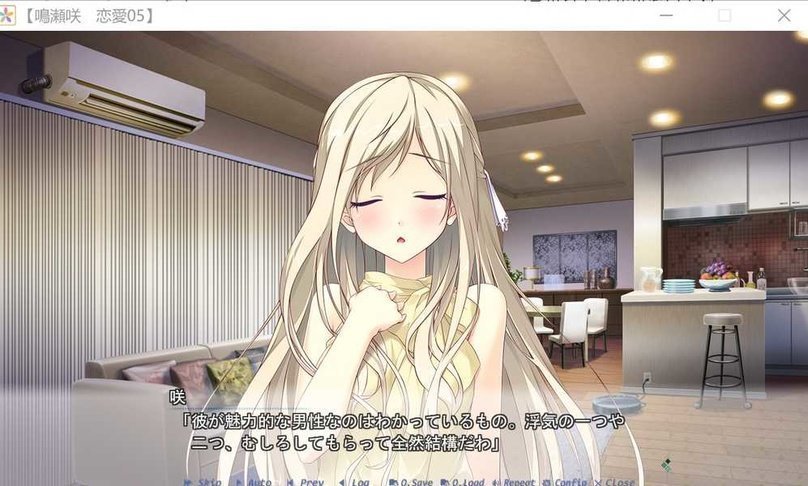
Of course, the game can teach you this and that, but the one thing it can’t teach is the courage to confess and cross from “friend” to “lover.” That’s probably the hardest part.
People mock: “Cowards don’t deserve girls.” Harsh, but there’s some truth. Look at VN protagonists — none of them are cowards, right?
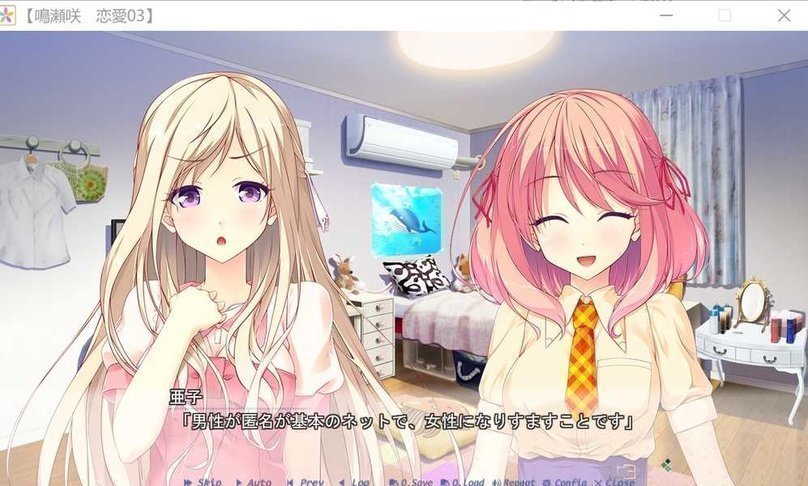
Making*Lovers is easily one of the best games this month. As a typical visual novel it hits the goals a project should, and the OP is so good. Production values are high across the board, and the highlight is the highly realistic romance writing. Whether you pick Ono Ryoko’s college classmate, Moriya Miyono’s student model, the little sister, or Naruse Saki — who resembles my girlfriend a lot — the player gets to feel genuinely sweet love. That’s where the game’s value lies.
It’s not flawless, though. The lack of a common route could count as a flaw: on your first play you might lock into someone’s route quickly with no chance to undo it. And most SMEE games have little replay value — you can choose “where to go” and “what to do” on dates, but every character has the same options. Once you’ve been through it, you probably won’t care to do a second run.
By the way, on Saki’s route the protagonist completely forgets his dream of becoming a front-end page monkey. I mean, his girlfriend’s loaded — marrying into her family and living the easy life sounds great, right? He talks about building a career and supporting a family, but I bet he leaned on his father-in-law plenty.
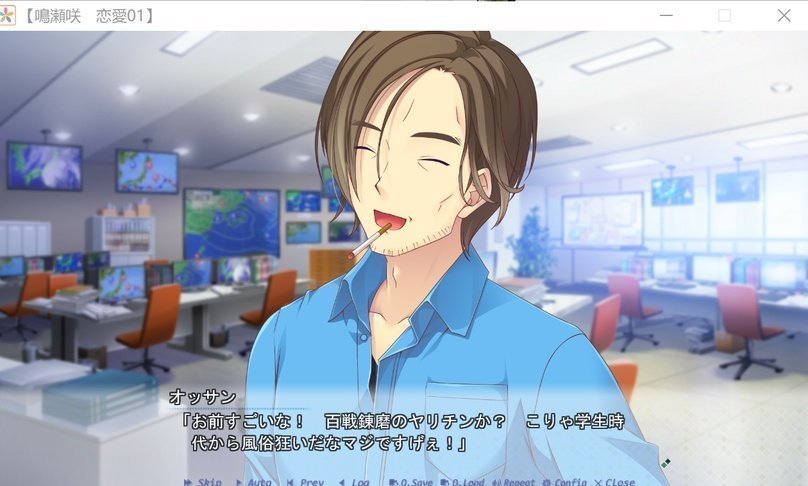
So our protagonist completes the transformation from page monkey to kept man? Is that what they call realistic?
Comments are hosted on the Chinese main site. This mirror is read-only.