Nemurenu Hitsuji to Kodoku na Ookami (眠れぬ羊と孤独な狼) Review
Little Sisters Are the Best
Clockup is a company that often puts out “very serious” games, even though most of the time that’s not the impression it gives.
Because Clockup’s breakout work was euphoria, and I think you can figure out what kind of thing that game is if you look it up yourself. Ever since then, most of the games Clockup has released give off an impression of being “unvarnished.”
By “unvarnished” I don’t just mean the “directness” and “brutality” of the game content, but more the way they embody the characteristics of “18+” games. What is “18+” anyway? It’s adult content, right? And what is adult content? It’s not just pornography, it’s also violence. So these two elements get splashed around to the fullest in a lot of Clockup’s games.
Clockup has made a lot of nukige that express a lot of “erotic” intent, and at the same time it’s also made a lot of “story-driven” games that tell some very interesting stories. Of course, these stories don’t just have “eroticism”—they also have explicit “violence.” Even more absurdly, Clockup has also put out some baffling comedy nukige with a style completely different from its usual dark style. But all these wildly different games come from the same company brand, rather than doing what other companies do and spinning off a sub-brand to keep things categorized. It always feels so haphazard, which is exactly why I said at the start that Clockup always leaves you with some weird impression.
That said, you can’t deny that Clockup still puts out a good game with real depth every now and then. Not just the early Natsu no Kusari, which had a bit of an art-film vibe—Maggot baits from a few years ago was also memorable. It depicts a story of hope being born once again in an utterly hopeless world, yet the game is still packed with very hardcore erotic and violent elements. Those elements aren’t gratuitous; they highlight the game’s themes very well. The game never seems to compromise for the sake of avoiding “extreme” elements—whatever CG is needed, it shows. No beautification at all. Sometimes I feel there’s even a touch of “aesthetics of violence” in there.
Another game that reminds me of this style is DOOM. A lot of people have opposed violence. They’re all dead.
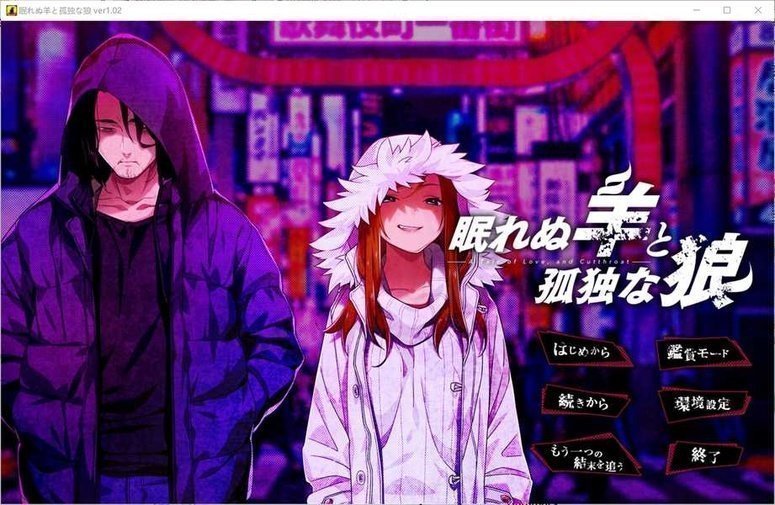
So the original team behind Maggot Baits got back together at Clockup and brought us Nenurenu Hitsuji to Kodoku na Ookami, still with a slightly dark style, which naturally made me look forward to it.
The title and the title image already say a lot. Nenurenu Hitsuji to Kodoku na Ookami literally translates to “The Insomniac Sheep and the Lonely Wolf,” and you can guess these refer to the male and female leads. The game itself isn’t that long—there are only three endings, really—and the routes aren’t split by character like in a normal visual novel, since there’s only one heroine and one protagonist.
The game begins with the protagonist starting work. His job is as a hitman, employed by a local yakuza group called the Aoike-kai, which has considerable influence in Shinjuku Kabukicho. For certain reasons he works for them, and at the same time he’s lodging in a love hotel while also being fairly close to a Chinese-run call-girl shop (a karaoke place?) next door to the hotel.
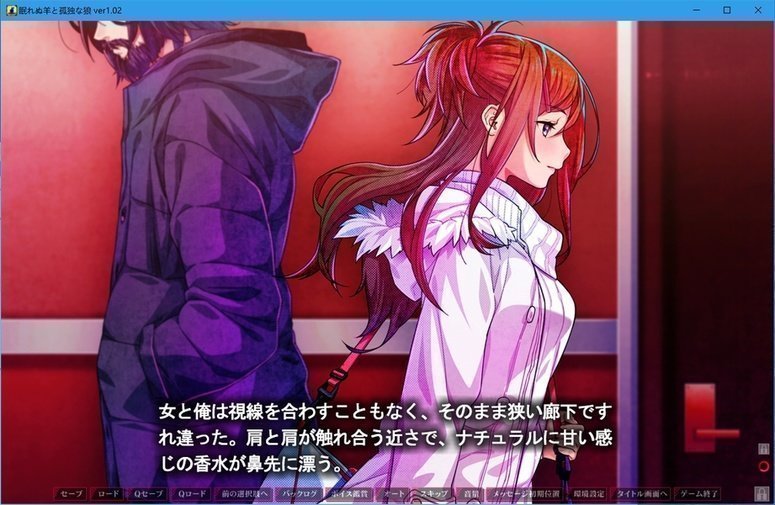
It’s worth mentioning that Shinjuku Kabukicho is one of Asia’s larger red-light districts, and Japan regulates it strictly. You can provide sexual services, you can get a girl to give you a massage, let you touch her, do this and that for you—but you’re absolutely not allowed to stick your dick in. Once there’s actual intercourse, it’s illegal. Even so, you can still pay for sex here: if the girl you find agrees to go to a hotel and bang you not for money but for “free love,” then the two of you can go off to a love hotel and nobody bothers you. How do you get her to agree? You slip her cash.
Ironically, according to this Quora post about buying sex in Shinjuku Kabukicho, even hiring the worst-looking girl to go out and bang costs 70,000 yen. Meanwhile, in Clockup’s job listing, a regular employee’s base monthly salary is only 70,000 yen—that’s about what you earn from working on porn games, just enough to go out and bang the ugliest girl exactly once a month if you don’t eat or drink. Makes you sigh and appreciate how fair Chinese prices are.
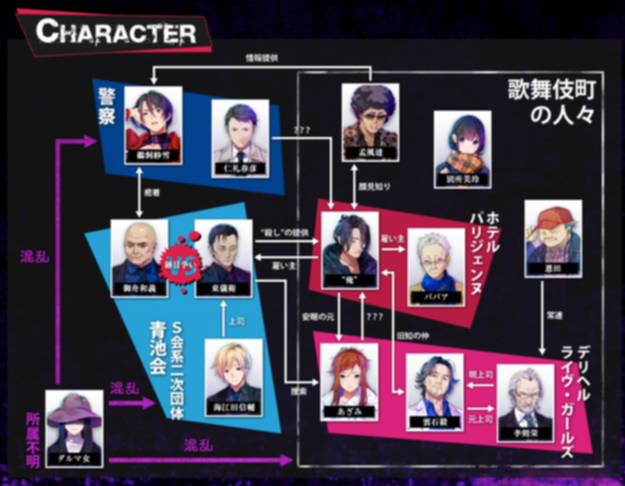
So from the character relationship chart you can see some of the dynamics. The protagonist is employed by the Aoike-kai, and he’s also an old acquaintance of the Chinese guy who runs the call-girl shop in Shinjuku. Next to the Chinese guy’s shop is the love hotel, so that rich guys who find a girl at the Chinese shop can go with her next door to the love hotel and have “free love” sex.
The game’s opening turn happens in that love hotel. The heroine somehow gets mixed into the Chinese-run shop and starts working there. On her first day she takes a small-time thug away and goes to a hotel with him. After they bang, she suddenly mutters at the thug, “You’re a bad person,” and kills him without hesitation. Turns out the thug was with the Aoike-kai, and just like that a murder makes news in this yakuza-infested Kabukicho.
The Aoike-kai boss finds the protagonist and asks him to investigate who the killer is. The protagonist starts digging and eventually finds the heroine.
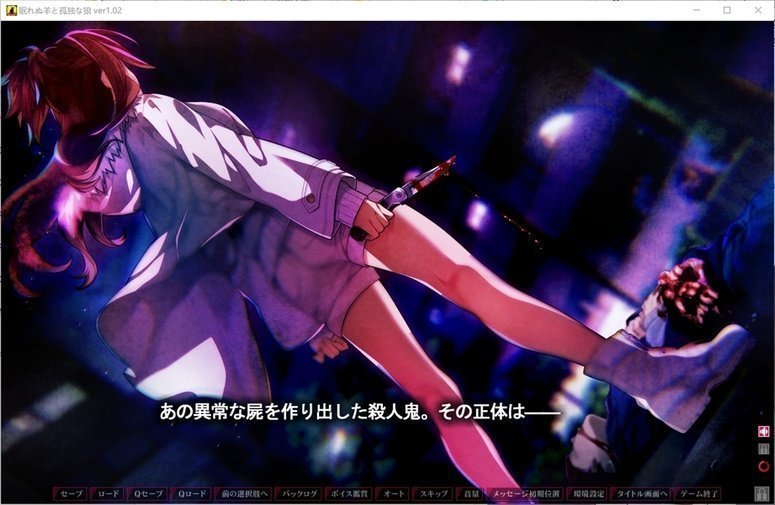
Naturally, when the protagonist and heroine meet, they fight. And while fighting, the protagonist suddenly gets horny and rapes her. And that day, well, fucking turned into feelings. The heroine felt amazing, the protagonist felt amazing too, and most importantly, the protagonist felt the heroine cured his chronic stomach problem… oh no, his insomnia.
This is where I should explain why the protagonist and heroine became killers, which ties into the title: the insomniac sheep and the lonely wolf.
The protagonist had a normal family as a kid, including an older sister. But one day his sister brought a guy home. The guy was a minor, but he was a delinquent, and he killed the protagonist’s whole family—killed his sister, killed his mother. The protagonist survived because he wasn’t home. Later, after the killer was caught by police, the police said the perpetrator was a juvenile and should be exempt from punishment, so he was only locked up for a few years and released. The protagonist wanted a heavier sentence, but the court said the perpetrator was still young and should have a chance to reform, that he should be protected.
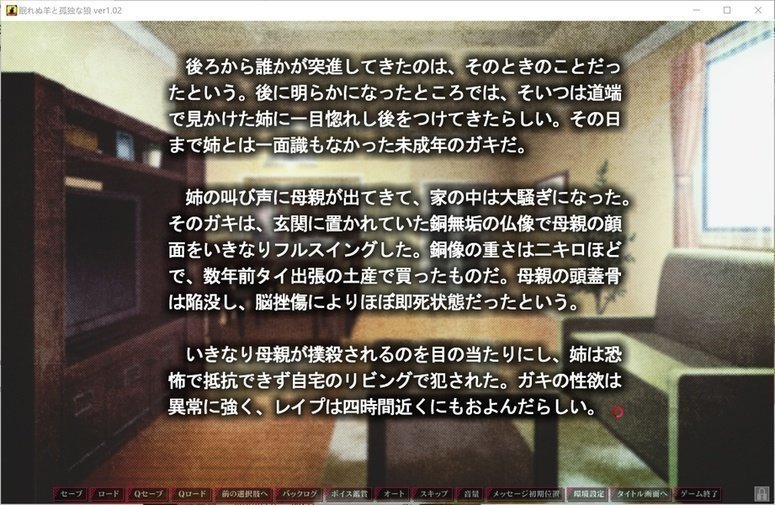
So the protagonist despaired of Japanese society. He had no family left anyway, so he became a thug. While running with criminals, he trained his skills, got ready, and shortly after that killer was released, he plotted and murdered him, completing his revenge. After killing, the protagonist went on the run. Through twists and turns he came into contact with many people—Shanghai gangs, Hong Kong gangs—and eventually built up several fake identities, including a Chinese name, “Zeng Heixing,” and a Japanese name, Kimura something. None of them real. That’s why the protagonist’s name is always just “Ore”—he’s hidden his true identity.
Eventually the protagonist started working as a hitman for a lieutenant in the Aoike-kai, killing people, but soon he developed a problem: he realized he had insomnia. If he didn’t kill, he couldn’t sleep. Only after killing could he sleep.
So the protagonist became the “insomniac sheep.”
When the protagonist meets the heroine, he notices she seems crazy but also innocent, mentally unstable. He spots a round wound on her head that looks like a bullet hole, but she says she doesn’t remember how she got it.
The heroine became a killer when one day as a child, in a garbage dump in the countryside, she was raped by an old man picking trash. At first it hurt, then she felt pleasure, and after the pleasure peaked, a huge urge to kill rose inside her. After being raped, she suddenly turned bloodthirsty and killed the old man who raped her. Because she was a little girl and a victim, no one suspected much. Later, some inexplicable impulses arose in her—one for sex, one for blood. So she started constantly seducing men to have sex with her, then killing them after. That’s the path of murder she took. She had no principles, became twisted and insane, so she came to Kabukicho and met the protagonist.
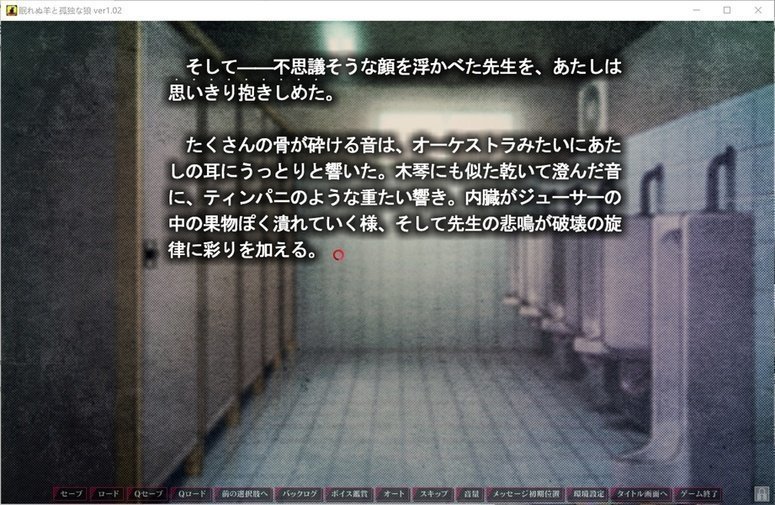
So the heroine became the “lonely wolf.”
After meeting the protagonist, they have sex, and both are amazed to discover that as long as they bang, the protagonist can sleep and the heroine loses those urges. The heroine calls it a “fated encounter,” while the protagonist keeps his distance—after all, with a lunatic like this… she could kill you anytime by accident.
That’s roughly how the protagonist and heroine meet. Next I’ll get to the actual plot of the game.
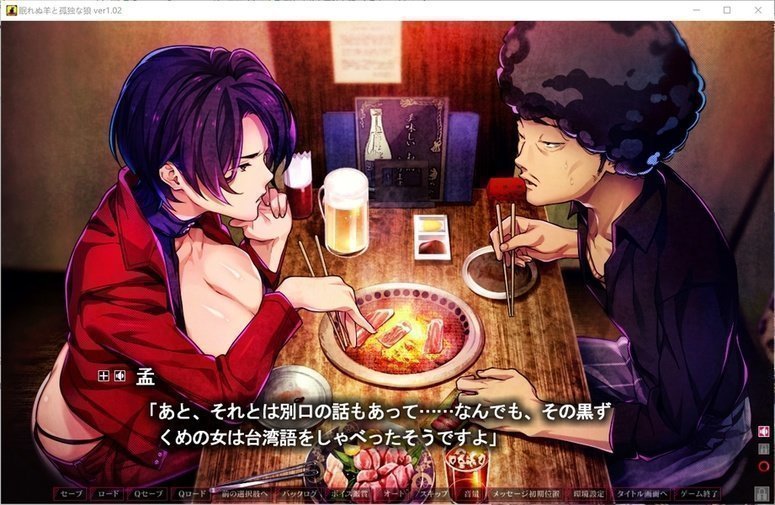
After the protagonist and heroine meet, Kabukicho starts getting chaotic. First, a cool male cop steps in and begins investigating, quickly setting his sights on the Aoike-kai leader and the protagonist. Then a female assassin in a wheelchair appears, starts killing people in Aoike-kai territory, and poses as a Chinese person speaking Chinese (though the Chinese is machine-translated with tons of errors)—clearly trying to stir up trouble.
There’s also a Taiwanese information broker working Kabukicho who says a video is circulating, and the video contains damaging secrets about high-ranking Japanese politicians.
For a while Kabukicho descends into chaos. A senior Aoike-kai executive and the protagonist’s employer learns that the protagonist found the female assassin he was initially asked to investigate. But the Aoike-kai’s crisis doesn’t seem to be mainly about that female assassin, so he finds the protagonist and says he wants to talk.
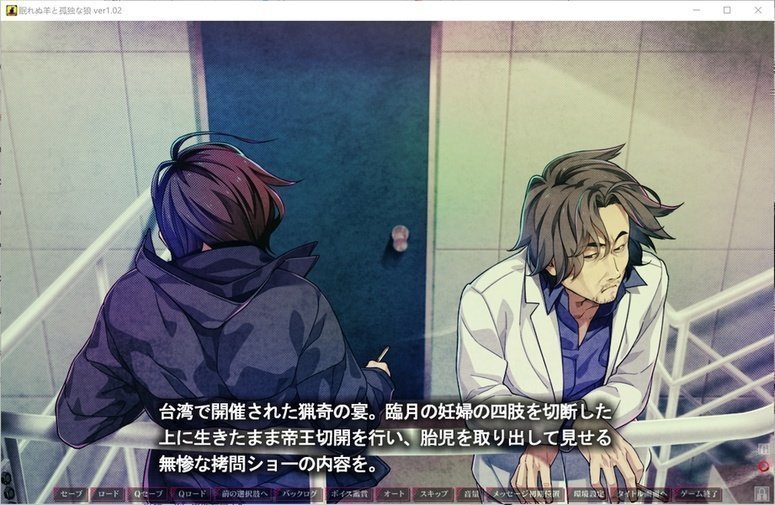
He shows the protagonist a video. In an internal party in Taiwan, a pregnant woman is brought on stage to perform. First her teeth are pulled out, then her limbs are sawed off, and finally she’s cut open on the spot, the child in her belly pulled out and thrown away. It’s a show so bloody it’s beyond inhuman. Many high-ranking people attended this show, including someone who is now a senior Japanese member of parliament.
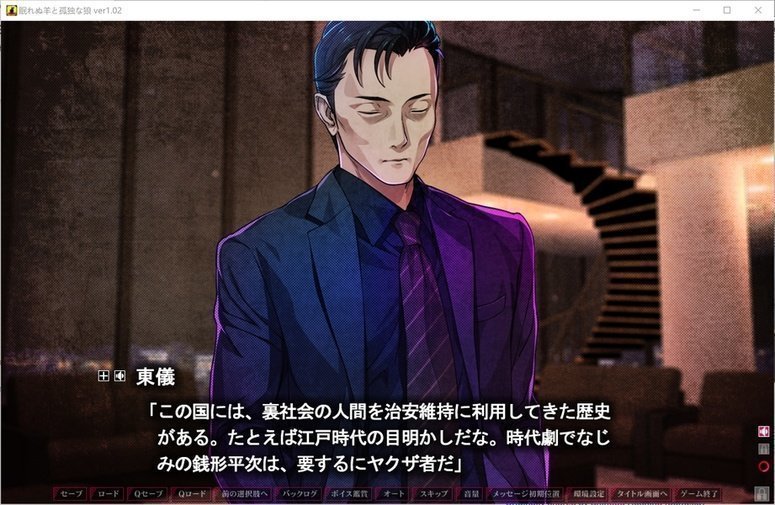
The protagonist’s Aoike-kai boss tells him there are many rumors in Kabukicho now. Some say the recording has leaked, some say the government above is coming after them, and meanwhile a mysterious female assassin is making waves here. He asks if the protagonist will help—no pressure.
A choice begins here: helping leads to one ending, not helping leads to another.
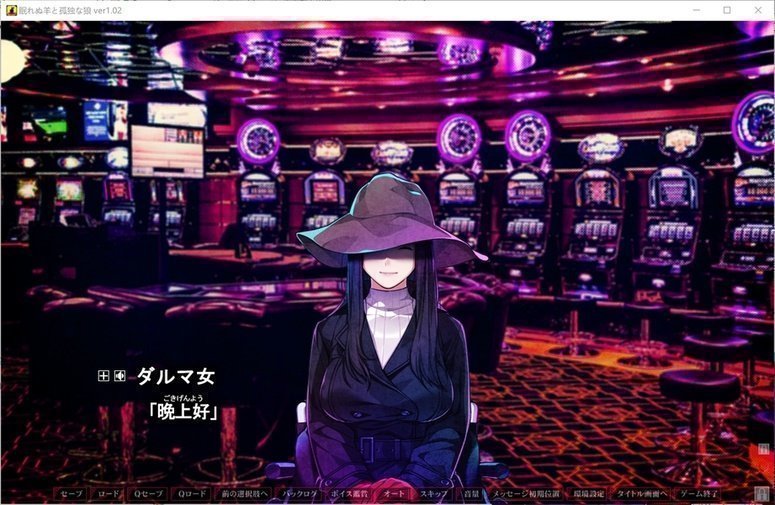
If you help, the protagonist discovers the true identity of the wheelchair assassin, Daruma-onna. She is the pregnant woman from the video the Aoike-kai boss showed him—the one who was amputated and cut open and tortured, the one treated as a toy at the party. The pregnant woman didn’t die. More precisely, her identity should be the Aoike-kai boss’s mistress (the same boss who showed the protagonist the video). That boss got his own woman pregnant, then sent her to that place, had her tortured like that, and after the torture dumped her in Taiwan, where she was used as a fucktoy by various old men. Finally a rich man took pity on her and asked if she had any unfinished wish. She told him her story, said she’d been deceived, and wanted revenge on the Aoike-kai. So the rich Taiwanese man funded her transformation into an assassin—gave her a fully automatic wheelchair, fitted her with prosthetics and various weapons. So the woman finally returned to Kabukicho, Japan, under the name Daruma-onna, and began her revenge against the Aoike-kai.
I should explain the name “Daruma-onna.” Daruma is the Japanese Buddhist term for Bodhidharma, but in many Japanese Daruma legends, the most widespread form is a roly-poly doll shaped like a Russian nesting doll, looking like a limbless sphere, which matches the name “Daruma-onna.” There are also many Japanese urban legends describing “Daruma-onna” as a terrifying being (which also matches the yakuza party show), and they mention that the most tragic figure in Chinese history, Consort Qi, is the origin of such legends.
If the protagonist chooses to help the Aoike-kai, then during the investigation he kills the vengeful Daruma-onna after her revenge fails, along with the Taiwanese information broker behind her. The Aoike-kai boss is satisfied, but the peaceful life doesn’t last long. The Aoike-kai starts moving against the protagonist and the people around him, apparently to silence them. It also affects the Chinese people who look after the protagonist.
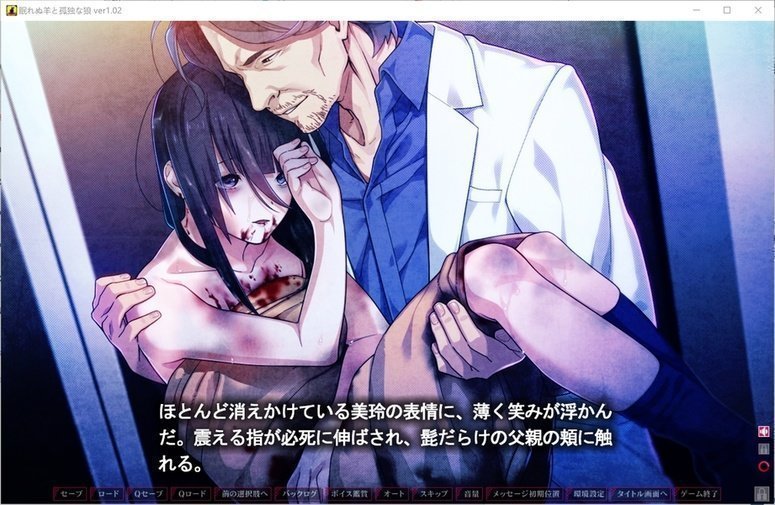
In the end, the Chinese boss’s daughter Meiling is kidnapped, gang-raped and tortured by the yakuza. The protagonist goes to rescue her but arrives too late—the Chinese boss’s daughter is already dead. The protagonist has no choice but to take the heroine and flee. The game ends.
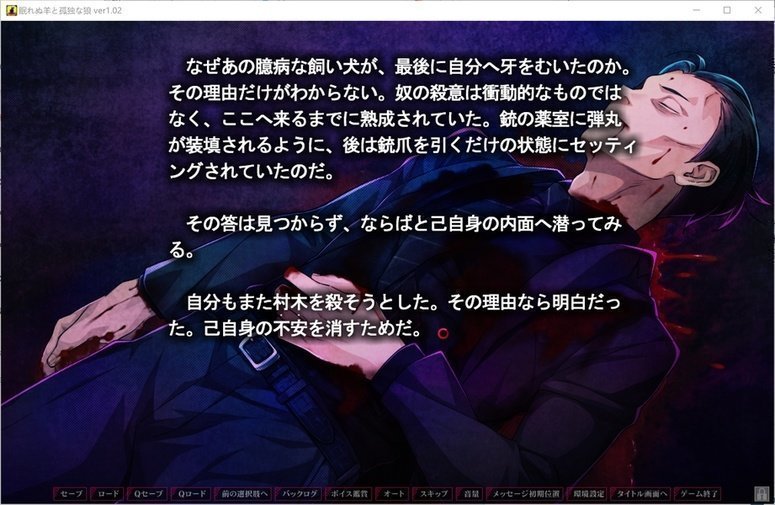
If you choose not to help the Aoike-kai at the start, the Aoike-kai handles the problem itself, and the protagonist chooses to gradually cut ties with them. But then another person sets his sights on the protagonist and the Aoike-kai: a detective who tracked the serial killer here. The detective’s true identity is the heroine Azami’s older brother. He knows the killer is his own sister, but he’s a deep siscon, and to protect his sister he’ll even pull strings inside the police department to get her off, and brainwash her saying “the people you killed were all bad, you’re innocent.”
This time his sister has run off to Kabukicho again, so her cop brother naturally follows. The brother learns the Aoike-kai is tracking his sister, so he goes on the offensive and directly wipes out the Aoike-kai’s minor boss along with his nephew…
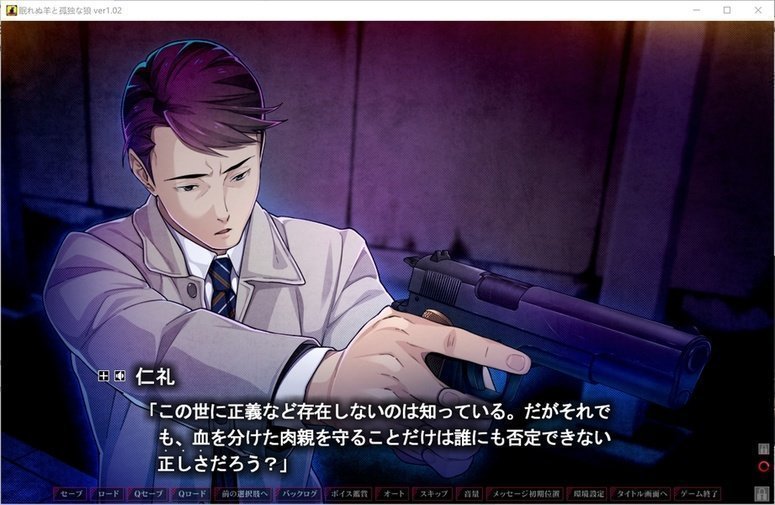
Then the brother warns the protagonist, telling him to stay away from his sister. But the sister suddenly declares she likes the protagonist, that it’s true love. The brother, as a siscon, explodes and wants the protagonist dead. In the end, the brother is shot in the back at the critical moment by another cop. The protagonist and heroine Azami begin a life on the run, and the second ending ends there.
Neither of the game’s two endings is really a good ending. One has the Aoike-kai wiped out by the heroine’s siscon cop brother, the other has the protagonist’s old Chinese friends’ group badly damaged by the Aoike-kai. So as a Galgame, naturally there’s a third ending.
Blizzard has told us through countless expansions: when two factions are at each other’s throats, how do you create a Happy End where both sides set aside their conflict and achieve co-prosperity?
You create a common enemy and make both sides unite against it.
After completing the two ENDs, the game unlocks a third END: “Another Ending.” In this story, the Aoike-kai, the protagonist, and the protagonist’s Chinese friends actually get along happily… no major conflict. But conflict soon appears: the Aoike-kai gets wind that high-ranking government officials are going to “clean up Kabukicho.”
Then come all the grand speeches. Why does the government suddenly want to crack down on organized crime? Not for justice—the government itself is a massive gang and violent organization, and the Aoike-kai holds plenty of dirt on the government. The crackdown is just an excuse. The Taiwanese grotesque party show had high-ranking government officials sitting in the audience.
It’s mentioned here that Japan really has conducted several “cleanup” operations in Shinjuku Kabukicho, cracking down on local yakuza. Though it’s still pretty messy there now, it’s also become a tourist spot—a red-light district with at least some bottom line and order. Better than some of the Erma Road markets in Zhengzhou, I’d say.
Basically everyone is dirty, but a small yakuza group like the Aoike-kai can’t stand against the massive state violence apparatus. Sometimes the state violence apparatus tacitly allows yakuza to exist, but it can crush you whenever it wants.
Soon the cleanup begins. The short middle-aged guy who often appears at the Chinese shop is actually an undercover agent from above. Under his lead, the Aoike-kai is attacked, the Chinese are attacked, the protagonist is attacked. Panic everywhere, like a clearing operation—strikes from all sides close in on Kabukicho.
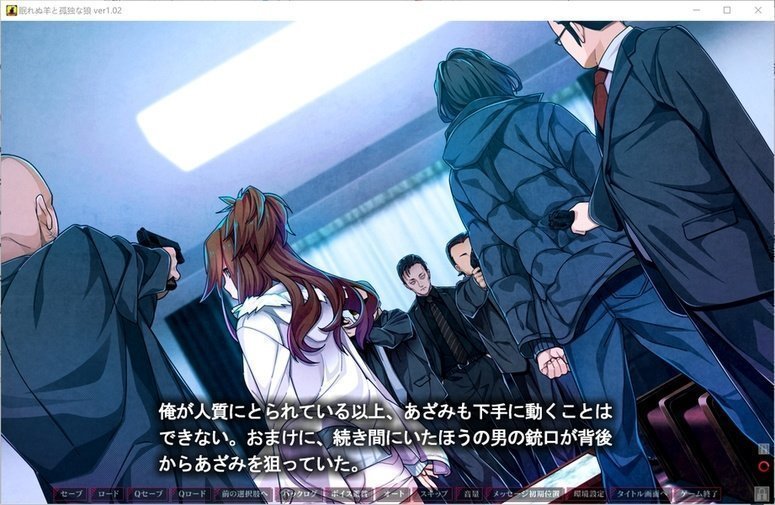
Naturally the ending has everyone fleeing for their lives, driven into the mountains, everyone killed, only the protagonist and heroine escaping.
The escaped protagonist is helped by the crazed heroine, and the heroine’s brother also helps them one last time, revealing the final secret.
The secret is the relationship between the protagonist and heroine. Earlier I mentioned the wound on the heroine’s head and that the protagonist’s insomnia is cured when he meets her. Why? The answer lies in the bullet mark on the heroine’s head. Back when the protagonist was a hitman, he took part in wiping out a family—the heroine’s relatives. The heroine happened to be there that day. After the killing, they didn’t find the heroine hiding in the closet. She would have survived, but the protagonist seemed to sense something and fired at the closet. The bullet went through the closet and hit the heroine’s head, yet miraculously she didn’t die and survived. The heroine’s brother says that ever since then, the heroine’s head has been a bit off—sometimes bloodthirsty, sometimes impulsive—so she became the twisted serial killer she is now.
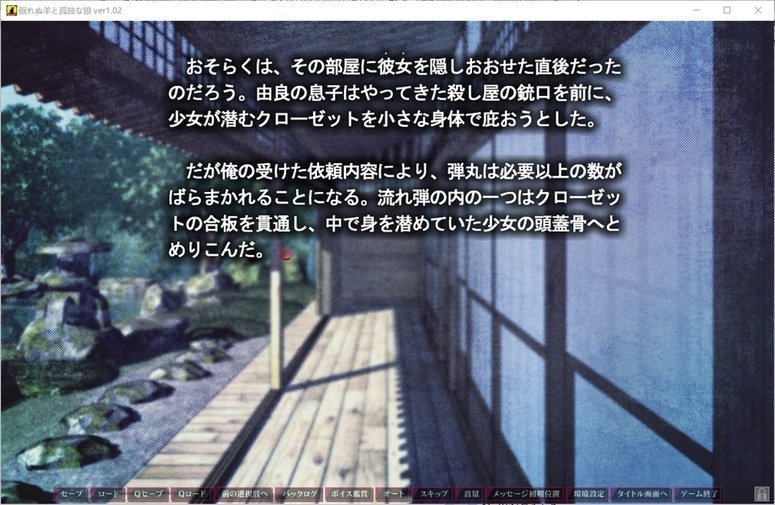
Simply put, the protagonist took the path of murder because of his own revenge, but during one killing he hurt the heroine, damaged her brain, changed her whole life, and turned her into a murderous maniac too. Later the protagonist was trapped by a mental illness and couldn’t sleep, until he met the heroine again—there’s a sense of atonement, and he can sleep again.
The protagonist’s brother hates him but doesn’t kill him, because his sister loves him. The protagonist tells the heroine his story, including that he tried to kill her back then and that’s why she’s like this now. The heroine says it’s fate’s arrangement and doesn’t resent him too much.
But after escaping, the heroine and protagonist still feel they need to settle things from the past—after all, the protagonist is still half her enemy.
Both are killers, so let’s settle it like killers.
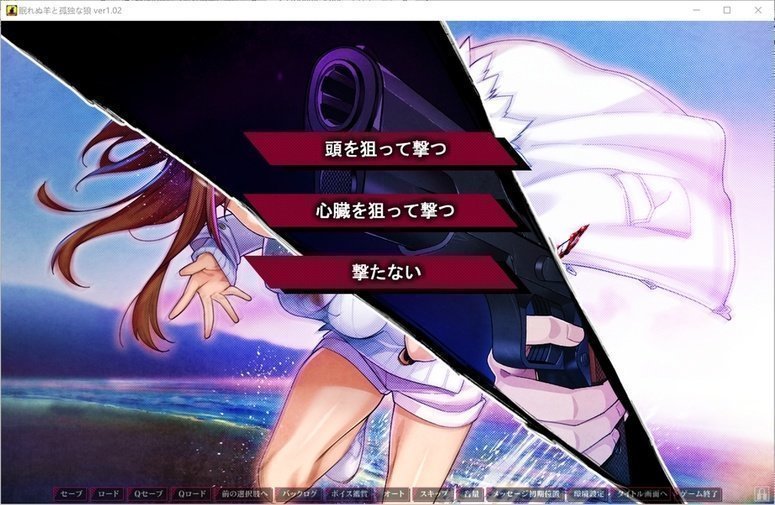
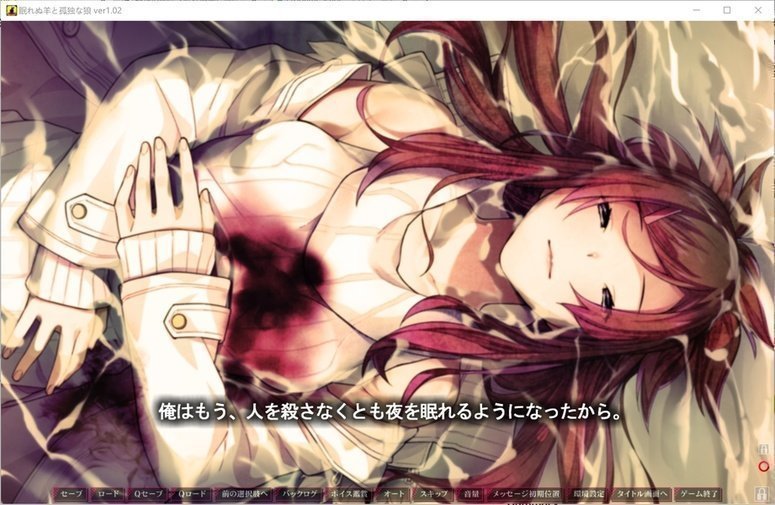
Here you can choose whether the protagonist kills the heroine, spares her, or they die together. The only officially recognized END is the protagonist killing the heroine. She dies happily in his arms, ending her life, and the protagonist finds some kind of spiritual release. He returns to Japan, gives up the assassin profession, never has insomnia again, and disappears into the crowd.
Occasionally someone recognizes him, but the protagonist no longer has the courage to meet anyone. Probably he’s living under a false name again.
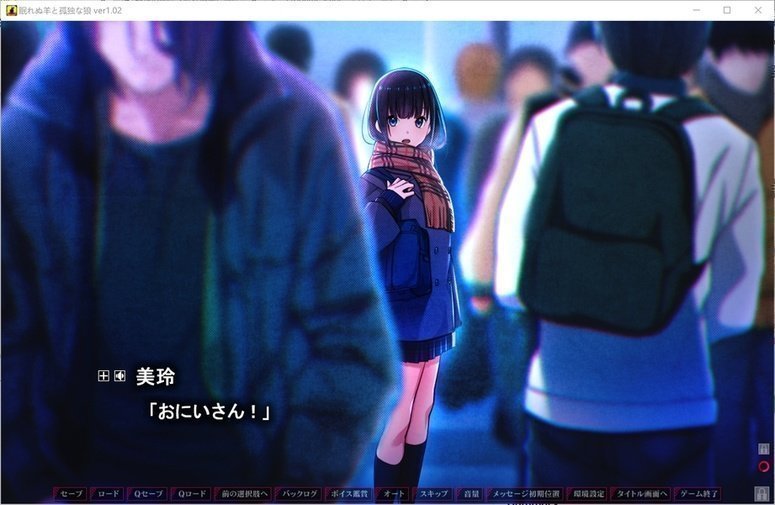
For this game, the whole thing is still a “love-hate” story, just wrapped in a “yakuza Kabukicho” skin. The protagonist’s past crimes caused the heroine’s life to change, and he blames himself so much he can’t sleep (probably). Meeting the heroine again earns her forgiveness, and thus his release.
As for the rest of the plot, it’s mostly the usual grotesque and urban-legend stuff, mixed with Kabukicho and some Shanghai and Hong Kong gangster-film elements. You can also tell the scenario writer lacks common sense about Chinese gangs—the Shanghai mob in the game calls its boss “laoban.” I don’t think even the Axe Gang called it that. It’s always “laoda” or “dage,” right?
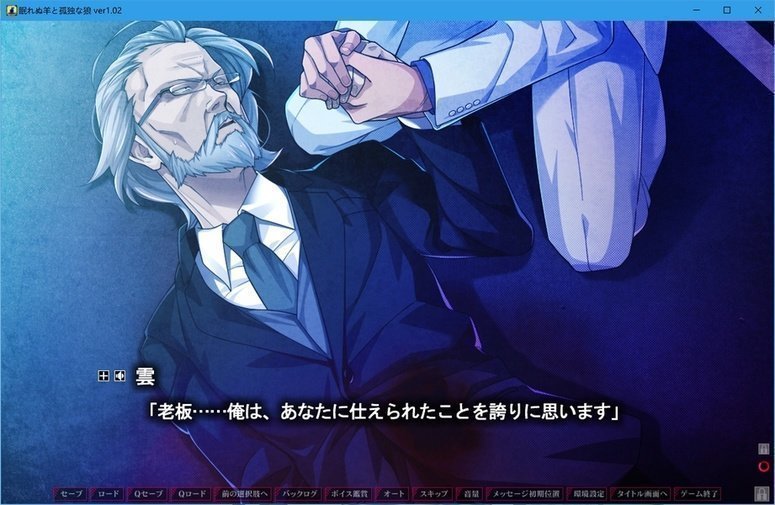
Also, the game has a lot of Chinese dialogue, but most of it looks like Japanese machine-translated into Chinese. Like “Good evening, and, goodbye.” should be “Good evening, well then, goodbye.” Clearly “soshite” in Japanese got translated as “and.” Of course, the game massively praises Chinese kung fu, which feels very Western—saying many of the protagonist’s moves were learned while on the run in China.

There are other references too—Kuomintang tycoons attending the Taiwanese grotesque party, and the “government yakuza cleanup” reminds you of a certain incident in a certain Beijing square at a certain time. It also mentions that some words can’t be searched in China. Beyond the love-hate story, what it expresses most is the delicate relationship between “government and yakuza.” Sometimes the government needs yakuza to manage things it can’t handle conveniently, but when it no longer needs them, or when the yakuza gets out of control, they naturally get cleaned up as scapegoats.
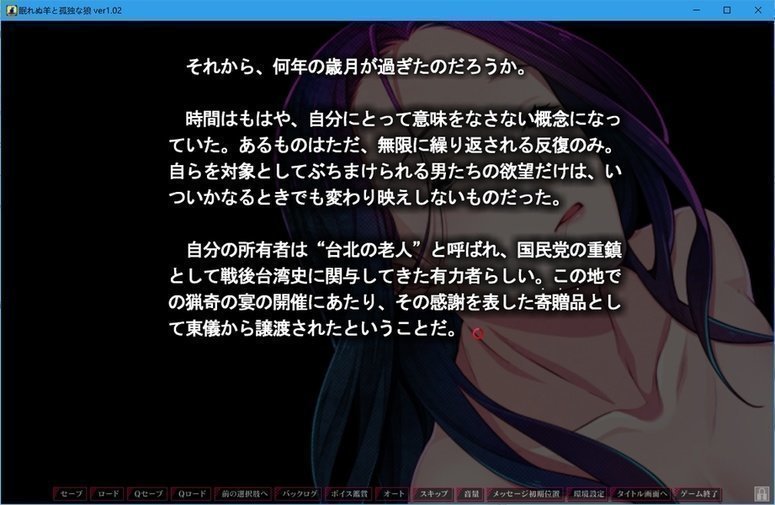
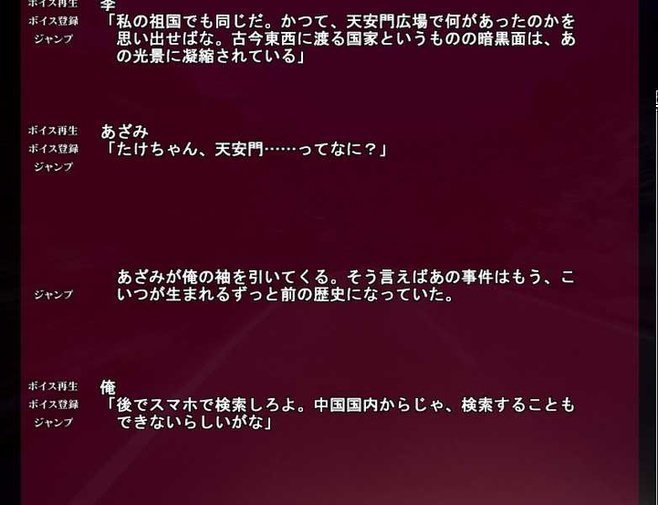
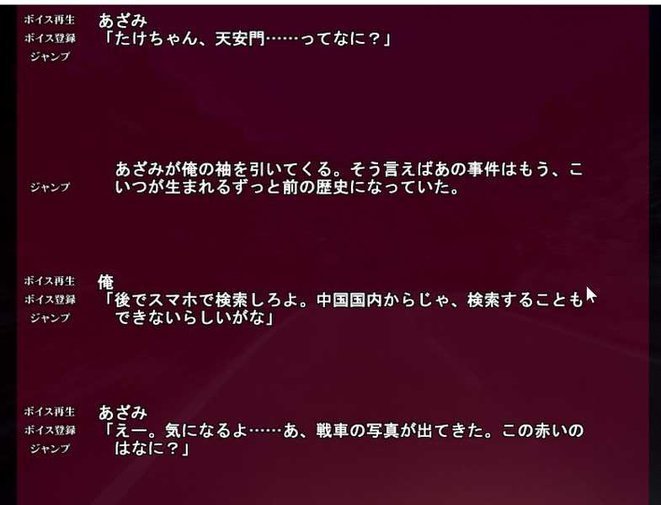
The game also lets you learn that there really are many Chinese criminal organizations in Japan, plus some fun trivia about Shinjuku Kabukicho—not that any of it is useful.
I personally feel the production style is very cheap. Many backgrounds are just processed photos taken in Kabukicho. There are few character sprites, the supporting characters in flashbacks have no voice acting, and most CGs are HCGs, and very violent ones. There’s a lot of long text to fill in for the lack of direction. Overall the production quality is far below Maggot Baits—maybe they had no money? Or no budget?
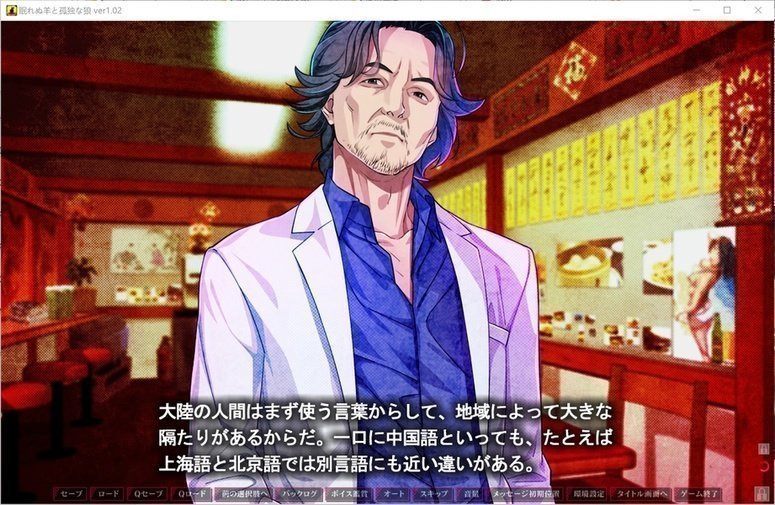
On the other hand, the story description isn’t that good either. The first half feels cool, then the second half starts going off the rails, especially the awkward True End where the yakuza all lovingly unite against the government’s violent cleanup. It feels very ironic, and many parts are hardcore just for the sake of being hardcore. The Daruma-onna CGs are really…
And there’s plenty of melodrama. Again with Daruma-onna: she was sold out by her own man, had her limbs cut off, was tossed out as a fucktoy, said she wanted revenge, and then when she sees the man again she chooses to “forgive him.” Holy shit… what a fucking doormat.
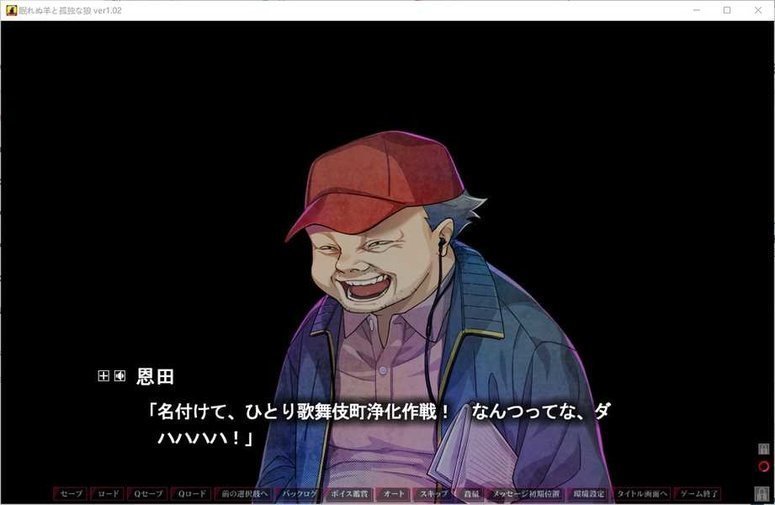
So overall, Nenurenu Hitsuji to Kodoku na Ookami (眠れぬ羊と孤独な狼) is at best a passable game. The production is cheap, and the second half of the story turns melodramatic and incoherent. But considering you get to learn a bunch of interesting Japanese culture and legends, plus that clumsy Chinese pronunciation, the grotesque hardcore CGs, and a fairly short playtime, it’s actually worth a try—watching it like a B-movie isn’t bad. I just want to say: if you decided to try it only because you saw the cool OP and thought it must be a very COOOL work, you’re definitely going to be disappointed.
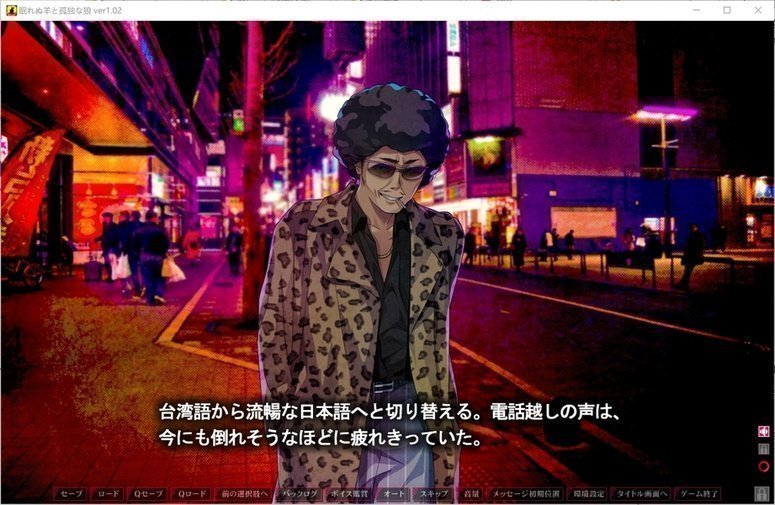
The game has a lot of characters, but few are successfully developed. The Chinese characters feel too fake, the Japanese characters too clichéd, the protagonist is too weak (he calls himself a killer but I never saw him kill anyone), and the heroine is too unhinged (like a lunatic). The one bright spot in the whole cast is the heroine’s siscon brother.
He became a cop for his sister’s sake, tampered with things inside the police force to cover up her crimes, and when he learned she’d gotten mixed up with the yakuza, he went alone and took out the yakuza boss—one against ten, insane combat ability. Absolutely badass, too cool for words.
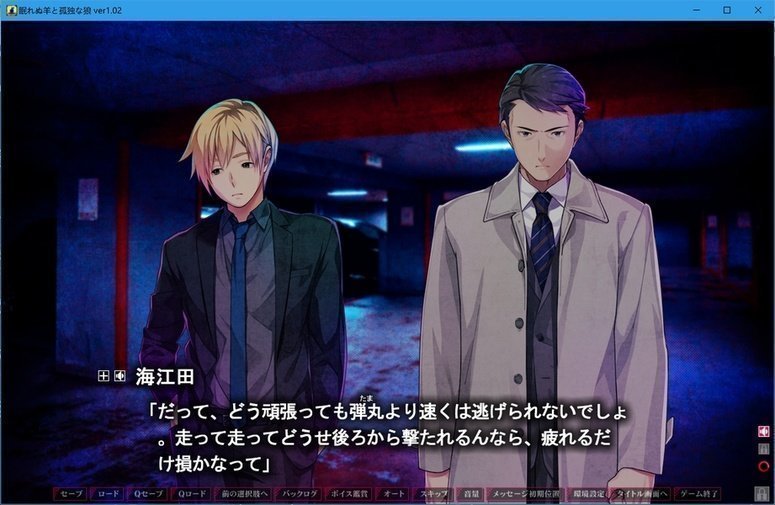
And yet this badass, too-cool-for-words guy dies to a bullet from his own side—a female cop in Kabukicho, a stupid bitch who’d been bought by the local yakuza and spent her days sucking off the boss.
The most fucked-up part is her excuse for killing the siscon brother: “That yakuza was always bullying me, he was my enemy. I put up with them fucking me every day, enduring it all so that one day I could kill him—and then you went and wiped them all out by yourself! You owe me my enemy!”
That level of retardation is beyond words.
But in the end I still want to pay my respects to the siscon brother in this game. Too fucking good. Immortal.
The heroine’s brother, with his off-the-charts combat power and insane drive, proved a universal truth that more and more visual novels have been telling us:
Siscons are the fucking best!
Comments are hosted on the Chinese main site. This mirror is read-only.