Shogun-sama wa Otoshigoro (将軍様はお年頃) Review
The Samurai Lord Is in His Prime, the Shogun Is in First Love
I’ve had this feeling for a while now: Alcot is done for.
Looking back, Alcot’s peak was probably around the time of Clover Days. Their sub-label Alcot Honeycomb was doing well too, and Clover Days itself had the art advantage from the start. On top of that, other stuff like Spring Limited and the “ignore the future” sister-complex games carved out their own style. From any angle, it looked like they were about to take off.
But that didn’t happen. I don’t know the exact reason — I just heard Clover Days sold poorly and counted as a loss. After that, Alcot honeycomb’s later titles seemed to lose their soul, at one point they even brought in a landmine specialist to write the story, and their main artist left too. They put out LoveRec — honestly I think it’s okay, but it still got middling reviews.
And then it just kept getting worse. That mom-goddess whatever game Alcot put out last year — I couldn’t even be bothered to look at it. I couldn’t even find any reviews. It got completely treated like air…
Alcot’s own Twitter account posts stuff every day, and it all gives off this “company is going bankrupt, everything must go” vibe — it’s all Clover Days merch and other ancient junk. That feeling, man, it keeps making me think they’re about to fold any minute.
And so Alcot has a new title out this year, with the tagline “the proper sequel in the Alcot lineup.” I took one look and thought, yep, they’re really about to go under.
Because the last company that pulled this “true sequel” move was Lass, and they ended up putting out a “long-delayed true sequel” too, and then they croaked.
What actually bugs me more is — since when the hell does Alcot even have a “proper sequel” to anything? So your LoveRec was just a throwaway? Your Clover Days was fudged together too? Then I looked a bit closer and it clicked: they probably mean a proper sequel within that old “parody isekai half-sci-fi” series style of theirs. 《幼なじみは大統領》, Onigokko!, and 中の人などいない! are all roughly that style, and their later stuff seems to have drifted away from that direction. So this so-called “proper sequel” is basically just them going back to that original direction.
And so we got the title of the new game: Shogun-sama wa Otoshigoro (将軍様はお年頃).
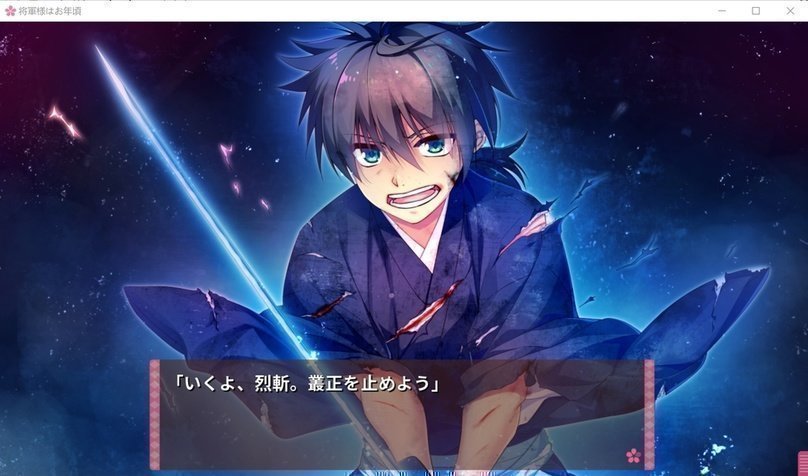
So is the 将軍様 in this new game a guy or a girl? If you’re willing to Google it, you’ll be disappointed to find that the shogun most Japanese people picture when they hear “将軍様” is Kim Jong-il. Of course, Alcot doesn’t have the guts to let you bang Kim Jong-il in a game, so the 将軍様 here is naturally a female shogun.
The game is set in the Edo period, during the shogunate’s rule (god, this era again — feels like it’s the only period Japan ever talks about). It follows a protagonist and his little sister who get transported from modern society back in time, where they flirt and fool around with the local samurai and the shogun.
At the start of the game, the protagonist and his stepsister suddenly get into a car accident on the road. A yin-yang fish-shaped mirror the stepsister is carrying starts glowing, and once the light fades, the protagonist finds he isn’t dead — instead he’s been transported to ancient times, the Edo period. Even more surprising, the sister from the crash didn’t die either; she got dragged back through time along with him.
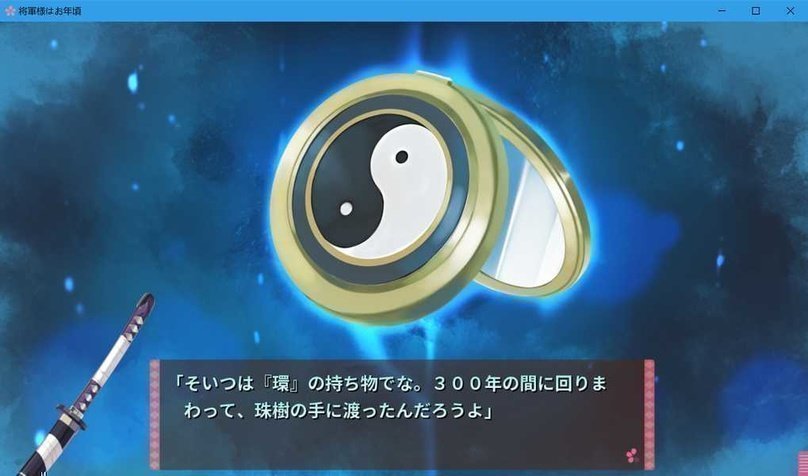
The two of them don’t just get sent back for no reason — they swap identities with two people from the past. The protagonist takes over the identity of some swordsman from back then (a samurai? whatever, the kind of guy who knows how to use a sword), and his stepsister takes over the identity of a merchant’s daughter. When the protagonist wakes up, he learns he’d been badly wounded in an attack earlier, and after coming to he gets visited by a bunch of people — especially a female warrior named Tokuda Yoshimune, who’s pretty warm toward him, says she wants to spar with him and test his swordsmanship, and tells him the sword in his hand is some kind of divine blade.
Sure, the protagonist’s sword really is something else—because it talks… though you can just chalk that up to it having a spirit, I guess.
After that the story gets kind of boring. The protagonist gets introduced by that female samurai Tokuda Yoshimune to a bunch of people, including a big-titted girl named Tokugawa Munefuyu, who says she’s a relative of the Tokugawa family and carries shogunal royal blood — about the equivalent of a prince in a feudal dynasty, I guess. At the same time, he learns that this little town called Shinbongbashi has a kidnapping-trafficking problem, and the magistrate’s office is looking into it too.
And that’s not even the half of what’s going on around the protagonist. His little sister, in her reincarnated identity, is the daughter of a merchant — and nominally the fiancée of the protagonist’s own identity, too. Problem is, the merchant’s business is going under (rice is so goddamn expensive he can’t even afford to eat), so his creditors are hounding him for payment. And what do the creditors want? Not money. They want him to hand over his daughter — give her up to become the creditor’s wife.
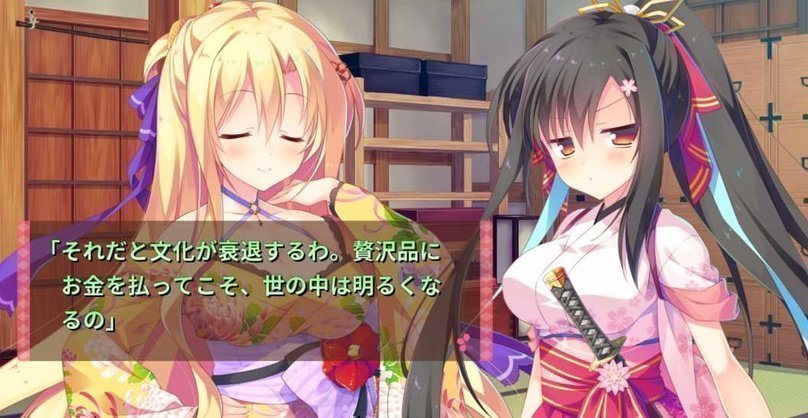
But the moment he hands her over, this turns into an NTR game. The protagonist and the heroine’s little sister naturally resist. The creditor gets pissed and tries to force the issue, but he can’t beat the protagonist, who’s holding a sword (the sword talks and has a spirit, so it’s basically a cheat). The creditor is furious and tells the protagonist to wait—sooner or later he’s gonna drag the merchant’s daughter away.
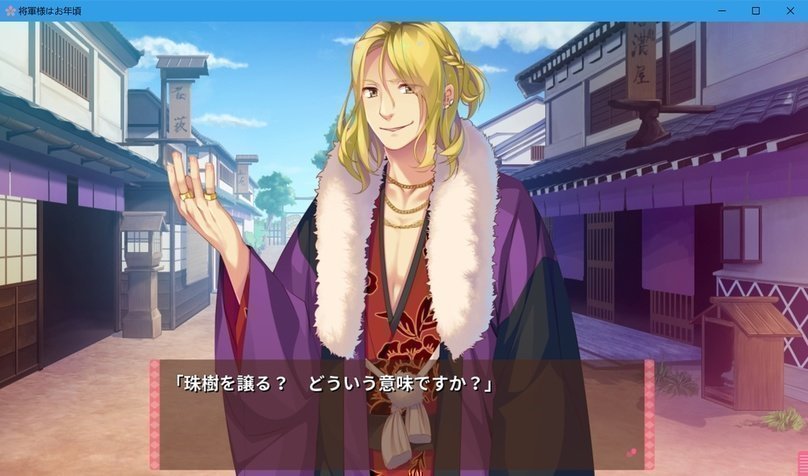
So one pitch-black night, the merchant’s house gets raided, and just as the protagonist’s little sister (the merchant’s daughter) is about to be abducted, he steps in to stop it. That’s when he finds out that a little girl named Rin, whom he’d seen around the merchant’s house, is actually a mole for the traffickers—she’s literally working for them. Naturally it ends with a long, heartfelt lecture and some ideological re-education, and Rin-chan decides to team up with the protagonist to wipe out the whole gang trafficking women and children.
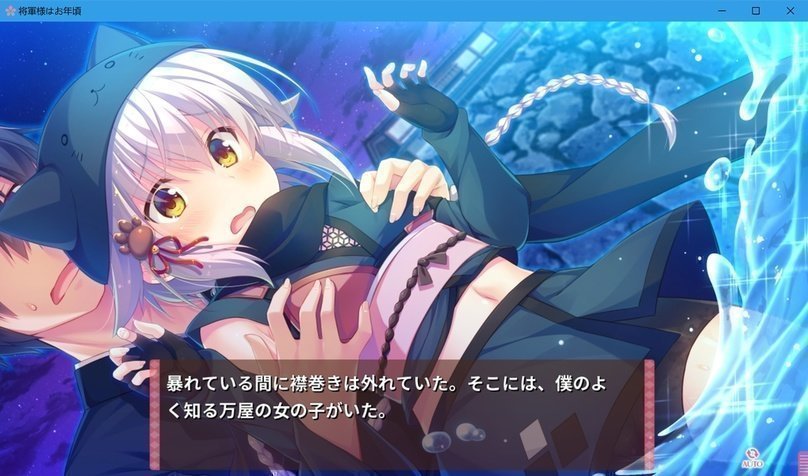
After the female samurai Tokuda Yoshimune and Tokugawa Munetaka investigate, they find that a wealthy magnate is backing the human trafficking. In the end, the group gets hold of the evidence and goes to confront the magnate. Naturally he won’t back down—he’s got power and connections, so why should he give a damn about them? Just when things are about to go south, the female samurai Tokuda Yoshimune reveals her identity: her true form is the shogun Tokugawa Yoshimune (徳川吉宗), who’s been traveling incognito among the common folk all along, and she scares the magnate so badly he nearly pisses himself. (The Japanese clearly haven’t watched enough of Kangxi Incognito Travels—we’re already sick of the emperor-flexing trope.)
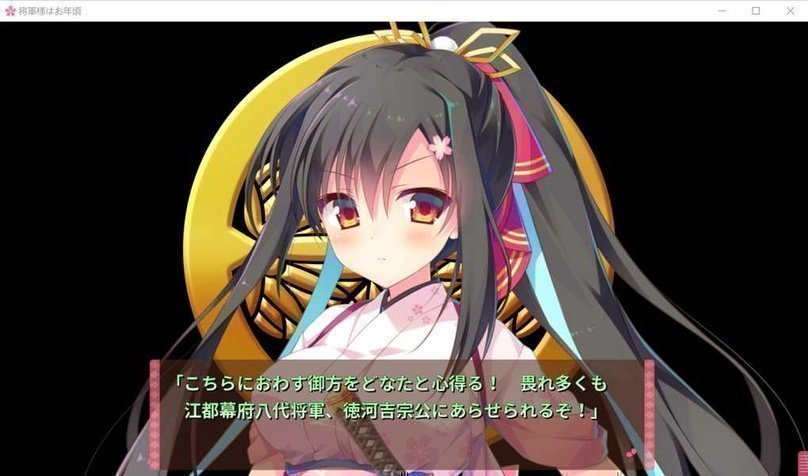
In the end, the final villains are all rounded up and crushed under the shogun’s authority… the shogun herself gets to flex a bit, and that’s when the protagonist finally realizes the woman stalking him is the Tokugawa shogun.
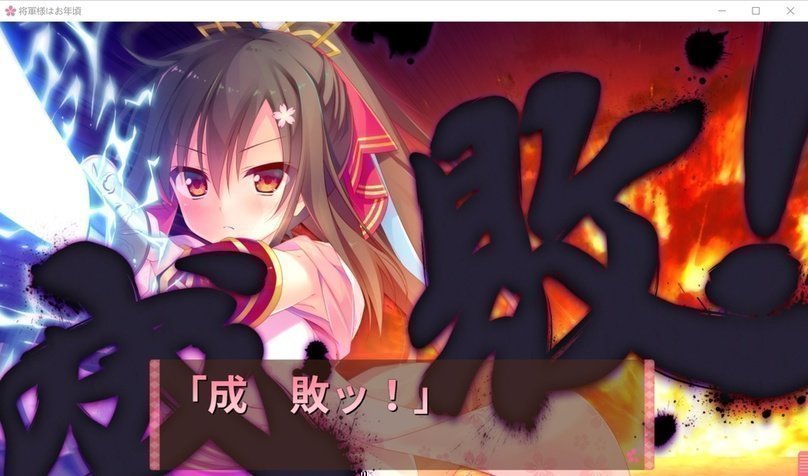
Here’s where I can explain the game’s semi-fictional setting. The shogun depicted in the game should be the historical Tokugawa Yoshimune. Japan during Yoshimune’s reign was relatively open — most notably, Christianity wasn’t completely rejected, so you could call it somewhat enlightened. That’s one reason the story picks this era. The other one, Tokugawa Muneharu, is actually the historical Tokugawa Muneharu, the man who opposed Tokugawa Yoshimune head-on — the two were basically locked in a love-hate rivalry (lol). Yoshimune championed thrift and frugality, while Muneharu went for splendor and luxury; they differed on a ton of ideals. If you’re curious, you can read this article (in Japanese).
The game borrows from Japanese history in a lot of places, but most of it gets heavily remixed. The stuff it does get right: the soaring rice prices, merchants drowning in debt. The town in the game is called “Shinbashi,” which I’m guessing is just modern-day Nihonbashi. As for how it portrays people from back then—apart from turning them into girls, all that’s really left is the old-fashioned way they talk.
So the shogun reveals his true identity, the human-trafficking ring gets busted — and that’s where the game ends?
No, no! Don’t forget that merchant still owes someone money, right? The debt’s unpaid, so you’d have to hand over your own daughter to settle it.
于是女主自己利用现代的某些知识,开始开辟第二业务,挺进时装业,受到了好评,利润开始增加,眼看就要还钱了,借钱的大户看不下去了,要让你把钱还了,那我还怎么要人?
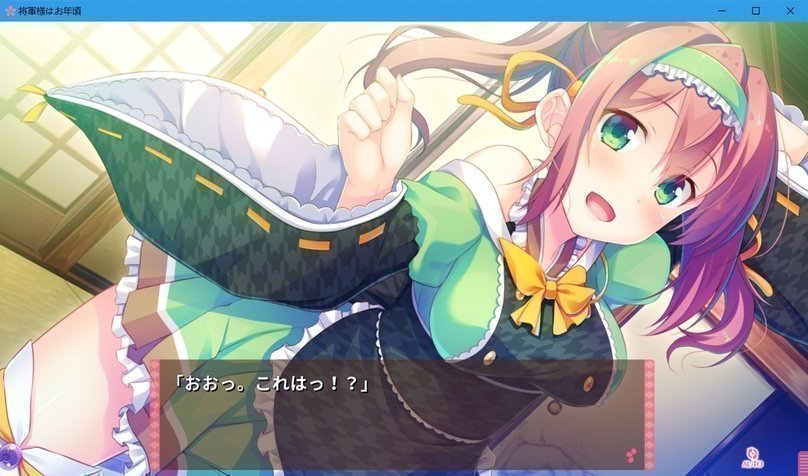
So they start hiring assassins and whatnot to get in the way, but the average assassin is too much of a dumbass. The protagonist steps in to help, and those assassins can’t do a thing against a guy with a sword. That’s when a shadowy figure appears—a samurai who calls himself a death god, blade in hand. He says he’ll take up the wealthy merchant’s request and go kill the protagonist who’s been interfering with his rent collection.
This shadowy samurai isn’t actually after the protagonist—he’s after the talking sword in the protagonist’s hand.
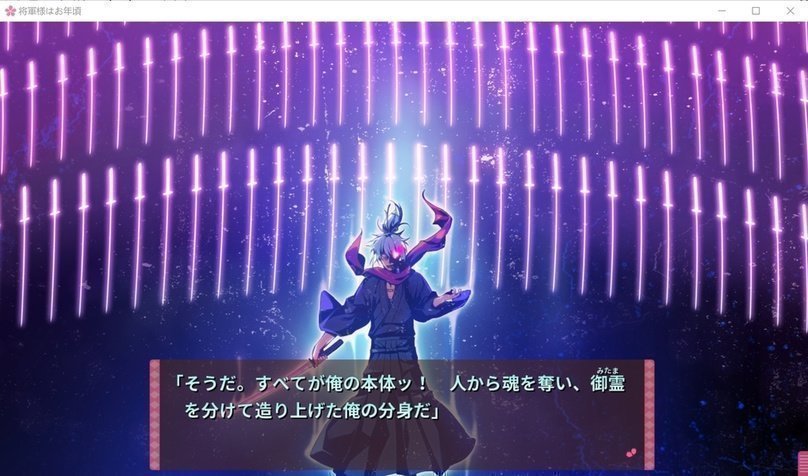
That shadowy figure is actually a cursed blade — the sworn enemy of the sword in the protagonist’s hands. They crossed steel years ago (back in the Edo period), and the cursed blade lost, vanishing from the world. Now it’s resurfaced, having devoured the body and soul of an executioner to gain flesh of its own, and it wants another shot at revenge against the sword the protagonist carries…
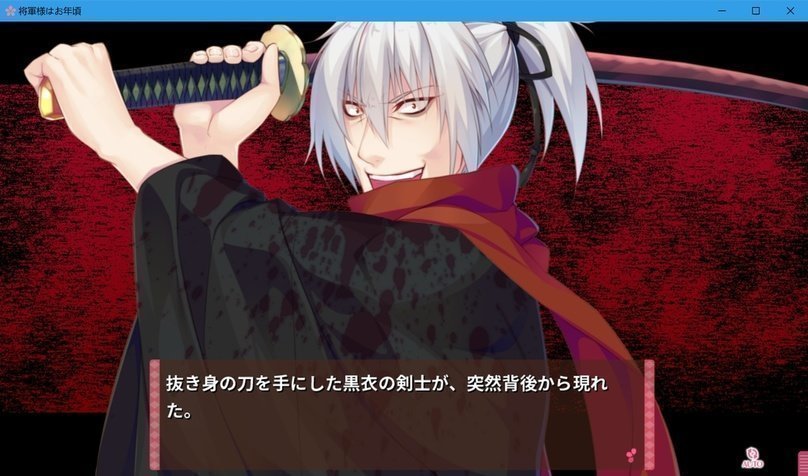
At first the protagonist can’t beat that cursed katana in a fight. He doesn’t actually know any swordsmanship, he just swings whatever blade he’s holding and improvises… all he can really do is scramble to stay alive. That’s when a strange woman finds him and tells him something strange: the cursed katana is apparently a hidden treasure that some national-level organization in Japan once kept in its collection, and she’s come to recover it. But the blade has already gone out of control, so all she can do is ask the protagonist to go and defeat it.
The protagonist says he didn’t beat a damn thing, and then that weird woman goes and hands him some cheat powers… and also explains along the way why he and his little sister got sent back to the old days.
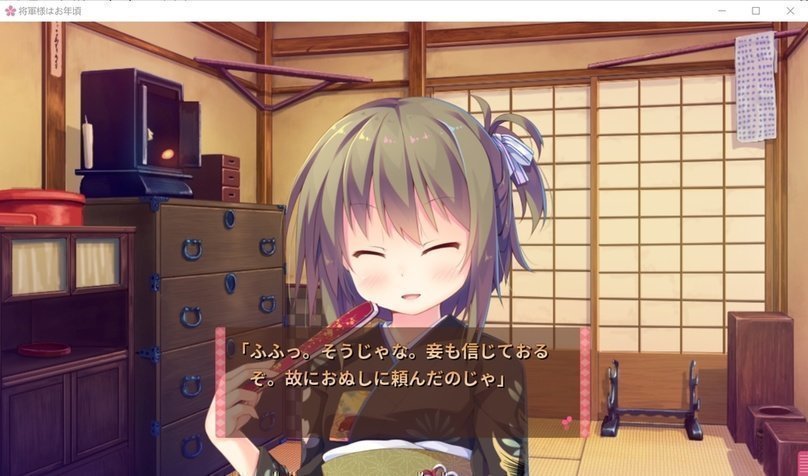
So the yin-yang mirror that the little sister was holding was actually an artifact that can reflect souls. If you bind your soul to the mirror with your own blood, you can swap souls with another person. When the protagonist got into the car accident, his and his sister’s blood stained the mirror — and over 300 years ago, the blood of the merchant’s daughter and the samurai, wounded while fighting the traffickers, had stained that same mirror too. And so these four ended up swapping souls across time.
The weird woman also said she’d be fine with letting the protagonist and his little sister return to the future world—but she wants them to defeat that cursed blade first.
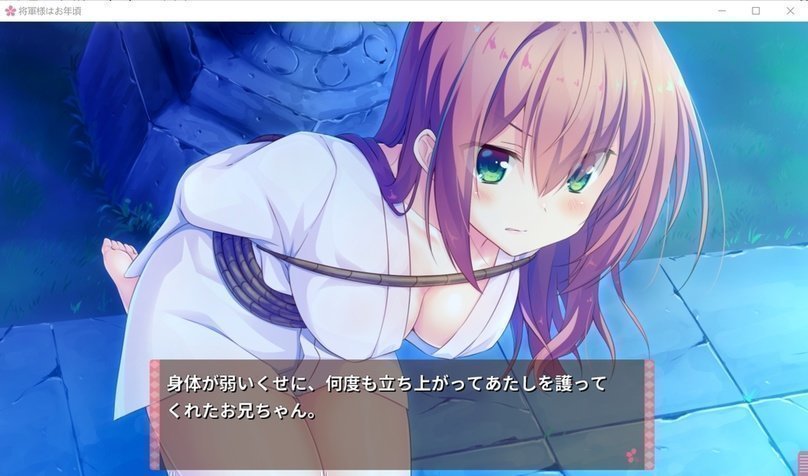
The protagonist is still hesitating when the cursed blade makes the first move — his little sister gets abducted, and the sword just stands there, waiting for him to come and fight.
Finally, of course, there’s a battle. Good triumphs over evil. At the critical moment, the little sister shines a mirror at the protagonist; he merges with the original owner of the blade, gains the sword technique, and defeats the opponent.
In the end the town’s chaos naturally gets settled, the protagonist and his little sister say goodbye to the people from the past and return to the future, and the two who got sent to the future swap back with them.
The protagonist’s trip to the past changed history a little, but it didn’t really mess up his relationship with his little sister. And in the future he gets his hands on that old artifact — the sword. The sword had been waiting over 300 years, and it told the protagonist and his sister the story of that couple from the Edo period afterward, saying they got a Happy Ending. The protagonist and his sister were happy too, and the game ends there.
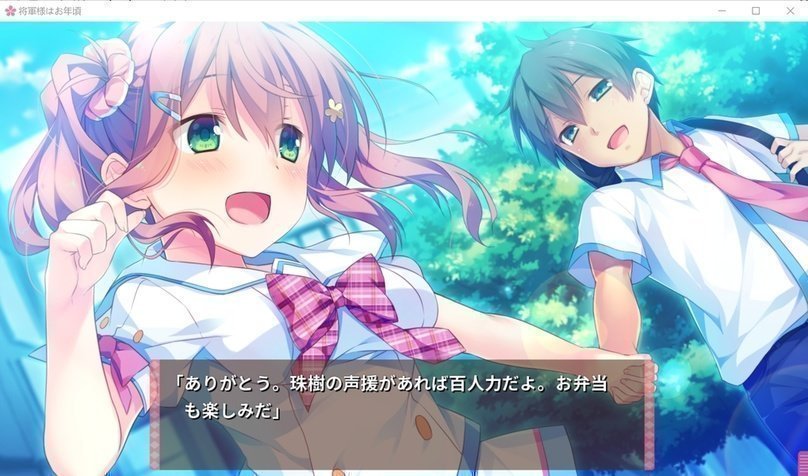
Put simply, this game is a lot better than the earliest one, Osananajimi wa Daitouryou. That one was mostly just messing around with its parody of the US president — even if the framework is roughly the same. This new release’s story is more mature, and at least it actually explains the ins and outs of the time travel.
Yeah, this whole isekai setup is about as played out as it gets over in Chinese web novels.
Alcot’s early games got trashed as “makes no sense” and “boring.” I remember some guy on Reddit (Japanese forum) who would not shut up about how Onigokko! was a garbage game. I don’t know much about that one, but I tried the demo and felt nothing. Honestly, I felt the same way about Shogun-sama wa Otoshigoro (将軍様はお年頃) for the first half. The meme references were cringe. You could say it has historical flavor, but the history is made up. You could say it has an old-fashioned vibe, but people back then didn’t talk like that—it looks like a Hong Kong/Taiwan period drama, with a bunch of princes and princesses flirting with each other. The story is still a modern story wearing an Edo-period skin, so the game was never going to aim very high.
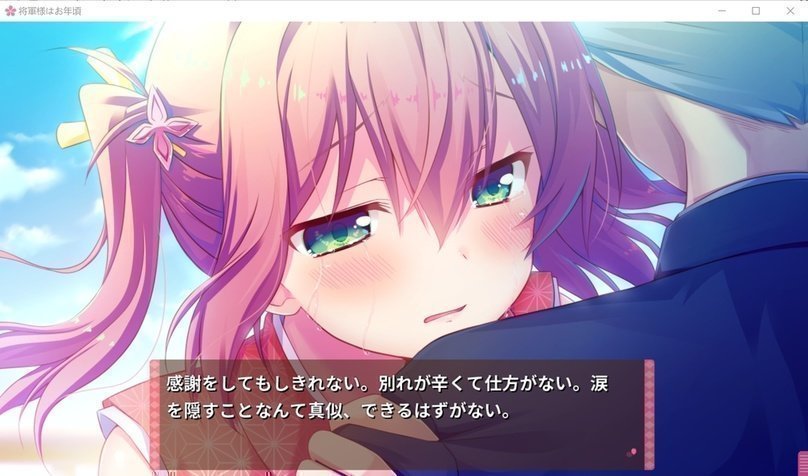
Some people are really into stories set in Japan during the shogunate era, and they’ll even sigh about why China never had a period like that… thinking about it makes me a little ashamed, honestly. China’s equivalent of the shogunate was the Spring and Autumn and Warring States period, and after that the generals were never given that much power again, while Japan stayed stuck in a system like China’s Spring and Autumn and Warring States era for ages. Still, their Meiji Restoration came faster than Tianchao’s, and they overtook us in the end — kind of ironic, really.
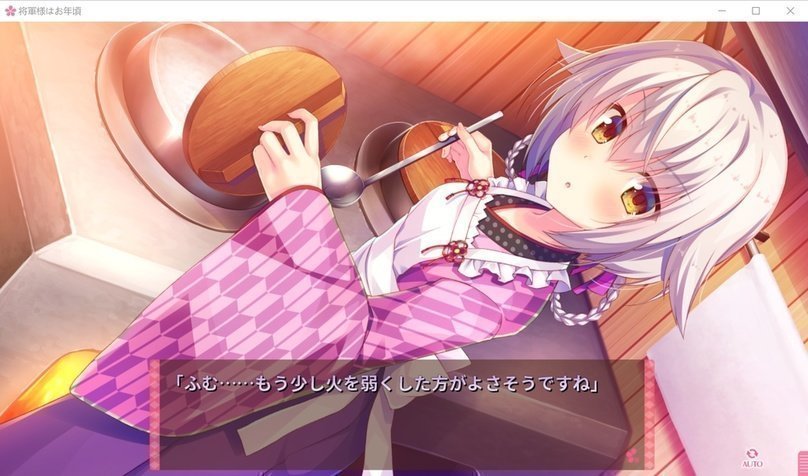
That said, Oushou-sama wa Otoshigoro does get more interesting in the second half, especially the cursed sword fights. It made me think Alcot could actually pull off action scenes when they want to (even if the Honeycomb sub-brand has done it plenty of times already). The final mirror asspull still got me a little hyped, honestly. Going by that alone, the game isn’t really that bad.
Script-wise, I think the game is an improvement over those earlier nonsensical works—at least it’s reached a “normal” level. But the visuals leave me unsure how to even evaluate them. A lot of the time the little sister’s expressions look really off, and the other side characters are all a bit better-looking than the protagonist. Apart from the sister’s face constantly breaking, the protagonist is just big tits, big tits, and thighs—way too vulgar, way too streetwalking. Not good. People in the old days were supposed to be modest and reserved.
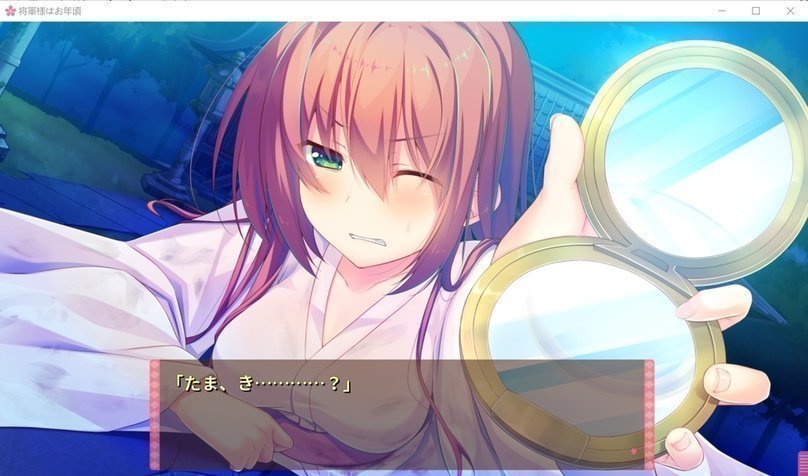
Of the game’s CVs, the one I had the most hopes for was the little sister, Uehara Aoi, and in the end I don’t think she delivered this time. I don’t know if she’s just been drinking too much lately, but her voice has clearly gotten rougher, and there’s a sort of holding-back to it. That old ultra-high-speed snark plus the gasping, blissed-out style of voice acting — you just can’t hear it anymore. She doesn’t seem especially invested, and it comes across a bit like “eh, this’ll do.” As for the other CVs? Hanazawa Sakura? Pretty mid, honestly, left zero impression — though this is the first time I’ve heard her do this tomboy-ish voice.
The soundtrack, I have to say, is way too low-rent. If I hadn’t been staring at the Japanese text up top, I’d have thought I was playing Fantasy Westward Journey — that cheap Chinese MMO RPG BGM style. I checked the composer and it’s no longer Angel note from the Clover Days days; they actually went with Peak A Soul+. A step back! A real step back! Aside from Your diary, Peak A Soul+’s soundtracks are all assembly-line work. Look at CUBE’s games — every character always gets their own theme, and whoever’s talking gets their BGM swapped in, with these stiff cuts and template tracks that just sound half-assed… And the fact is, the music this time really does feel slapdash, the tracks don’t flow naturally into each other. I dunno, maybe Alcot really is out of money.
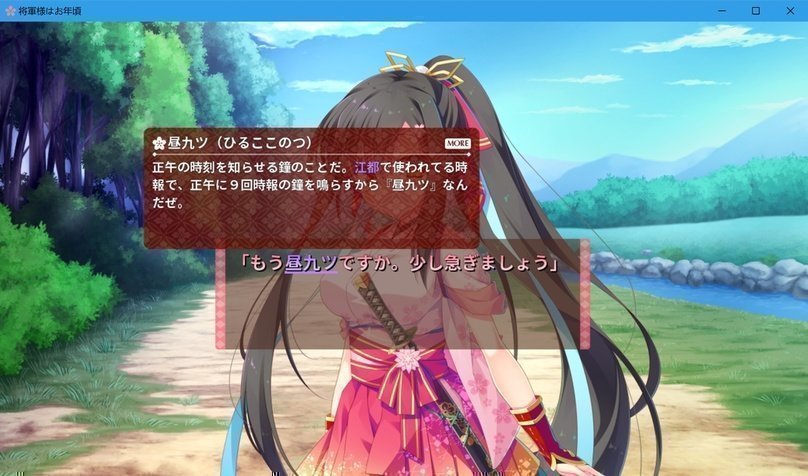
The game markets itself on “getting with the shogun,” but the actual story is about the protagonist and his little sister traveling through time. The shogun thing is just a gimmick—and getting with her? Don’t forget the shogun is a guy, he’s just been renamed and genderbent. The only thing in this game that can actually drive the plot is the little sister. Though this sister feels like a blatant imitation—the writer seems to be copying the sisters from Alcot’s other big hits, down to calling her a “駄妹” (worthless sister). For someone like me who’s played all their other games, it just feels… tiresome. No freshness at all.
A decent script, average art, unremarkable voice work, and a BGM that feels like nobody really tried. I doubt Shogun-sama wa Otoshigoro (将軍様はお年頃) is going to surprise me — at best it’s competent, good enough for a passing grade, and with the few moments that could’ve been genuinely hype, calling it “good” shouldn’t be a problem.
So then, how exactly should one translate the title Shogun-sama wa Otoshigoro? I thought about it for a while, and figured I’d just go with The Shogun’s In Heat…
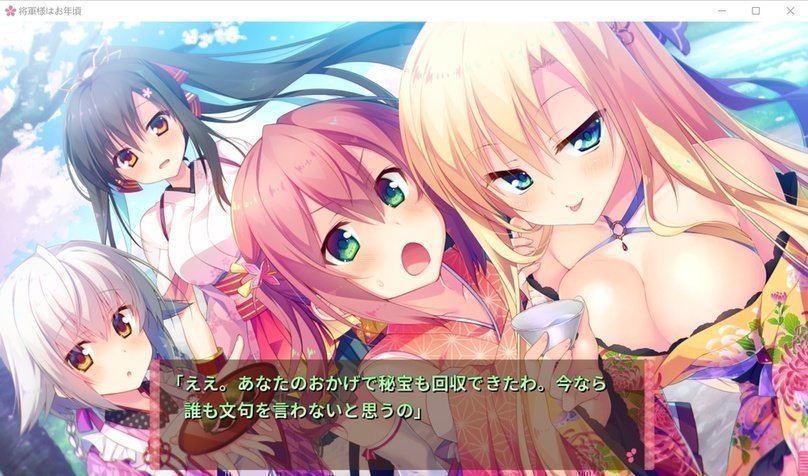
「お年頃」这个词在日语里,表面上的意思是「到了那个年纪」。当然,含蓄到傻逼、不肯好好说话的日本人,肯定不会只用表面意思。「お年頃」更多是指小孩子想要快点长大那段时间的青春期;如果是男孩子,说成「青春期」也没什么,但要是指女孩子,这个「お年頃」就带上了一点「思春期」和「发情期」的味道。颇有点「命短し、恋せよ乙女たち」那种风格的意思。
Sadly, I didn’t really care about that horny shogun in the game. What I actually found insanely cool was the protagonist whenever he picked up a sword.
Some kid on the forums translated this game as “The Shogun Is in Her Prime” — I don’t think that’s a good translation.
After all, the one in the prime of his youth is the samurai protagonist — the shogun herself is really just a girl experiencing her first crush.
Comments are hosted on the Chinese main site. This mirror is read-only.