Walkure Romanze (ワルキューレロマンツェ) Review
Moonrise Romance
Lately I’ve been kinda unsatisfied, you know? Getting older, and plain plots just don’t do it for me anymore.
Probably I’ve played too many games and seen every story beat there is, so when something completely ordinary happens I just go “meh.” Recently I’ve been hunting for stuff with more “punch,” more “intensity.”
Don’t get the wrong idea, I’m not about to awaken some weird fetish. I just mean I want that “protagonist starts weak, beats one strong enemy after another, and finally takes down the boss in a blazing finale” kind of story.
Ah, whatever, I just want to read 王道 — the tried-and-true hot-blooded route.
Honestly, 王道 stories are everywhere in shonen manga; all those long-running mainstream series are built on that formula. But in the Galgame world this kind of content keeps shrinking. Either it’s half-assed, or they force some bullshit and end up making a mess. Some don’t even try. The last game about piloting fighter jets really disappointed me. I don’t think I’m asking for much — I just want something like Aokana. Is that really so rare?
In the end I had to go digging through old games. Then I remembered: way, way back I’d picked up Walkure Romanze and never finished it…
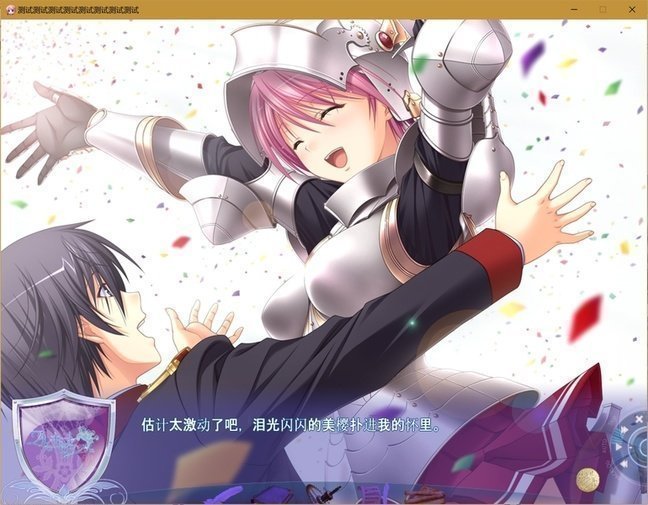
Walkure Romanze (ワルキューレロマンツェ) — the reason I originally wanted to play it was the anime. Honestly the anime adaptation turned out pretty good: intense fights, solid animation, and it even got two sequel seasons off the anime’s popularity. Games are usually better than their anime, so I had expectations, grabbed it early, and waited for a translation…
Then by the time I could actually read raw Japanese, I’d forgotten all about it… Only remembered recently.
The game isn’t long. Or rather, it doesn’t have much filler — it’s pretty tight. That said, that only holds if you pick the “王道 route,” i.e. the pink-haired main heroine’s route.
The protagonist used to be a knight. The heroine, Mio Kisaki, totally idolized him back when he was a cool, active knight. But then he went through some trauma and gave up being a knight, becoming an assistant knight who just tends horses. Mio is heartbroken — she keeps wanting to restore his confidence, get him back in the saddle, because she thinks he’s strong and it’s a real waste for him not to be a knight.
But the protagonist absolutely refuses to be a knight and keeps happily tending horses… Mio is anxious but can’t do anything about it.
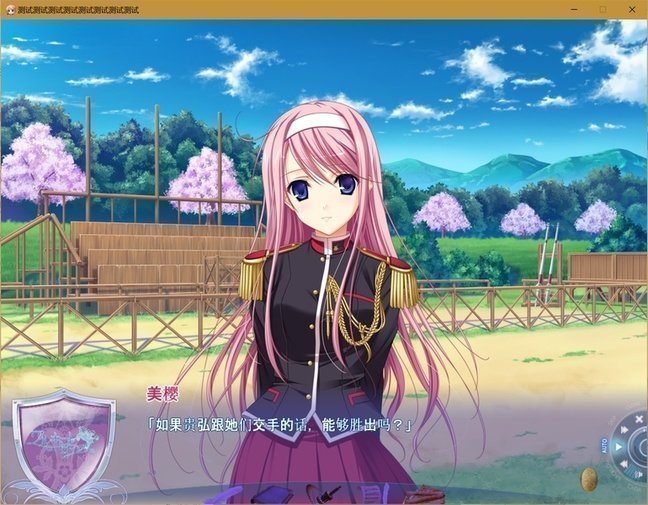
The school they attend has a horse-riding program that trains knights. The protagonist tends horses instead of being a knight, and Mio isn’t in the knight program either. But through a series of accidents, while Mio is admiring the protagonist’s old knight helmet, she pisses off a minor boss from the knight program. The minor boss sees Mio holding the helmet, assumes she’s a knight too, and challenges her to a duel. Mio can’t talk her way out of it. Seeing the minor boss insult the helmet of her beloved protagonist, she gets furious and, in the heat of the moment, accepts.
Yeah, if you’ve seen the anime you know exactly what happens next. The anime followed Mio’s route to the letter. The protagonist learns that Mio, a total rookie, is going to duel someone from the knight program. Seeing she won’t back down, he decides to act as her assistant knight and starts teaching her from scratch: how to ride, how to be a knight, how to protect herself in a fight.
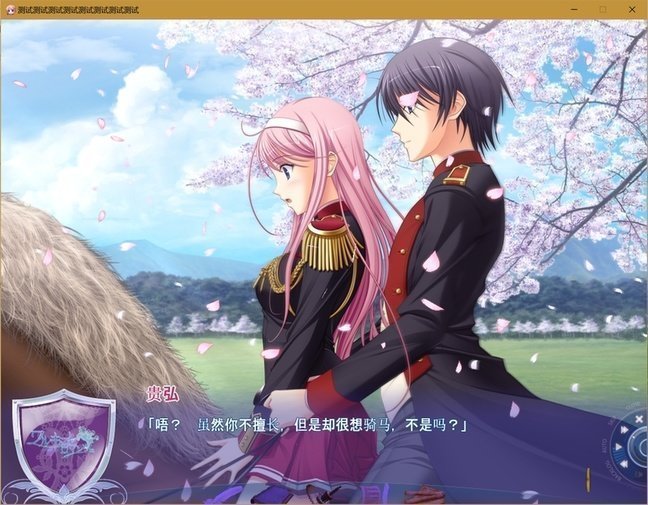
Yeah, protect herself. The protagonist never intended for Mio to win this duel from the start — you’re an amateur, and in such a short time you’re going up against a pro. Not getting hurt would already be a miracle, let alone winning.
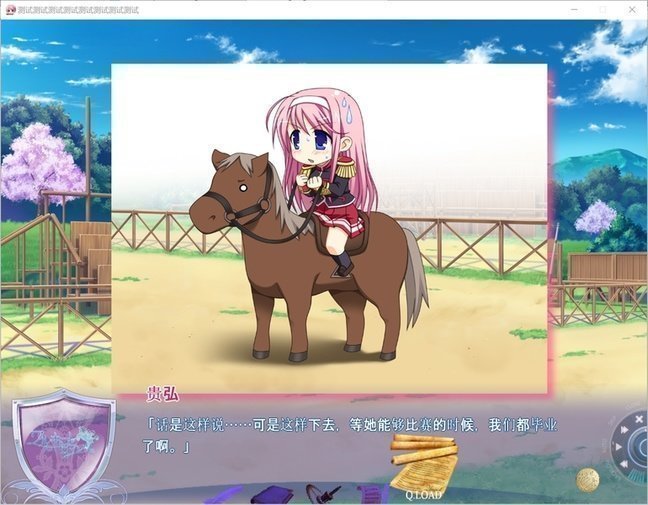
But during training, the protagonist accidentally discovers that Mio has exceptional dynamic vision as a knight — she can clearly see her opponent’s movements at high speed and react to dodge.
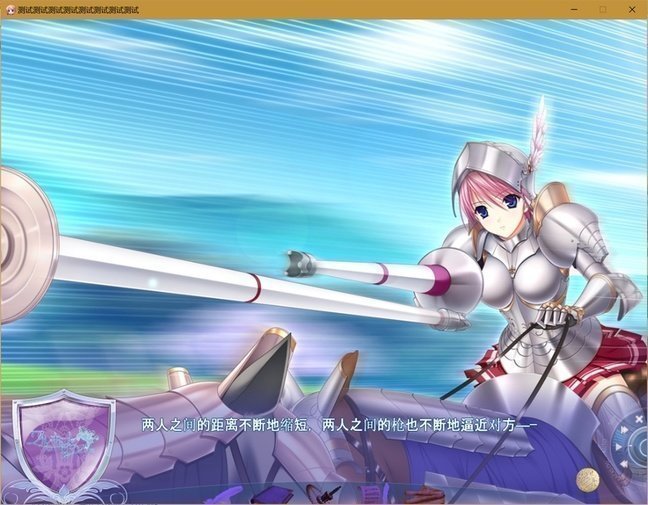
The protagonist gets an idea. Maybe Mio can use that talent to win the duel…
During the duel, Mio gets wrecked at first, but the protagonist smartly has her deliberately lose early on to make her opponent overconfident. Then they counterattack mid-match. The opponent, seeing someone who was trash suddenly become amazing, gets rattled and starts showing more openings. Then they seize the moment for the kill.
Mio trusts the protagonist completely and follows every order. Whatever he says, she does. And so, in this little duel, they pull off an upset victory.
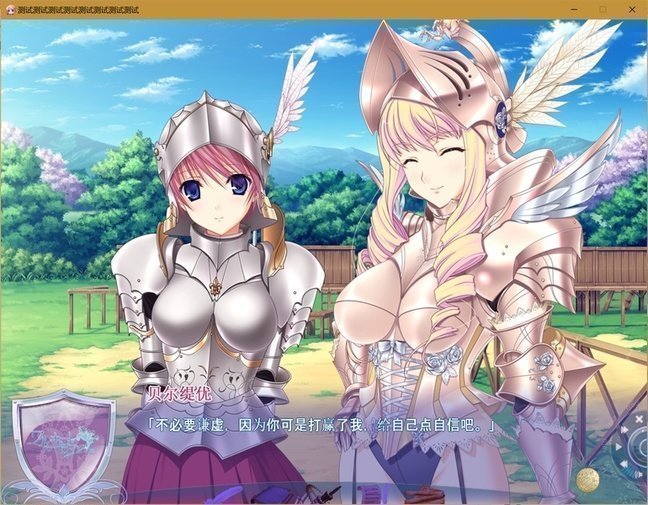
A rookie who’d only just learned to ride beating a professional knight — a miracle. Soon the protagonist and Mio become the talk of the school.
Knights come flooding to the protagonist, hoping he’ll be their assistant knight for the school’s summer tournament.
And Mio herself, thanks to this duel, develops an interest in becoming a knight. She figures that even if the protagonist won’t be a knight, it’d be pretty cool if she became one — maybe it could rekindle his passion.
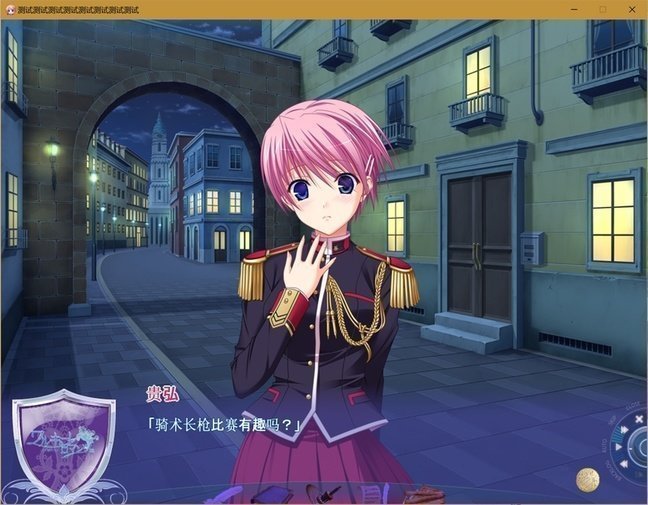
In the end the protagonist decides to support Mio. But there’s a problem: she’s not in the knight program, so she has no eligibility to compete. The protagonist goes to the student council president, Celia — a repeated champion of past summer tournaments — and gets shot down.
Mio isn’t giving up, and neither is the protagonist. They gather friends from the knight program and collect signatures from classmates, petitioning for Mio to be allowed to compete in the summer tournament as an exception.
The president finally caves — can’t fight the crowd, can’t save face — and agrees.
Mio finally enters the qualifiers as a knight, but it’s uphill from the start. She can’t beat her first opponent at all — a total loss, without even scoring a single point.
Mio is crushed. But the protagonist steps up. As her assistant knight, he clearly understands her talent is her dynamic vision — with good use, reaching the finals isn’t a pipe dream. But her fundamentals are just too weak since she’s only just started riding.
The protagonist tells Mio she needs to drill the basics more, and begs her not to get too down or give up. Mio trusts him completely, doesn’t quit, and keeps training hard — sometimes all day — then has to go to work. It’s brutal.
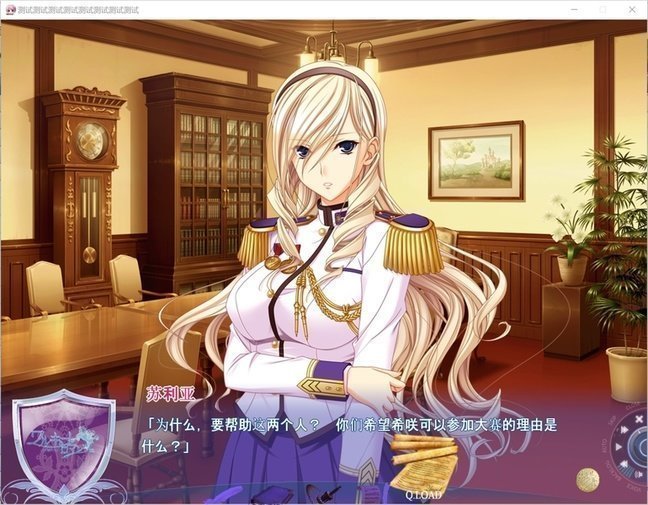
Hard work pays off. In the following group matches, Mio’s strength starts showing. She mows down a bunch of jobbers and makes it to the semifinals.
The semifinal is against the protagonist and Mio’s friend, the knight-program ace Akane Ryuzenji. Mio and Akane know each other and are good friends; Akane has even helped Mio practice many times. But now they’re rivals.
Mio has no confidence against Akane — she’s just too strong. But the protagonist is confident, because he’s stronger.
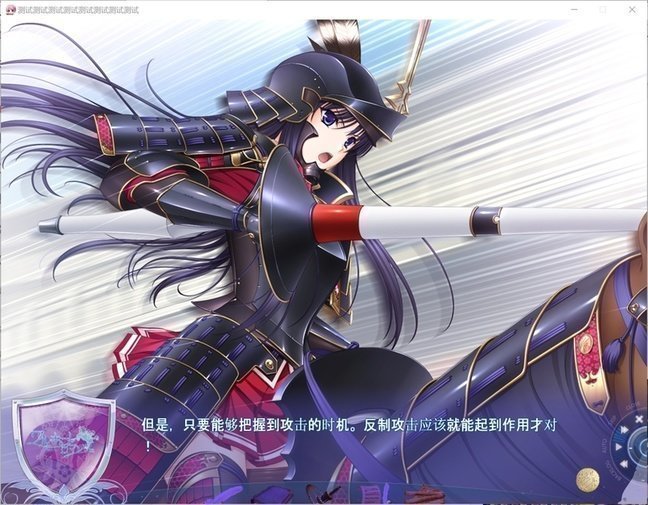
You really have to marvel at how absurdly good the protagonist is. As an assistant knight — basically a coach — he can pinpoint an opponent’s habits and openings and devise countermeasures against their weaknesses.
The protagonist notices that Akane pursues perfection and finishing blows in her attacks. Mio is technically inferior, so Akane will definitely use a frontal pressure strategy. Just as he predicted, Mio suffers at first, completely unable to break through. The protagonist decides to have Mio feint and strike the opponent’s body parts for points, then use Akane’s desire to finish by taking her feather for a defensive counter.
Through the protagonist’s plan, Mio seizes the last chance and defeats the powerful Akane.
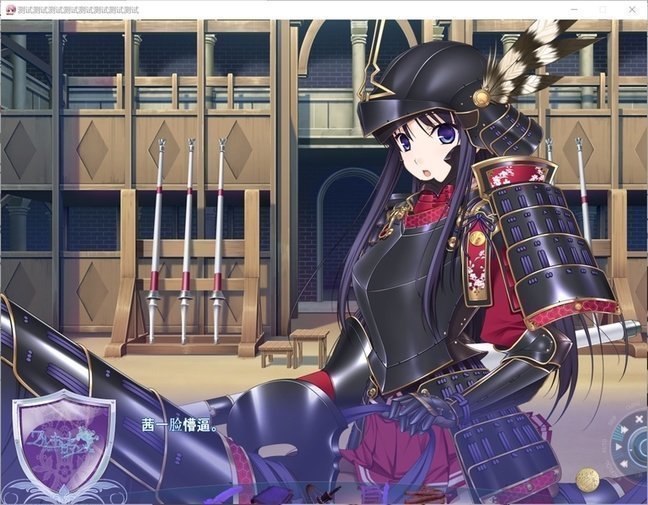
Meanwhile, word comes that student council president Celia has also won her match and secured a spot in the finals.
The final arrives: Mio will face the former champion, student council president Celia.
Celia is incredibly strong; Mio can’t handle her at all. And she’s not just strong — she’s vicious, shows no mercy. Most importantly…
She’s a total dirty player.
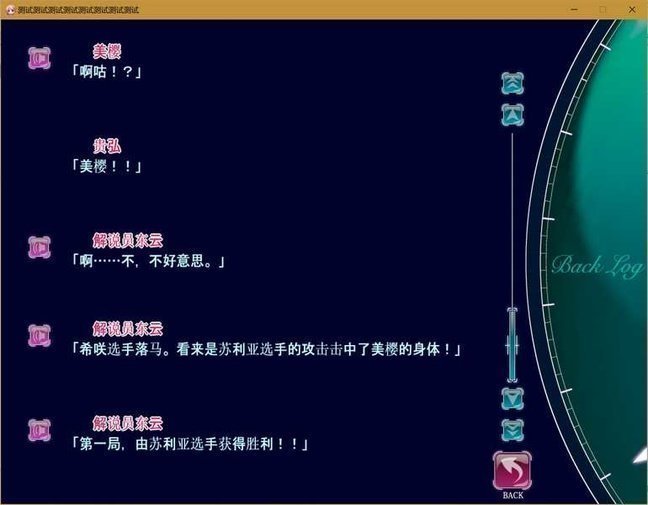
Why do I say that? Because for all her strength, she has zero knightly spirit in a match — she’ll do anything to win. Drawing fouls, jabbing at your body to knock you off your horse, staying fully defensive and just chipping points off your hands…
So in the opening exchanges Mio scores nothing at all, and it’s already match point — lose again and it’s over.
The protagonist has been watching her for a long time. Against a dirty player like this, tricks won’t work, but he spots a weakness.
At match point, the protagonist decides to gamble. He bets that next round, the opponent will try to jab at the feather on Mio’s head for the finishing blow. To bait her, he tells Mio to act lazy and expose the top of her head. The moment the opponent strikes, Mio strikes too — going straight for her feather.
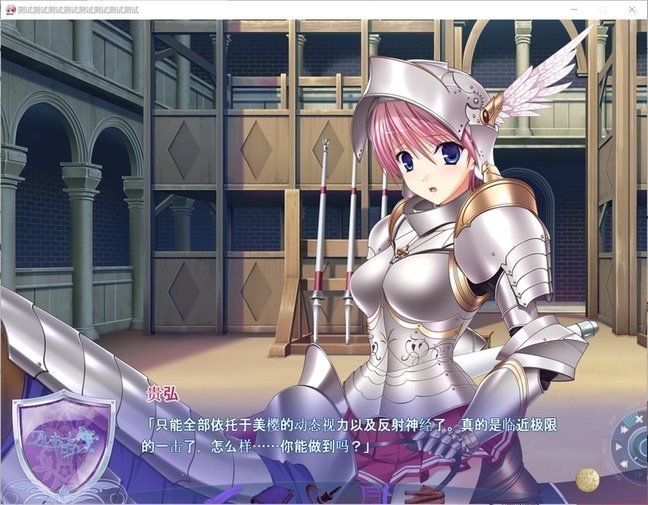
If his guess is right, it should work. And sure enough, the protagonist predicted correctly. The president, seeing so many openings on Mio, goes for the feather to finish it. As she attacks, Mio dodges fast and counterattacks. The opponent can’t defend in time, and Mio knocks the feather off her head.
Final blow — Mio wins. She defeats the former champion and becomes the new champion.
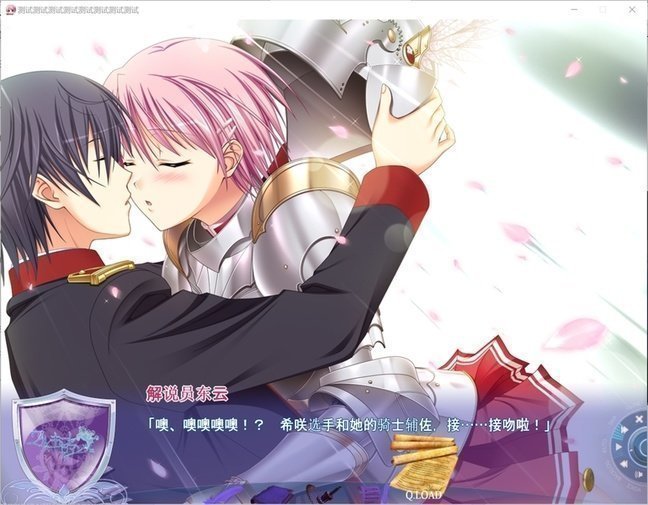
After this battle, the protagonist also regains his old passion for knighthood. After graduation he chooses to return to knight school. Years later, he comes back, and Mio waits for him under the cherry blossoms. They embrace, and the story reaches its conclusion.
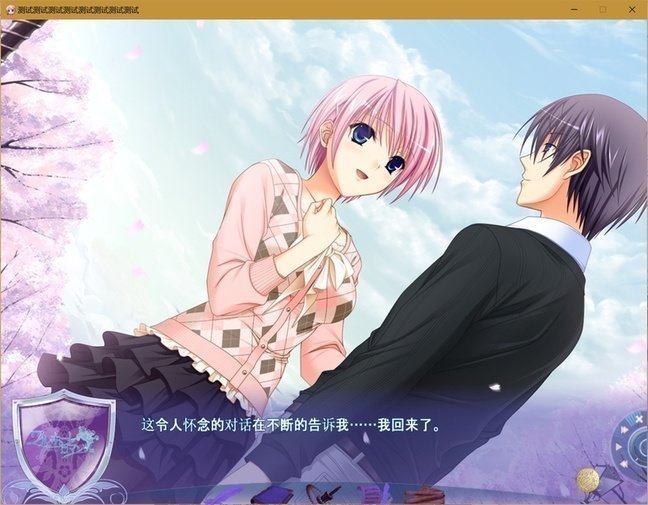
Actually, Walkure Romanze the game feels quite different from the anime. First, the fight choreography: the anime focuses on special effects, while the game focuses on strategy.
In the anime, the protagonist rarely explains how he teaches the heroine to attack — they just charge in and stab. In the game, most stabs are just a single CG; you don’t see much intense action. All you see is the protagonist’s scheming mind. The anime version of Walkure Romanze even skips over how underhanded the president is in the final battle, just using match footage with the OP playing over it. In the game, the president is a total dirty player.
I have to say again — the protagonist is wasted as an assistant knight. He’s really strong, at least several tiers above the heroine in this competition. He can clearly read the opponent’s movements, identify their weaknesses, and use the heroine’s strengths to beat the opponent’s weaknesses for the win.
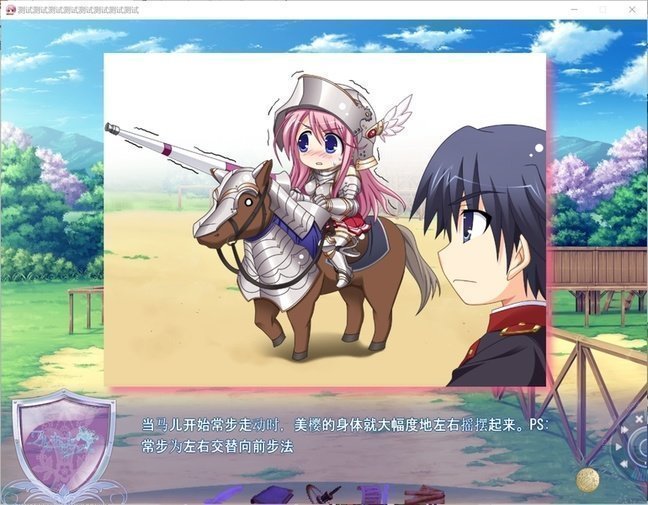
And the president Celia, who was the most popular in the anime, is a standard villain in the game. She’s vicious, cunning, and fights dirty. I originally thought she’d be the “noble knight” type who disdains “vulgar tricks,” but nope — her moves are straight-up dirty…
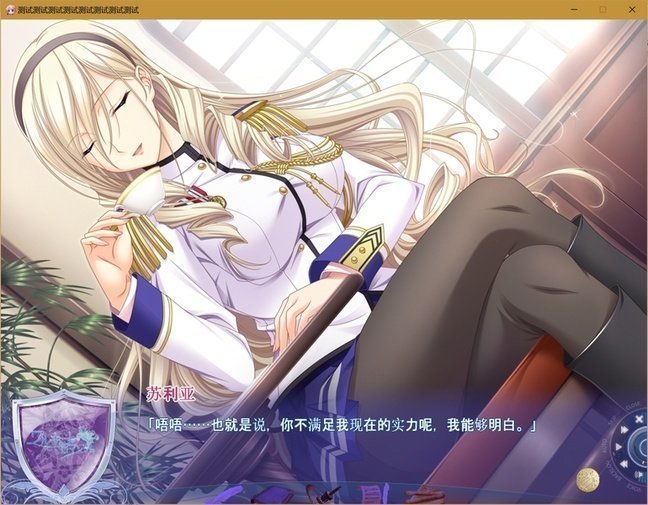
If you take other heroine routes, including Noel’s, her match against Celia is a great demonstration of how sneaky Celia is.
Noel wants to win to gain her father’s approval and help her sister regain confidence. But in the fight against Celia, she’s constantly outplayed. Fortunately Noel isn’t a pushover either — the two dirty players go at each other, and honestly that route’s Noel vs. Celia fight is ugly as hell; malicious fouls and everything…
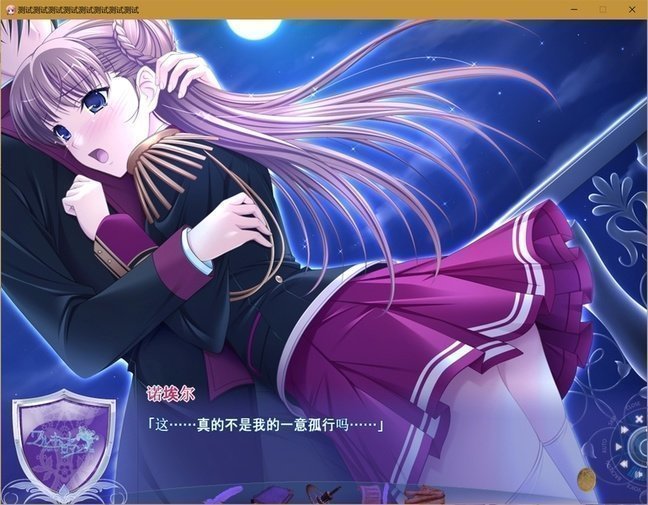
Also, aside from Mio’s route, the other side-heroine routes are pretty lazy — not much hot-bloodedness. Once the protagonist picks whose assistant knight to be, since the other heroines are already strong, he barely trains them; every day is just dates and sex, and then they lose to president Celia in the tournament… Neither of them cares, they just keep having a great time banging, then ED.
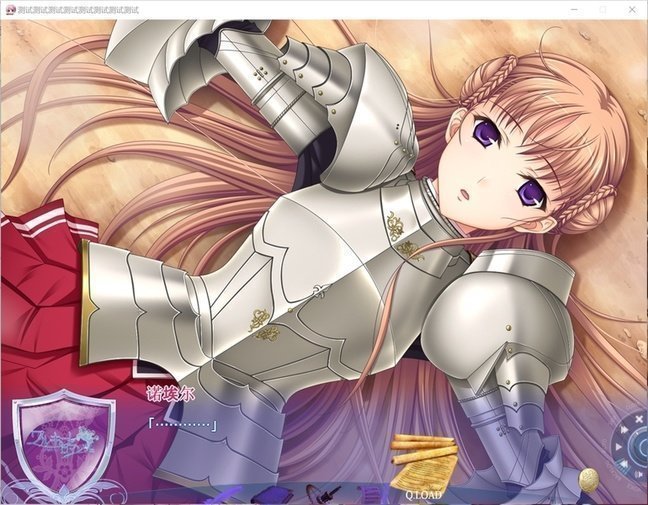
This game’s only route worth watching — and the most serious, and the most worth reading — is Mio’s.
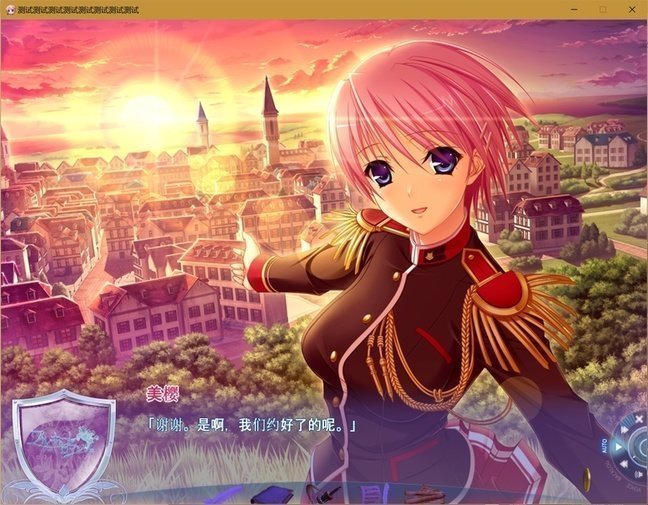
A 王道 story of two people working together. Mio isn’t strong, but she really loves the protagonist, believes in him, and is willing to give everything for him. And the protagonist never lets her down — using his clever schemes to help Mio win again and again.
“Looks like I ultimately lost to the two of you.”
The president says that to the protagonist when she loses the match. Mio’s route even has a bit of that Indian movie Dangal feel — tightly written, no dragging. And it’s genuinely hype at the end; when “shooting the future” kicks in I actually got a little emotional.
I have to say, the last time I felt this was Aokana.
Oh right, can this game compare to Aokana? I don’t think so. Aokana emphasizes the competitors themselves more during matches — each has their own story and thoughts, even a past they carry, needing the protagonist to guide them.
In Walkure Romanze, though, Mio has no past. She only has her admiration and attachment to the protagonist, and her trust in him. Maybe that’s part of why the two can create miracles.
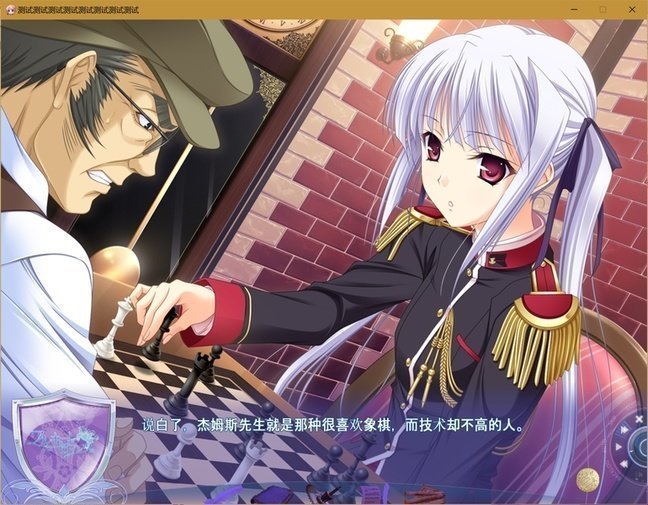
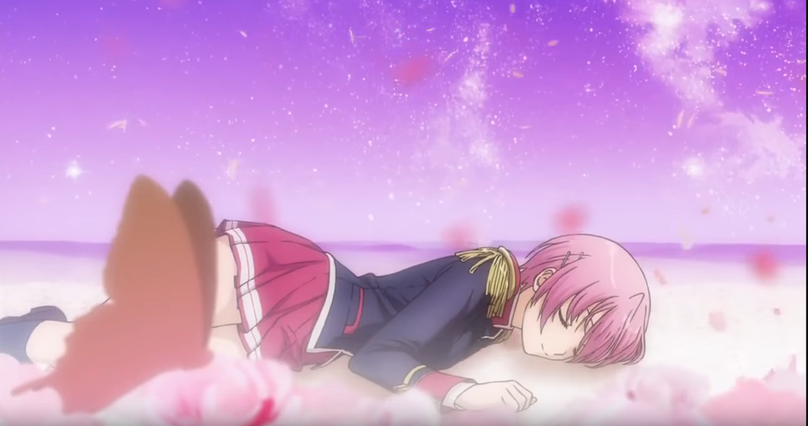
I can’t help but think of the Walkure Romanze anime ED, a song I also love — Natsuko Aso’s “Moonrise Romance.” In the ED visuals, Mio hugs the protagonist’s helmet in bliss, and finally becomes his bride, collapsing among petals. Maybe that’s a kind of romance the game couldn’t convey.
One last gripe: the Japanese original of Walkure Romanze won’t run on Windows 10 anymore — seems to be encryption-related. I can’t be bothered to hack together a crack myself like I did for Izayoi no Fortuna back in the day, but I found that the Chinese-patched version of Walkure Romanze actually runs, so I played that.
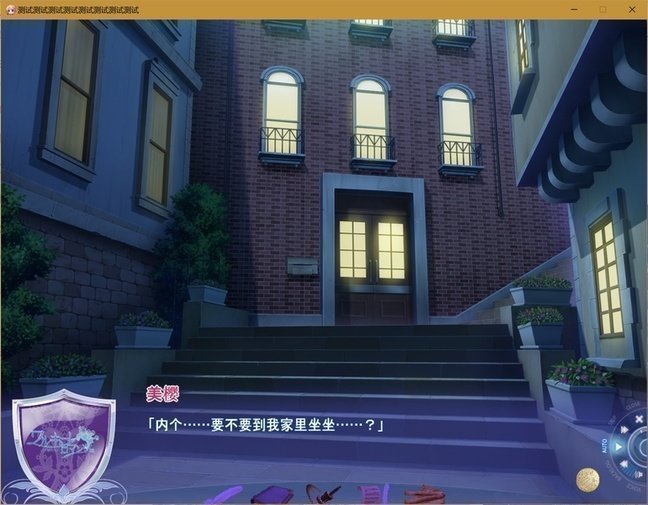
The translation is said to have leaked from Xinyuanwu. Early on the quality is actually decent — no, wait, really good. But mid-to-late game the quality tanks; the protagonist suddenly develops a Beijing accent… “nèi ge” this, “nèi ge” that. By the final after-story, maybe because it was almost over, the translation team started shitposting…
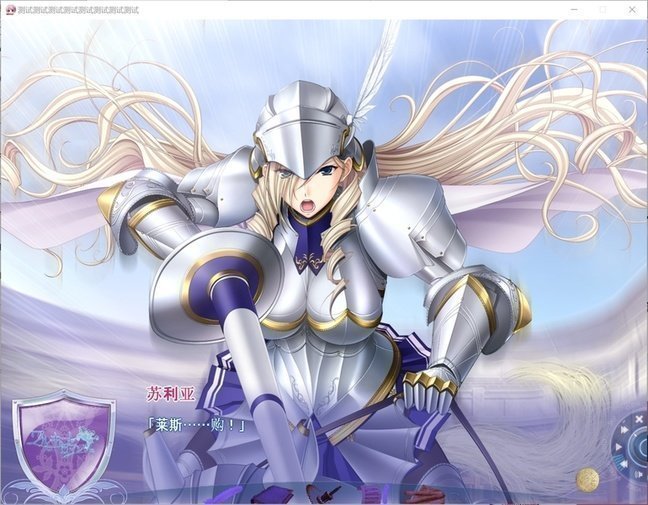
Stuff like “come here dog” and “baobao’s heart hurts”…
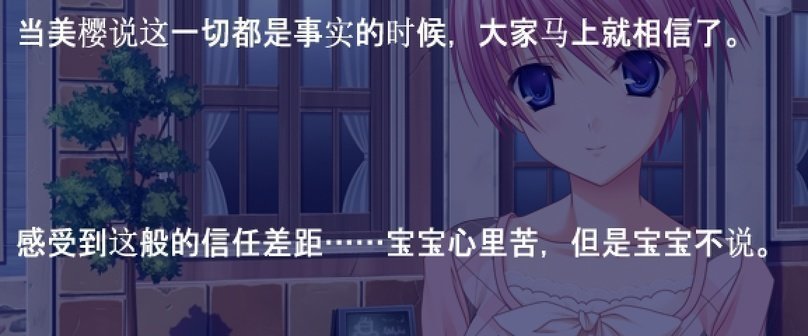
Whatever, no big deal. I can’t be bothered to care — as long as I can understand the voices.
Oh right, right — a lot of people say Walkure Romanze’s HCGs are great, especially that the president has a pissing play.
However… see for yourselves. Everyone has a pissing play, every single one gets fucked by the protagonist until their eyes go blank and their tongue hangs out. It looks… weird…
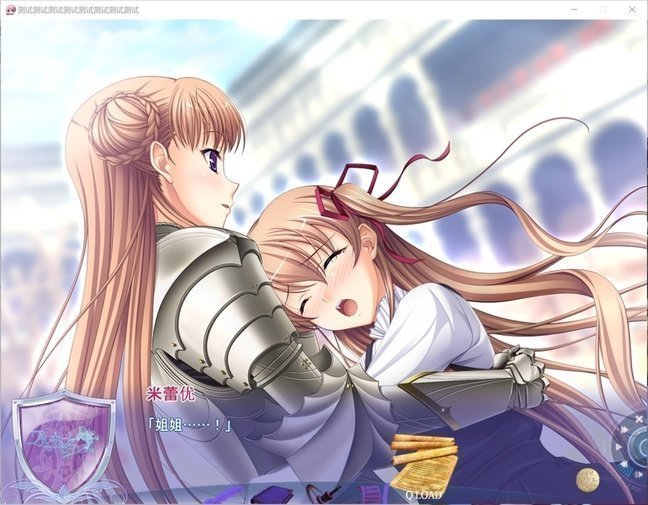
Still, this game’s quality is actually pretty good — way better than current new releases. Hearing Ai Shimizu and Auntie Taguchi’s voices again made me really happy. No more shitty Sendai grandma.
Comments are hosted on the Chinese main site. This mirror is read-only.