Kieta Sekai to Tsuki to Shoujo (消えた世界と月と少女) Review
The World Was Prayed by a Girl, Clones Attack, and the Moonlight Box
A lot of games love pulling the “tube-out-the-back-of-the-head” twist. What’s that, you ask? It’s when the story feeds you one narrative up front, then at the very end tells you it was all a lie, that it was only a tiny fragment of some much bigger story behind the scenes, that you were just a pawn on the board, and the real story starts now.
Like you’re in the middle of Speed, and just as you’re about to die you wake up in another world and get told the whole “Speed” thing was virtual reality or a dream…
The twist itself is genuinely cool and it’s got real con-artist energy. Done right, it goes off like a bomb. Even done half-right it’s at least not bad — see that one World of Gurgle and Birthdays. But note what I said: “done right.” What if it’s done wrong?
Remember that game called Danganronpa 3? Remember that feeling of eating shit?
So I played another one of these “tube-out-the-back-of-the-head” games that didn’t quite land: Kieta Sekai to Tsuki to Shoujo (消えた世界と月と少女).
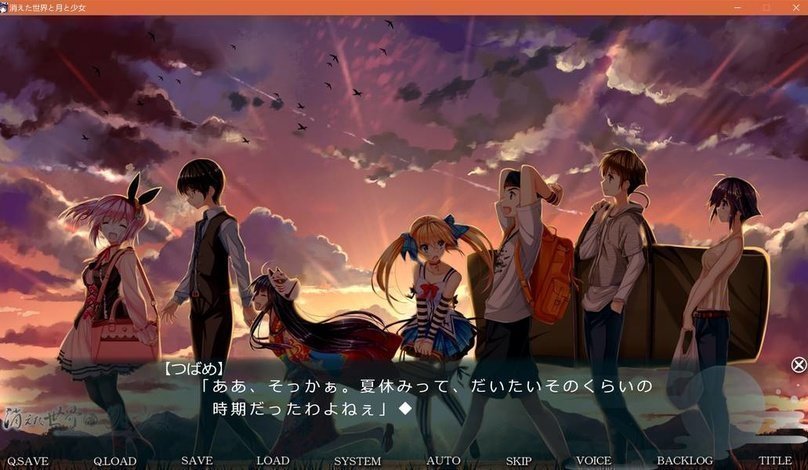
Kieta Sekai to Tsuki to Shoujo really caught my eye in the promo. It was going for horror — creepy Japanese children’s songs sung in a sinister way, and that bloody OP. Stuck with me.
Booting the game up actually made me yell “insane” harder: this is the first time I’ve ever seen a visual novel that needs Google Account authorization to save your data to the cloud…
Absolutely unhinged!
In practice the thing doesn’t run well. It’s inefficient, huge stalls all over the place, and I spent a while suspecting it was just some simple VC-built thing — you can tell from the ugly-ass scrollbar in the backlog…
But never mind the system. Let’s talk about the story itself.
The game is dripping with suspense from the start. The protagonist is talking to a masked woman. She asks if he wants to know “the truth.” He says yes.
(If you pick “no,” the game kicks you straight out…)
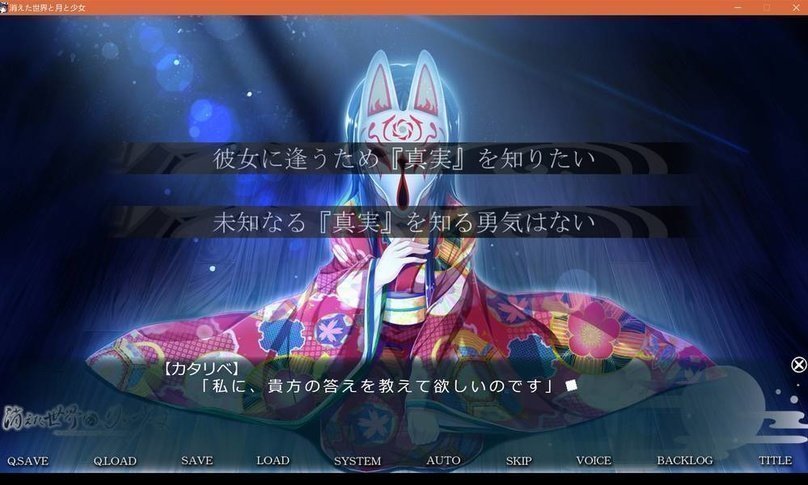
Then the scene shifts and the story begins. The protagonist returns to his hometown, the countryside, because his mother died, so he’s come back to find out the truth about her death.
Once back he meets some friends: his childhood friend Miina, the tsundere Kyoko, the shrine maiden Tsubame, the shut-in Rui, and a mysterious little girl who calls him “onii-chan” right off the bat: Kaguya.
The group hangs out, and Rui the shut-in lets slip that in a few days the village is holding a festival, and during the festival the village elders are going to perform some secret ritual.
Rui also says the village has had a lot of strange murders and disappearances in the past, tied to a local legend about a Kaguya-hime, and the festival is held to keep another disaster from happening.
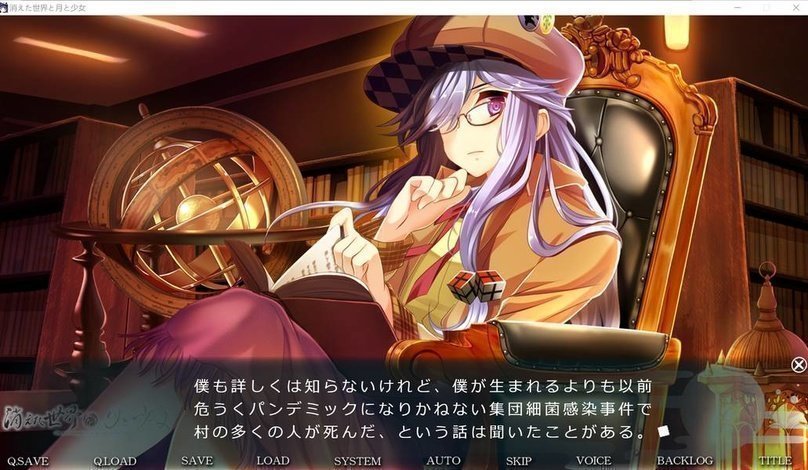
That’s all it takes to light a fire under everyone’s curiosity. The group huddles up…
“Wanna go check out that ritual? See what the hell they’re actually doing.”
So the protagonist and friends sneak up the mountain looking for the little hut where the ritual is supposedly held. Before they even get close, a bunch of weirdos show up and block them…
The protagonist runs, gets home, and realizes one of them is missing…
That person is later found on the mountain, dead, missing an arm…
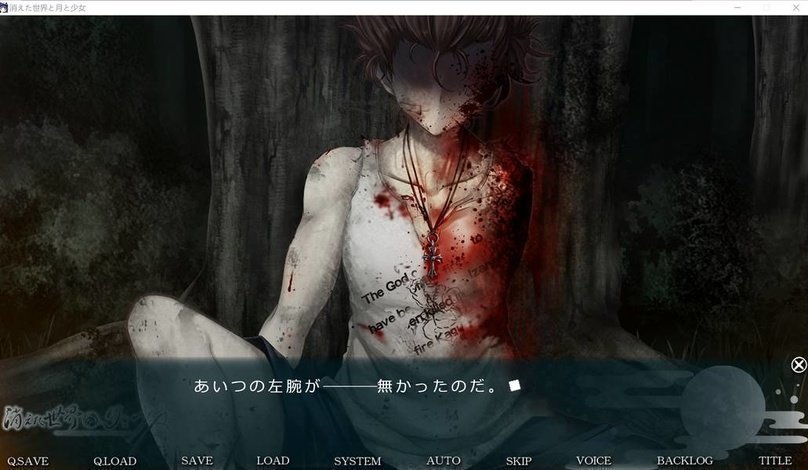
The group panics. Because according to Rui, the village has some kind of “human sacrifice” ritual where they offer up arms and legs from different people, and in the end it can resurrect Kaguya-hime. If you think about it that way, the ritual those people are doing on the mountain is probably a Kaguya-hime resurrection, and there’s already a first victim.
After that the story goes full horror. The protagonist and friends run and hide, but one by one people start acting wrong, then die horribly, each missing an organ…
Miina suddenly says, terrified, that she has to get out of here, then dies. Kyoko seems to know something on the inside, says she refuses to be a sacrifice, then dies anyway. Tsubame the shrine maiden suddenly tries to kill the protagonist, he gets away, then learns she’s dead too. Rui goes missing, and presumably dies.
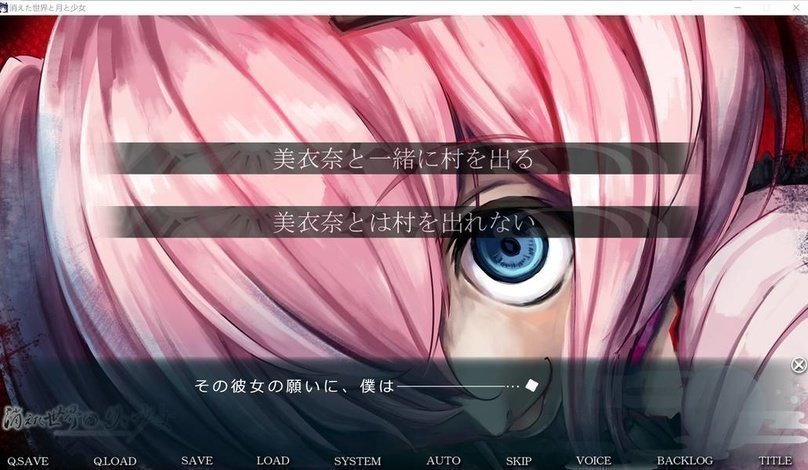
In the end only the protagonist and the loli Kaguya are left. With nowhere to go, they head up the mountain and get surrounded by those weirdos…
The leader of the weirdos is a woman called Rasetsu Ichijo. She claims to lead an organization called “Junihitoe” (Twelve-Layer Robe), says the murders were their work, and that they did it for the good of the village, and the protagonist doesn’t know shit…
Before he can ask more, she beats him half to death…
At the critical moment Kaguya seems to be in danger too. In desperation the protagonist discovers he has a power, uses it, and… he opens his eyes to the day he first arrived in the village.
Translation: the protagonist went back in time. He looped. Back a few days, except — weirdly — he still remembers everything from before the loop.
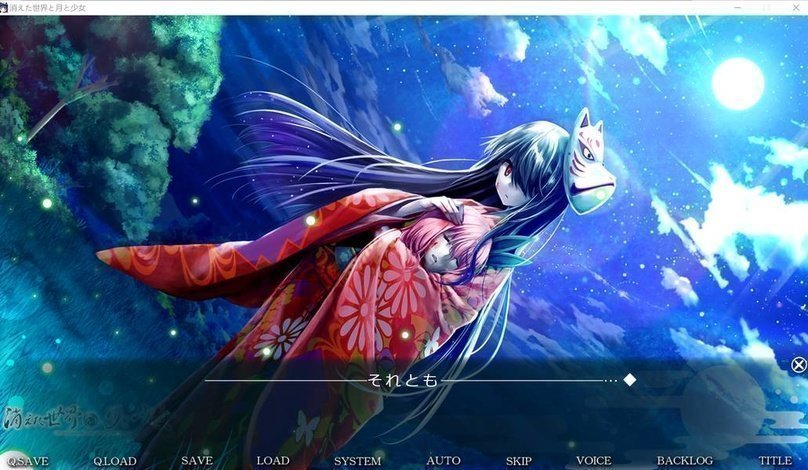
And even weirder, little Kaguya remembers too, but nobody else does…
Anyway, the protagonist decides this time he’s going to get to the bottom of it. He lists a few suspicious points to investigate one by one.
He gives each of them a stupid chuuni-ass name that I’m too embarrassed to repeat. The suspicious points are roughly:
- Why did Miina suddenly say she was leaving, so scared?
- What exactly does Kyoko know on the inside?
- Why did the shrine maiden Tsubame suddenly try to kill the protagonist?
- Rui has studied this village so much — does she know something more?
- Why can the protagonist and Kaguya loop and keep their memories?
Then come the choices. Each suspicious point gets its own route, and only after clearing all of them can you unlock the protagonist and Kaguya’s route.
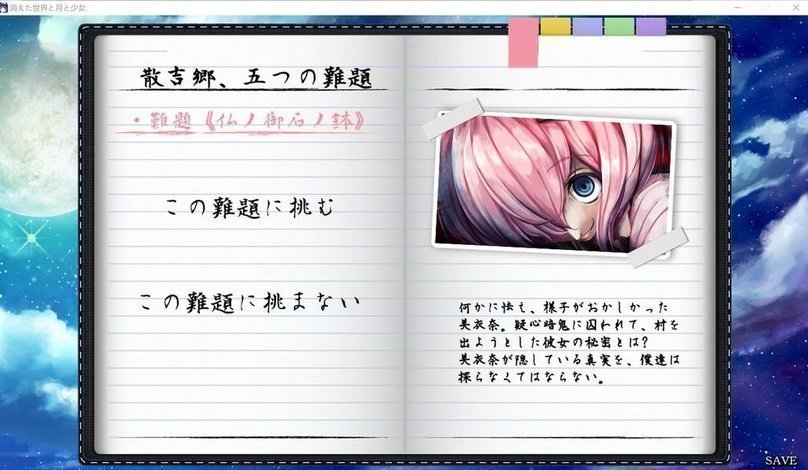
Miina first. Honestly this route is dumb as hell. The protagonist and Miina are childhood friends, he knew her as a kid, they were friends, seems he even saved her emotionally. Then he left the village, and when he came back Miina was all happy about it, and the route lets them fall in love and whatever. Miina wanting to run away was just a normal reaction — she sensed danger and wanted to protect herself…
Damn, I figured there’d be some juicy inside story and it’s just that she was scared and wanted to bail.
Worth mentioning: at the end of Miina’s route, Junihitoe still kills people, the friends still die or get maimed, and it’s the protagonist and little Kaguya left in despair, looping again.
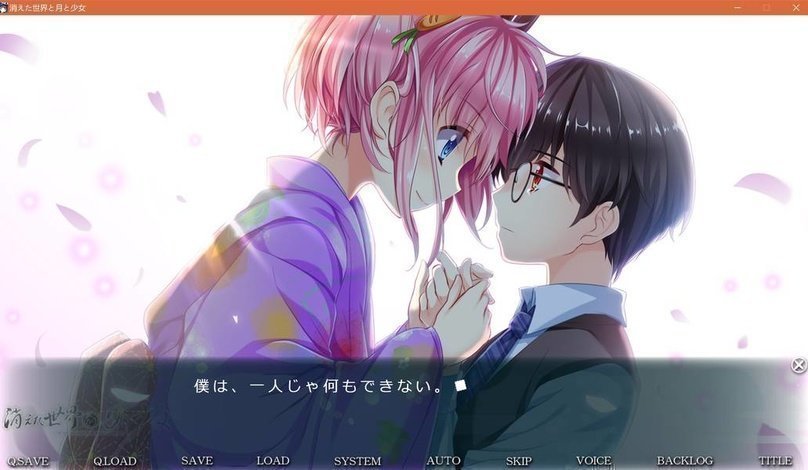
After the second loop comes the next route: what does Kyoko know?
This time the investigation reveals Kyoko actually knows someone in Junihitoe — her older brother is one of its members.
Kyoko says Junihitoe isn’t the bad guys. They’re a good group quietly working for the village.
The protagonist says, alright, let’s go join them then? So they find Rasetsu Ichijo of Junihitoe, say they’ve always admired the organization and want in, and Rasetsu says, “Fine. Try an internship first.”
So the protagonist and heroine tag along with these people running around the village, and see that Junihitoe really isn’t the bad guys — they’re always doing good deeds for the villagers, they’re just very secretive about it.
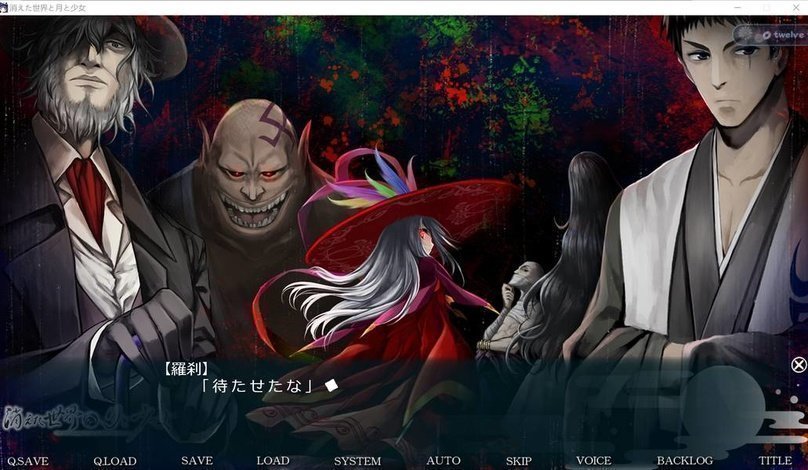
Just as the two start to relax, Rasetsu suddenly calls an emergency meeting: “Something’s coming. If we don’t prepare, everyone’s finished.” She says they’ll have to activate a certain plan, the only option left.
What’s the plan? Kill people, do the sacrifice, resurrect Kaguya-hime.
Rasetsu orders the protagonist and Kyoko to kill their own friends, saying it’s for the good of the village. The protagonist refuses, so Rasetsu does it herself, and when she’s done cutting them down she comes for the protagonist too…
Turns out Rasetsu only let the protagonist intern so he wouldn’t run off; in the end the ritual still needs him dead.
Cornered again, the protagonist holds the dying Kaguya and loops.
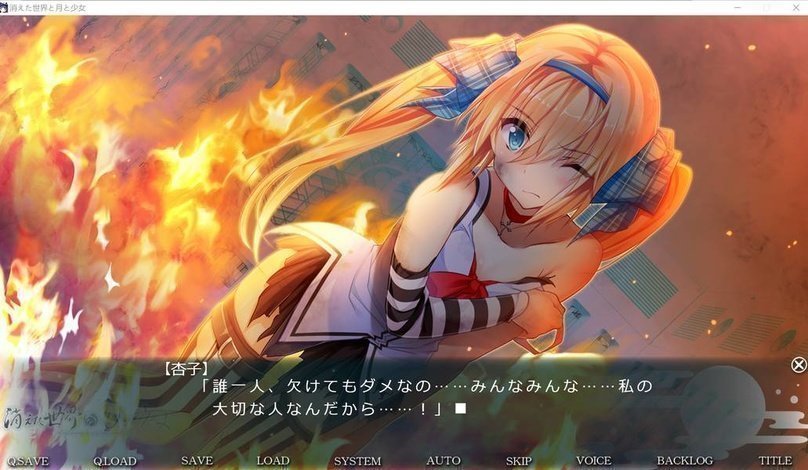
Next loop, the protagonist decides to investigate why the shrine maiden tried to kill him.
The investigation reveals the shrine maiden seems to have a split personality. The normal one is gentle, but the one who tried to kill him is vicious.
After a lot of back and forth the truth comes out: the shrine maiden who tried to kill him isn’t the usual one. The killer is a clone…
Okay then… a clone. She says she was cloned for some reason and hates the protagonist and friends…
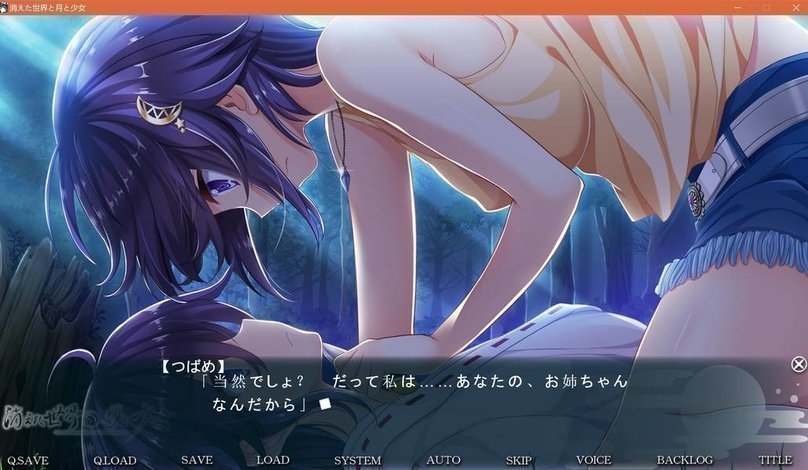
Naturally figuring that out changes nothing. Rasetsu comes killing again, the protagonist grabs Kaguya and yells “Hannya-haramita!” — no, activates his power — and loops again.
Next loop is about learning the shut-in Rui. Rui isn’t actually from this village; she came from outside. She heard the village has all sorts of mysterious rumors and an elixir of immortality, so she came to investigate.
The protagonist asks how the investigation’s going. She says she’s made some progress but not much, though she shares a fair bit with him.
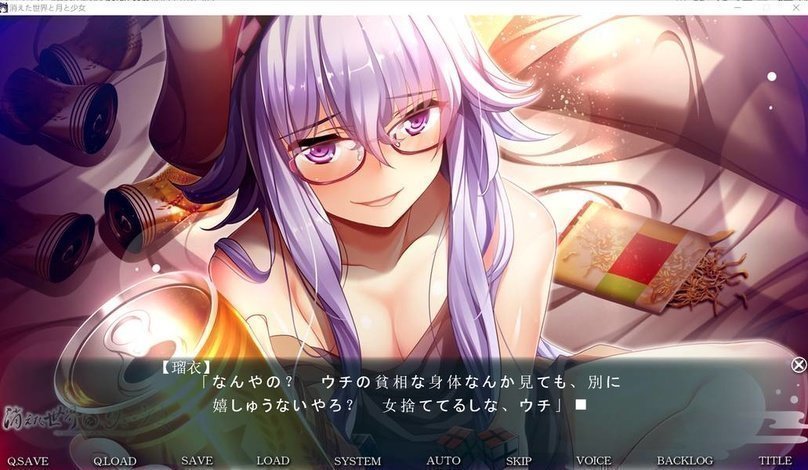
Rui says the villagers more or less all have some kind of superpower. (The game mentions this, but barely, and I’d almost forgotten the setting existed.) Rui theorizes the powers come from alien bacteria parasitizing human bodies. A lot of people had bad reactions and died during the parasitization, and the survivors were the fit ones — which lines up with the village’s history of “plagues that killed many people.”
Rui also says the key to the village should be Kaguya-hime. Ancient legend says a Kaguya-hime once saved the village from the plague and led the people to prosperity, but in the end she disappeared — maybe died — so the village’s ritual is probably meant to resurrect her.
Finally Rui says the village’s Kaguya-hime can provide the elixir of immortality, and that’s what she’s after.
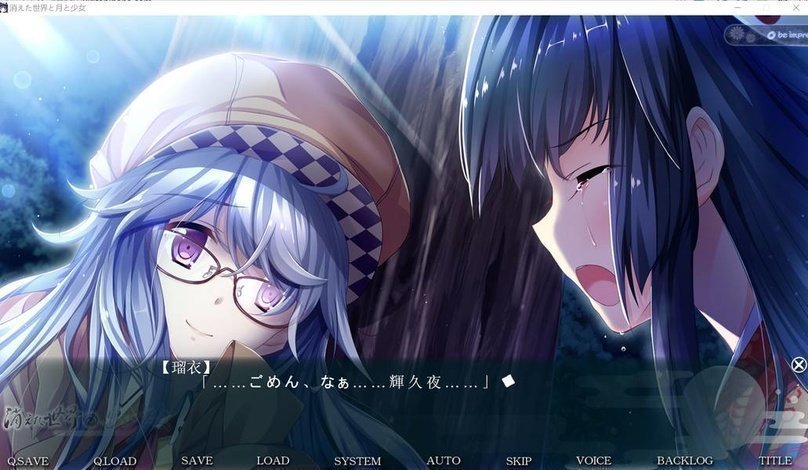
Why does Rui want it? Because Rui has a dear friend with a terminal illness, and Rui came to this village for her, seeking the elixir…
At the end of the story Rui somehow gets the medicine, then Rasetsu shows up and goes on a rampage, and the protagonist calmly hits “Hannya-haramita!” again…
He loops again, goddammit.
The last loop is strange, though. Every time the protagonist loops he has a conversation with a masked woman, and she comments on the content of each loop…
The first is “the tragic love story of reuniting with a childhood friend,” the second “the story between a little sister and her brother,” then “the story between twin clone sisters,” “the story of seeking an elixir to save a friend…”
But before the last loop, this woman instead tells the protagonist that the truth awaits, and she hopes he’ll think it over before starting…
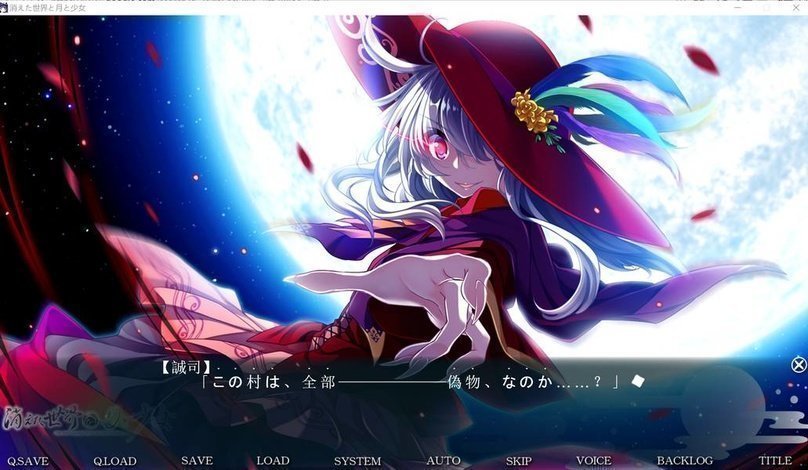
The last loop, the protagonist decides to organize what he’s learned. He gathers all his friends and lays out everything he knows. Everyone finds it unbelievable but believes him anyway… They decide this loop they have to find a way to avoid being silenced by Junihitoe, and figure out what the hell the “ritual” actually is…
In the end the protagonist finally realizes Junihitoe is a supernatural organization that seems to control everything in the village, guiding it in the direction they want…
The protagonist also discovers the village has not just Junihitoe but another organization calling itself “Tsuki no Kamen” (Moon Mask), which seems to be working against Junihitoe.
Anyway it’s a whole lot of talking. Junihitoe is caught off guard but still can’t be beaten, and the protagonist faces Rasetsu one last time and says, “Kill me. Kill me and I’ll loop again and finish you off.”
Rasetsu cracks up. “There’s no such thing as going back in time in this world.”
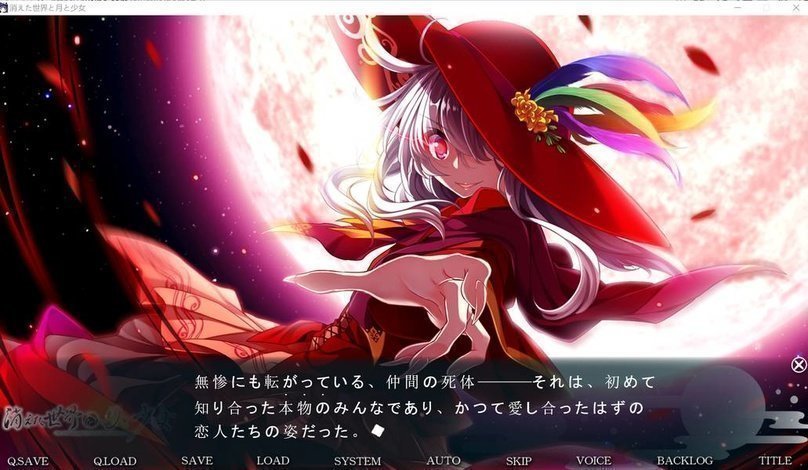
The protagonist laughs just as hard: “No such thing? I’ve looped like five times!”
“Then go back in time again. Let me see it.”
The protagonist activates his power, but no matter what, he can’t pull off the loop like before.
The protagonist panics, and Rasetsu lays out the truth…
“You really think… every time we dragged you back to the same spot, cloned your dead friends, implanted their old memories, and made you believe you were in a time loop — you think all that work was fake?”
The protagonist is stunned. He never looped at all. Every time they carried him back, cloned the dead friends, reset their memories, and gave him the illusion of a loop.
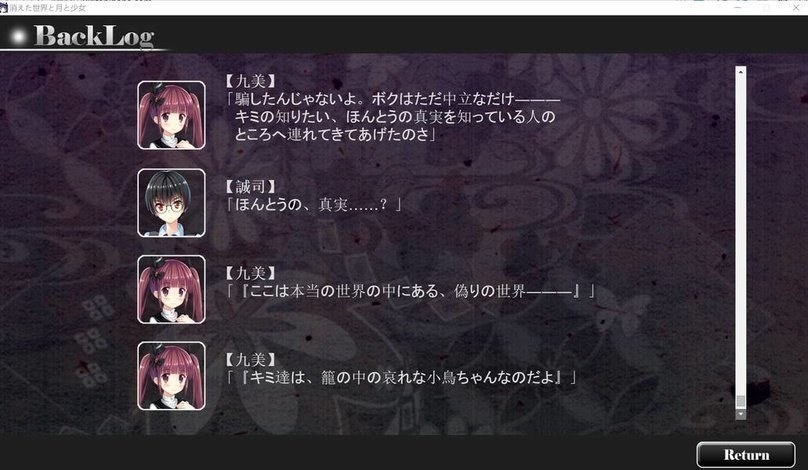
Which is why the protagonist and Kaguya always keep their memories after a “loop” — they’re the only two who don’t die. Everyone else gets swapped for a fresh batch of clones.
The game actually planted hints about this earlier: the shrine maiden’s clone body, Miina finding a number written on her palm at the start, and the friends discovering a mountain of corpses somewhere during their exploring…
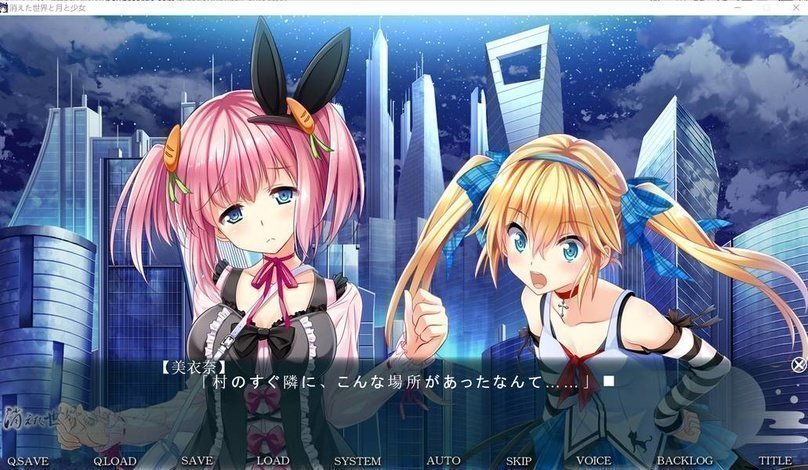
Every time the protagonist hits a dead end, he gets knocked out, put back in the same place, and it starts over. Anyone dead gets replaced with a new clone, implanted with memories, and those few days play out again like nothing happened. The dead get dumped somewhere and pile up into a mountain.
So it was never a loop at all. It was a bunch of people putting on a play for the protagonist and Kaguya.
And the director is Junihitoe, the ones keeping this story repeating forever.
“So, how’d you like the grand time-loop adventure I prepared for you?” Rasetsu says, mocking him.
You think that’s the end of the setting? Nope!
Remember Rui’s “alien bacteria theory”? The village’s power users are infected by bacteria brought by aliens.
The protagonist realizes the town’s weather never changes. Even at night, the moon is always full. If there’s no loop, how do you explain the weather?
He also realizes he can’t leave the town. Walk to the edge and you end up back inside. And once, at the edge, he saw outside — skyscrapers and buildings that made no scientific sense.
Finally the protagonist says… “This isn’t Earth, is it…”
Rasetsu says, “Correct! This is the moon! This little town is something we moon people built to imitate Earth!”
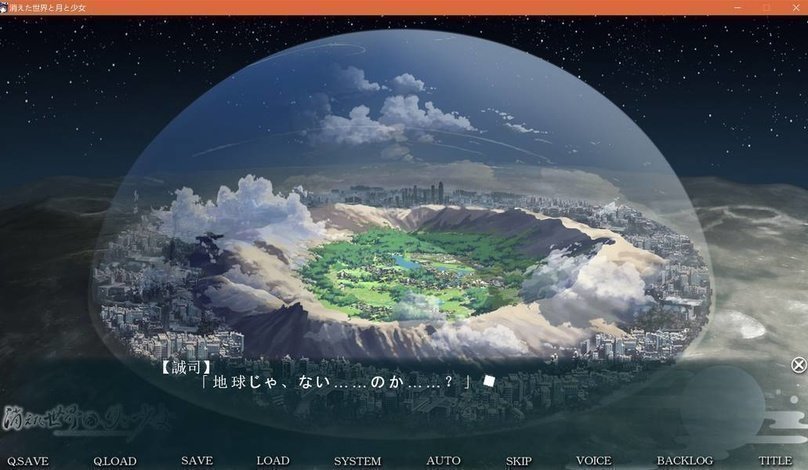
At this point my face was about to turn into a bamboo shoot… but the game keeps going.
Rasetsu explains: the moon people were once incredibly powerful, everyone had superpowers, they had their own nation. Long ago a girl was born on the moon with extraordinary power, named Kaguya-hime. She had immense strength, had even been to Earth, loved Earth’s environment and its peaceful, loving atmosphere. She wanted the moon people to be as happy as the people she met on Earth — no quarrels, no war, eternal peace. But that was impossible.
Just like the plot of Puella Magi Madoka Magica: the greater the hope, the greater the despair. Kaguya-hime brought happiness to the moon, and also misfortune. Every so often a shockwave called Selene comes to the moon, and only Kaguya-hime can hold it back. And worse luck still: one day, Kaguya-hime was killed…
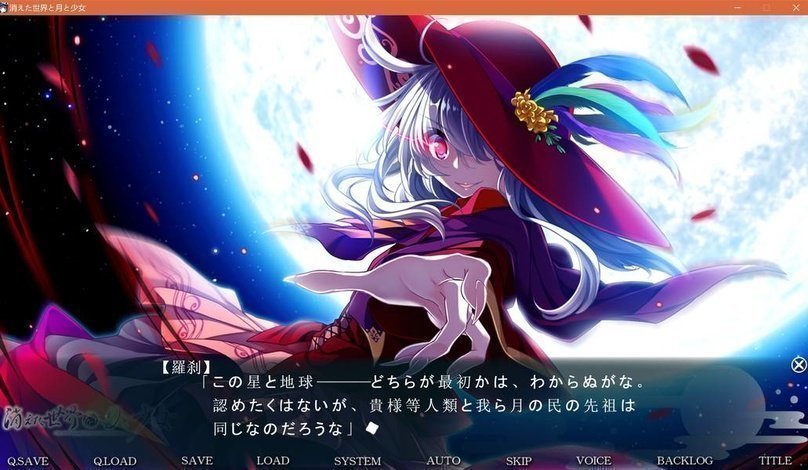
With no Kaguya-hime to hold back the shockwaves, the moon was doomed. What to do? They figured, why not build an artificial Kaguya-hime…
The artificial one came out with insufficient power, nothing like the original, so someone proposed: why not recreate Earth Village based on Kaguya-hime’s experiences on Earth? Let Kaguya-hime grow and repeat experiments in that village, raise her power, get her closer to the real one — maybe then she could hold back the shockwave?
So the moon people built a fake Earth village, grabbed some Earth people, and ran fake looping lives up there endlessly. The supporting cast could all be cloned; die and a new one gets swapped in. All to hope Kaguya-hime would raise her power.
But in the end the protagonist saw through it. Rasetsu says time’s short, the next shockwave is coming, just kill the protagonist’s group, who cares, they can clone another batch, and keep Kaguya to hold the line fast.
The protagonist still won’t give in. Talking plus cheats, he seems to actually pull off a time rewind, and the game asks: “Accept reality. Forge the future,” or “Start over. Change history.”
Personally I figure the true ending is “Start over.”
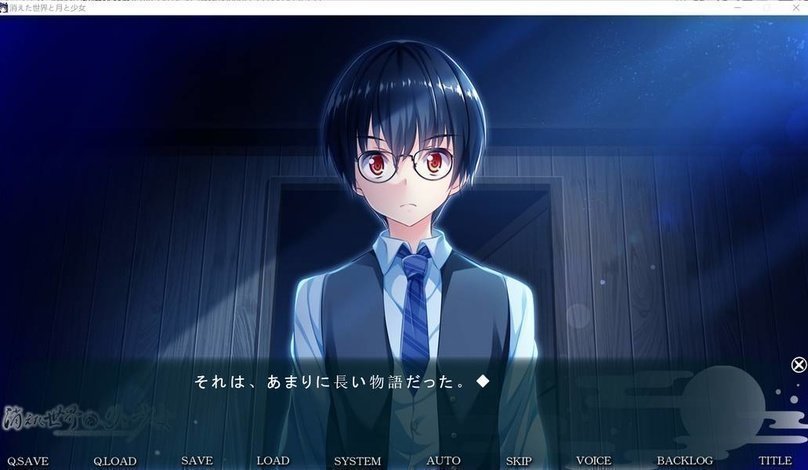
After the inexplicable loop, the protagonist is back in the village. This time he says nothing to anyone, goes straight to the little hut in the mountains, and meets the masked woman who kept talking to him.
The woman asks, “How was the story of the moon girl?”
The protagonist says, “Pretty miserable.”
The woman says, “Yes. But that’s a story from another world, the story of a world that disappeared. In this world, no such thing exists.”
So you catch it? All that looping, being raised on the moon, Kaguya-hime — it was all a story this woman was telling him. The game’s very first scene is the protagonist going to meet this woman, so the whole big chunk was the story he was listening to.
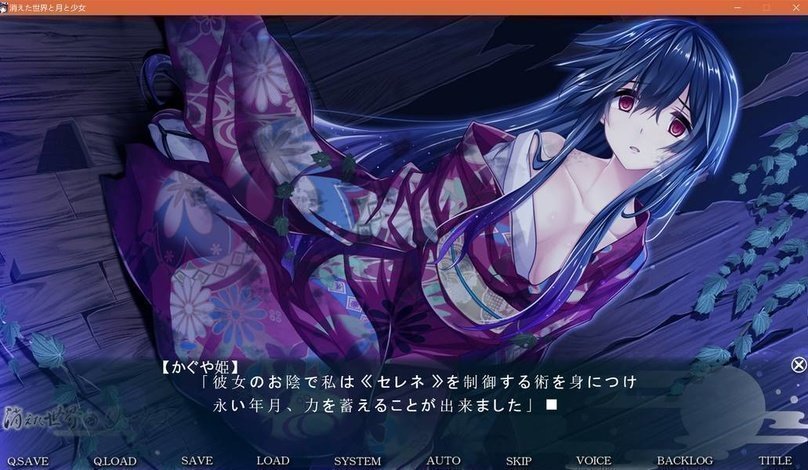
The woman says her true identity is Kaguya-hime. Kaguya-hime didn’t die. This world’s Kaguya-hime merely caused disaster on the moon and was driven out by the moon people, came to Earth, and bears alone the pain of hope and despair clashing inside her, punished here forever.
So that whole moon story was just this woman’s storytelling session. Maybe it really happened, just not in this world line — which is also what the “disappeared world” (消えた世界) in the title means. It happened in a vanished world that doesn’t exist.
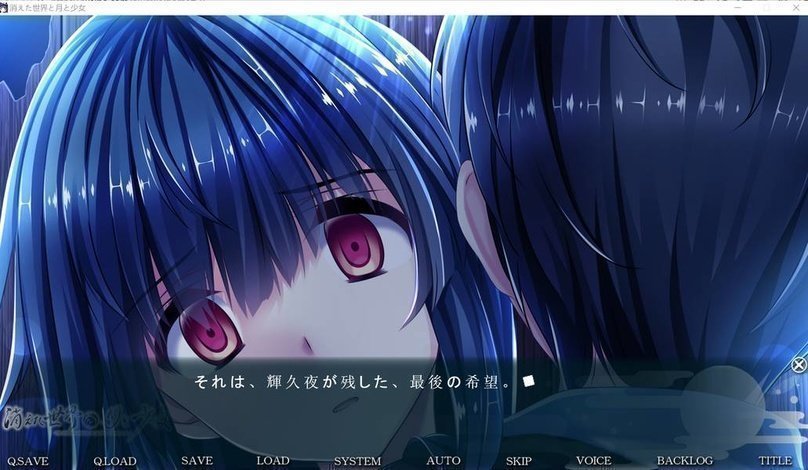
The game’s final ending has the protagonist grant Kaguya-hime release, and all the friends start living happily. But this ending feels gross. I don’t know if it’s from some other world line. In the moon village world the protagonist couldn’t save himself, and in the world line where Kaguya-hime tells him the story she can’t save herself either. The final ending is more like an illusion, telling you the protagonist might have a world line where he gets the happiness he wanted.
Kieta Sekai to Tsuki to Shoujo clearly wants to give players a “holy shit” moment, but personally it feels more like “holy shit, I ate a pound of it.”
Ate a pound of what? Shit.
The game lies to you from the start, making you think this is just a horror game where some girl sacrifices herself for the village. You can tell from the subtitle too: The World was prayed by the girl living a thousand years, or whatever. Then the setting gets more and more fantastical, aliens and clones show up, and then a bunch of sci-fi-ish settings that just don’t fit the game at all.
Until the very end, when it tells you the whole village is on the moon, not Earth…
I deflated like a balloon and totally lost the will to keep reading.
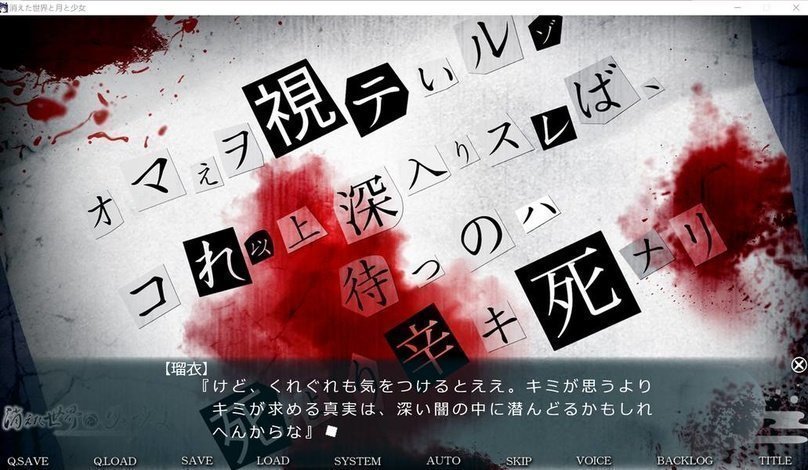
Because the setting is so stupid. The loop at the start just feels like mystery-box posturing, and the “clone” reset method is incredibly forced. To make you feel “all the heroines are romanceable,” it shoehorns cringe-inducing romance into every loop, and most of the romance is dirt cheap, like a hookup…
The backstory description is pathetically thin. From start to finish even when the truth is revealed there isn’t much suspense — the protagonist just runs around and around the same trivial bullshit, putting me to sleep.
At my usual pace I should’ve finished this in under a week, but it was so boring that every time I opened it I wanted to sleep, and it dragged out three weeks. Unbelievable…
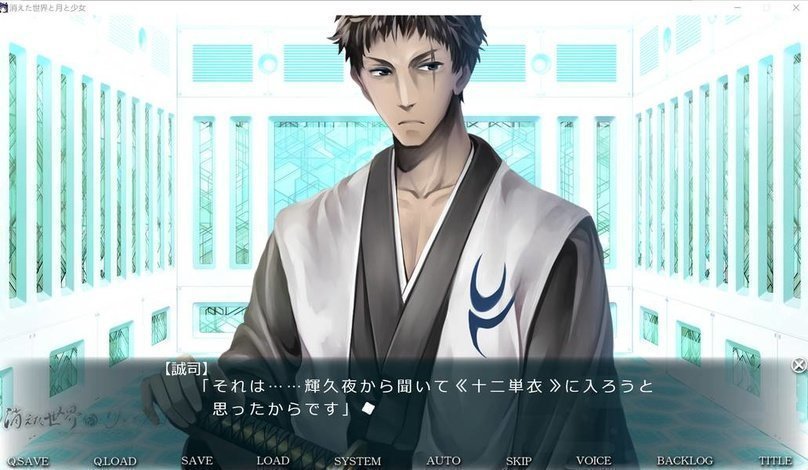
The game’s only bombshell is the final twist, in two waves. First the protagonist’s father decrypts the truth of the mother’s death — which is fake, a smokescreen, but it still rambles on forever anyway. Then right after, the protagonist’s IQ suddenly comes online and he says his village isn’t Earth, and again it rambles for ages, and besides wanting to complain the setting is stupid I’ve got nothing to say.
Overall the game isn’t that bad, it’s just the setting… it’s really hard to accept. In the promo everyone came for “rural ghost story”-level content, and in the end you tell me it’s Star Wars… I don’t think players who like ghost stories will accept this setting, and I don’t think sci-fi pedants will accept the low-rent “Walking with Science” at the start. Even regular visual novel players who just want cute girls will be scared off by the dismemberment CGs, and even the ones left who want pure romance will be put off by the hookup-like romance scenes.
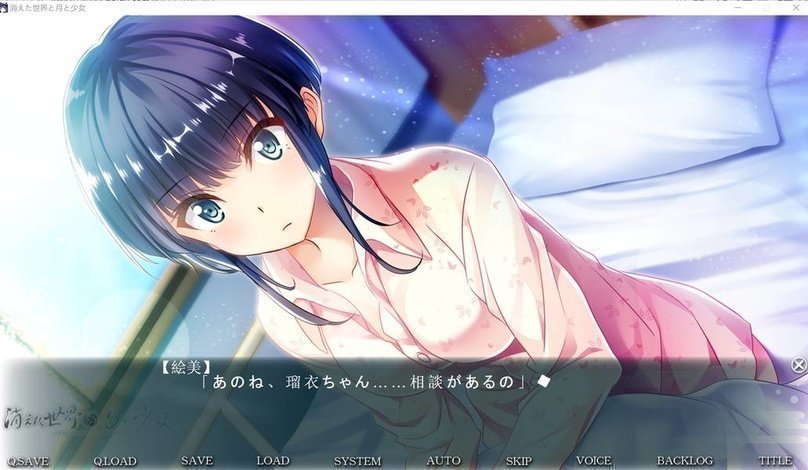
So what’s left of this game? Honestly I don’t know. It looks like a jack of all trades, a bit of everything, master of nothing. The game has multiple OPs but none of them leave an impression, and the voice acting is weak. The best VA is the villain Rasetsu Ichijo, but the official site lists 藤咲ウサ, while the game uses her new alias “Mikoshiba XX” — doesn’t that leak her alias anyway?
The game’s performance is pretty rough too — freezing up for no reason is basically routine. And the cloud save feature they hyped up so much at launch is completely useless, because it always tells you the cloud version is older than the one on your drive. No idea where the saves even go. Bob said maybe Google Drive, but I looked and there were no new files. Maybe this company is so hardcore they run their own storage server?
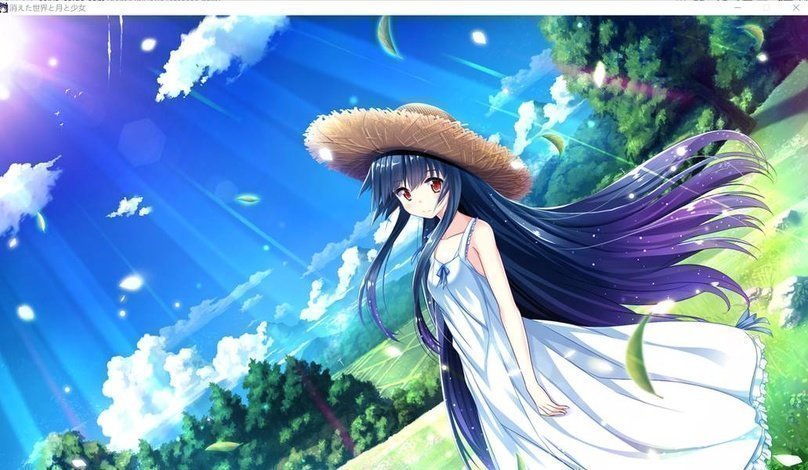
Sometimes this game is actually pretty funny to think about. The last stretch of every loop is basically identical, and it always reminds me of that Stephen Chow bit where he yells “Prajna Paramita!” If you look at it another way — if they’d gone full comedy, filled the boring daily life with jokes, and then hit you with one serious sci-fi mindfuck at the end — it might have been weirdly great.
Last thing, a quick plug: to separate it from my original personal account, I made new Twitter and Weibo accounts dedicated to shitposting about eroge and posting screenshots. Mostly me talking to myself. Follow if that’s your thing.
Twitter: https://twitter.com/Sumomogal
Weibo: https://weibo.com/fubukihoshino
Both accounts have the same content, follow whichever you prefer.
Comments are hosted on the Chinese main site. This mirror is read-only.