Yakusoku no Natsu, Mahoroba no Yume (約束の夏、まほろばの夢) Review
Stupid Espers, a Bored-Out Miko
Must’ve been almost two years ago now — there was this game called Hatsukoi Sankai Me. It had that annoying Sendai auntie in it, but the story was actually pretty interesting. And when it came out the marketing was basically nonexistent, yet the quality was already above par for a 2018 visual novel. This is why we keep saying the industry is doomed: everything coming out this year is just too dumb.
So the studio behind Hatsukoi Sankai Me, Windmill — colloquially “Fuusha-sha” — grandly announced a new title this year with a name that sounds like they were happy to burn money on it: Yakusoku no Natsu, Mahoroba no Yume.
Literally that’s “Summer of Promise, Dream of Illusion.” Though mahoroba isn’t quite just “illusion” — it leans more toward “utopia” or “paradise.”
The game wasn’t even out and Windmill started promoting it, at least half a year of preheating. Then I saw how they were promoting it and I fucking spat out my drink.
They chose to promote this game by releasing the scenario text first!
Look, as an eroge company, wouldn’t you want your marketing to push sales as hard as possible? Who buys eroge the most? Isn’t it the “hardcore wealthy otaku” who scream “my wife” at everything on the internet, retweet every lewd image, and shout “I want to draw bishoujo” in their spare time? The irony is that the people who nitpick the scenario every day (like me) often aren’t the ones willing to drop money on tokuten, and sometimes they even turn into 割り厨.
In short: the people who actually buy a lot of eroge don’t care about story at all. As long as the girls look good and the plot doesn’t have them gang-raped into meat toilets, sales won’t be low. What good is a good story? It doesn’t sell. Look at Sakura no Uta — praised to the heavens, and it still didn’t top the sales charts that year.
Who was number one? Yuzusoft (lol).
So if I were Windmill, for this new title I’d just keep dropping CG after CG, mostly lewd ones, the lewder the better. That’s how you build attention and sales, dammit.
Of course, this seems to be the mainstream way to promote a visual novel these days. The industry really hasn’t changed one bit.
Anyway, the promotion flopped — so how’s the game itself?
I didn’t even touch Story mode, went straight to the main game, played for a week, forced my way through, and came away with mixed feelings.
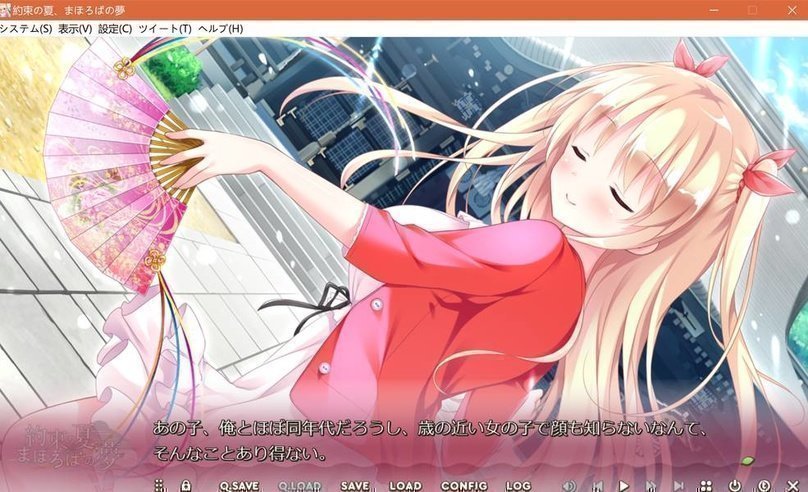
First off, the game opens with the protagonist wandering to the village shrine at the start of summer break, where he sees a blonde girl dancing in rapture. He learns her name is Jingū Rinka, and the crucial detail: this Jingū Rinka can be affected by the protagonist’s “superpower.”
Yes, this stupid game still has a “superpower setting.” The protagonist is one of the few esper kids in the village; a few other kids have powers too, each different. The protagonist’s power is “emotion control,” a pink-haired girl named Himari can “see whether someone is lying,” and his closer childhood friend Nagisa has “telepathic phone” (she can talk straight into your head).
Honestly this esper setup is pretty dumb, dumber than the stuff I wrote before.
Then there’s another rule: “espers can only use their powers on other espers.” So the protagonist’s emotion control only works on those few people. But he accidentally discovers his power works on the dancing girl at the shrine — meaning she’s an esper too?
He asks the shrine dancer Jingū Rinka what she’s doing in this village.
“Oh, I’m here sightseeing.”
She adds she’s not from the village; she saw it introduced on TV and felt she had to come, that something was waiting for her here, so she came. Sightseeing.
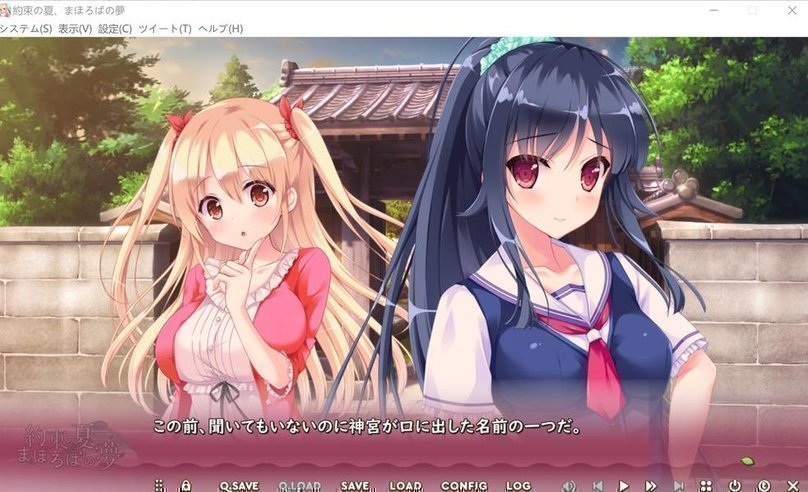
The protagonist and his friends start puzzling it out: this village has espers, but only him and his circle. How does an outsider have a power too? And she just happened to come here “sightseeing” — fate?
Soon enough it turns out to be dumb: Jingū Rinka actually lived in this village as a kid.
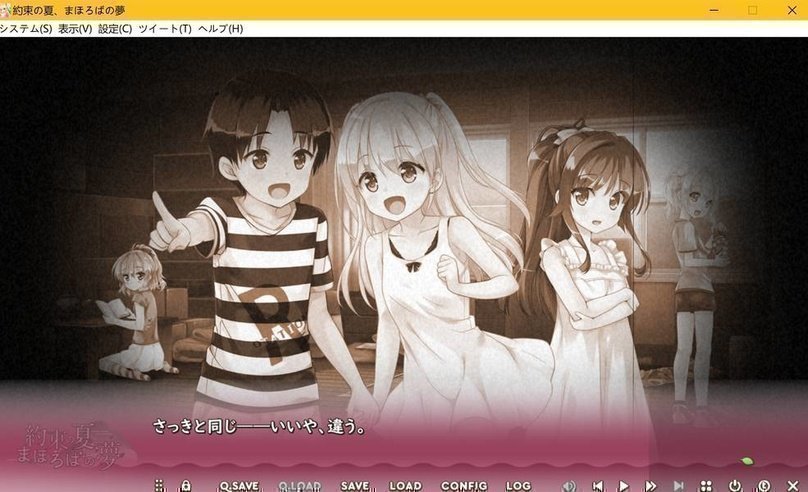
The group finds a “secret base” in the mountains, and inside is a time capsule they buried as kids — including a love letter the protagonist wrote (to Jingū Rinka). Yet none of them remember any of it.
Then Rinka remembers her power: “making others forget.” The reason everyone forgot their childhood is her ability.
She also reminds the group to check their birthdays — all the espers share the same birthday (took them long enough). So maybe by some coincidence these few became the village’s only espers, each with a different power.
Finally Rinka’s sightseeing trip is ending. At her friends’ urging she decides to stay and attend school here…
So what has the game told us so far: this village has a few kids born on the same day, each with a power that only works among them and does nothing to others. One of them (the heroine) grew up here, moved away, and years later came back and reunited with them, deciding to stay in her hometown…
That’s it…
But is the game over? Of course not~
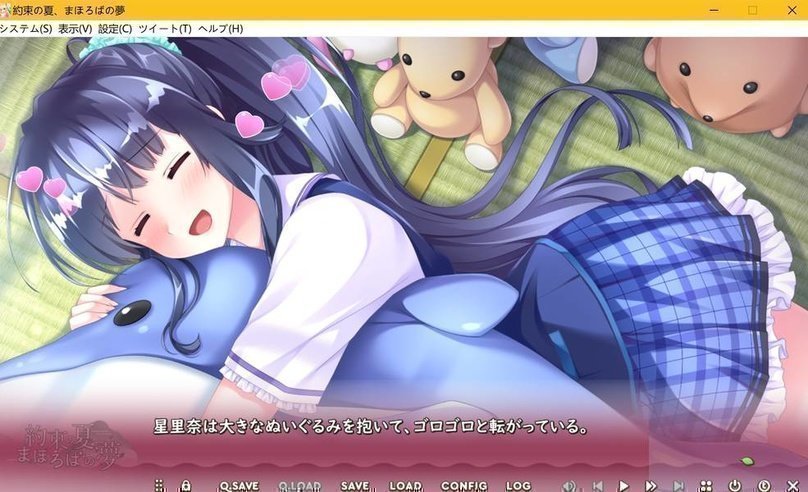
Then the game begins its long long long long long long long long long long long long long long long long long long long long long long long long long long long long long long long long long long long long long long long long long long long long long long long long long long long long long long long long long long long long long long long long long long long long long long long long long long long long long long long long long long long long long long long long long long long long long long long long long long long long long long…slice-of-life section.
Okay, the SoL section isn’t actually that long — it just felt long because it was so boring. The game has exactly one choice: pick who you care about early on and you’ll route into her. Of course there’s a designated main heroine, Jingū Rinka. In the time capsule the group dug up is the protagonist’s love letter to her, saying he’ll marry her in so many years…
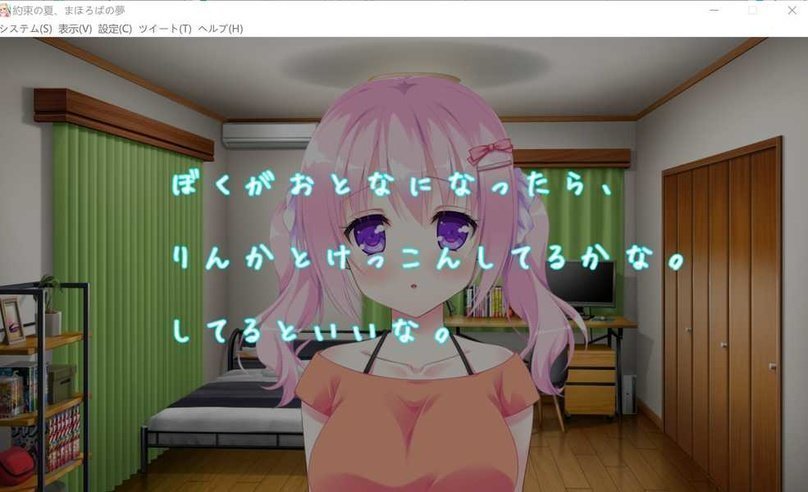
Naturally the romance starts from that letter, and the Yakusoku no Natsu, Mahoroba no Yume route is the standard confession → sex → sex → sex → sex… nothing to write home about.
But wait… the game can’t end like this, because some main plot points are still unexplained.
Why do these kids born on the same day in a mountain village have powers?
Why do the powers only work among these kids?
Why did everyone forget their childhood?
Why does Jingū Rinka always want to dance when she reaches that shrine?
A few of these are already answered: Rinka’s power is making people forget, and when she left the village as a kid she used it to erase everyone’s memories. The village also says the shrine has divine power. There’s a smaller bit of foreshadowing too: the first time the protagonist sees Rinka dancing at the shrine, he glimpses in the corner a phantom of a miko who looks just like Rinka, and it vanishes quickly.
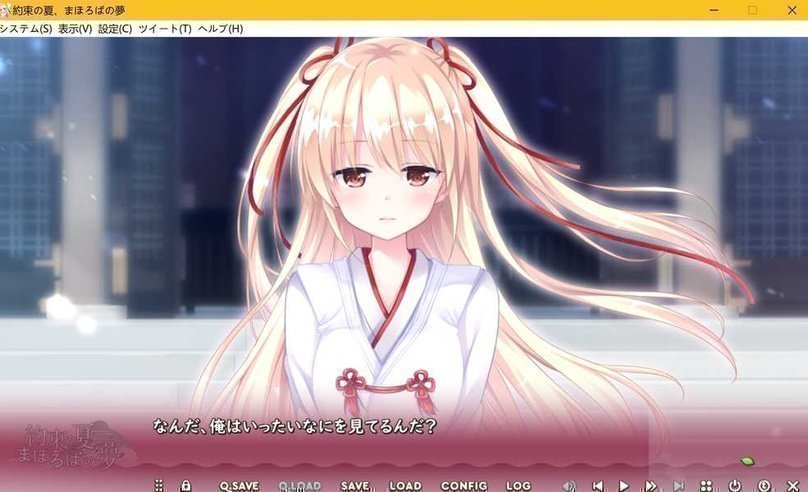
So the root of the problem is finding that “phantom miko.”
Soon enough, when the plot can’t stall any longer, the stupid miko pops out on her own.
The miko says she’s the local land god of this village, reincarnated here for many years, and this shrine was built for her. Having received offerings for so long and always stuck in the shrine, she felt incredibly lonely. So in one reincarnation she got a whim and split her soul into several pieces, reincarnating them separately to see if it’d be more fun.
So you guessed it: the kids born on the same day are reincarnations of the miko’s soul fragments, each with one power, while the original miko had all of them.
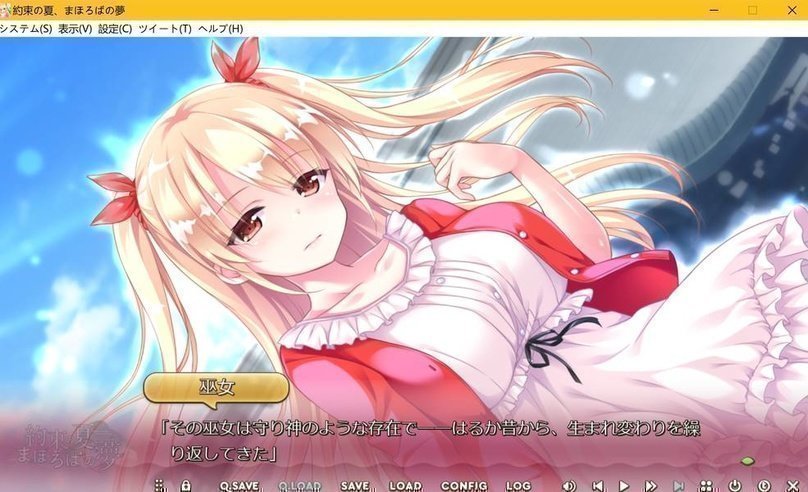
Jingū Rinka is the reincarnation of the miko’s main body, which is why she looks like her.
Finally the miko says she’s had enough fun and wants to reclaim her soul fragments. The price: the group loses their powers, the miko possesses Rinka, and when she reclaims them everyone loses their memories of knowing each other.
Amnesia again. The protagonist isn’t happy, so he starts speechifying about how amazing and important his power is (bullshit, it only works on a few people), and most of all that he doesn’t want to forget his bonds with his friends (aww, so moving). The miko says fine, if you don’t want to, we’ll do it next life.
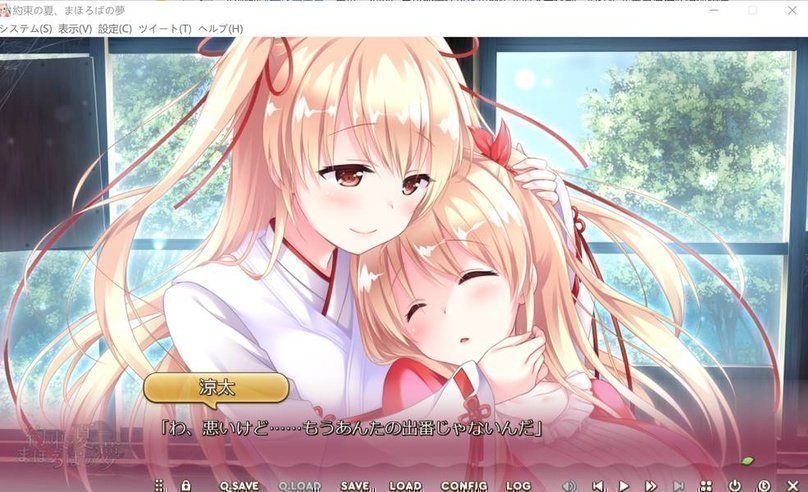
The miko fucks off, and the protagonist ends up with his Rinka.
The end…
For a heavily promoted game, Yakusoku no Natsu, Mahoroba no Yume completely fails to live up to the billing. The overall experience is about two Kiniro Loveriches worse than Hatsukoi Sankai Me. I’ll be honest though: the music, art style, UI, and OP are all “good.” The one weak point? You can probably guess — the scenario, and it’s the kind of weak point that drags everything else down.
It’s not a landmine exactly, it’s just that the premise is so stupid. Stupid to what degree? Stupid enough that I genuinely think Takebo wrote this.
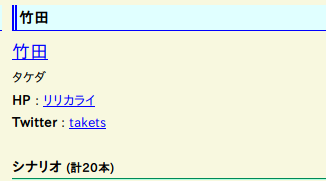
The whole game has no compelling story: a shrine goddess gets bored of reincarnating, so she splits herself and reincarnates to see if it’s fun, and the protagonist and his friends are born. That’s it.
In short, it’s a game a bored miko plays. Maybe it should’ve been titled Stupid Espers, a Bored-Out Miko.
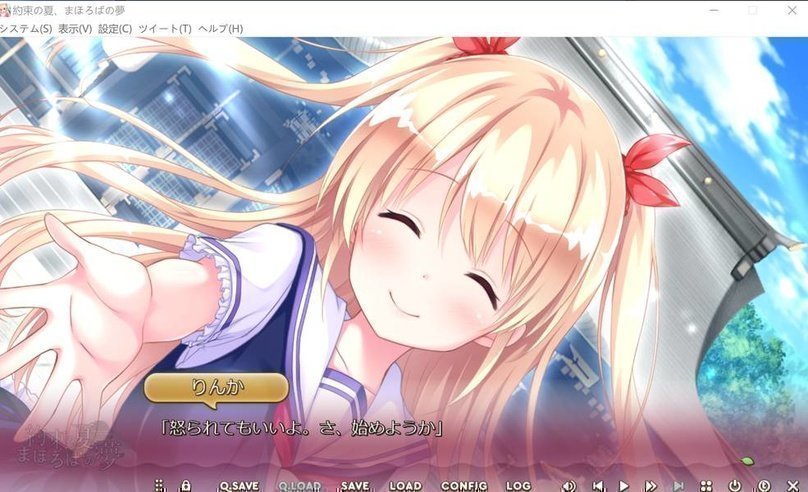
And all those esper settings are meaningless to the plot — the powers only work among the kids, they’re used stupidly, the protagonists never solve anything with them or put them to use, and they don’t look cool at all. Maybe middle-schoolers would accept such a dumb setup, but this is an 18+ game. By 18 in Japan you’re at least in high school. Writing this moronically is practically anti-intellectual.
Maybe you can’t understand why I’m so down on this game’s scenario. All I can say is the biggest problem is the SoL section — the long long long long long long long long long long long long long long long long long long long long long long long long long long long long long long long long long long long long long long long long long long long long long long long long long long long long long long long long long long long long long long long long long long long long long long long long long long long long long long long long long long long long long long long long long long long long long long long long long long long…slice-of-life section I mentioned.
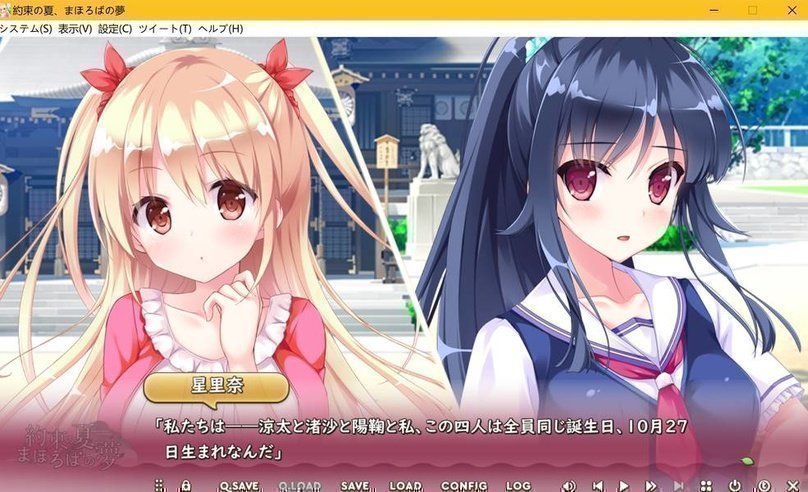
The script loves banter between the characters in the SoL parts, but the banter never made me happy — mostly it made me feel these people are morons. Kind of like those cringe Spring Festival gala crosstalk skits, zero fun, just forcibly tickling you to make you laugh.
The script also gets lost in self-indulgent masturbation — you don’t find it funny at all, but it thinks you will, and keeps muttering to itself, so you just conclude the writer’s a clown.
That “clown” feeling is awfully familiar… I think I saw it long ago in some game, this style is exactly the same…
What was it…
Ah! Right — a game with a miko, with a heroine who nags like flies buzzing in your skull, a game that shits the bed at the end, a long stinking shit of a game where the writer jerks off to his own SoL scenes!
I forgot the full name, but I remember the English abbreviation: SPPL.
And I hear someone on Steam wants to resurrect that stupid game and make a sequel.
Oh my god. Honestly this game is a tiny bit better than SPPL — at least the engine is good and won’t blow up your CPU. And SPPL’s setting is even more boring, plus it shits the bed so you don’t even know what’s supposed to come next; you just have to sit through the moronic SoL and the nagging heroine.
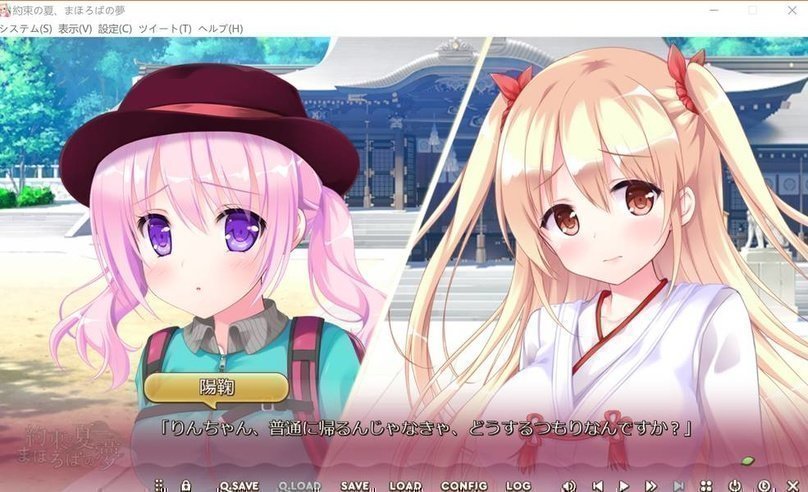
And honestly, I don’t play minori games because of that SPPL — it hurt me too much. From now on, any game with a minori writer involved, I’m avoiding entirely:
“If I ever play another game by those Chuuni-sha people, I’ll eat shit!”
Then I looked at the staff of Yakusoku no Natsu, Mahoroba no Yume… and saw a familiar name…
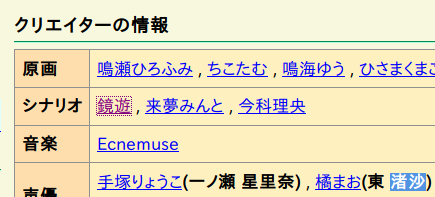
Oh!
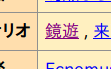
Oh No!
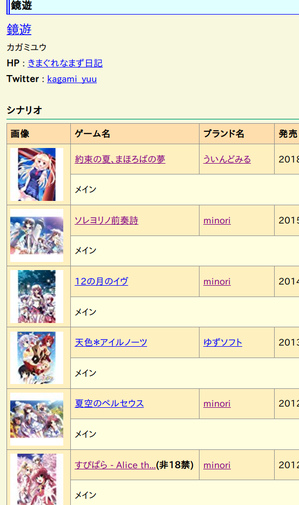
Oh!
So, has anyone here eaten shit before? Which kind of shit goes down easiest?
Comments are hosted on the Chinese main site. This mirror is read-only.