Deep One Review
Fate/Deep One
Whether or not you’re like me and couldn’t care less about the various works under Type Moon’s banner, you have to admit the same thing I do:
The Fate series under Type Moon is the most successful visual novel ever made.
What counts as success? It’s when a product’s fan effect is so strong that all they have to do is keep reheating leftovers to keep raking in money—where even some slapped-together spinoff with no real connection to anything is a cash-printing machine. If that’s not success, I don’t know what is.
From 2004 to 2018, the Fate series has gone through two anime adaptations, a prequel novel adaptation, countless movie adaptations, and all sorts of spinoff games, spinoff manga, spinoff anime, and so on—all the way up to the current mobile game Fate/Grand Order, which still gets hordes of otaku throwing money at it by the fistful. Sure, the Fate brand has now spread into every corner imaginable, but I wonder how many people still remember that the Fate series started as a game—a visual novel, and an 18+ one at that. I know the thing was originally a novel by scenario writer Kinoko Nasu, and it got turned into a visual novel out of necessity to get it to market, but its debut was, in fact, in visual novel form.
A whole world expanded out of a single visual novel, reaching the point it has now—if that’s not massive success, what is?
But like I said earlier: I’m not interested in the Fate series.
Not that I think the Fate series is bad. Judging purely by 2004 standards, the worldbuilding and plot development it pulled off, backed by fairly hype battles and some dark, despair-tinged developments, were already top-tier for a visual novel. Type Moon probably had limited resources back then and couldn’t get voice actors, and the original Fate/Stay Night looks a bit crude—its production values don’t even match Alcot’s Clover Hearts from a year earlier—but its selling point was always the story, and Fate/Stay Night definitely lived up to its kingly status for its era.
But bruh, it’s 2018 now. After the Fate/Stay Night anime blew up, the fanbase online kept growing, and once the Fate/Zero anime aired, the praise for Fate online kept climbing—to a level I honestly can’t wrap my head around.
I haven’t finished the Fate/Stay Night game itself, but I’ve watched the anime and the Fate/Zero series. And I can say with certainty that as time passed and the industry moved forward, the Fate series has lost most of its edge; what’s left is just a few scraps being sold as nostalgia.
Yeah, nostalgia. Porting a 2004 game to every new and old platform, remastering and reselling it over and over without putting out anything new and decent—if that’s not nostalgia, what is it? (I know about Witch on the Holy Night, but it doesn’t carry the Fate name, and it isn’t exactly “new” either.)
And looking back, the themes the Fate series tackled—“what is justice,” “the sense of mission of historical figures,” “magic circuit battles,” “family magic wars”—have mostly been absorbed by other, better works since. Today, when Type Moon can make a killing off a single gacha mobile game, Fate/Grand Order, if you still tell me “Type Moon makes only masterpieces,” I can only laugh bitterly. Even Blizzard went and made a mobile game, so what does that make Type Moon?
I don’t know how many of today’s “Moon People” have actually played the original visual novel version of Fate/Stay Night, or whether they just jumped on the bandwagon out of boredom, for social reasons, or because “all the big shots are playing it and it looks cool.” I also don’t know if they realize there are plenty of games out there that have already surpassed Fate/Stay Night in story and setting. As for whether Type Moon’s new Fate mobile game/spinoff anime adaptations are actually good, all that’s left is the Moon People’s wishful over-interpretation. After all, with a fanbase that big, you can toss them any slop and they’ll jump for joy—they’re not picky eaters at all.
Still, one way or another, Type Moon’s Fate series did influence a lot of people. I mean the original visual novel version. Including a lot of visual novel scenario writers.
Many scenario writers started writing games with settings like “magical family feuds and summoning battles.” Some succeeded, some failed, but all of them faded into the river of history as the years passed.
It’s 2018, and the visual novel market is now ruled by moe-bait. Those stubborn old-timers still playing visual novels only need good-looking characters and sex appeal—they don’t care about story anymore. But there are still some companies trying to create “story-driven” visual novels to prove themselves…
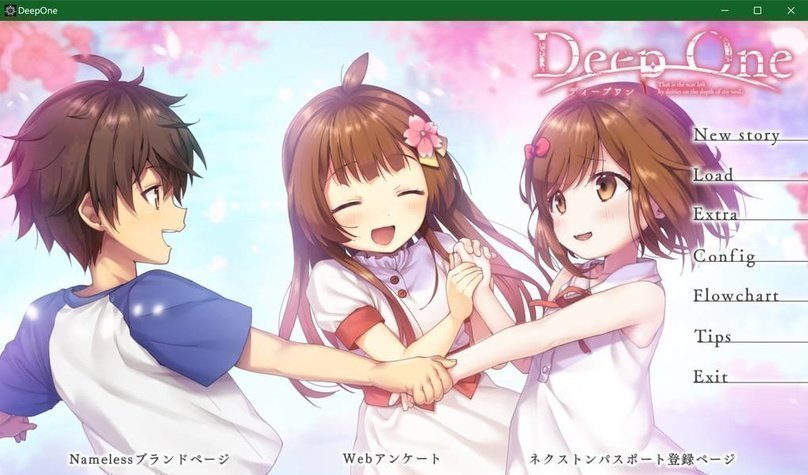
In October, a company called Nameless released a story-driven game called Deep One. From the very first promotional material, it was billed as a “new orthodox battle visual novel.” It even got high praise from Type Moon’s president, Takashi Takeuchi.
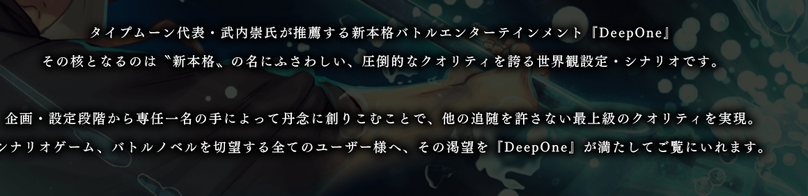
“New orthodox battle visual novel” basically means it’s a “traditional battle AVG” packaged in a new way, with an emphasis on the scenario. Of course, the game is also 18+, and there are HCGs.
The pre-release hype was overwhelming: a demo with explosive direction, a badass opening animation, and a ridiculous dual-DVD disc capacity—all of it made people expect a masterpiece. When it finally came out, I got my hands on this 13 GB visual novel and started playing…
And after playing… well, combined with some comments online, my feelings about this game are complicated. Let me start with the story.
(The game crashed frequently in the mid-to-late sections, so I don’t remember some parts too clearly—I can only go by overall impressions.)
The game starts by introducing the cast from multiple perspectives: the witch Kasumi Yuki graduating from a magic academy in London and returning to Japan, and the protagonist Naoya Saino living an ordinary school life in a rural Japanese village with his twin sister Kokona Saino.
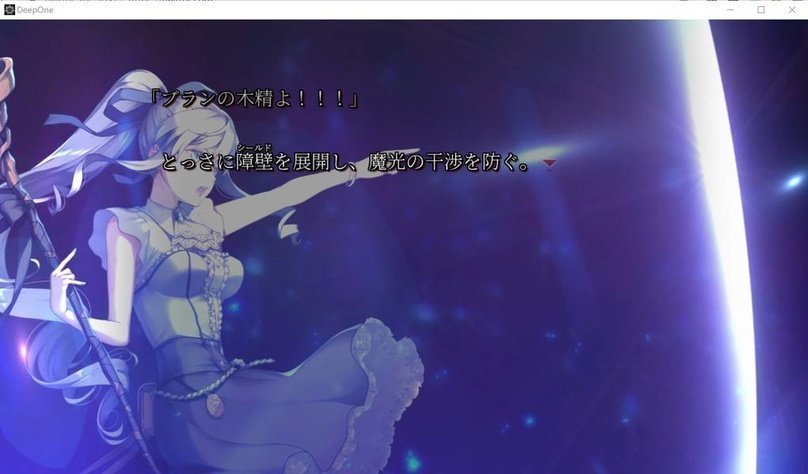
But starting from chapter three, the game lays out a contradiction.
The protagonist and his sister are twins, but he doesn’t have many memories of their parents, and Kokona doesn’t remember much either.
All he remembers is that when they were very small, he and his sister were victims of some kind of V1 mutant. It seems both of them were attacked by a V1 mutant (think zombie), his sister was badly injured, and he often dreams about it—his sister covered in blood, reaching out to her but unable to protect her. Their parents’ deaths might also be connected to that attack.
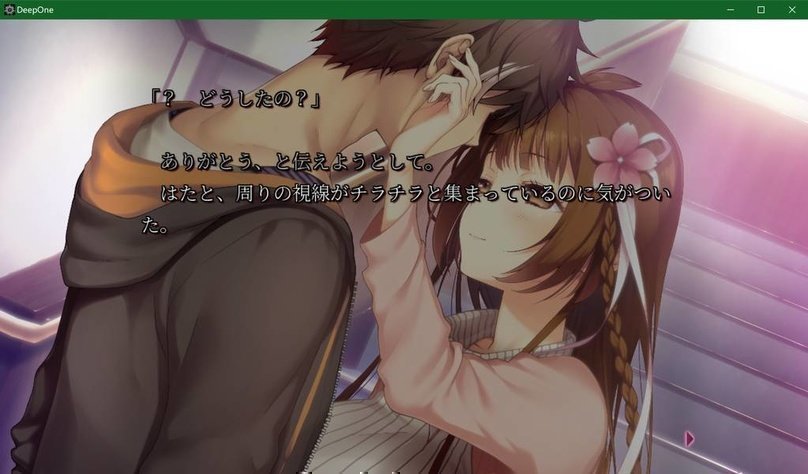
To protect his only sister, the protagonist studies hard every day and exercises to make sure she doesn’t get bullied.
At school he meets a lot of people, including the mysterious classmate Aki Yuhara and another student council representative, Atsushi Bunjimiya. He interacts with them somewhat at school. Aki seems to have special feelings for the protagonist—he thinks it might be love. She even vaguely confesses to him, asking:
“You love your sister so much—if you had to choose between me and your sister, who would you pick?”
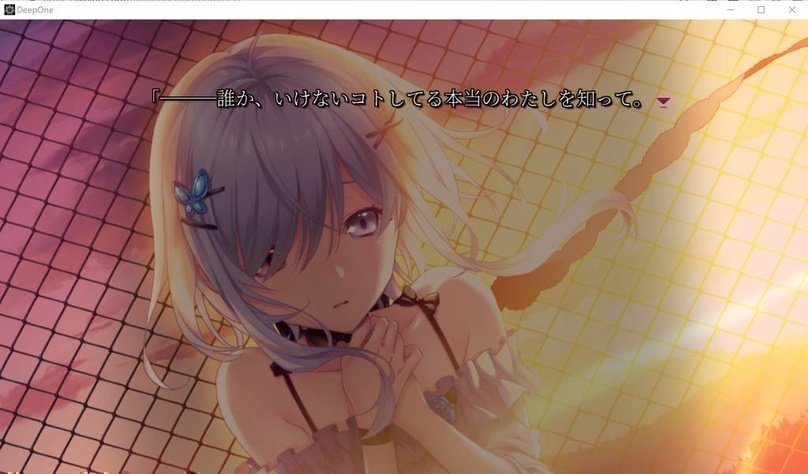
The protagonist thinks it over and picks his sister. She’s the one he wants to protect most.
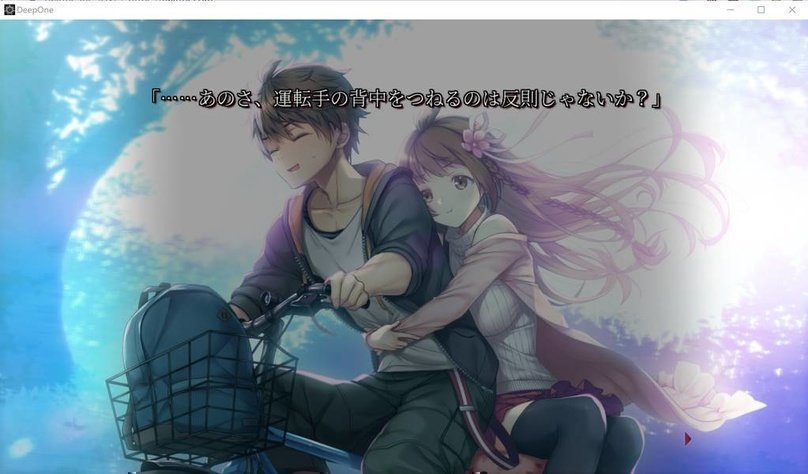
But the peaceful days don’t last long. One night, a silver-haired witch flies down from the sky and fights him. The protagonist can’t beat her, and the witch demands he hand over the “Grimoire.” He’s completely confused.
The witch is Kasumi Yuki from the beginning, and she’s surprised: “It’s all about to start, and you still don’t know about the ‘Grimoire’?”
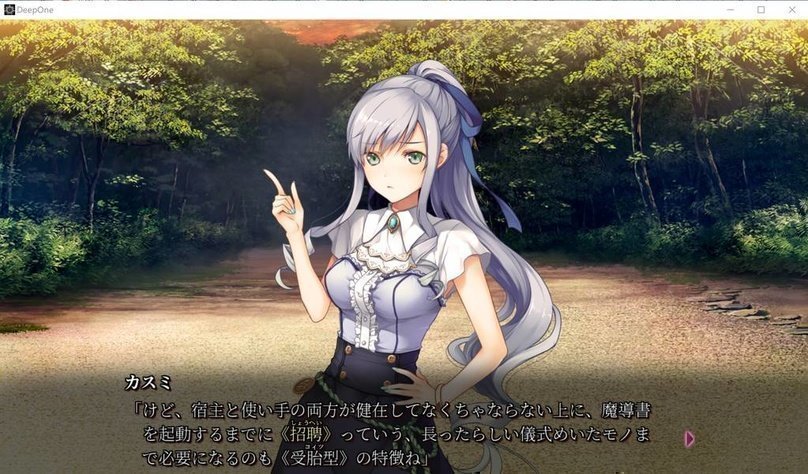
The protagonist says he genuinely has no idea…
The witch shakes her head and leaves. A few days later, the protagonist and his friends are walking down the street when a group of thugs blocks their way. He drives them off, but not long after they run, a giant monster appears and smashes the thugs’ bodies to pieces. The protagonist sees the giant monster… and his mind is in chaos.
He recognizes that thing—it’s the V1 mutant he keeps dreaming about (sorry, the katakana name is too long, I can’t be bothered to remember it; the game just calls it V1). The same kind of monster that attacked him and his sister in the past and left them injured…
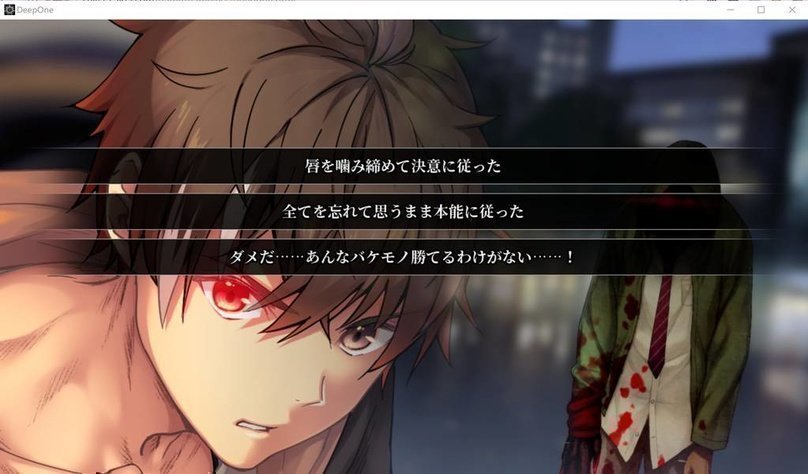
The protagonist tries to fight the mutant and finds he’s completely outmatched. He only knows some basic hand-to-hand combat, and he can’t win at all. Just when it looks hopeless, a shrine maiden with a long sword charges in, drives the V1 mutant back, and covers his retreat.
The long-sword miko finishes the fight and kills the monster. On a tall building behind the monster stands the student council representative, Atsushi Bunjimiya, with the student council president behind him. Atsushi smirks—so the monster was his doing, apparently meant to draw out that miko.
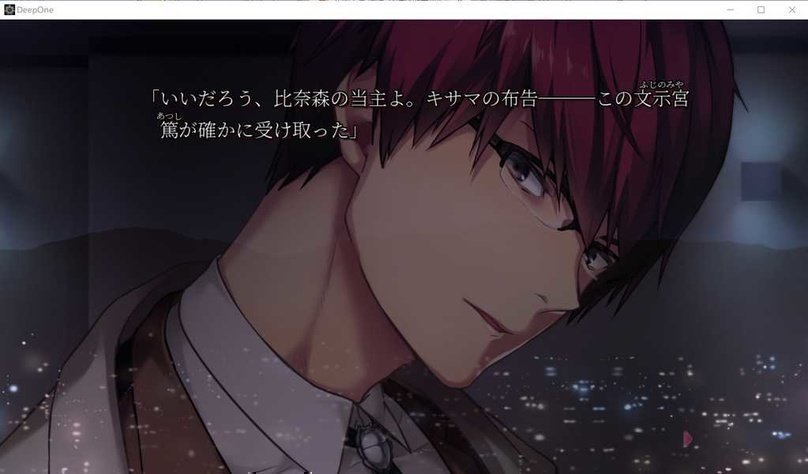
After the protagonist escapes home, the long-sword miko comes to visit. Before he can even thank her, she kneels down first. The miko introduces herself as Saya Hinamori and says she’s come specifically to protect him. She explains the history of his family.
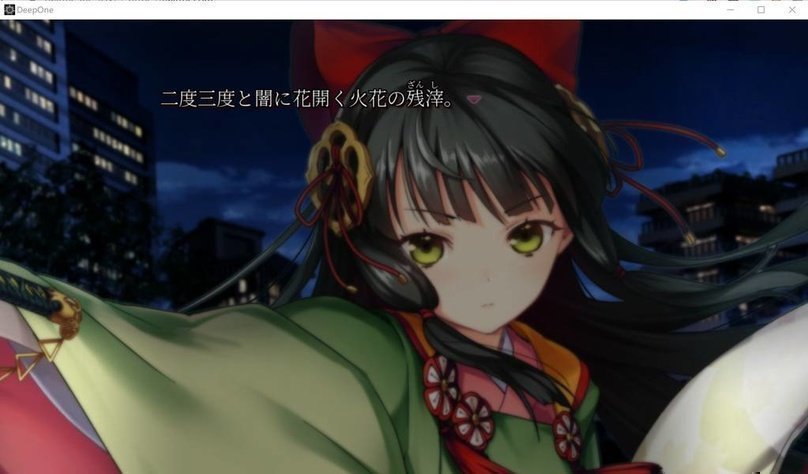
So the protagonist, Naoya Saino, belongs to the Saino family, which holds the right to control the “Grimoire”—and apparently there’s also some kind of “Original Tome” of the Grimoire. It’s a family with a very long history. Of course, now the family is just him and his sister.
The long-sword miko Saya Hinamori comes from the “Hinamori” family, a branch family split off from the “Saino” family. Their family mission is to hone their sword skills and protect the “Saino” family for generations. Kind of like the ninja in Senren * Banka. That’s why the miko Saya shows up in the nick of time to protect the protagonist.
And the Saino family has more than just the Hinamori branch—there’s also the “Yuki” family, which focuses on magic training (the silver-haired witch), and the Bunjimiya family (Atsushi Bunjimiya’s family from school), plus some other families. The kids in those families are all basically cousins to the protagonist.
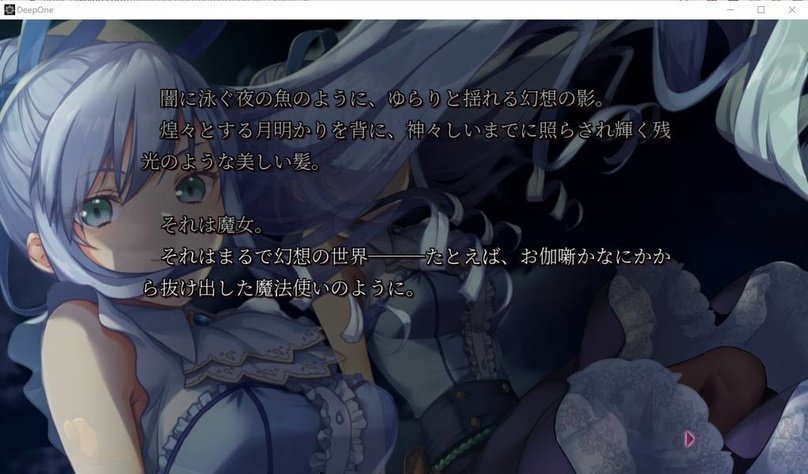
Then the silver-haired witch Kasumi Yuki shows up too. After another fight with the protagonist, she notices he’s got a bodyguard now, can’t be bothered to keep fighting, and starts explaining his family structure.
The protagonist’s family, the Saino, controls the Original Tome of the Grimoire. Grimoires come in many types: “Servant type,” which is like a summoned familiar (the black cat with Kasumi is one), “Gestation type,” where the grimoire is inside a person’s body, and “Parasite type,” “Dormant type,” “Puppet type,” “Static type”—all that jazz. It’s not hard to understand; just guess from the names and you’ll be right.
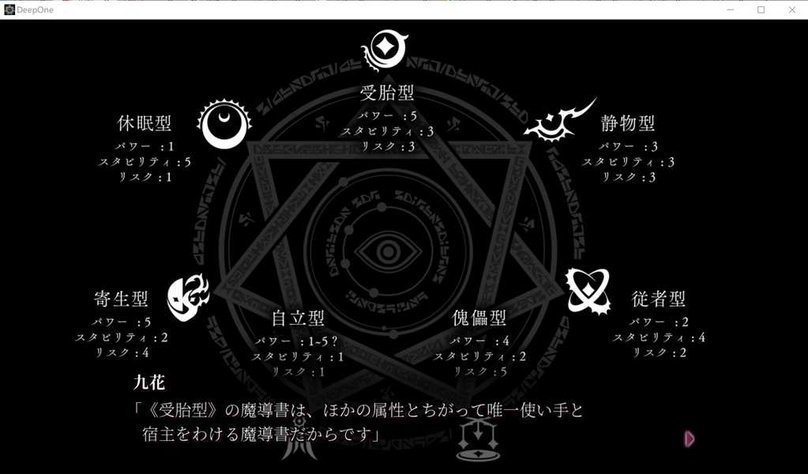
Kasumi says she came back this time to collect grimoires and find the “Original Tome,” and she wants to cooperate with the protagonist. But she’s confused—why does he seem to have grimoire power but know nothing about grimoires?
And when the protagonist says he was attacked by monsters in the past, the other two say they didn’t know about it, but they figure those V1 monsters are all created by grimoires—nothing unusual there. Kasumi, however, says that a few nights ago she was attacked by another woman using a grimoire.
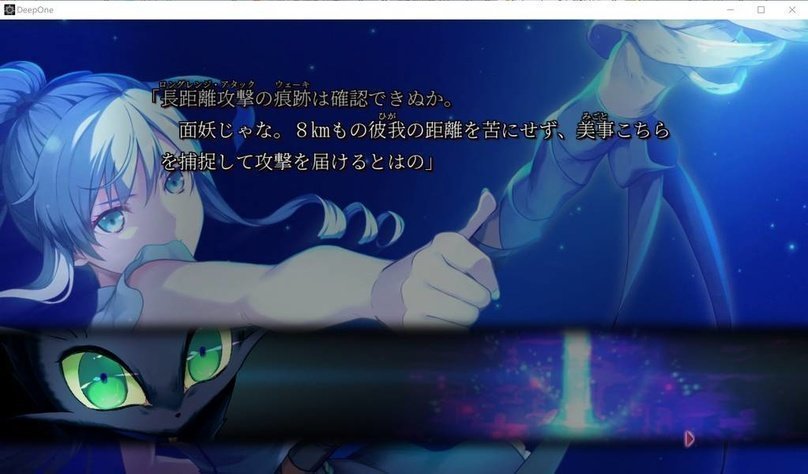
“That person was cunning—attacked me from a distance. I searched for where she was, and once I found her, she ran.”
She warns the protagonist that someone is using grimoires for evil, and might even be after his life. Saya, standing beside him, says that as his bodyguard, she’ll protect him no matter what.
And soon enough, the fighting begins.
One day at school, Kasumi says she’s detected grimoire power on campus. The protagonist runs out to look and sees Kasumi facing off against Atsushi Bunjimiya.
Atsushi casts a spell, and the whole school is enveloped in a red barrier. Inside the barrier, the battle begins.
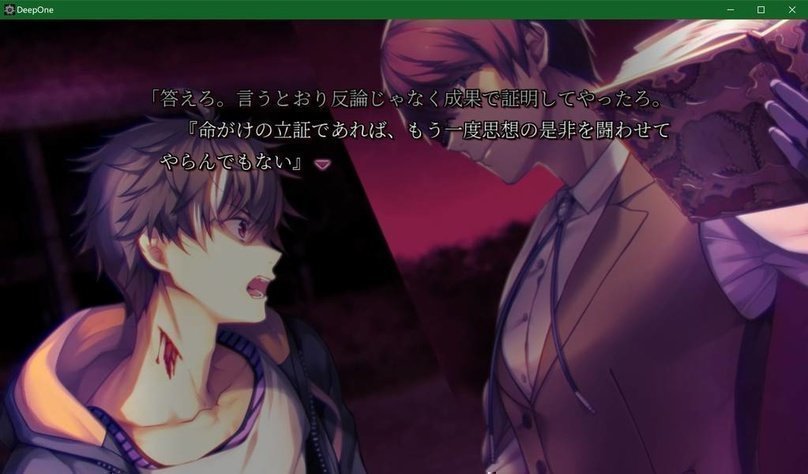
Atsushi pulls out his grimoire—it really is a book—and this book can create infinite monsters, i.e. those V1 mutants. Atsushi creates a giant monster and fights the protagonist and Kasumi directly. The two struggle hard. Saya arrives to guard him, but someone blocks her path: the student council president, Shūitsu Tokigatani. He and Saya know each other—he learned swordsmanship from her, and he also used to practice swordplay with the protagonist when they were kids.
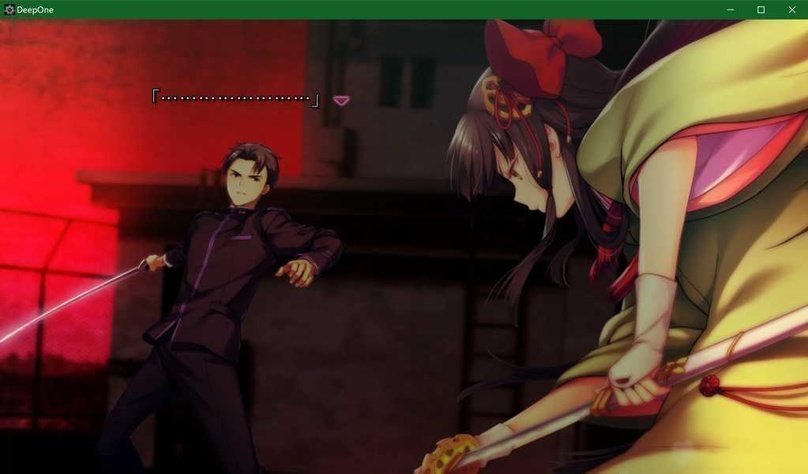
Saya is confused about why he’s standing in her way. The student council president explains that he’s on the Bunjimiya family’s side and works for them. Saya understands, and the two fight.
After a tough battle, Kasumi fails to beat the summoned monster, and Saya only manages to drive off the student council president—she nearly gets killed in return.
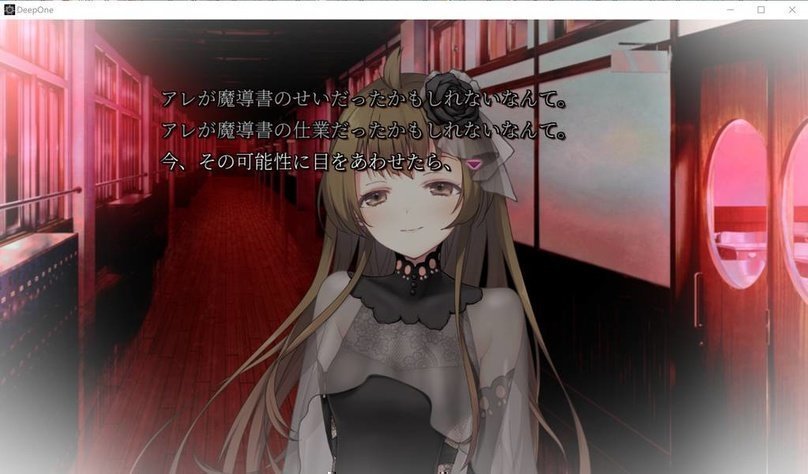
The protagonist, who has no real skills, can only run. In the school hallway he meets a girl who looks a lot like his sister Kokona, but she’s dressed all in black and seems completely unhinged. She smiles when she sees him:
“Brother… I… finally got to see you!”
The protagonist asks who she is, if she’s his sister Kokona. But the girl says some incomprehensible stuff, nothing else, and leaves.
Then the red barrier disappears. Both sides are worn out from fighting. Atsushi Bunjimiya finds the protagonist and declares war on him—says he’s going to “topple the house,” meaning overthrow his family’s status… basically rebellion.
Atsushi says the protagonist’s family, as the main house holding the “Original Tome of the Grimoire,” no longer deserves its current status, and his Bunjimiya family can take its place.
The protagonist is obviously pissed. He says he accepts the fight and sets a time—the next time they meet, it’s the final battle.
Final battle, sure, but the protagonist can’t fight at all right now. He only knows some brawling, and though Saya taught him some swordsmanship, he’s nowhere near able to fight monsters like that.
While resting at home, Kasumi tells the protagonist that as the main house of the grimoires, he has immense power inside him, and Saya’s own grimoire belongs to the family that supports him—meaning he can control it. Saya’s grimoire takes the form of a sword, and if the protagonist takes control of her grimoire, he can use Saya as a powerful weapon—maybe then he can fight that monster.
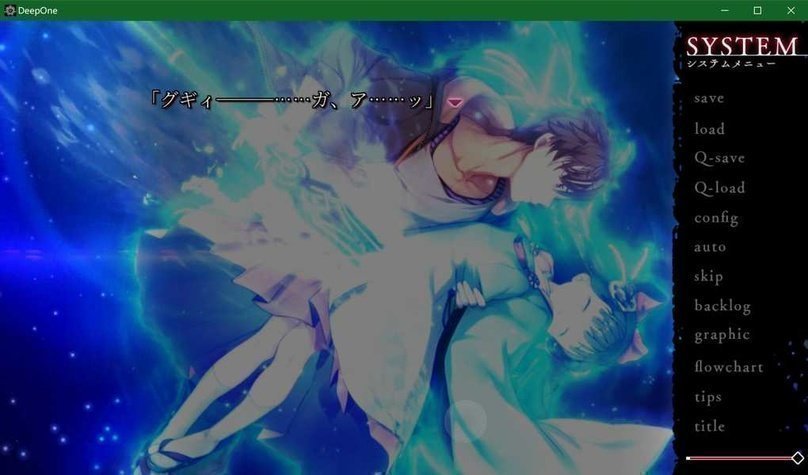
The method is: look into Saya’s eyes, reach your hand toward her chest, and pull out the sword inside. (Cue the Guilty Crown sword-pulling song.)
Sure enough, before they’ve had two days to rest, the Bunjimiya family sends a female mage—the one who ambushed Kasumi before. The messenger wants to scout first and maybe take advantage. The protagonist promptly pulls his cheat, embraces Saya, and pulls the greatsword out of her body. The sword-wielder Saya transforms into a demonic blade, and the protagonist uses it to cut the female mage half to death…
At this point, the protagonist has basically obtained his cheat. With a bit more training, he can go fight the boss.
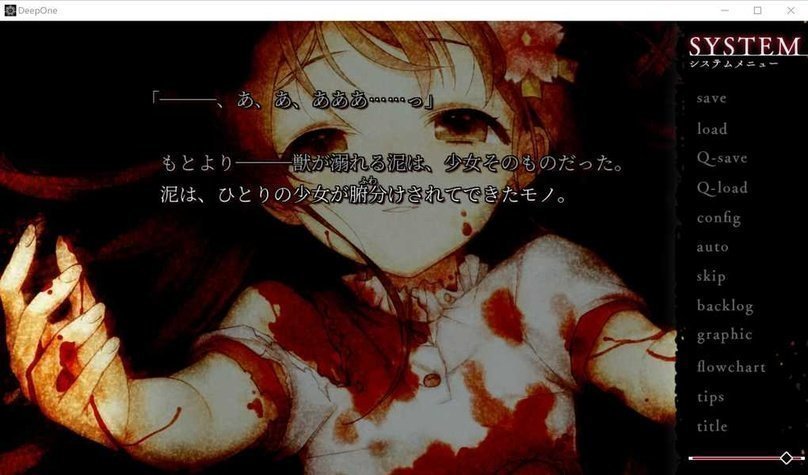
The next part is buildup before the big battle. As his power awakens, the protagonist has all kinds of dreams. He seems to dream of the girl who claimed to be his sister in the red barrier… and her figure gradually merges with the “sister” from his childhood memories. At the same time, he can’t shake the feeling that the sister from his memories and the sister beside him now, “Kokona,” are not the same person…
On the other side, the game starts fleshing out the Bunjimiya family. Why does Atsushi Bunjimiya, as head of the Bunjimiya family, want to rebel within the family?
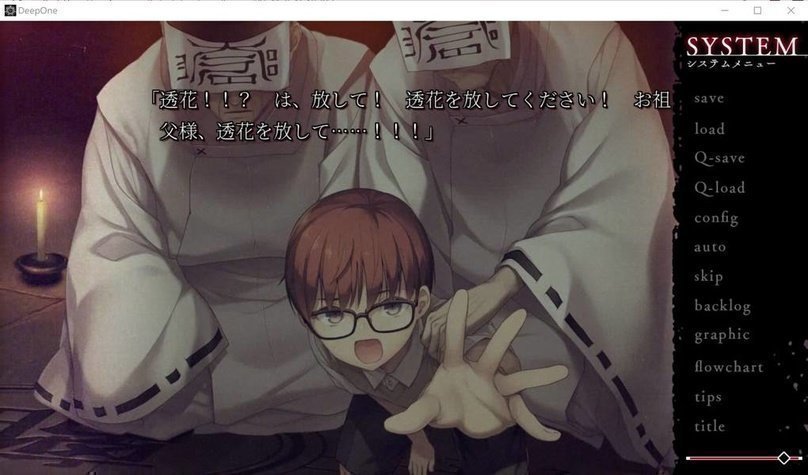
Turns out he was originally raised as the heir to the Saino family’s grimoire, but for various reasons it failed in the end. After being abused and even kicked out of the main house, he came to the Bunjimiya family. He endured humiliation, made a comeback, and became head of the Bunjimiya family. He also learned that the current head of the Saino family (the protagonist) has no real ability and doesn’t deserve his position—and he seems to know what terrible thing the protagonist did. That solidified his conviction for revenge, so he wants to destroy the protagonist’s family and reclaim what he lost.
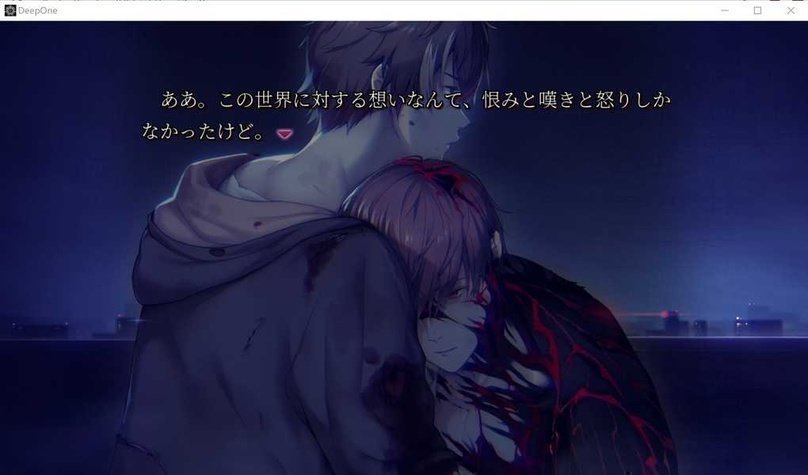
The final battle comes fairly early. The protagonist and his group reach Atsushi Bunjimiya. After a round of trash talk, the fight starts. Because the protagonist is good at trash talk and has Saya as his cheat, he pulls out the demonic blade and cuts down the monster Atsushi summoned. Atsushi is furious and says he has a backup plan—he merges with his grimoire and turns into a giant monster himself. Of course, the protagonist is the protagonist and can’t be beaten… He cuts the monster down too, and just as he’s about to talk Atsushi into redemption, a black witch appears in the sky and crushes Atsushi to death.
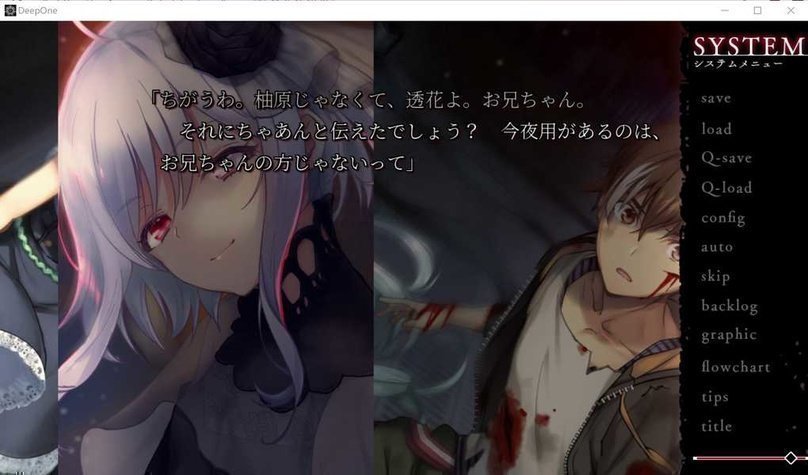
The protagonist looks and—holy shit, isn’t that the girl who called him “brother” in the red barrier that day?
The girl sees him and speaks again: “We meet again, brother.”
The protagonist recognizes her now—she’s Aki Yuhara from school. But Aki smiles:
“Aki Yuhara… yeah, I did use that name once. But I prefer my real name: Toka Saino.”
The protagonist is stunned… He has a sister named Kokona, so does he have another sister named Toka? Everything he saw in his dreams was real?
Just then, Toka snatches Kokona away. The protagonist tries to protect her, but finds he’s completely outmatched—Toka is too strong—and he has to retreat.
After retreating, the protagonist falls unconscious and begins a memory sequence.
With the memory sequence, this part of the story becomes clear.
The protagonist’s dreams about himself and Kokona being attacked by monsters were all fake. He originally had two sisters: Kokona and Toka. The truth is that when he was little, the grimoire inside him went out of control, and he turned into a V1 mutant, hurting Toka (rape, tearing, that kind of thing), and after being hurt, Toka’s mind broke completely. His childhood friend Atsushi Bunjimiya had secretly had a crush on Toka. He took away the ravaged, bloody Toka and swore to protect her and never let her be hurt again. He brought her back to his family under a false name, which led to his family’s opposition and protests, and he lost his chance to be heir because of it. But Atsushi didn’t care. He was the only one who knew Toka had been hurt by the protagonist after his transformation—which is why, from the very beginning, he wanted to destroy the protagonist’s family. He believed the family’s power was that bestial kind of power, and nothing good.
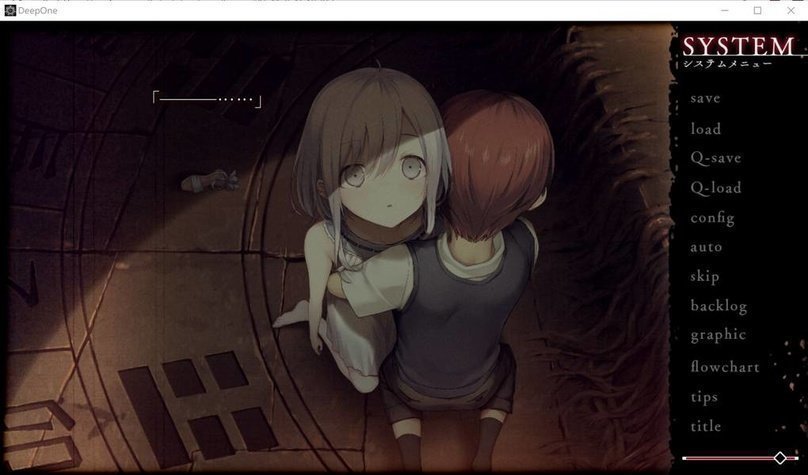
The protagonist understands his sin, and the fact that Toka was Aki Yuhara shocks him—after all, Aki had asked him this question:
“If you had to choose between me and Kokona, who would you pick?”
The protagonist chose Kokona. Which means that between Kokona and Toka, he abandoned Toka.
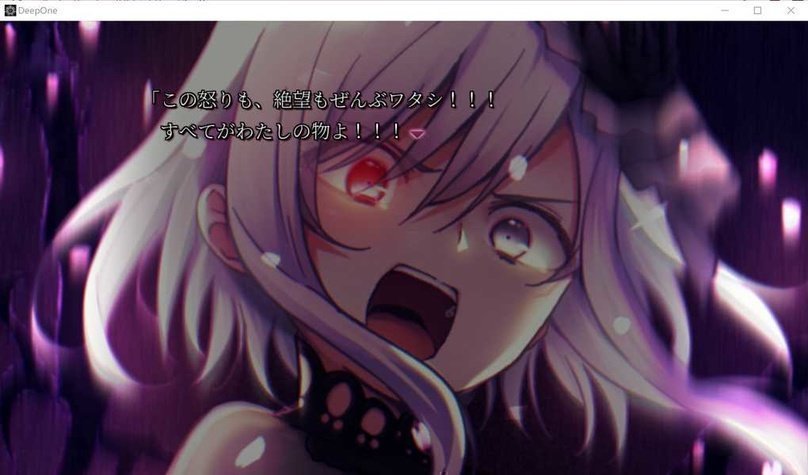
In the end, the protagonist can only choose to face Toka. Unfortunately, Toka is already insane. She’s obtained the dark grimoire power “Pandora’s Box” and can KO anyone she wants. Right now she just wants to torture Kokona to death, because she’s jealous of Kokona. Both are their brother’s sisters, so why is Kokona so happy while she suffers so much… and her brother chose Kokona over her.
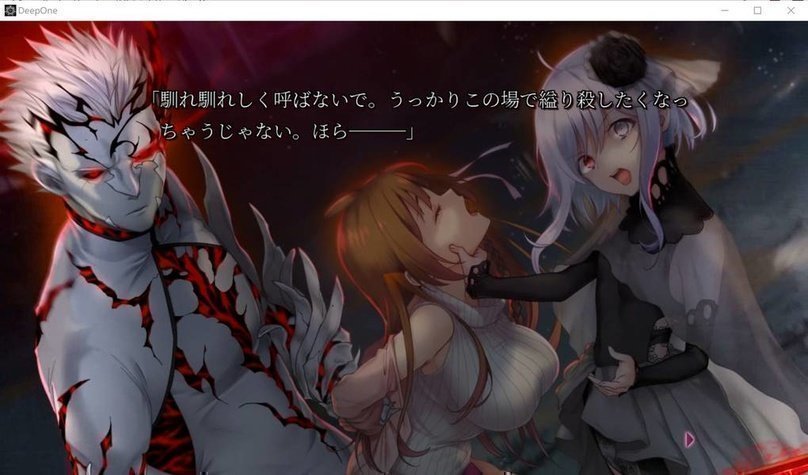
The protagonist brings Saya and Kasumi to confront Toka (final battle?). Another person steps in front of him: student council president Shūitsu Tokigatani. He says he’s from the Bunjimiya family and loyal to them and the current Toka. He must show his loyalty, and blocking the protagonist is his duty.
The protagonist knows this guy too—he came to this shrine countless times as a kid to spar with him, and he was practically his teacher. Never thought he’d end up fighting his own teacher.
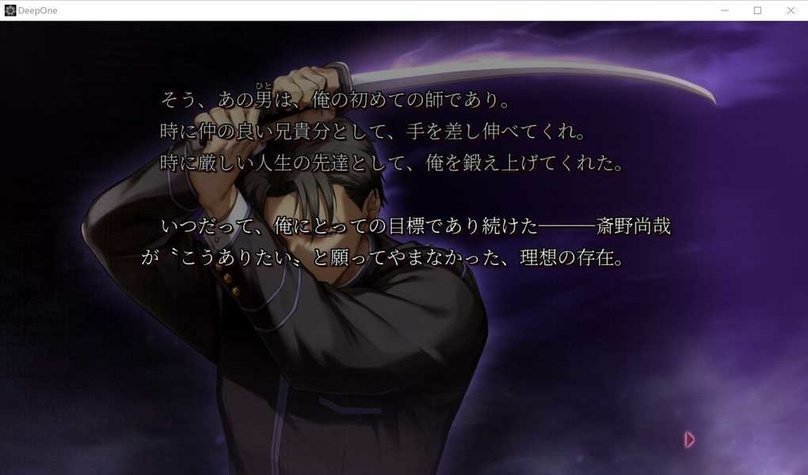
After a hard fight, he learns that this man has absorbed the power Toka gave him, abandoned his human constitution, and gained a demonic body. At the critical moment, the protagonist also awakens and transforms into a V1 mutant. Two monsters duke it out, and the protagonist wins.
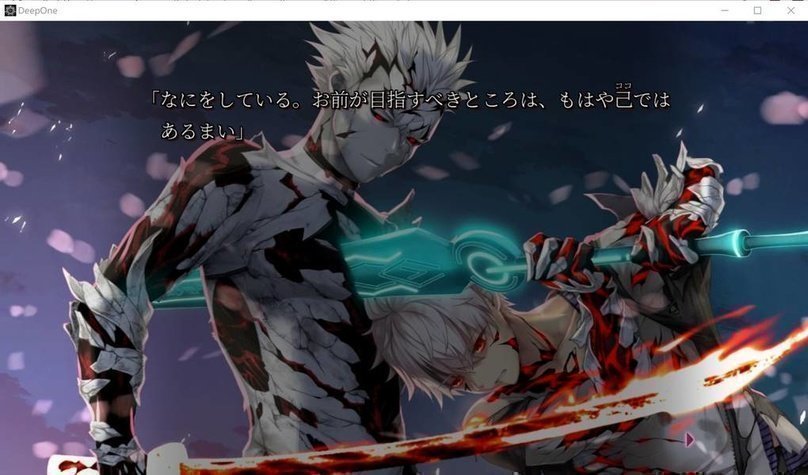
Meanwhile, as Toka tortures Kokona, Kokona suddenly awakens through the power of… talking? She gains something like holy light energy, directly devours Toka’s dark power, purifies Toka, and gives power to the protagonist fighting in the distance. Both of them win.
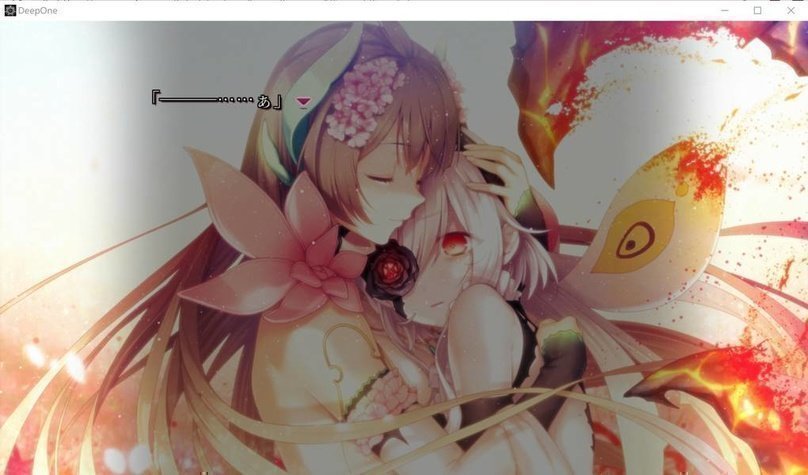
So at the end of the game, the protagonist, Kokona, and Toka are reunited—the siblings separated for so long finally meet again. But at the same time, in the night on the other side of the city, another group is still stirring, watching the protagonist’s duel and saying: “Everything has only just begun.”
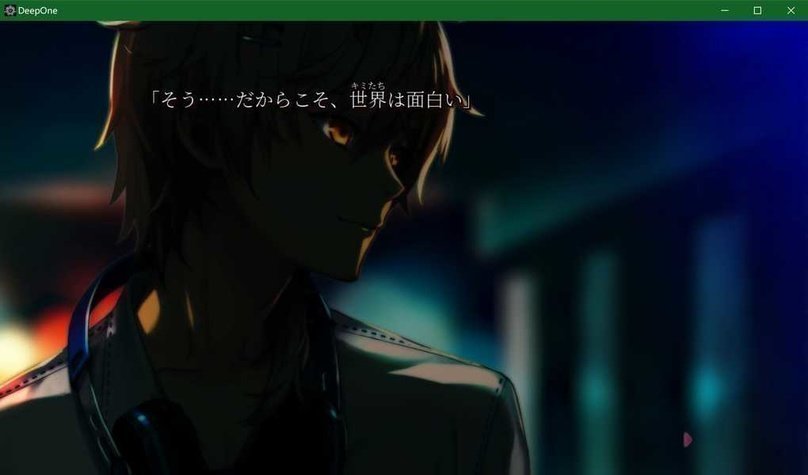
Overall, Deep One’s story is actually okay—it’s explained clearly from start to finish, with no side routes, just one straight line. It’s essentially a family feud story: the protagonist’s power went out of control, he abused one of his sisters as a child, she was taken in by relatives, the relative’s kid fell in love with her, resented the protagonist, and decided on revenge as an adult.
Direction:
The biggest highlight of this game isn’t really the story—it’s the direction. From the first mage duel to the second fight between the long-sword miko Saya and the student council president, it made me feel for the first time:
“Holy shit, eroge battles can actually have impact!?”
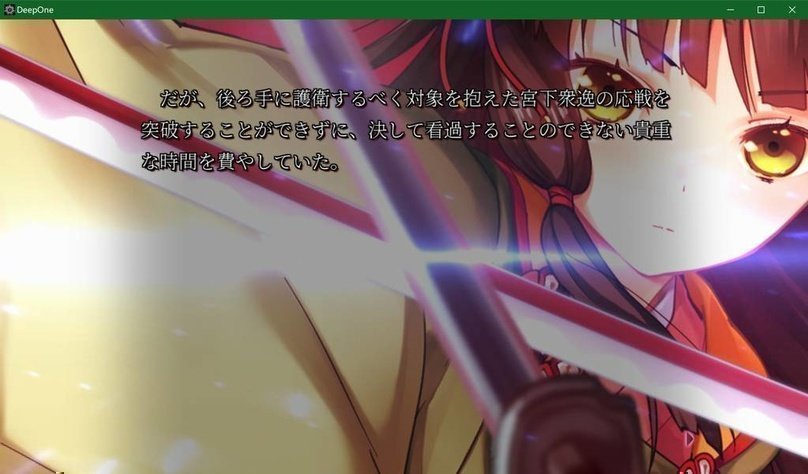
The sword clashes paired with the rhythmic BGM really nail the atmosphere. But the game’s direction has its limits.
Because apart from the first two battle scenes, what comes after… feels kinda half-assed. Deep One is a whopping 13 GB, and most of that isn’t dialogue or CGs—it’s video. These videos are crudely used as backgrounds, so you see lots of animated backdrops: heartbeat, blade flashes, sparks, a mage’s big fireball—all video. Problem is, these assets seem to get used up in the first few fights, and after that the battles just repeat and repeat. It feels like a few motions scaled back and forth, and it loses that initial “one close, one far” shot composition from the sword clashes, dragging the combat back down to “average” level.
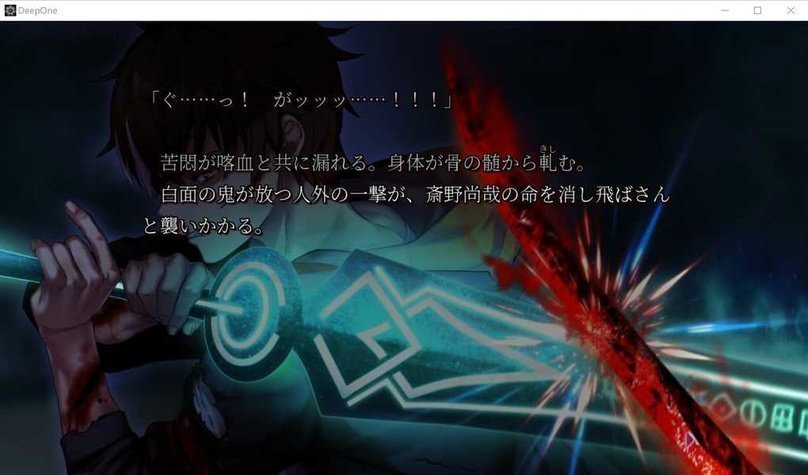
I don’t know if the game was rushed later on, but the final boss fight lacks any intense clash—just long walls of descriptive text, then the protagonist shouts once and finishes the enemy. Really not coool.
Also, the way this game presents text feels very old school. It constantly abandons dialogue and throws screen after screen of text at you, like those early doujin circle games made on a shoestring budget because they couldn’t afford character sprites and CGs. But this game doesn’t look poor at all, so why do the same thing? Feels bad. (Of course, I later found out why.)
Music:
The music is pretty average—has ups and downs. The good: the tense atmosphere during battles is spot on. The bad: the daily-life parts. Some BGM is just awkward. I think if those light “sudden event” tracks were softer and more subtle, the problem would go away. Not sure if it’s a communication issue between the composer and the producer.
The OP and ED aren’t bad, but they’re hard to remember.
Art:
The art is actually really strong. It highlights character traits well—seductive and cunning, pure and cold—and the illustrations are clearly hard work… And you only realize how good they are after comparing… (Why do I say that? I’ll get to it.)
The game has very few HCGs—at most about 4 scenes. One is the protagonist raping his sister (probably him losing control and playing out a rape fantasy), and two are with Saya. Since the protagonist uses Saya as a weapon, she runs low on magic, so they have to have sex to replenish it—familiar setup, no need to explain.
But thinking about it, the HCGs are actually tightly tied to the story—they happen for specific reasons. There are no “scenes that exist purely to service the player” (which, incidentally, led to the disaster the game later faced).
Voice Acting:
The CV lineup is stacked: Misato Fukuen, Kiritani Hana, Asakawa Yuu all return to the fray. Kiritani Hana once again voices a villainous yandere (Tōka)—last time was Lulu in Socery Jokers, which was a nice surprise. I think Kiritani Hana is one of the few CVs who nails both heroes and villains, way better than that Sendai auntie. Meanwhile, Ishihara Mai voices the long-sword witch Saya here—first time I’ve seen her in a combat role. Lots of powerful delivery, and she shifts her voice too, showing she can play a female warrior…
Asakawa Yuu is steady as always—she played a similar role in 11eyes. By the way, Shimizu Ai voices Asakawa Yuu’s familiar in the game, also solid. But I’m not happy that the protagonist has a CV yet appears very rarely. Similar to 11eyes, but there the protagonist’s CV only sounds in third-person scenes, while this game is almost entirely third-person narration and the protagonist is mute most of the time. I really don’t get it…
Another gripe: non-sprite characters have no voice. Budget issues, maybe? For a game this huge and hyped, that’s just wrong.
Scenario:
Deep One’s script leaves me speechless. After playing, I felt a strong sense of déjà vu… The story itself isn’t bad—it explains what needs explaining.
But… something feels off.
From the mid-game onward, the setting gave me a weird familiarity, like I’d seen it somewhere. Then I saw the “Moon fanatics” spamming gacha pulls on X (Twitter), and I finally got it…
A lot of this game’s setup is way too similar to the Fate series…
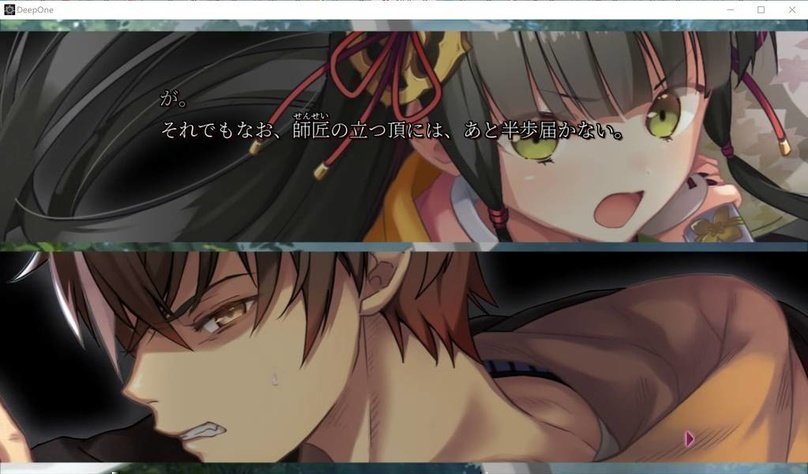
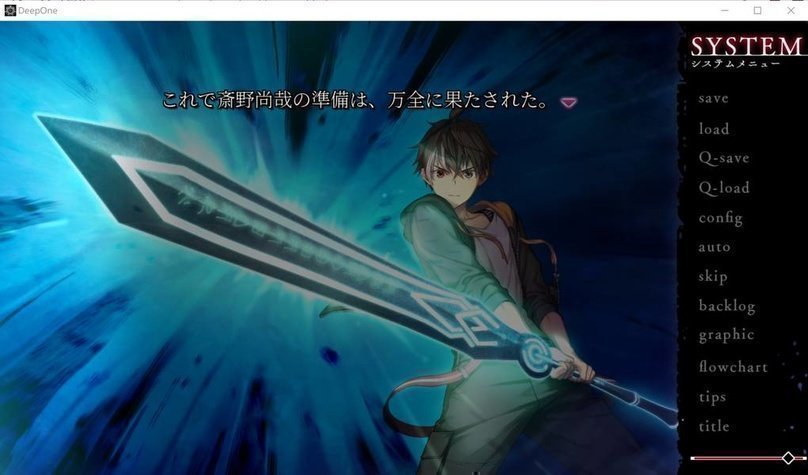
The tsundere female mage Kasumi who helps the protagonist is basically Rin Tohsaka… The shrine maiden Saya who guards the protagonist with a long sword is another version of Saber—even the protagonist pulling out Saya’s magic sword lets him use something like “Excalibur.”
And Tōka, cast off into another family, is none other than Sakura Matou. The poor soul who seeks revenge for Tōka and is ultimately abandoned by her—he’s got shades of Shinji and Kariya Matou. As for the seven types of “grimoires” mentioned—doesn’t that map to the seven classes?
Especially the second sword duel between Saya and the enemy—I swear I saw Saber vs. Sasaki Kojirou…
The pure, innocent heroine with immense magic power is probably another Illya… Of course, Kokona and Tōka’s sister relationship mirrors Rin and Sakura, just transferred to other characters.
Sadly, our protagonist doesn’t know “Unlimited Blade Works”—that’s Saya’s move, and it’s not detailed. The protagonist is more like a Berserker, just transforming and slashing when needed.
That’s not the main issue. Fate is a successful work; it’s normal for a fan writing a script to be influenced by it. The real problems with this game’s script are elsewhere.
First, way too much fluff and adjectives.
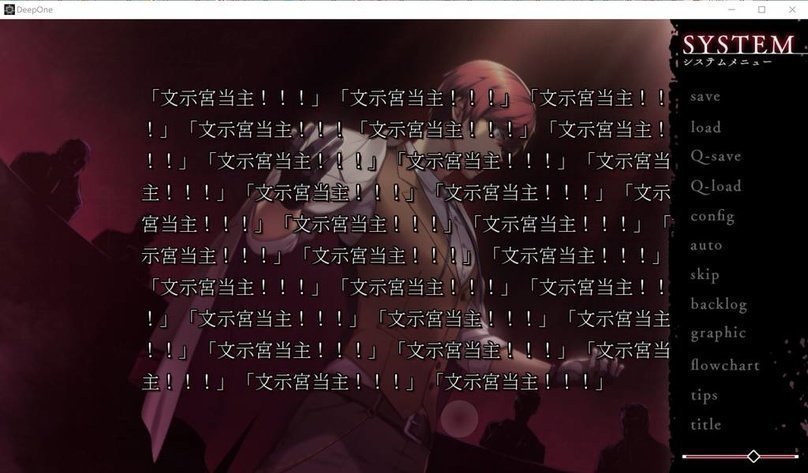
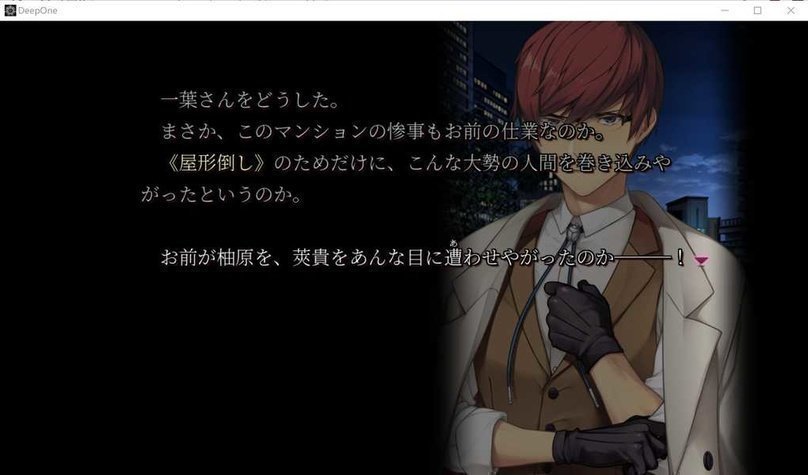
The script loves using huge blocks of text to describe character states instead of letting them talk as much as possible. As a galgame, dialogue is the essence, but this game often puts you in the awkward position of “no dialogue for a long time; character interactions conveyed solely through narration.” And those narration dumps go on for screens—incredibly dull, like reading a novel, completely lacking the interactive feel of “playing a galge.”
Also, the script is deep in chuuni territory—lots of weird four-character idioms. As a Chinese person I understand them, but I doubt Japanese players get what they mean, since none have furigana. The script also loves pretentious vocabulary: for “no,” it uses “否” instead of “いいえ.” First time I’ve seen a Japanese person use “否”—maybe mimicking some tone?
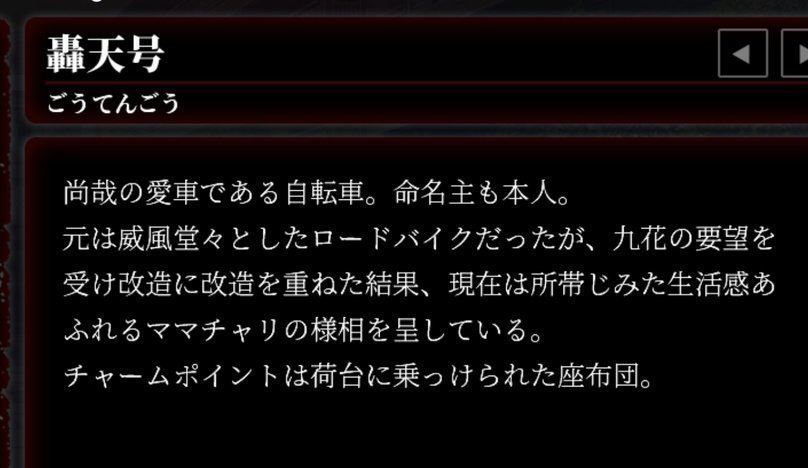
The script also spams the screen to build atmosphere, and cleverly inserts fragmented, incomplete sentences to make you feel “confusion.” But the screen spam looks like an elementary schooler padding an essay for word count, and the fragmented sentences are just dumb—I don’t need to feel confused; I can even guess the content. Pointless…
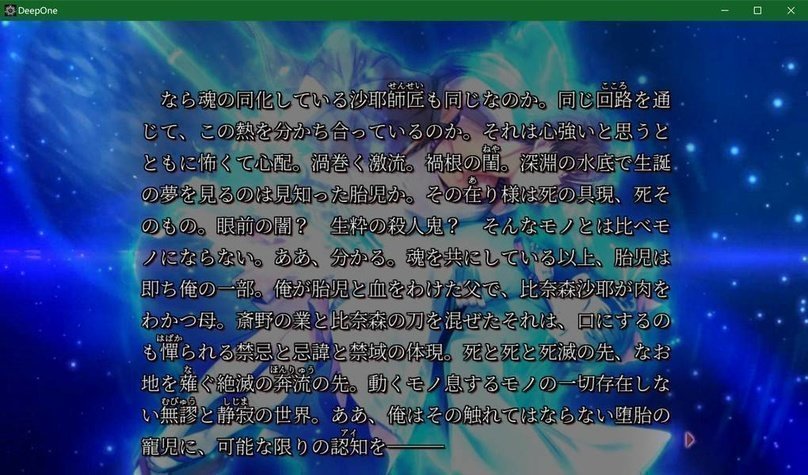
Really, these problems show the script constantly trying to convey through text what should be shown through dialogue and CGs. Something that could be expressed through a conversation with CV acting and CG art, the script keeps spelling out in words—totally out of place. Just publish it as a novel then; why make a galgame? (Of course, I later found out why.)
System:
The system is pretty standard—like a typical Kirikiri engine. It has some small features, like a text tip glossary, but they’re useless. The UI slides out from the side and looks cool, but has plenty of bugs. As I mentioned, the game adds lots of “video backgrounds” for presentation, which makes it crash often due to the overly dynamic backgrounds. This happens frequently in the mid-to-late game—maybe lack of debugging—but it really hurts the experience. Especially when the late game throws a screen full of text at you and it crashes before you finish. Reloading means sitting through those boring animated backgrounds again, laggy and hard to pinpoint, and you can’t jump back in the backlog. By the time you scroll back, you’ve forgotten what was said, so the story became disjointed for me. Plus the mid-game script is so chuuni I lost interest—I just skipped some crashes… Didn’t seem to matter much anyway.
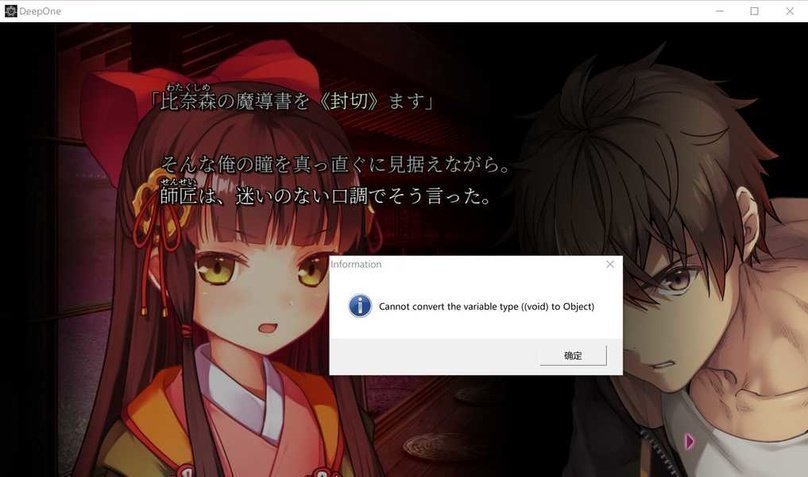
But the game has some neat ideas. For example, if you make a wrong choice and hit a Bad End, you’re taken to “hell,” where two NPCs explain where you went wrong and guide you to re-choose. That’s a fun approach.
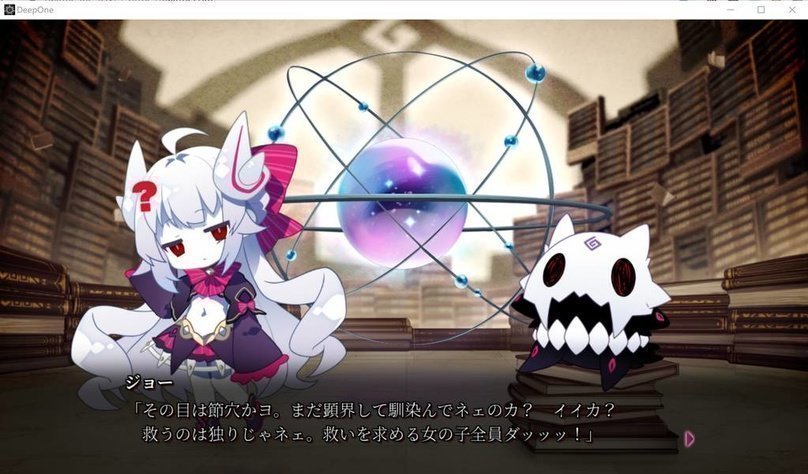
So if not for special circumstances, I’d rate this game as “passable” or “good.” Its strengths and weaknesses are both obvious. Sure, the script has Fate traces, bugs, and lots of chuuni (maybe I’m just too old for it), but considering it’s the first time this year I’ve seen such tense duel direction, it’s got highlights worth trying…
And the ending leaves a sequel hook—the writer clearly has more ideas, since several characters’ stories are unresolved.
But sadly, my premise was “if not for special circumstances,” and this game did have “special circumstances.”
Within a day of Deep One’s release, it got a score on ErogameScape. I opened it—holy shit, 20 points.
And Twitter was full of vitriol. Players unanimously said the game deceived them, that it was trash.
After looking into it, I understood why they were angry…
When Deep One launched, scenario writer Horinouchi Yujo said in a magazine interview that the game not only guaranteed a great script but also catered to players who want HCG—plenty of hardcore HCG—and hoped fans would support it. But when players bought it—holy shit, only 4 HCG scenes, and crude ones—no variety of play, plus rape. Players who bought it for the porn were furious.
At the end of Deep One, a sequel logo appeared, indicating the game was just the beginning and more would follow. Players saw this as episodic selling (split commercial method), which was never mentioned in promotion—they felt deceived.
Deep One’s story is a single linear path. Aside from the story-required sex with Saya and Kokona’s sister, no other characters have routes. Players felt cheated and insulted.
In a magazine interview, Deep One was touted as “ten years in the making,” but it was later dug up that the game originated from an early doujin circle called Nanastar’s doujin game Deep onE. The text and character art styles are identical. That Nanastar doujin game’s scenario was by “Ayano Souji,” which is basically this “Horinouchi Yujo.” So it’s a remake of an old game, and none of this was mentioned in promotion.
These four main reasons made many buyers feel deceived, and from the start the game’s reputation plummeted.
On release day, while people were trashing the game on Twitter, another galgame company president jumped in. He kept retweeting various anti-Deep One posts, looking rather smug.
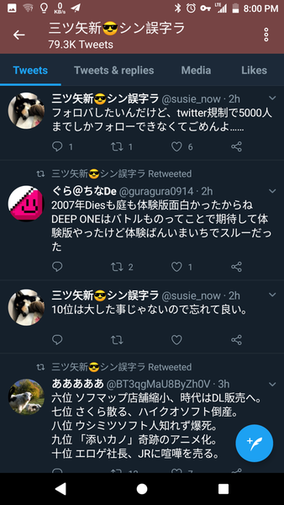
That president is from eRONDO, the company behind Koi no Su☆Ichakoraizu. This president is quite something—he has a few hobbies:
- Trashing pirates.
- Bashing story-focused games.
- Bragging about his own company.
As a software company rep, he naturally hates piracy, and he often mocks players, saying eroge should be erotic, otherwise they have no reason to exist. He frequently ridicules companies that prioritize story over ero as doing pointless work. So when Deep One flopped on day one, he was the happiest, jumping highest. He’s always hyperactive on Twitter anyway, but that day he stirred up a lot of drama, causing bystanders to join the bandwagon against Deep One, its company, and writer Horinouchi Yujo.
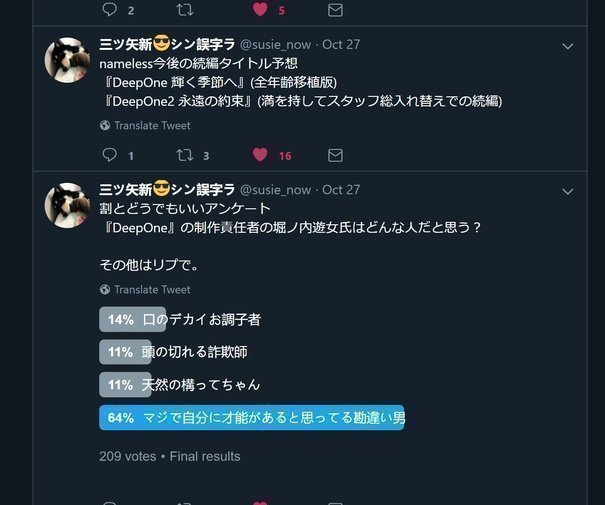
Which drove Deep One’s ErogameScape score even lower.
But is that really the truth? Is Deep One really that bad?
As someone who played it, I think it’s not amazing, but it has its highlights. You can’t call it a masterpiece, but a score in the 20s on ErogameScape is way too harsh.
At that point, even the eRONDO president said something fair:
“The reason Deep One got bad reviews isn’t about whether the script is good, how many HCGs it has, or split sales—it’s that the game deceived players at launch by not being clear. Lying is wrong.”
In the end, the game got besieged on day one and suffered such a disastrous outcome because of a marketing failure.
“If before release they had told players it was episodic, had few HCGs, and was a story-focused remake of a ten-year-old doujin game, it probably wouldn’t have gotten such terrible reviews.”
That answer is right, and maybe not…
Out of curiosity, I did some digging into Deep One’s background and found some info that might answer some questions.
Q: Does Deep One contain plenty of hardcore HCG? A: There is HCG, and it’s hardcore, including a rape scene, and the quantity isn’t actually that low—it’s just missing HCGs for side heroines.
Q: Is Deep One an episodic (split) game? A: Strictly speaking, I don’t think so. The game’s length is already substantial, the main story is properly concluded (the mastermind dies), and only a sequel hook is left at the end, telling players more will unfold. It’s like the post-credits scene in Pacific Rim—a sequel could happen or not, and so far the developer Nameless hasn’t announced any sequel plans.
Q: Deep One is clearly a remake of an old doujin game—how dare they call it “ten years in the making”? A: I looked up the doujin circle Nanastar that developed the original Deep onE. I even found the old trial version download. On the old page preserved via web archive, you can see the game’s development history in detail:
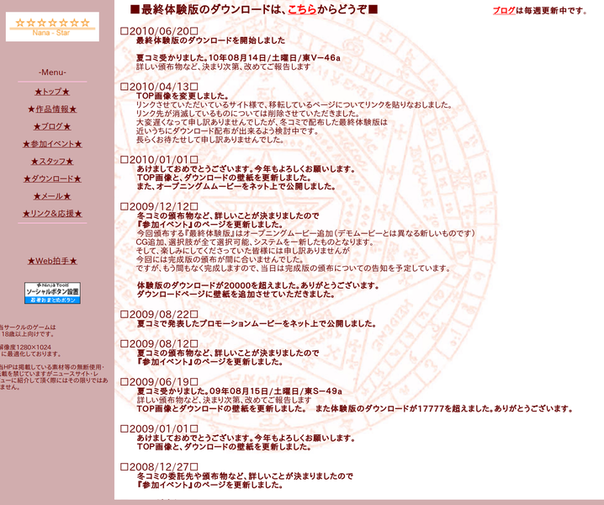
Development started in 2008, continued on and off until 2010 when the final trial version was released, and then the circle vanished.
Looking at the staff updates, there were many members. The only ones still active are the renamed scenario writer and, apparently, composer Maruyama Takeshi.
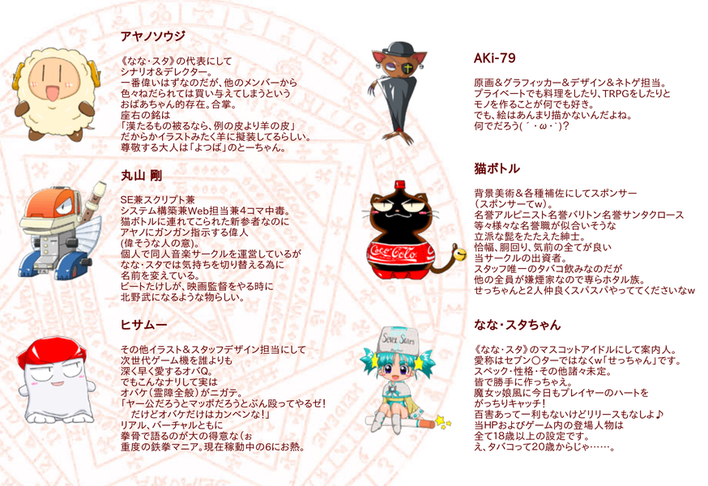
Maruyama Takeshi is interesting too—online records show he later founded a company called “Jirai Soft,” developed a few games that didn’t review well, then the company went under and he moved on to produce for other brands.
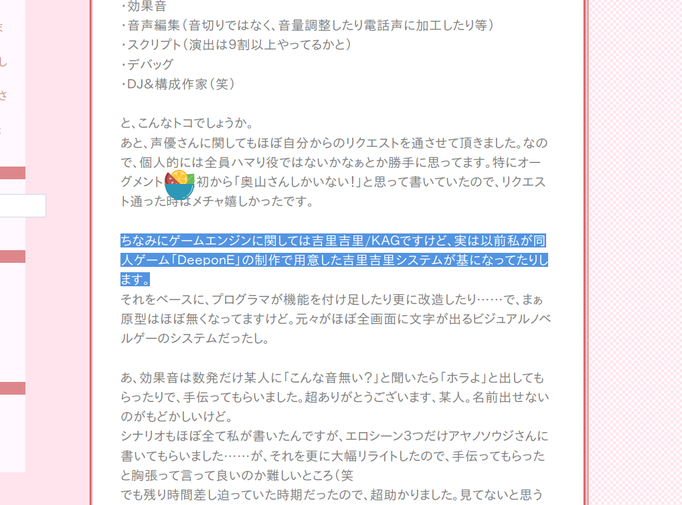
And you can still download the final trial version of the early doujin Deep onE. Running it shows a big “Prototype Edition” on the title screen. The content and presentation are largely the same as the final version, though quality differs—even the CG character poses are identical. So I really respect the new artist for completely redrawing the original sprites… and even better capturing the characters’ personalities. The original early characters looked like idiots.
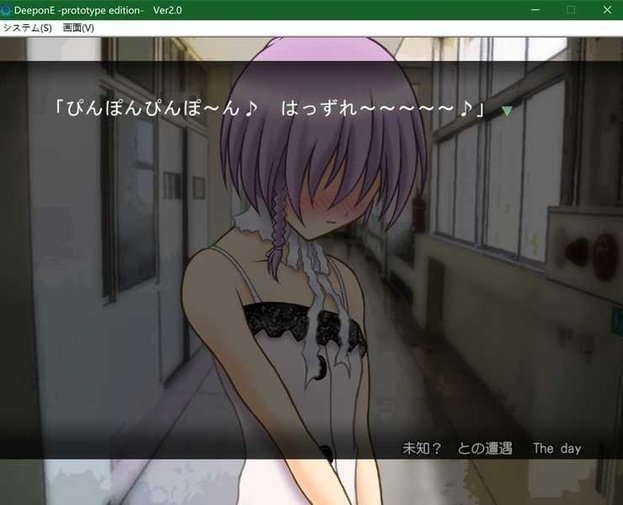
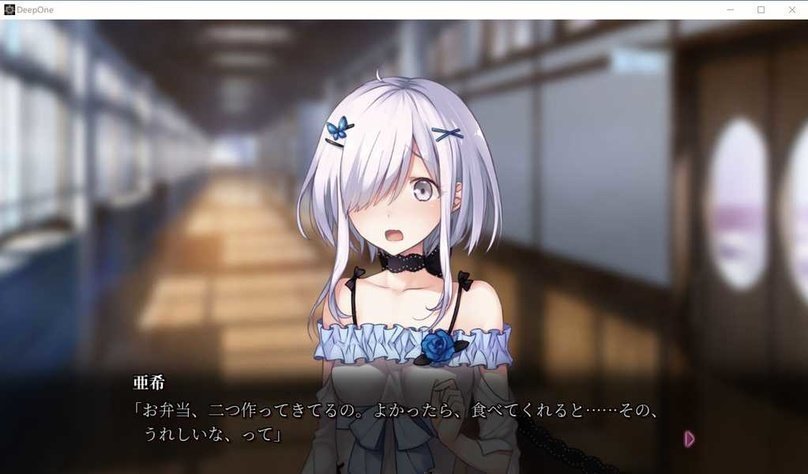
Maybe I’m just making excuses, but this game’s ten-year-old version was positioned as a “prototype.” Development began in 2008, a prototype emerged, then it disappeared for ten years, and finally launched commercially in 2018. That’s actually kind of inspiring.
A writer wrote a story, thought it was good, wanted to make a game, messed around with a circle, the circle collapsed, and ten years later, finally had money to pull out that old script and fulfill a decade-old dream. Wish granted.
From that angle, “ten years in the making” isn’t false.
Q: You’re defending Deep One—so it did nothing wrong? A: I wouldn’t call it defending. I’d say Deep One’s current situation is purely due to stupid marketing. Many selling points could have been bragged about—“ten years in the making,” from doujin to commercial—but the idiotic marketing chose to hide them and even released false info to deceive non-target audiences, angering paying customers and triggering a backlash that left this mess.
In the end, Deep One is a story the writer wrote in his youth, always wanting to complete it, finally making it a commercial product. But most of the friends who fought alongside him back then, except Maruyama Takeshi, have vanished. As someone with a similar experience, I feel an inexplicable sadness.
And through the Deep One incident, I also saw the current state of Japanese eroge. I always thought buyers were people who actually play the games, but surprisingly many are the type who “don’t play at all—just Ctrl through to look at HCG and jerk off before sleeping.” Deep One isn’t short, yet ErogameScape had many critical reviews on day one—I doubt they even played it. After the first week, Deep One’s score rose from 20 to 55, which shows that those who actually played felt the game wasn’t that bad…
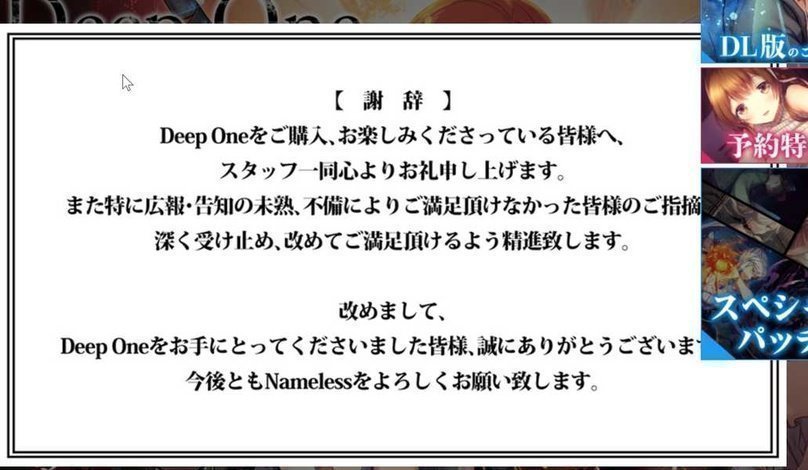
Meanwhile, the post-release effects led several people to stir the pot on Twitter and Weibo, with uninformed masses joining the bashing. The beleaguered company Nameless hastily issued an apology—though it might be too late.
Actually, while searching Deep One’s history, I also found that the original prototype had its own ED, also composed by Maruyama Takeshi:
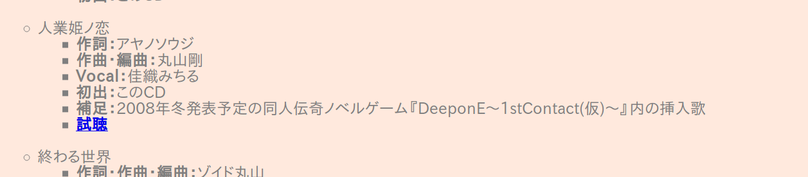
But the important part isn’t that—it’s the game’s name:
DeeponE~1stContact(仮)~
Maybe the game was planned as episodic from its 2008 inception? Or maybe the author thought better of it and dropped that silly subtitle.
Looking back now, the earlier questions make sense:
Why so much text and so little sprite interaction? Because it was originally a doujin game. Why did it get a recommendation from Takeuchi Takashi? Because the author was totally ripping off Fate.
Thinking about the overall structure, I think the author was just too poisoned by Fate. He probably wanted to write an Unlimited Blade Works and a Heaven’s Feel route within Deep One’s worldview as sequels, but in the current situation, that’s unlikely.
Japanese reviews call this game a “Fate ripoff,” and I’ve always thought so too—even though it’s not that bad.
Honestly, they should’ve just renamed it “Fate/Deep One”—that would attract more attention, no?
Comments are hosted on the Chinese main site. This mirror is read-only.