Sora ni Kizanda Parallelogram (空に刻んだパラレログラム) Review
Sora ni Kizanda Parallelogram
When you talk about galge, you can’t not bring up eroge, and when you talk about eroge, you can’t not think of the ones that left a real impression, and when you talk about leaving an impression, you can’t not think of Kami no Ue no Mahou Tsukai, and then you can’t not bring up the writer behind it: Rukuru. And when you talk about Rukuru, you have to talk about his new game with Kiriha at the end of 2018, Sora ni Kizanda Parallelogram. Going from literary subject matter to a sports backdrop—truly a double bloom, literature and sport both, worth keeping an eye on.
I’ve brought up Rukuru more than once, and I’ve recommended the stuff he wrote more than once too. The biggest factor is just how good his stories are. Rukuru can tell a story, and his prose isn’t childish either—it reads comfortably, and that’s his biggest charm and personality. Sure, some people rag on him for all the typos, but who among us who writes every day doesn’t have a few typos (I’m not talking about myself here). So the release of Sora ni Kizanda Parallelogram put me in a bind.
The dilemma is pretty obvious. On one hand I was looking forward to a new Rukuru game and that familiar sour-sweet script of his. On the other hand… this new game… Sora ni Kizanda Parallelogram… doesn’t it feel a little too bootleg?
You don’t need me to say it—anyone with eyes can see it. This so-called Sora ni Kizanda Parallelogram, whether you look at the setting or the character designs, looks extremely similar to a certain work from a certain studio that’s already dead. Yeah, that’s right—Sprite’s Aokana: Four Rhythms Across the Blue, aka Aokana. Same airborne sport, same male lead as coach, same four hair colors for the heroines. Opinions on the game were all over the place at the time; most people figured it was Aokana’s “spiritual successor,” since the setup is just too similar. At the same time, people were guessing based on Rukuru’s previous style—would Sora ni Kizanda Parallelogram have people dying left and right, getting crippled, all that mess…? After all, his previous games were all gloom-and-doom.
So I was worried. So I was torn. But whatever the game turned out to be, you only know once you’ve cleared it. As 2018 came to a close, before the Sino-American co-produced Journey to the West started filming, I finally finished this one. And I ended up even more confused.
“Compared to his previous work, is this game a step forward or a step back?”
Maybe going back over the whole game will make the answer easier to reach.
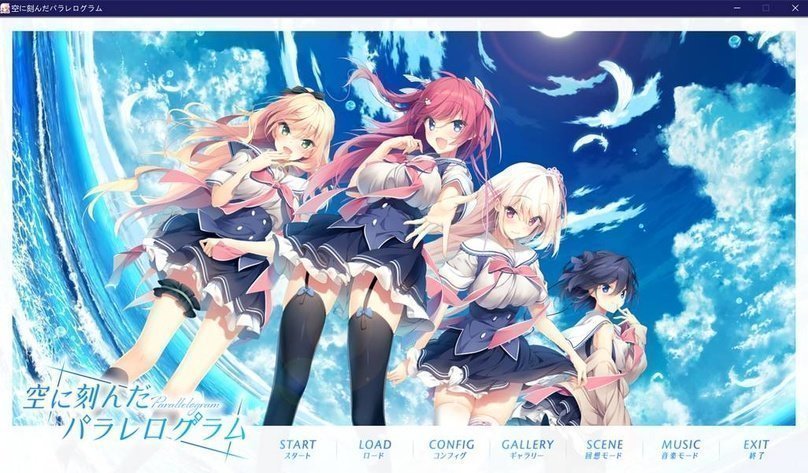
Sora ni Kizanda Parallelogram tells us right off the bat that a girl named Kinegiku Yuzu is fascinated by the currently popular sport of Telepsichora, so she transfers to a school that focuses on it—this airborne competitive sport.
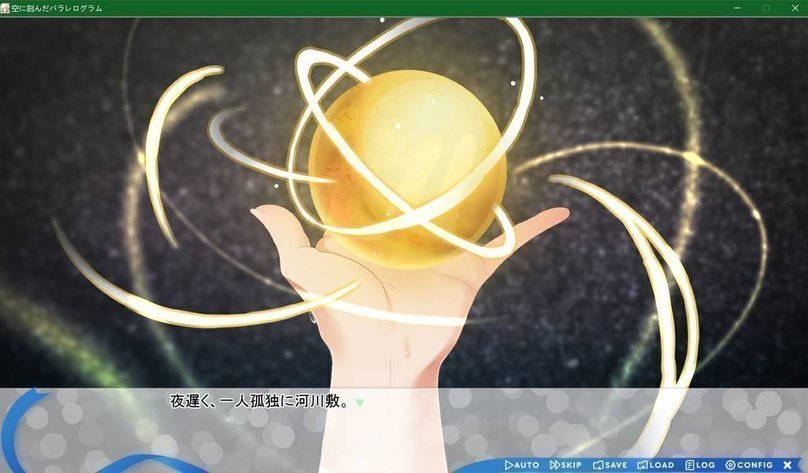
Telepsichora is a 3v3 combat sport fought entirely in the air. Simply put: you wear special gear and clothing, and use the qualia factor within you to generate magical energy that lets you fly. While flying, you fight over an orb called a Halo. Whichever side gets the Halo carries it to the enemy’s crystal at their base and smashes it to score.
Honestly, strip it down and this sport is just 3v3 basketball (or soccer) in the air—the Halo is the ball, six people fight over it, and you just have to throw it into the crystal at the enemy base.
Oh right, players are also allowed to attack each other with their own flight magic particles.
What’s different is that in Telepsichora, what matters during flight isn’t the athlete’s stamina—it’s their “qualia constitution.” If you’ve got more qualia factor in your body, you can fly longer… in other words, your flight endurance depends on talent.
And this girl Kinegiku Yuzu was discovered at her old school to have an extremely strong qualia constitution, so she decided to transfer to this school and get into flying. She’s also always dreamed of flying in the blue sky.
But the moment she arrives she gets discriminated against, because she finds out this school—beyond grade levels—has a more important class divide: “Class One” and “Class Two.” Class One is made up of the school’s top-tier athletes; Class Two is the inferior class. Class One players get professional training, including use of the flight equipment and exclusive grounds. Class Two players get nothing…
Right after arriving, Yuzu gets provoked by a Class One student who demands a “little match” with her on the ground—since Yuzu doesn’t have much flight experience yet.
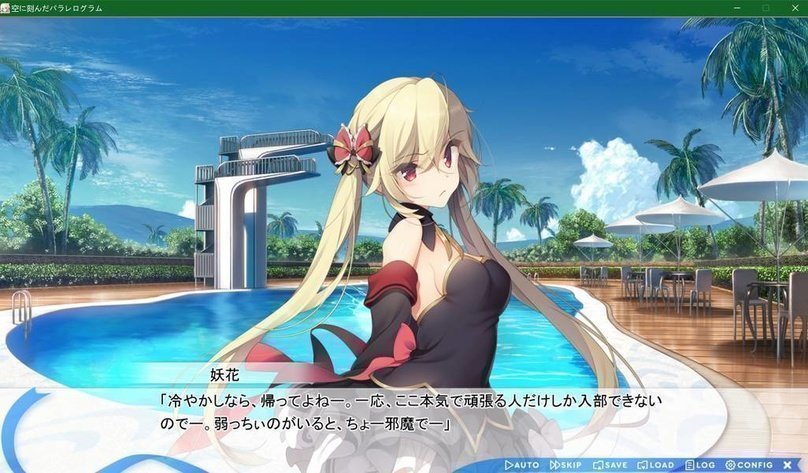
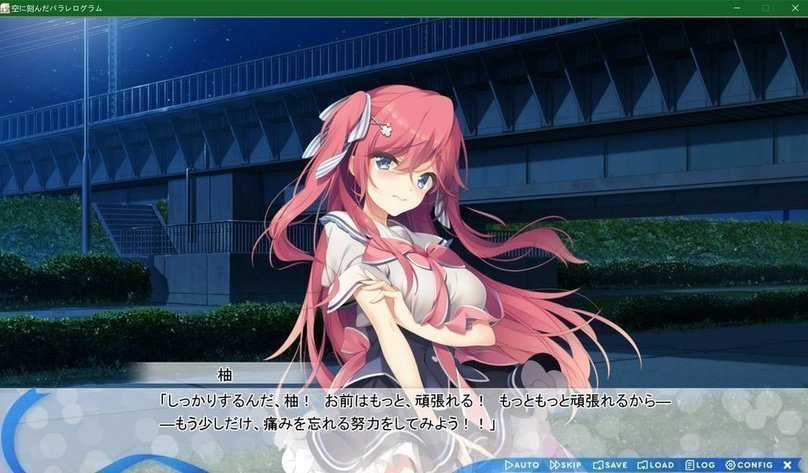
Yuzu thinks she’s decent, but in the ground simulation she gets played like a monkey… The other girl even says stuff like “If you’re that bad, don’t come to our school and embarrass yourself.”
Yuzu doesn’t get discouraged. She starts training at midnight, learning to control the Halo orb from square one, improving bit by bit…
That’s when an upperclassman, Aizumi Hotaru, sees this new transfer student always working so hard, and something stirs in her. Standing next to her is another person, from Class One—Tokiwagi Ren. The two of them used to be on the same team and competed together, and they both remember someone else who was on that team: Houjou Ayumu (the male lead). Ayumu used to be an excellent player, but got badly injured in a match and his body can no longer control flight. So Hotaru and Ren suggest that the male lead become the new transfer student’s “supervisor” (feels a lot like a coach to me, though maybe not exactly a coach), guiding her training and improvement.
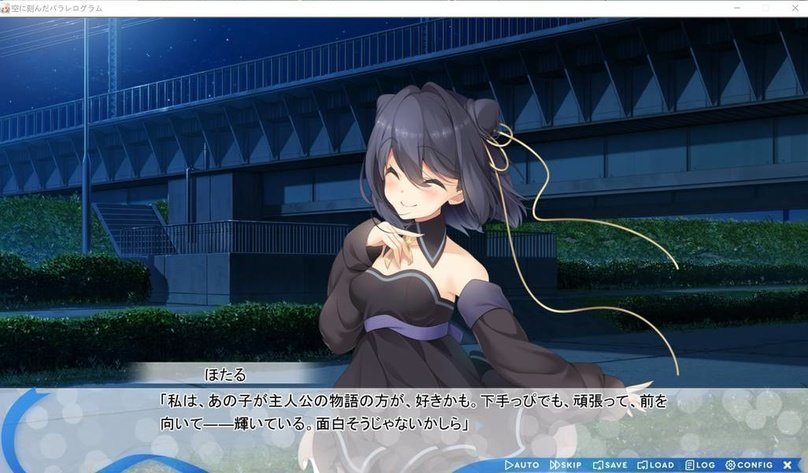
Hotaru says one thing:
“For people with some experience who can reach a high level just by putting in the effort, they’ll always be the protagonists of the story. But a genius like me doesn’t deserve it at all. So a protagonist needs someone on the protagonist level to guide them. I hope Houjou Ayumu doesn’t let us down.”
So why can the male lead be a “protagonist”?
Houjou Ayumu used to be a Telepsichora player. He got into the sport because of his first love: Tsumugi Kurenai.
Tsumugi Kurenai was the male lead’s childhood friend and first love. They played together since they were kids, and it was only because she watched a Telepsichora match once that she fell in love with the sport… She longed to stand on that stage too—especially the national tournament.
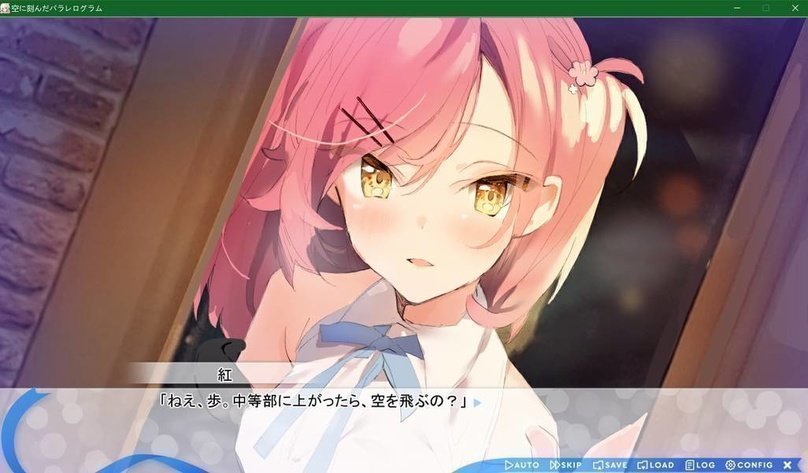
Unfortunately, Kurenai didn’t have the constitution for flight—meaning she couldn’t produce the magical particles needed to fly. The male lead loved her, and quietly decided to achieve her dream in her place.
So he threw himself into the sport. But it’s 3v3—you can’t do it alone—so he pulled in another friend, Arisawa Ria, and his little sister Houjou Hari (yes, her name really is “Glass,” read as Hari). The three of them formed a team and started grinding.
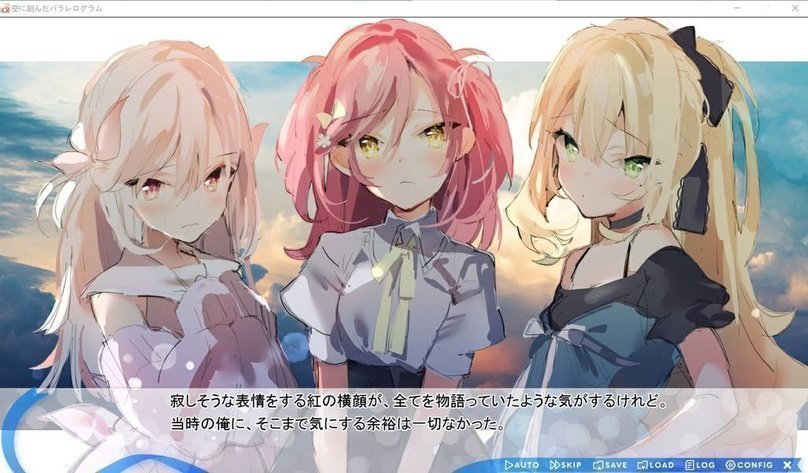
But sadly, only the male lead had real talent. Soon he was the one at a high level, while his two teammates—his sister Hari and Ria—became the weak links.
His sister simply lacked talent, while Ria’s problem was her own flight-magic particle constitution: she had too few particles, so her flight endurance was terrible and she couldn’t sustain long matches…
To pursue his dream better, the male lead chose to leave his sister and Ria’s team and look for stronger teammates.
So he found Tokiwagi Ren, found Aizumi Hotaru, and formed a new team with the two of them.
Everything went smoothly; his team made it to the national tournament. And then, during a match… he got badly injured while fighting someone. He fell from the sky into the sea. The doctor’s diagnosis: spinal injury, unrecoverable. He could still walk and stand, but he’d probably never fly again…
And worse news still: on the day of his match, Tsumugi Kurenai was riding in a car to come watch him play, and there was an accident on the way. She died.
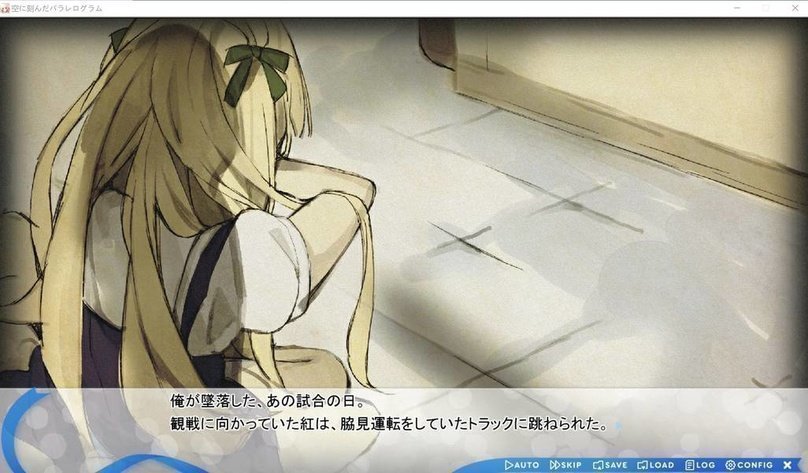
His first love dead, and he’d lost the ability to fly and compete. The male lead went from the peak straight to the bottom…
After that he was a wreck, so when he was asked to become Yuzu’s coach and supervisor, he hesitated. But after meeting Yuzu, he… agreed.
Because Kinegiku Yuzu looks way too much like Tsumugi Kurenai.
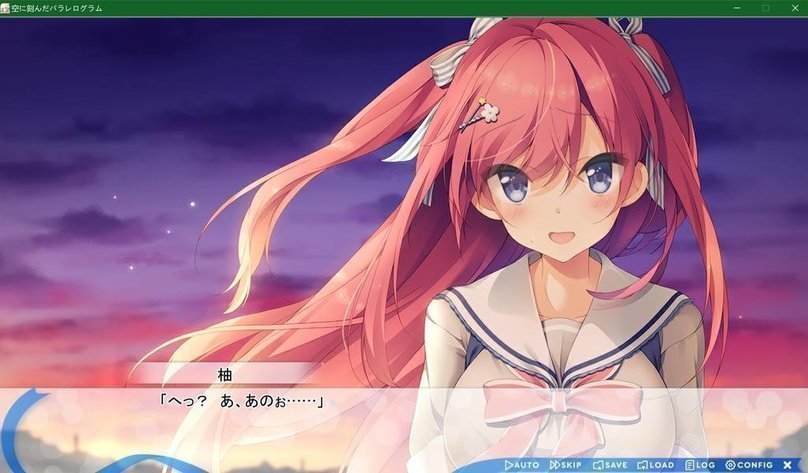
Mourning the past, the male lead said yes.
Even after agreeing to form a team and coach, the male lead quickly discovered that his sister Houjou Hari had been quietly practicing all along… despite her lack of talent, through sheer crazy practice she’d actually reached a very strong combat level.
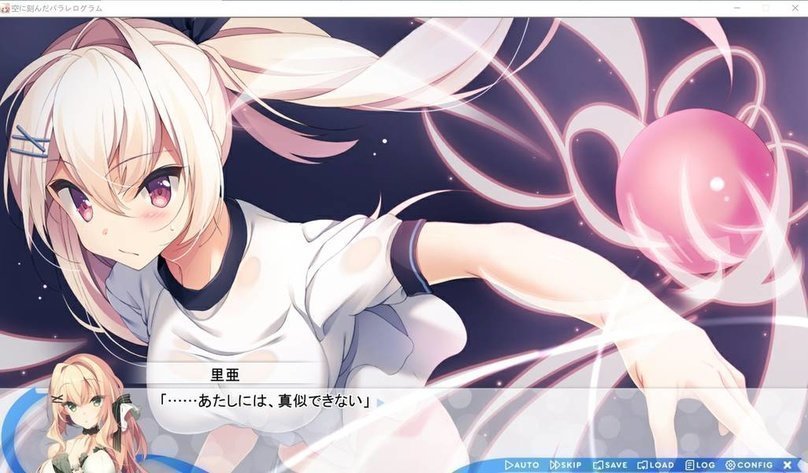
Another national tournament is coming up. His sister says she’s going to compete and fulfill Kurenai’s dream, and she’s formed a new team: Kinegiku Yuzu, Houjou Hari, and Arisawa Ria. Team name: Empty Owl.
The male lead accepts the supervisor role and begins his journey back to the national stage.
To get to nationals, you first have to place in the school’s internal tournament to even be selected and recommended as a school representative—and the school’s internal tournament… is already a high level.
The male lead is in Class Two, and the Empty Owl team he put together is a Class Two team. That means this new team has to beat not just the other Class Two teams but the Class One teams too, before they have any shot at nationals.
But there’s another sad fact: there’s a massive skill gap between Class Two and Class One…
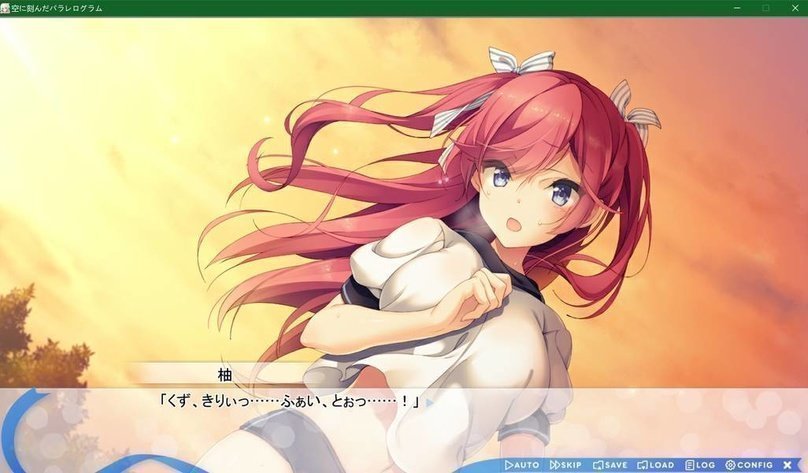
Class Two’s strongest team, facing a Class One team, gets completely curbstomped with no chance to fight back.
The male lead’s team has a long road ahead.
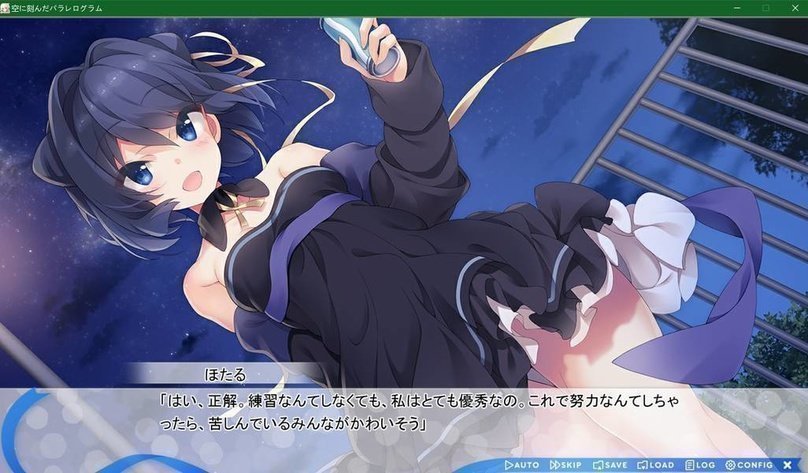
Fortunately, his sister Hari’s level had already reached Class One through her hellish training—her specialty is speed. Yuzu has good natural athletic talent, and her strength is fast reflexes. As for Ria, though she can’t sustain flight long, she’s quick on the ground, which covers some of the airborne weaknesses on defense. So in the Class Two group stage, the male lead’s team somehow scrapes together a few wins.
Meanwhile, in the Class One group stage, Aizumi Hotaru’s performance is disappointing.
Hotaru was discovered to have flight talent from childhood. She could effortlessly pull off moves others couldn’t, effortlessly beat anyone. Lots of people called her a “genius,” and she thought so too—even enjoyed it a bit. But after coming to this school, Hotaru realized she was a frog in a well.
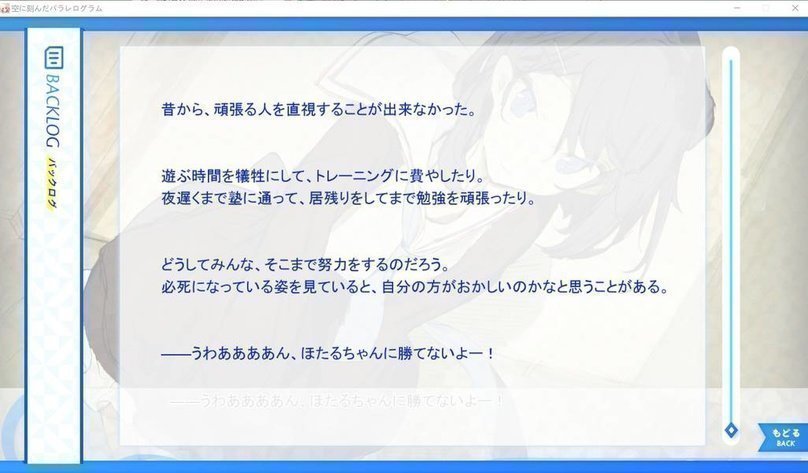
She’s a genius, but she doesn’t want to work hard—she just wants to fly. Yet because she’s a genius, other teams always want her, asking her to play with them. But in an environment like Class One, her level doesn’t even reach average. She keeps getting crushed, becoming the team’s weak link.
At the same time, Hotaru takes a lot of doubt and abuse:
“Is she really a genius at this level?” “She’s the one messing up every time—is she trash?” “Stop bragging about being a genius every day and just go home.”
Hotaru wants to fight, but has no fighting spirit. She just wants to fly freely in the sky. But the “genius” label weighs on her too much, so she envies “strivers” like the male lead, who succeed through their own effort—that’s better than being a “caged genius” like her.
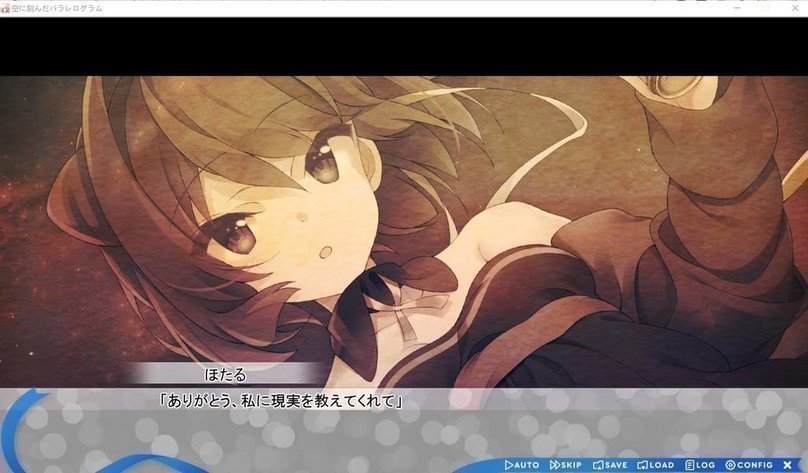
Eventually, after the new team suffers two straight losses, Hotaru—on Tokiwagi Ren’s advice—goes to the male lead’s team to be their practice partner. She even quits her original team, dropping from Class One to Class Two to serve as the male lead’s team’s practice partner and assistant coach. Hotaru doesn’t want to compete anymore; the “genius” label is suffocating her. She chooses the male lead’s team to catch her breath.
Sadly, the breather doesn’t last long before the male lead’s team hits a wall.
Against the Class Two team led by Yatsugi Saika, the opponent clearly spots the male lead’s team’s biggest weakness: Ria’s poor flight endurance. They seize the chance and catch the male lead off guard.
By the end of the first half, Ria is out of gas. The male lead wants Hotaru to sub Ria out, but Hotaru insists Ria keep fighting—she believes Ria can still win.
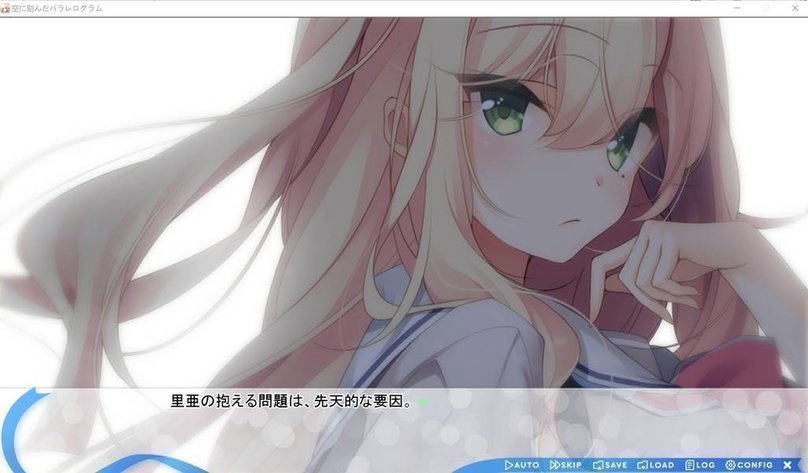
In the end Ria goes super saiyan: with her flight endurance used up, she can still burn her own life to keep flying, wrecking the opponent’s attack plan and scoring the counterattack for the win.
After the match, Ria finds Hotaru and tells her she wants Hotaru to take her place in future matches. Ria’s body can’t handle that “burn your own life” style of flying anymore.
Ria also tells Hotaru a bombshell secret: someone told Hari and Ria that the national champion gets a special reward—exclusive athlete privileges, including access to exclusive medical care, and even the chance to cure the male lead’s “can’t fly” injury.
So Hari, to cure her brother and let him fly again, fights desperately in every match, pushing herself to improve.
Ria doesn’t want Hari’s efforts to come to nothing, so when she can’t go on, she chooses Hotaru to take over and lead the team forward. Hotaru has no choice but to agree.
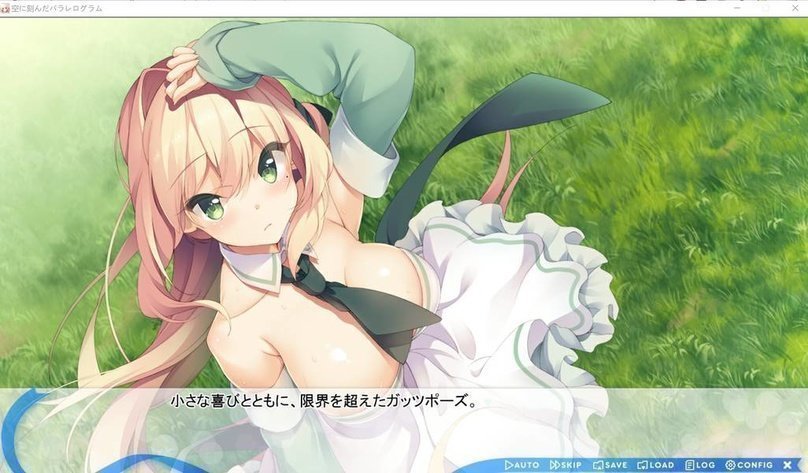
With Hotaru in, the male lead’s team grows wings. They quickly beat Class Two’s biggest rival, last year’s Class Two champion, and thanks to their excellent results, they’re selected as the school’s representative for nationals.
Two Class One teams are selected as well.
The national tournament begins. The eight teams present start the knockout bracket. The first opponent is some scrub team from another school—easy win. Then comes… the team they least want to face. Class One’s strongest:
Tokiwagi Ren, Sakai Ryouji, and a little German girl, Iris.
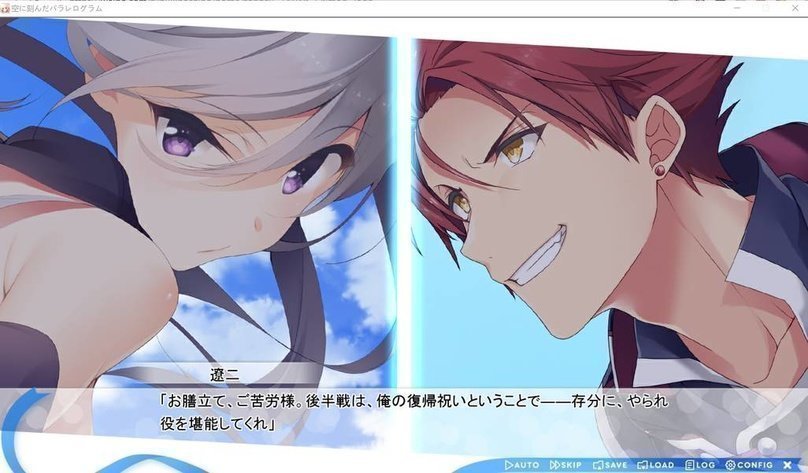
Tokiwagi Ren’s level is unfathomable, and Sakai Ryouji is the very person who injured the male lead in that match. He tried to block the male lead with a magic current, but the current hit the male lead’s spine and cost him his flight ability. Ryouji’s own hand was injured too; after a year of recovery he’s back, aiming for the championship.
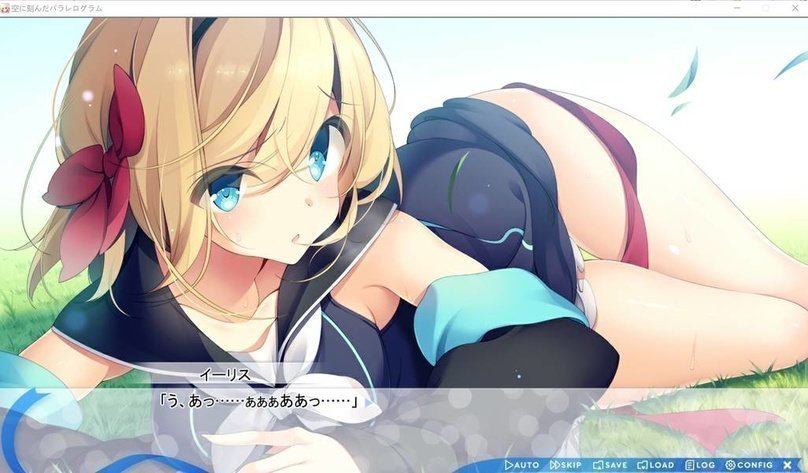
And little Iris got into the sport purely out of admiration for last year’s male lead. She’s not skilled, but she has enormous flight-magic particles and can launch huge long-range particle attacks.
So this team’s style is: two super-strong players fight up front while little Iris provides constant fire support in the back—oh, and Iris’s attacks have invisible trajectories.
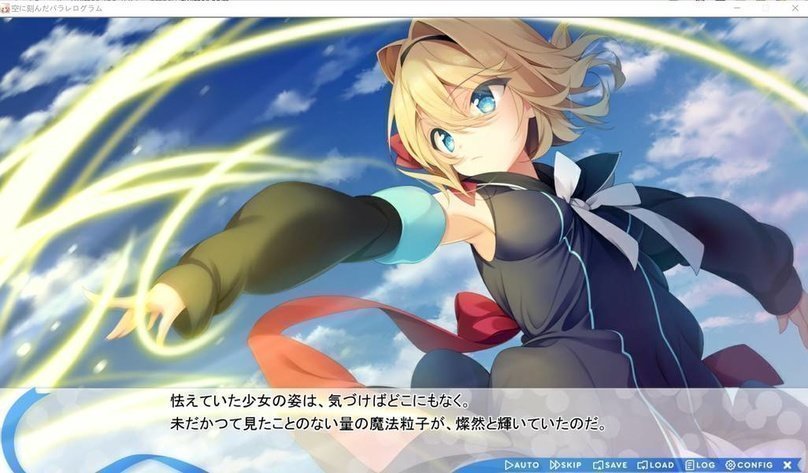
From the start, the male lead’s team eats shit, because they just can’t win. Tokiwagi Ren is fast and nimble—can’t catch her—while Sakai Ryouji’s combat power is off the charts and can’t be countered. Meanwhile the little girl keeps sniping from the back. The male lead’s team is quickly down 1:3 going into the second half.
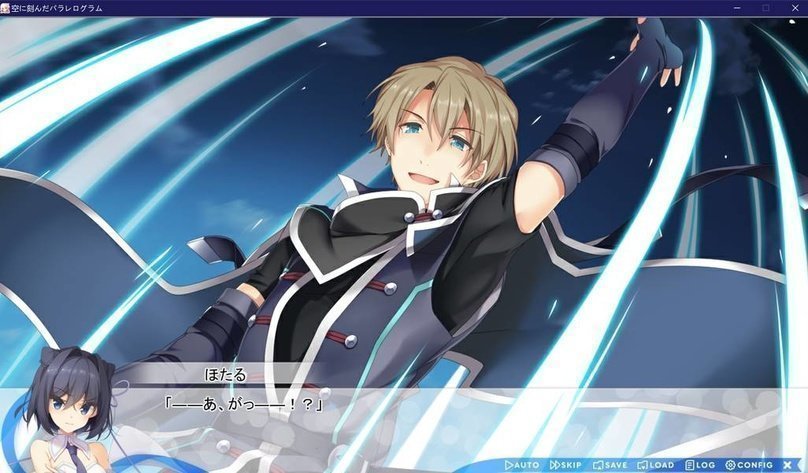
The second half starts just as rough. Then, at the crucial final moment, Hotaru sees Hari fighting for her brother, and Yuzu improving through her own effort, and finally finds herself—awakening.
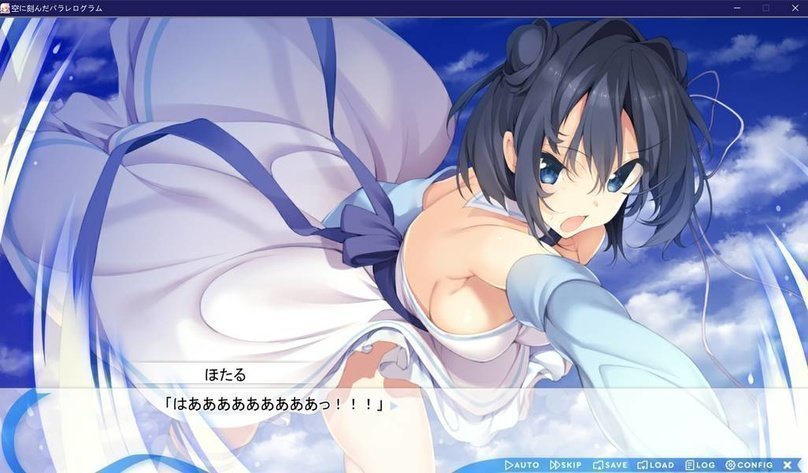
Remember, Hotaru is a genius player; she was just weak because she had no fighting spirit. Now Hotaru has found her drive and enters her true combat form.
Awakened Hotaru immediately goes on a rampage, instantly reversing the match and completing the comeback.
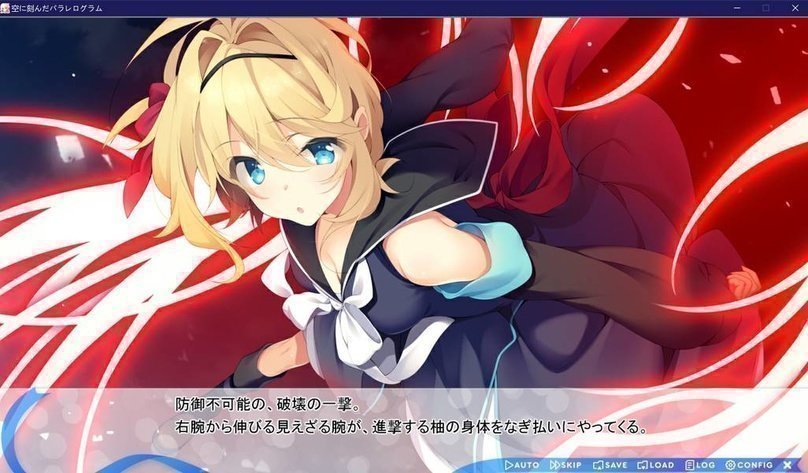
Sakai Ryouji tries to stop her, attempting the same trick again—a foul to wreck an opponent’s body. But it triggers his old injury… and he can never fight again, losing his combat ability. Evil gets its due; the male lead’s team wins.
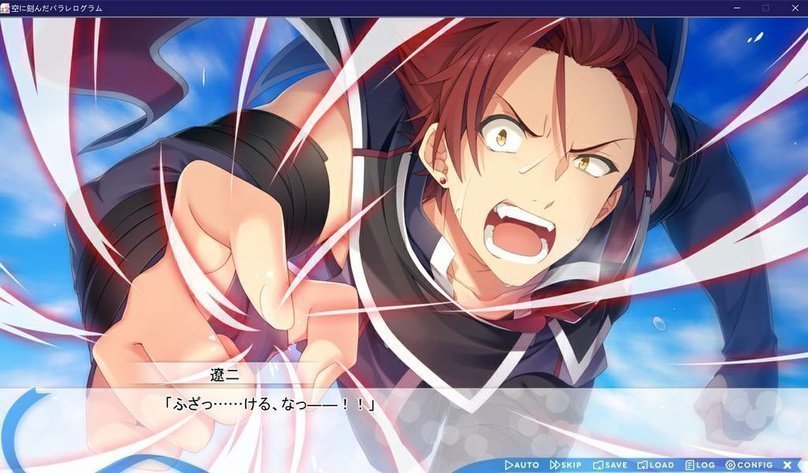
The male lead’s team beats the tournament favorite, morale sky-high—especially with Hotaru’s awakening, which massively boosts their combat strength. The final match arrives: another Class One team, Hotaru’s former team, led by none other than the captain who once had high hopes for Hotaru—Mizugahara Yatsuki.
The match begins, and Hotaru is unstoppable at first, nimble and flawless, letting the male lead score again and again. But then Hotaru gets heavily marked, and the match turns into another grind. In the second half, Hotaru gets too aggressive going for the ball, gets injured, and falls straight from the sky into the water…
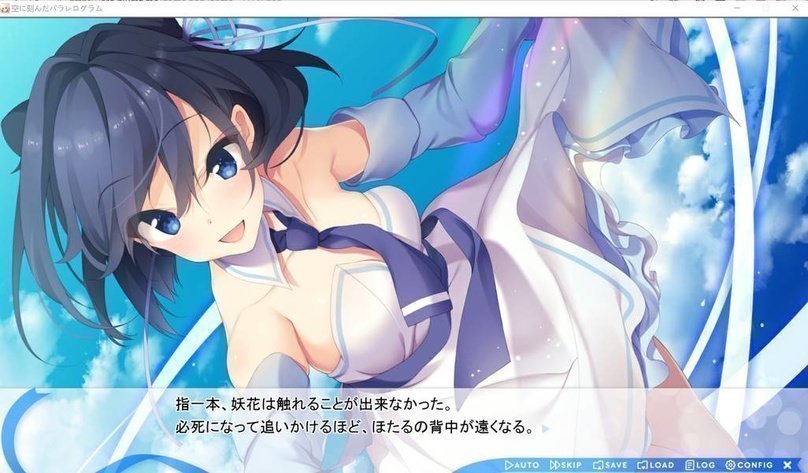
The male lead’s team is down a player again, and the match isn’t over. Hotaru can’t fight anymore… What now?
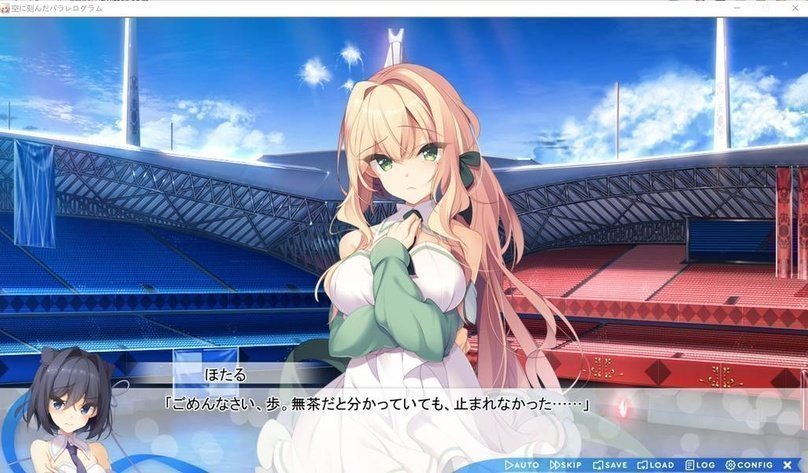
The male lead finally calls on… the person who’s been on the team all along… Ria.
Turns out the male lead had prepared for this. Even after Ria was subbed out, he kept making her train, never letting her slack—precisely so that if Hotaru ever had an accident, Ria could step in.
But Ria is a weak link, and with her in, the male lead’s team no longer holds the advantage… they can only defend.
The rest plays out like you’d expect: the opponent underestimates Ria’s combat ability way too much. Ria desperately completes the final Through Pass, Yuzu receives, dribbles past her marker, and lands the game-winner. The male lead’s team wins it all!
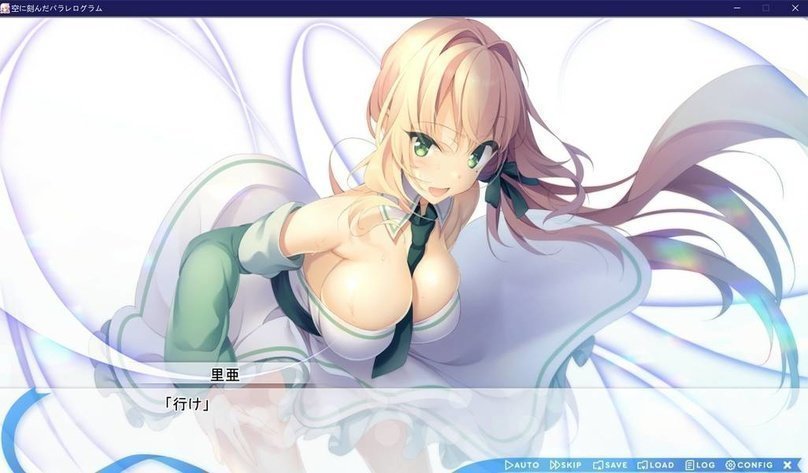
After the victory, the male lead realizes his talent as a coach and supervisor, and thinks maybe he can keep contributing to the sport as a coach. And the girls who pulled off miracles on the court get the applause and glory they deserve.
The game’s epilogue jumps several years ahead. Medical science has advanced, and with new medical equipment, the male lead regains the ability to fly—and together with his former teammates, takes to the free skies once more.
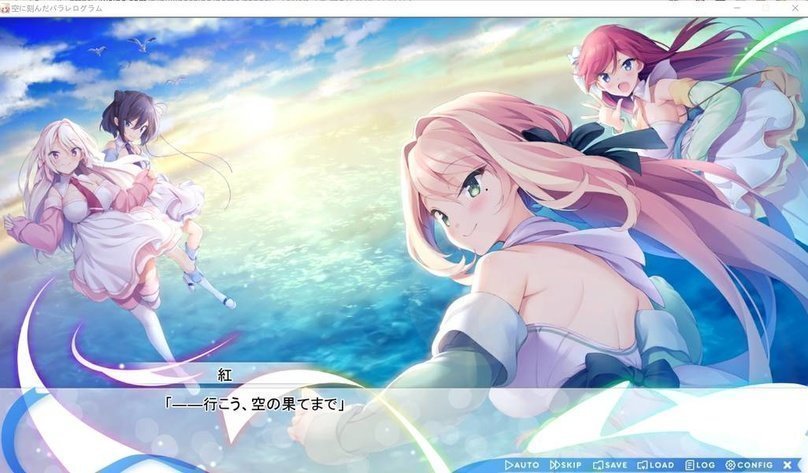
The game reaches its ending.
Overall, Sora ni Kizanda Parallelogram and Aokana are pretty different.
First, Aokana emphasizes individual combat a lot more, and its sport is closer to an individual event. Sora ni Kizanda Parallelogram is not—it’s a 3v3 team sport. And in terms of where the game puts its focus, Sora ni Kizanda Parallelogram has its own strengths. As everyone knows, individual events are more about the individual, while team events leave tons of room to depict relationships between teammates.
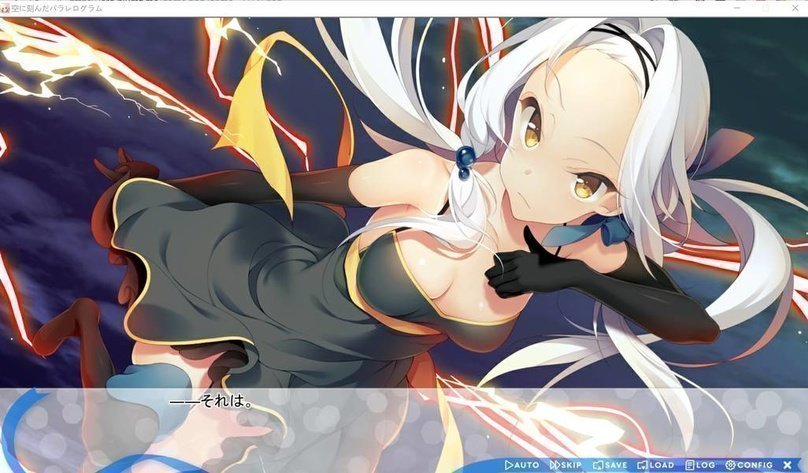
Thanks to Rukuru’s smooth prose, the storytelling is as gripping as ever. Besides getting more skilled at switching between detailed match action and flashback sequences, he can even wring some suspense out of an obviously “king’s road” story. Who’d have thought the tournament favorite would get knocked out in the semifinals? And in the final, the male lead’s team’s ace would run into trouble?
The game spends a lot of ink on the characters’ inner thoughts, which is one advantage of not using the male lead’s first-person perspective. Most characters have their own calculations; the weaker ones feel they’re dragging the team down, while the strong ones aren’t necessarily confident. Everyone faces enormous pressure and inner fear in competition, and the script nails this—really true to life—though it always feels like “a bit too much drama.” Some might think “it’s just a match,” but don’t forget this is a sport with a lot of girls’ teams; little schemes between girls seem pretty normal to me.
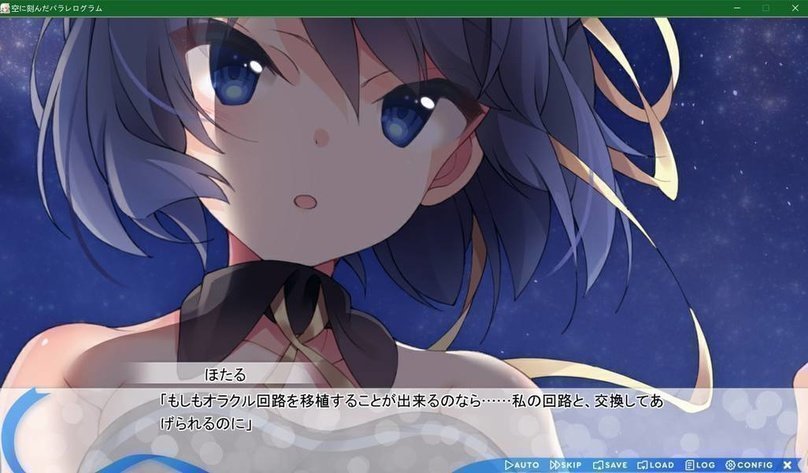
The combat action is well written, and the psychological mind games between players are deep. But that brings a problem: there’s too little description of actual tactics, which Aokana did better. Too much psychology, not enough objectivity. Also I have to mention the CGs—I know it’s Kiriha, same familiar Kiriha, but Ms. Kiriha, isn’t your art style a little… wild?
A lot of characters have to fly in the sky, but this game’s flight poses are very awkward for many characters… especially the sister, Hari, with that butt-sticking-up pose that almost made me spit out my drink. Still, most characters’ style is an improvement over the previous game. Everyone starts by imitating; it seems the artist Kiriha has found her own style too. I just wish she’d draw people a little more “stably”—Aokana did this well… too bad the studio went under.
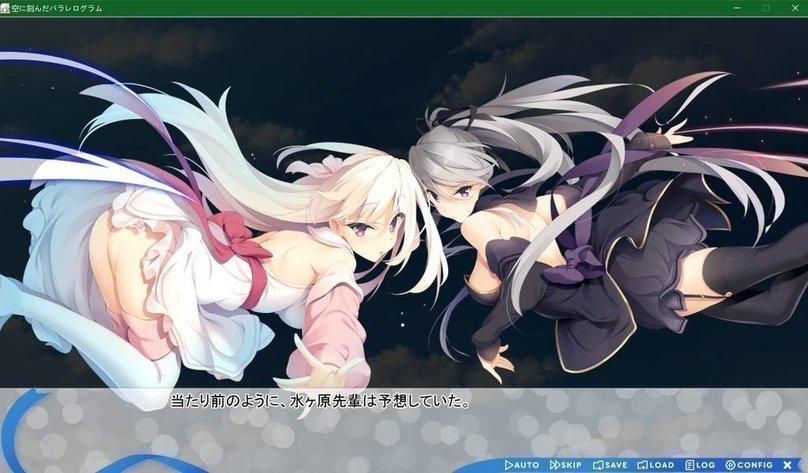
Overall the game is the most traditional kind of “king’s road story,” which might disappoint a lot of people. Honestly I was disappointed at first too—Rukuru’s previous games were all “brilliant foreshadowing,” “mind-blowing twists,” and this one has none of that. (Ah… well, there’s a bit, but I won’t get into it.) But that doesn’t mean this work isn’t good, because the script pours tons of ink into “character building.” If the previous works were “story shapes the characters,” then this one simply stacks up character impressions through details, dialogue, and inner thoughts.
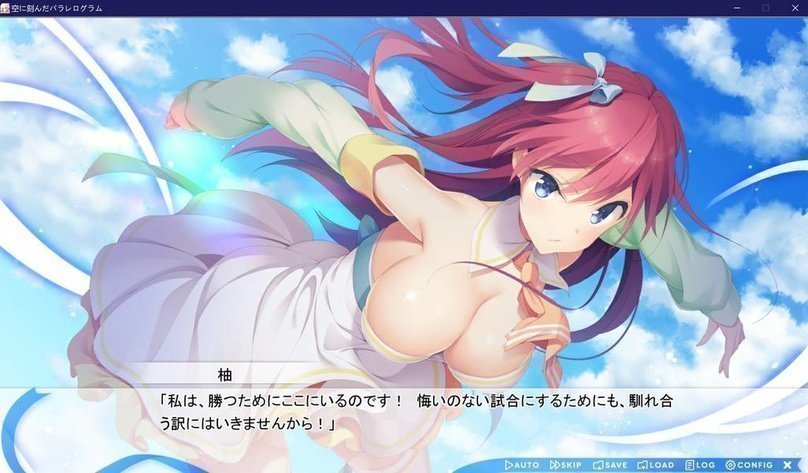
Garasu the little sister is a straight-up brocon—she grinds and fights her ass off just to make her brother’s wish come true. And the main heroine, Yuzu, has the classic shonen-protagonist kit: hot-blooded, optimistic, never gives up. The villains and the rest of the team are all sharply drawn too. Getting this many characters on stage and still making each one stick in your memory is, I’d argue, no easier to write than the old “crazy plot twist” approach.
The best-written character in the game is Aizumi Hotaru, this “clumsy genius.”
Everyone’s heard the story of the prodigy who burns out. I don’t know about the rest of you, but most people have some talent as kids, something they’re way better at than their peers—and get called a genius for it.
Like me as a kid: I was good at running, long distance especially. I’d take first without even trying. Sometimes I genuinely couldn’t understand the wheezing pack behind me. “Why are you all so slow?? I literally wasn’t even trying and I came in first…”
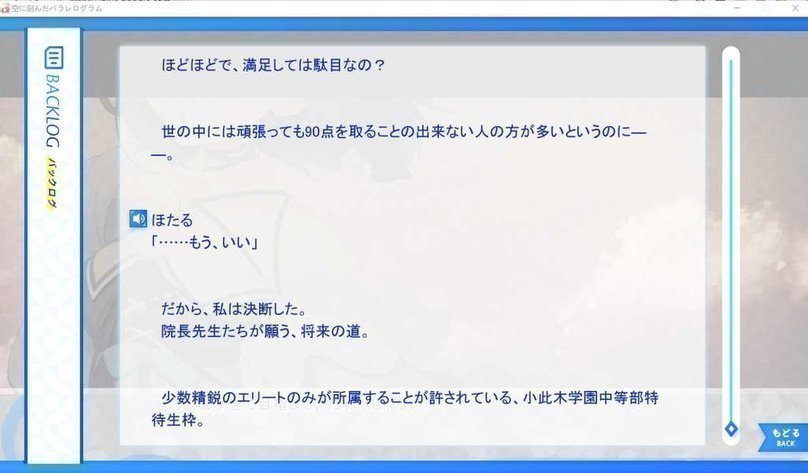
Hotaru’s the same. As a kid she was amazing at aerial sports. Nobody could touch her no matter how hard they trained, and she started getting smug about it—she was a genius, and no amount of effort from anyone else would ever reach her height.
But she forgot: there’s always a bigger fish.
Geniuses hit a ceiling eventually, and Hotaru hits hers in a class at this school. She gets surpassed.
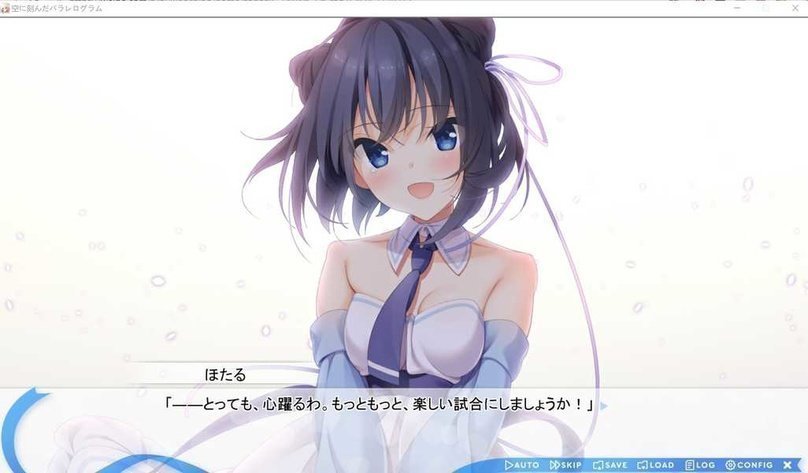
People hear Hotaru’s a genius and line up to challenge her, then watch her play and find out she’s not actually as good as the rumors said… and the doubts start pouring in.
“A genius? That’s all?”
Hotaru’s confidence gets wrecked.
As more and more people put in the work, as she meets more and more of them, Hotaru becomes “just another face in the crowd”—and what’s worse, people start doubting and mocking the whole “genius” label.
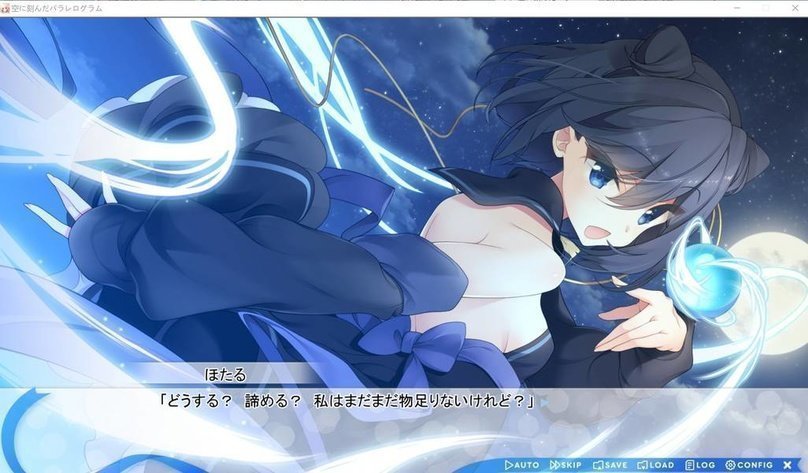
Hotaru gets it: talent without effort gets overtaken. But she can’t find a reason to try. She just wanted to fly in the sky. She doesn’t want to compete, doesn’t want to enter any tournament. No goal—so why bother training?
In the end her teammates move her, and she finds her reasons to fight: for the protagonist’s future, for the championship, for her teammates.
Garasu the little sister will keep training and fighting like hell for her brother. The teammates all have their own things driving them, their own reasons they have to fight.
Hotaru has hers too—for herself, so she can be happier. She’ll fight for that.
In the end the “genius” finally breaks free of the “genius” shackles and gets her freedom.
With her fighting spirit lit, Hotaru finally gets something like an awakening at the crucial moment of the match.
Think about it—isn’t that how our own lives go? How many people had dreams and glory as kids, and ended up “just another face in the crowd”? Did we lack talent? No… we just lacked a goal worth fighting for, and the guts to go after it.
Once you have that goal and that courage, you’ll get back to the you you originally were.
Every character in the game gets their own story. Pulling off an ensemble piece at this level isn’t easy—harder than Aokana, I’d say.
Rukuru clearly leveled up with this one. He stopped limiting himself to the old “dark fairy tale” style and moved into hot-blooded storytelling and character work. That’s a big step forward, I think.
Which brings us back to the question I opened with:
“Compared to his previous works, is this game a step forward or a step back?”
The answer is definitely forward.
His old games sold “death” and “darkness” as the gimmick to get people looking at the plot. This one just uses the sheer pull of the prose to show off what the writer can do.
I’m not saying “this game has no flaws in its plot.” The overall structure is a good deal tighter than his previous works, and the details aren’t half-assed either. It jumps between multiple perspectives, and the characters don’t have that thick “eroge smell” to them. I honestly feel like I could read this as a novel—it’s not a “dating sim” anymore.
Which makes sense: the game has exactly one True End, and apart from one underclassman’s confession, the protagonist never has any romantic feelings for any of the women. His first love is already dead, after all. But somehow I still felt the bonds between them and the protagonist. Maybe that’s the magic of good writing.
Like I said, the game’s mostly a straight line, but there are still branches where you can pursue a heroine, and they feel pretty half-assed: the protagonist gives up on nationals to chase girls, then it’s fuck fuck fuck… and that’s it.
The music is still Meto, steady as ever. I didn’t recognize many of the VAs this time, but a few were really standout. Overall, nothing to complain about, nothing to write home about.
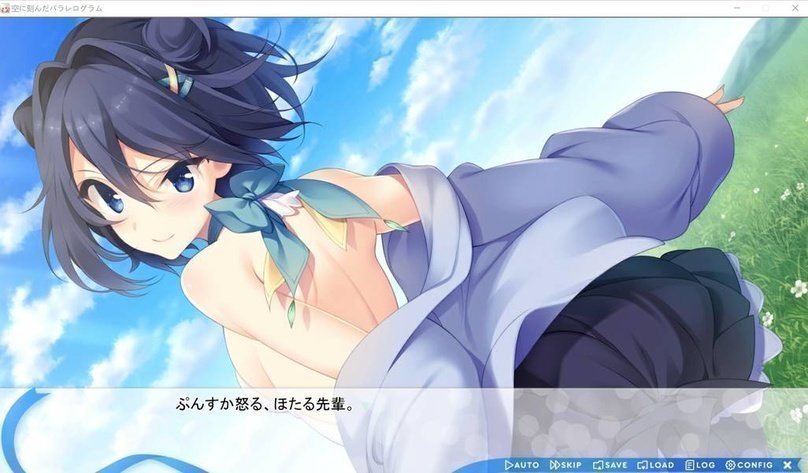
The game has a fair number of bugs. The most obvious one: if the game crashes, your save file gets corrupted, and then you can never launch the game again… you have to wipe the saves and start over. Good thing this is a galge—if it were a stage-based game I’d have been cursing up a storm.
Maybe his previous works were too dark and sold poorly, so Sora ni Kizanda Parallelogram went with a sunnier, easier-to-swallow orthodox sports theme… All in all I’d call it a breakthrough. Except for the bugs and some of the CGs.
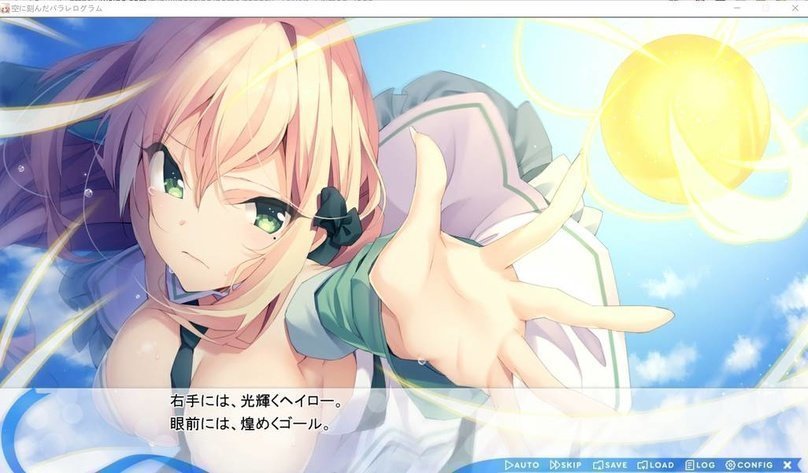
Rukuru still hasn’t let me down. Getting to play this at the end of the year, maybe I’ll actually scrape together enough titles for a year-end eroge ranking after all…
Here’s hoping we see more of Master Rukuru next year.
Last of all, a scene Rukuru wrote of the underclassman confessing to the protagonist—the only confession scene in the game.
Reading it feels really… bittersweet.
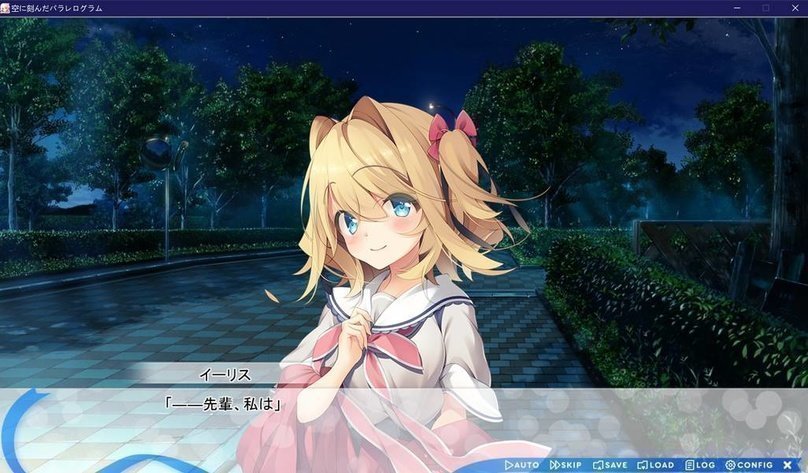
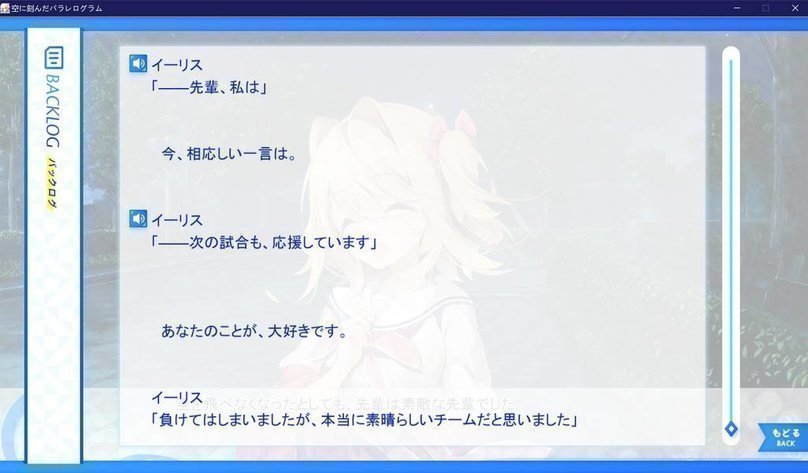
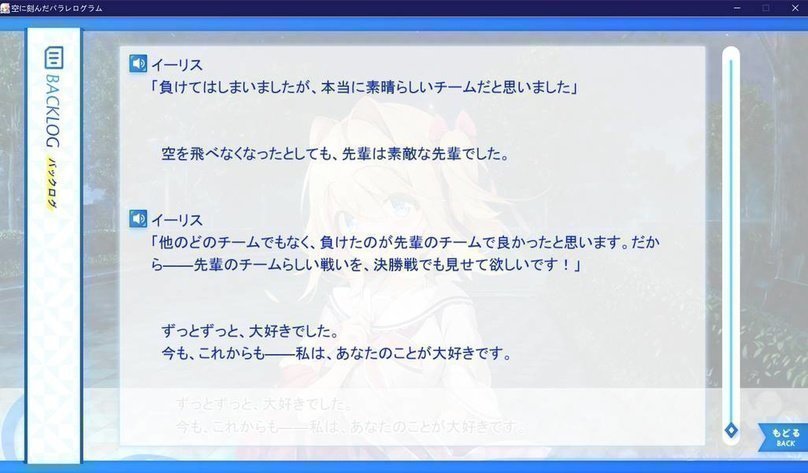
A love that never reaches—that’s exactly what this is.
Comments are hosted on the Chinese main site. This mirror is read-only.