Sony Vaio VGN-U50
Impressions: Sony Vaio VGN-U50
Win10 tablets are everywhere now, and honestly the specs aren’t bad. But Sony was already making this kind of device back around 2005.
I remember devices like this — at the very least I saw them in Popular Software. Though it was only ads and reviews, because this thing was expensive as hell, and back then even a desktop couldn’t meet the demands of DOOM3, let alone some overpriced, underpowered “crippled laptop.”
But as the old saying goes: “The swallows that once nested in the halls of the nobility now fly into the homes of common folk.” Even something that 14 years ago only the rich and flashy could afford has ended up in my hands.
Here I need to thank Duan Ye, a proud Hammer phone fan and man of means, for his support. Duan Ye’s passion for gadgets is full of craftsman spirit — born proud!
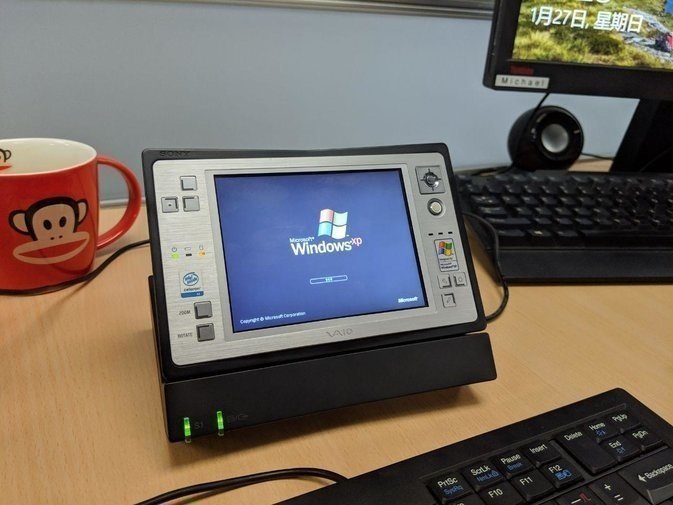
By Sony’s own definition at the time, the Vaio VGN-U50 was just a “laptop,” or a “UMPC” — though Microsoft later rebranded the whole concept as “tablet PC.”
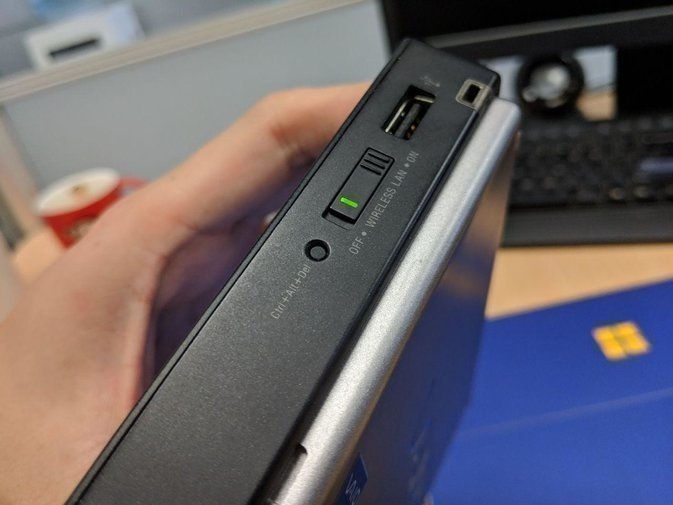
It’s tiny, but the ports are remarkably complete, and it comes with a dock that has basically every port you could think of. Way better than today’s dumb Microsoft Surface — you know the dumb Surface’s Dock costs extra, right?
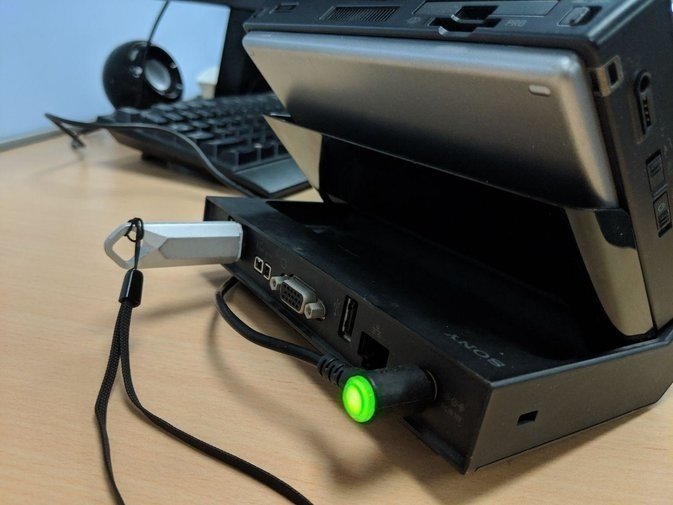
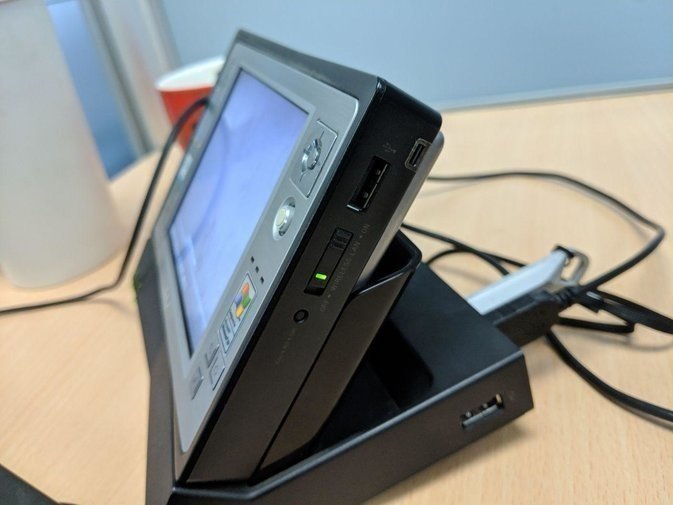
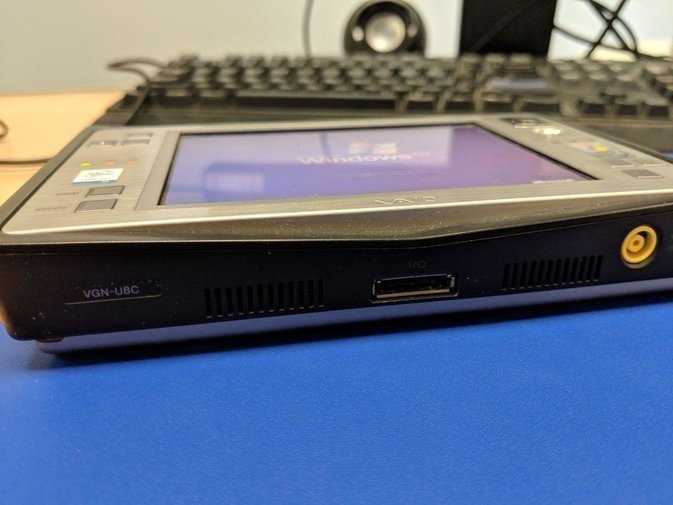
Even more wild: the thing supports battery swaps. Unlock the back shell and — surprise — that turtle shell is the battery, meaning you can replace it yourself. Not only that, it also lets you swap the RAM and the hard drive. Shame is, both parts are Sony custom jobs, so you can only go through them. I looked it up: the expansion drives are long gone, and RAM only shows up on eBay, maxing out at 512MB. Mine is the U50, the 256MB base model — even upgraded it’s got less RAM than a Hammer phone. How humiliating.
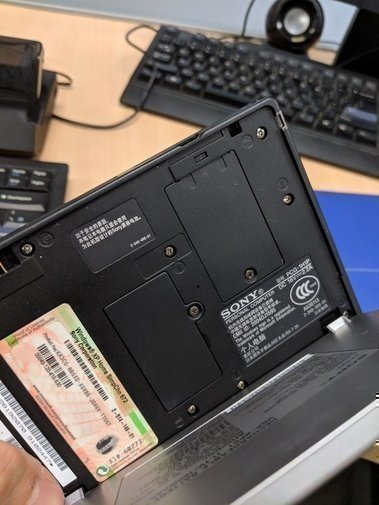
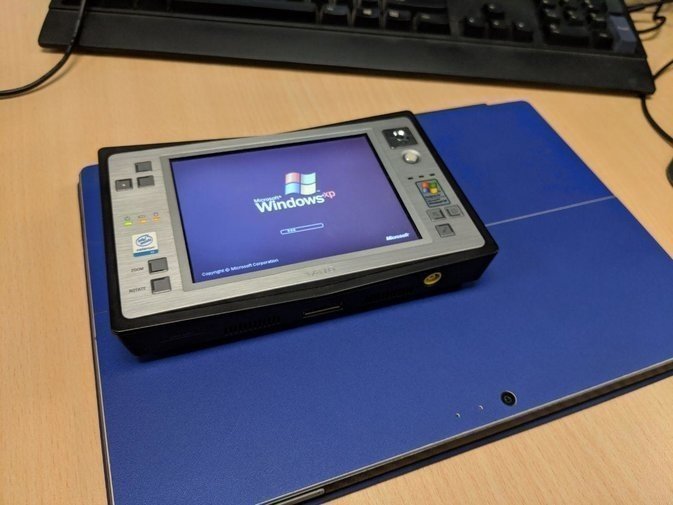
That said, for a machine from around 2005, that RAM isn’t unusable. The main OS of the day was Duan Ye’s beloved “Shit-P” (XP). Back then, a tiny thing like this running XP was more magical than actually sticking something up your ass.
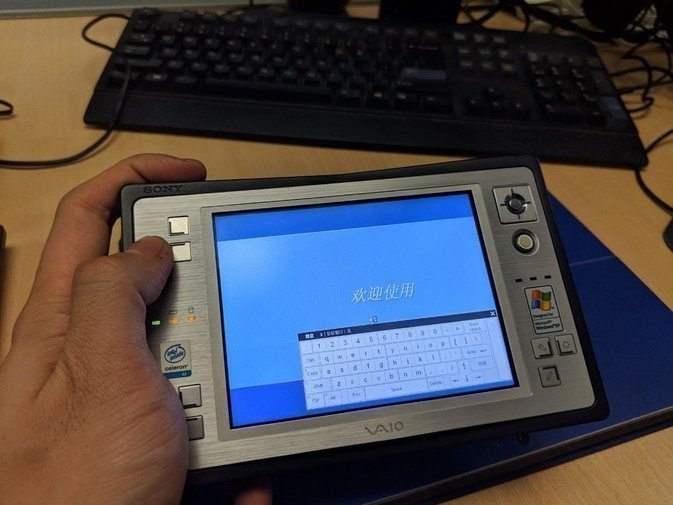
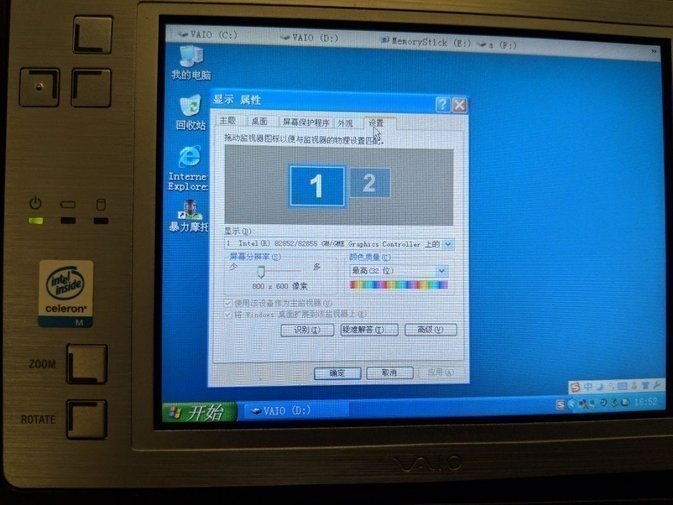
Unfortunately, it’s genuinely heavy — I’d say about the same as a Surface Pro 4, even though the latter is clearly bigger. The resolution is only 800x600, and the screen has severe backlight bleed. It’s a mess — even the Nut phone’s screen is far finer than this. Color gamut is a parameter not even worth looking at. The interesting part is the control buttons on both sides of the screen: a joystick, a pointing stick, plus arrow keys and special function keys. My impression is the device should come with a “willow-leaf stylus,” but there isn’t one — maybe Duan Ye broke it playing with his asshole too much.
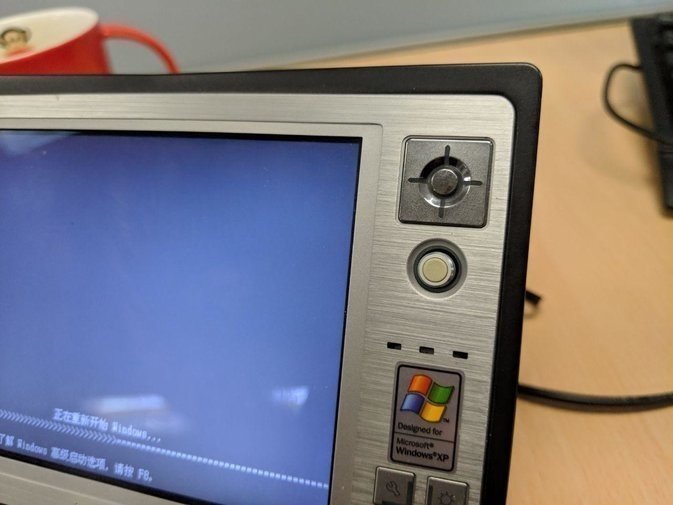
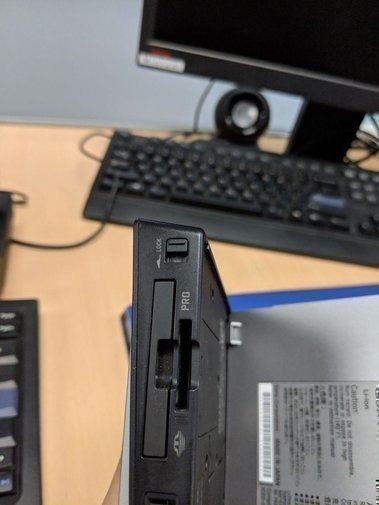
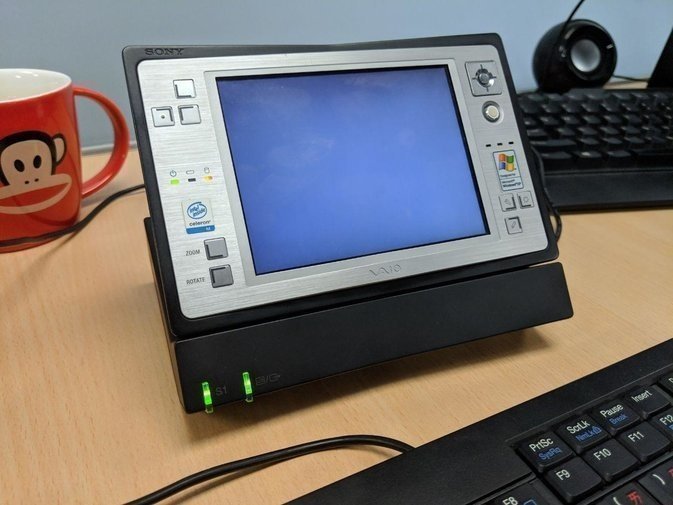
By today’s standards the performance is a joke: Intel Celeron M 900 MHz. Beyond basic apps it can’t do anything, and the power draw is scary too. Run it a few minutes and the internal fan starts taking off, heat pours out of the side vent, and the whole thing turns into a burning brick. Battery life isn’t great either — an hour and a half on normal standby is about as good as it gets.
Sometimes I think the point of this thing is to sit in its dock as a desktop. Portable use isn’t really in the cards, or maybe occasionally, that’s it. Can’t blame Sony, really — Intel CPUs of the era were just like that. Two hours was considered monster battery life. I remember around 2012, an ultrabook with 4 hours was already a beast.
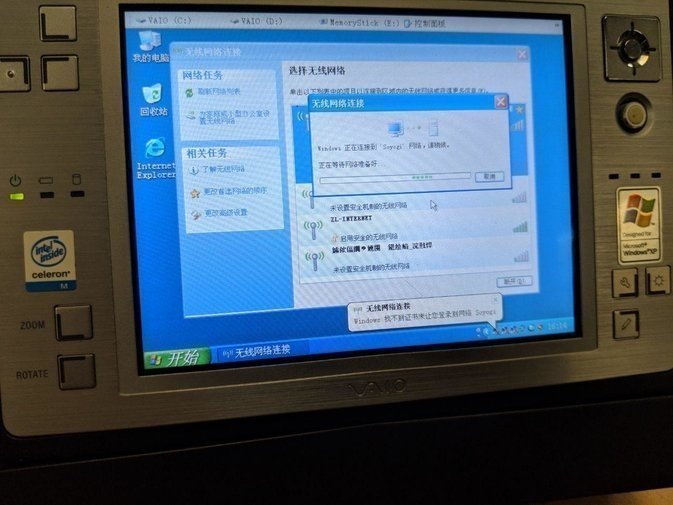
And because it’s so old, it not only doesn’t support 2.4G Wi-Fi — it doesn’t even support the encryption modern Wi-Fi uses. Wireless networking is basically unusable.
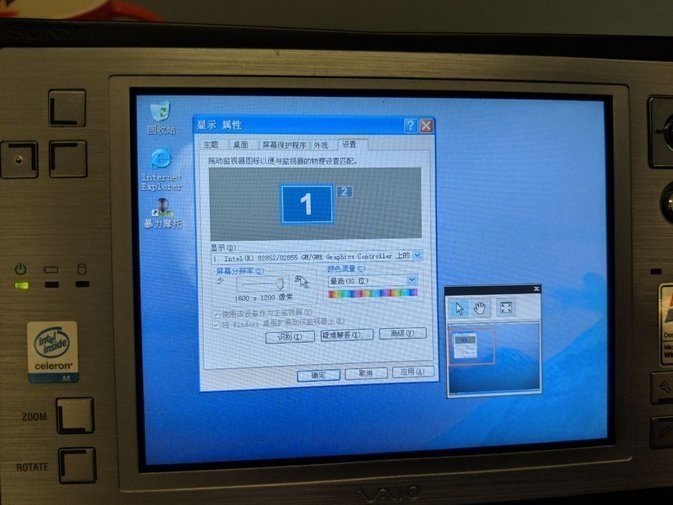
I tried fiddling with the OS, but there’s not much room to fiddle. All the drivers target WinXP, the RAM is too small, the drive is too small (20G), so trying a new OS is hopeless. I really didn’t want to torture myself installing Win10. So I just threw some games on the default WinXP. Turns out what runs is roughly 2002–2007-era small games — Road Rash, plus older stuff like Duan Ye’s beloved NICKY BOOM. Maybe Diablo 2 would be fine too. Anything newer probably won’t work, since the resolution is only 800x600 — though you can bump it up to 1600x1200, it only acts like a “virtual desktop.”
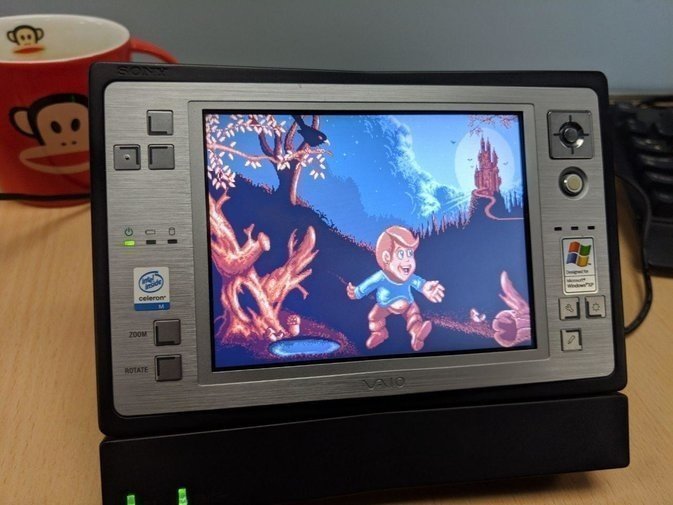
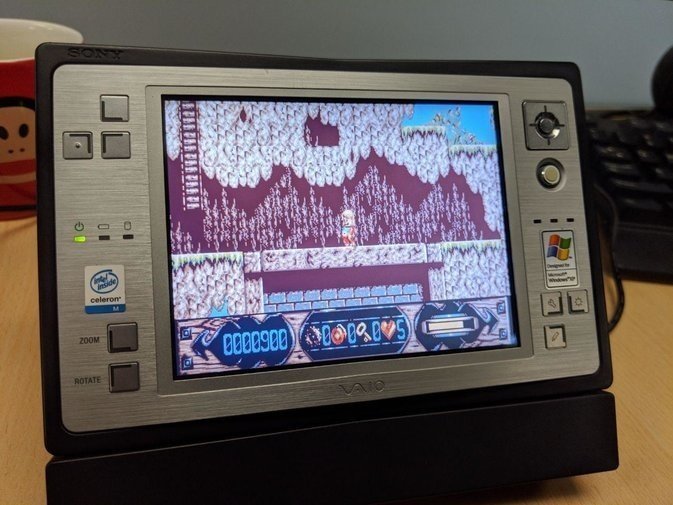
I also tried a Galgame — grabbed Riddle Jokers, and of course it wouldn’t run. I don’t know if it’s the specs, the resolution, or something else, but it just froze on launch.
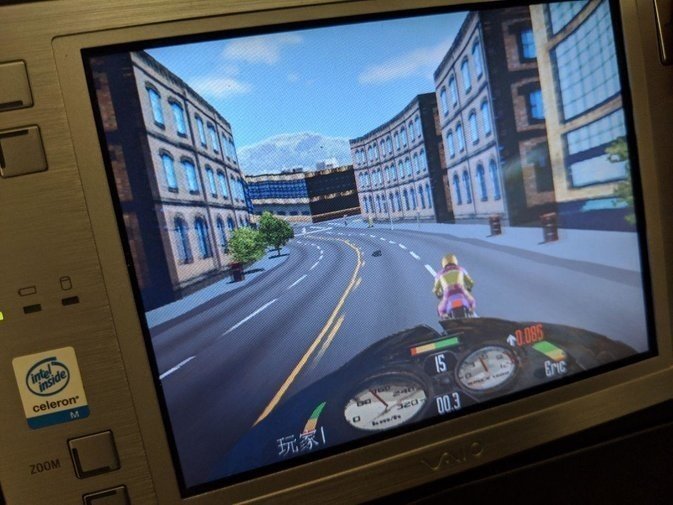
In the end I gave up tinkering with it. It’s an antique, and honestly it wasn’t well-loved even when it launched — battery, performance, and specs weren’t appealing, apart from portability. People who bought it either had extreme demands on portability or were born proud like Duan Ye.
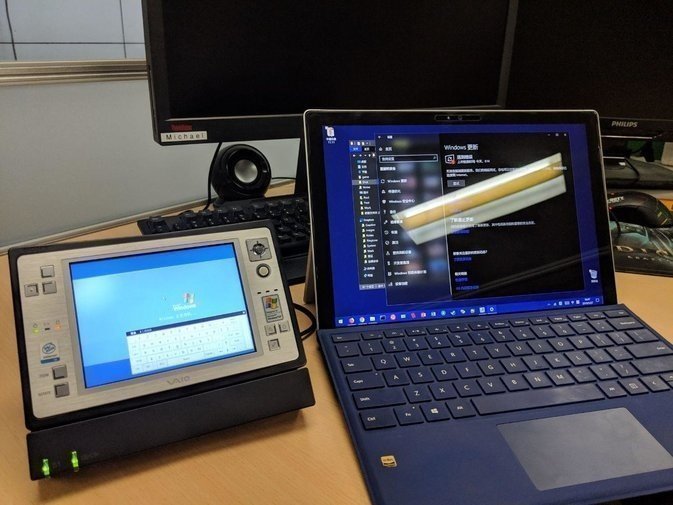
The Sony Vaio VGN-U50 counts as an ahead-of-its-time product. Fourteen years early, it showed what a future “productivity tablet” should have: running XP on the move, a dock to turn it into a computer, fast office work, and so on. The technology just wasn’t there yet, so this is all it could be. Now the tech has matured, and we’ve seen the Surface line flourish. Sony’s old ideas can go into the trash heap of history together with the short-lived UMPC and the defunct Vaio.
Comments are hosted on the Chinese main site. This mirror is read-only.