Mysticism is mysticism because it’s full of stuff you can only intuit, can’t put into words, or can’t even express accurately.
The vocabulary of mysticism grows with the years. Back when I was in high school, the terms were mostly “bass reaches decently deep, highs are transparent, mids are sweet, good resolution.” Now it’s “wide soundstage, loose vs. tight bass, forward vs. distant mids.” I don’t know about the rest, but “reaches deep”—I haven’t seen that one in ages.
Another trait of mysticism is that it can’t be expressed precisely, no unified standard. Plenty of mysticism grandmasters like to measure frequency response curves with pro gear, but nobody tells you what kind of curve counts as “female poison,” what counts as “wide soundstage,” what counts as “pop tuning.” And the funniest part: even if you show them the curve, someone will tell you music isn’t for looking at, it’s for listening—what matters is the listening experience…
I don’t get it. Really don’t.
Mysticism also has plenty of weird, inexplicable terms you can’t even make sense of.
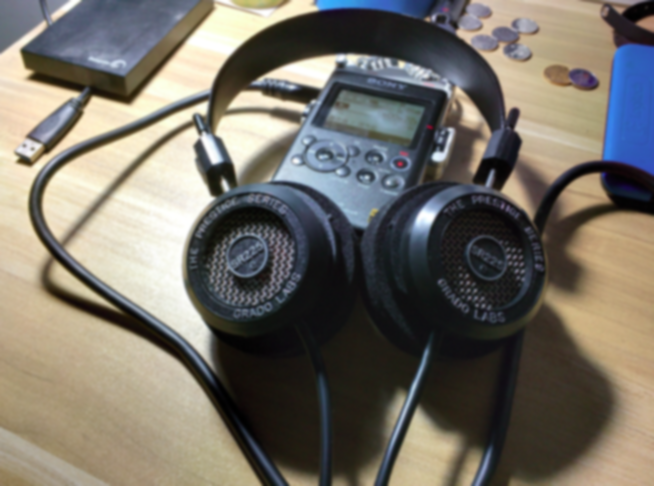
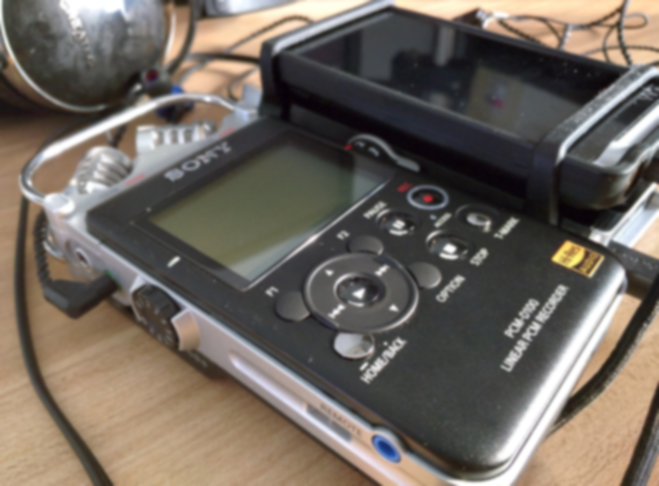
Recently I heard two of them: “musical flavor” and “monitor mode.” Someone said the Sony D100 voice recorder isn’t suited for music, and gave a reason.
“Sure, this thing crushes the ZX1 in every way, but the sound is too cold, too dry, too monitor-flat, too compressed, no musical flavor. Not as smooth as the ZX1 and PHA-2.”
I didn’t know sound could be “smooth,” or that it could have flavor… And apparently even when it crushes in every way, the flavor still isn’t good enough…
What exactly is musical flavor? What’s monitor mode? How does the D100 actually sound for music, as a voice recorder? After reading a bunch of guru talk and getting nothing conclusive, I had to listen for myself.
Read More